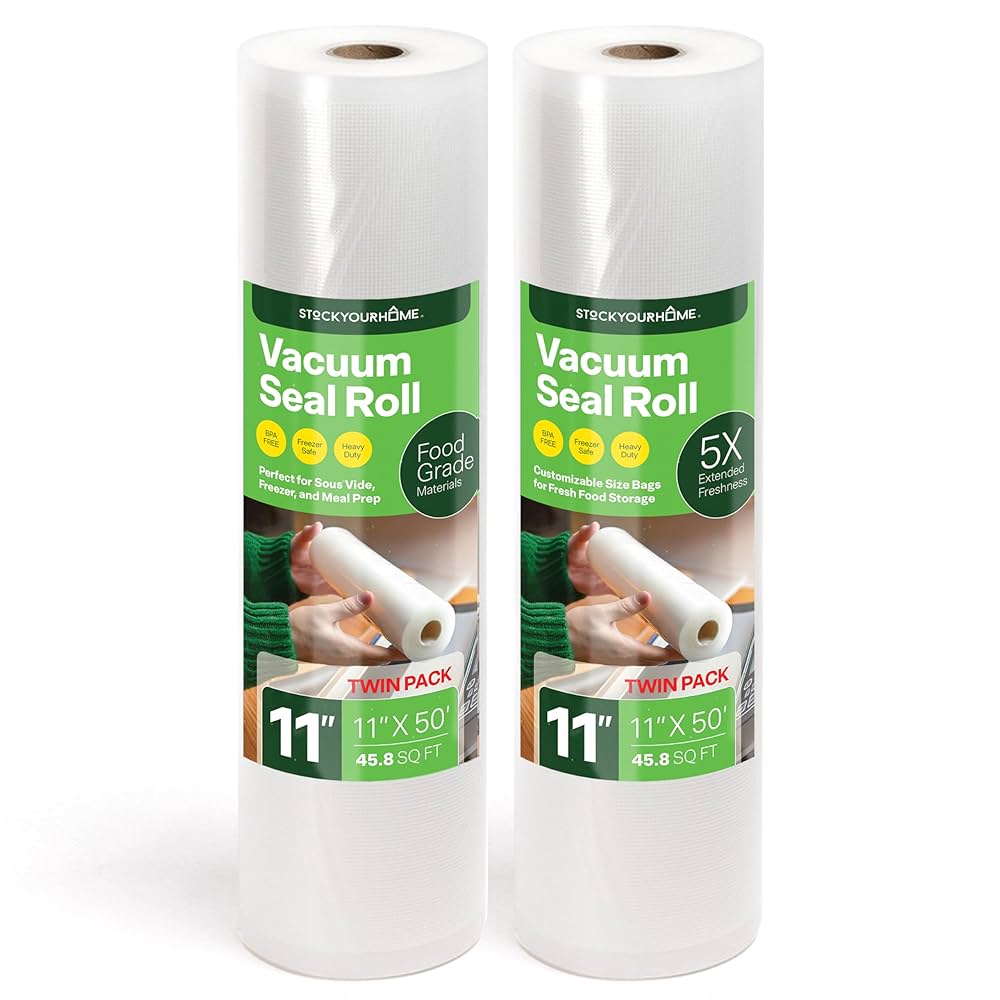
Are you wondering if vacuum seal bags can safely go from your freezer to your microwave? You’re not alone.
Many people like you are curious about whether these handy kitchen tools are microwave-friendly. You want to keep your meals fresh and save time, but you also want to ensure you’re doing it safely. We’ll clear up any confusion about using vacuum seal bags in the microwave.
You’ll discover the dos and don’ts, and whether your go-to storage solution can handle the heat. Stick around to learn the surprising truth that could change the way you prep and store your food!
Microwave Safety Basics
Understanding microwave safety is essential if you want to avoid damaging your food, containers, or even your microwave itself. Not all materials react the same way inside a microwave oven. Knowing the basics will help you decide if your vacuum seal bags are safe to use in the microwave.
How Microwaves Heat Food
Microwaves use electromagnetic waves to heat food by exciting water molecules. This rapid movement creates heat, which cooks the food from the inside out.
Unlike conventional ovens, microwaves heat food unevenly, which is why stirring or rotating your dish is often necessary. This uneven heating also means that some parts of your container might get hotter than others.
Have you ever noticed how some containers stay cool while others become too hot to touch? That difference comes down to the material’s ability to absorb microwaves.
Materials Suitable For Microwaving
Materials that don’t absorb microwave energy and don’t melt or release harmful chemicals are usually safe to use. Common safe options include:
- Glass (especially microwave-safe glass)
- Ceramic
- Certain plastics labeled “microwave-safe”
- Silicone
Materials like metal, aluminum foil, or plastic not marked as microwave-safe can cause sparks, melting, or chemical leaching.
When it comes to vacuum seal bags, always check the packaging or manufacturer instructions. Some vacuum seal bags are designed for sous vide cooking but may not tolerate microwave heat safely.

Credit: www.amazon.com
Vacuum Seal Bags Explained
Vacuum seal bags are special storage bags designed to keep food fresh longer. These bags remove air around the food, slowing down spoilage. Understanding what these bags are made of and their benefits helps decide if they are safe for microwave use.
Common Materials Used
Vacuum seal bags are made from plastic layers that are strong and flexible. Common materials include:
- Polyethylene (PE) – soft and flexible
- Polyamide (PA) – also called nylon, for strength
- Polypropylene (PP) – heat resistant and durable
These materials create a barrier against air and moisture. Many bags have a textured surface to help air removal. The combination of layers ensures the bag stays sealed and safe for food.
Purpose And Benefits
Vacuum seal bags protect food by removing air around it. This stops bacteria and mold from growing quickly. Benefits include:
- Longer food shelf life
- Prevention of freezer burn
- Preserving flavors and nutrients
- Saving storage space
They are useful for storing meats, vegetables, and leftovers. The sealed environment keeps food fresh and tasty. Many people use these bags to prepare meals in advance and store them safely.
Microwave Compatibility Of Vacuum Seal Bags
Vacuum seal bags offer a convenient way to store food and keep it fresh. Knowing if these bags are safe for microwave use is important for quick meal prep. Not all vacuum seal bags can handle microwave heat. Understanding their microwave compatibility helps avoid damage and health risks.
Manufacturer Guidelines
Check the product label or packaging for microwave instructions. Manufacturers usually specify if their vacuum seal bags are microwave safe. Some bags are designed for cooking or reheating, while others are for storage only. Follow these guidelines to prevent melting or releasing harmful chemicals. If no information is available, avoid microwaving the bag.
Heat Resistance Levels
Vacuum seal bags have different heat resistance levels. Most are made from plastic materials that can melt under high heat. Safe microwave bags can handle temperatures up to 212°F (100°C) or higher. Bags not rated for microwave use may warp or leak. Always use bags labeled microwave safe for heating food.

Credit: www.amazon.com
Potential Risks When Microwaving Vacuum Seal Bags
Microwaving food in vacuum seal bags might seem convenient. Yet, it carries certain risks that can affect your health and the quality of your meal. Understanding these risks helps you use vacuum seal bags safely and avoid problems.
Chemical Leaching Concerns
Some vacuum seal bags contain chemicals that can leak into food when heated. These chemicals may include BPA or phthalates. They can harm your body if consumed often. The heat from microwaves can cause the plastic to break down. This breakdown releases unwanted substances into your food. Using bags not labeled microwave-safe increases this risk. Choosing the right bags reduces the chance of chemical contamination.
Bag Melting And Damage
Vacuum seal bags are not all designed to handle microwave heat. Some may melt or warp during heating. This can cause leaks, ruining your food and making a mess. Melting plastic also releases harmful fumes. Thin or low-quality bags are more likely to get damaged. It is safer to use bags made for microwave use. Always check the bag’s instructions before microwaving.
Safe Practices For Microwaving Vacuum Seal Bags
Microwaving vacuum seal bags requires careful attention to safety to avoid damage to the bag or your microwave, and to keep your food safe. Many people assume all vacuum seal bags are microwave-safe, but that’s not always true. Understanding how to handle these bags in the microwave can save you from melting plastic or unevenly heated meals.
Checking For Microwave-safe Labels
Before placing any vacuum seal bag in the microwave, always check the packaging or the bag itself for a microwave-safe label. Manufacturers often include clear symbols or text indicating if the bag can withstand microwave heat. If you don’t see this label, it’s best not to risk it—using a non-microwave-safe bag can cause harmful chemicals to leach into your food or the bag to melt.
I once learned this the hard way when a non-labeled bag started to deform and released a strange smell during heating. That experience taught me to always double-check labels before microwaving anything sealed in plastic.
Proper Venting Techniques
Even microwave-safe vacuum seal bags need venting to allow steam to escape. Without venting, pressure can build up inside, potentially causing the bag to burst or deform. You can easily create a small slit or open a corner slightly to let steam out safely.
Try to avoid completely sealing the bag when microwaving. Have you noticed how popcorn bags have tiny holes or vents? That’s exactly the kind of design you should mimic with your vacuum seal bags to keep your food moist and your microwave clean.
Avoiding High-temperature Settings
Microwaving vacuum seal bags on high power settings can be risky, even if the bag is microwave-safe. High temperatures might cause the plastic to warp or release unwanted chemicals. Use medium or low power settings to heat your food gradually and evenly.
Heating food slowly not only protects the bag but also helps prevent hot spots that can burn your mouth. Next time you microwave a sealed bag, try starting with 50-70% power and check the food temperature before adding more time.
Alternatives To Microwaving Vacuum Seal Bags
If you’re cautious about microwaving vacuum seal bags, you’re not alone. Many people worry about the safety and effectiveness of heating food in these bags inside the microwave. Luckily, there are simple alternatives that can keep your food safe and tasty without risking damage to the bags or your microwave.
Using Microwave-safe Containers
Switching to microwave-safe containers is a smart move. Glass or ceramic containers are ideal because they don’t release harmful chemicals when heated. Plus, they evenly distribute heat, which helps your food warm up thoroughly.
Next time you pull out a vacuum-sealed meal, transfer the contents to a microwave-safe bowl or plate. Cover the container with a microwave-safe lid or a damp paper towel to keep moisture in. This method preserves the texture and flavor of your food better than microwaving in plastic bags.
Thawing Methods Without Microwaving
Thawing frozen food doesn’t have to involve a microwave. You can plan ahead and thaw items safely in the refrigerator. This slow thawing keeps the food at a safe temperature and maintains quality.
If you’re in a rush, try cold water thawing. Seal the food securely in a leak-proof bag and submerge it in cold water, changing the water every 30 minutes. This speeds up thawing without exposing the vacuum seal bag to heat.
Have you ever noticed how food tastes different when rushed in the microwave versus thawed slowly? Taking time with these methods can improve your meal’s flavor and texture.
Tips For Maintaining Vacuum Seal Bag Integrity
Keeping your vacuum seal bags in good shape is key to preserving food quality and safety. Small mistakes in storage or reuse can cause leaks or contamination, defeating the purpose of vacuum sealing. Here are some practical tips to help you maintain the integrity of your vacuum seal bags effectively.
Storage Guidelines
Store your vacuum seal bags in a cool, dry place away from direct sunlight. Heat and UV rays can weaken the plastic, making it prone to tears or punctures.
Keep the bags flat or rolled loosely to avoid creases that might compromise the seal. Avoid placing heavy objects on top of stored bags to prevent damage.
Have you noticed your bags getting brittle over time? That usually means they’ve been exposed to fluctuating temperatures or humidity. Keeping them sealed in their original packaging until use can extend their lifespan.
Reusing Bags Safely
Reusing vacuum seal bags is possible but requires caution. Always check for any holes, tears, or weakened spots before resealing.
Wash used bags thoroughly with warm soapy water, then rinse and dry completely. Moisture trapped inside can encourage mold growth and spoilage.
Consider reserving reusable bags only for dry foods or items that don’t leak. Avoid using bags previously sealed with raw meat or fish unless you sanitize them properly to prevent cross-contamination.
Have you tried using a second sealing to reinforce a reused bag? This extra step can help secure the seal and avoid air leaks during storage.

Credit: www.amazon.com
Frequently Asked Questions
Are All Vacuum Seal Bags Microwave Safe?
No, not all vacuum seal bags are microwave safe. Only bags labeled microwave-safe can be used in microwaves. Check packaging for safety instructions before microwaving to avoid melting or harmful chemicals.
How To Identify Microwave Safe Vacuum Seal Bags?
Microwave safe vacuum seal bags usually have a microwave symbol or label on the packaging. Always read the manufacturer’s guidelines to confirm if they are suitable for microwave use.
Can Vacuum Sealed Food Be Reheated In Microwave?
Yes, vacuum sealed food can be reheated in microwave if the bag is microwave-safe. Otherwise, transfer food to a microwave-safe container before heating to prevent damage or chemical leaching.
What Are Risks Of Microwaving Non-safe Vacuum Seal Bags?
Microwaving non-microwave safe bags can cause melting, chemical leaching, or fire hazards. It can also ruin the food’s quality and safety. Always use bags designed for microwave use.
Conclusion
Vacuum seal bags can be microwave safe, but check labels first. Some bags melt or release harmful chemicals when heated. Use bags made for microwaving to stay safe. Avoid heating bags with metal parts or clips. Cut a small vent to let steam escape.
Always follow the manufacturer’s instructions carefully. Safe use helps keep your food fresh and healthy. Simple steps make microwave cooking easy and worry-free. Choose the right bags and enjoy quick meals without risk.