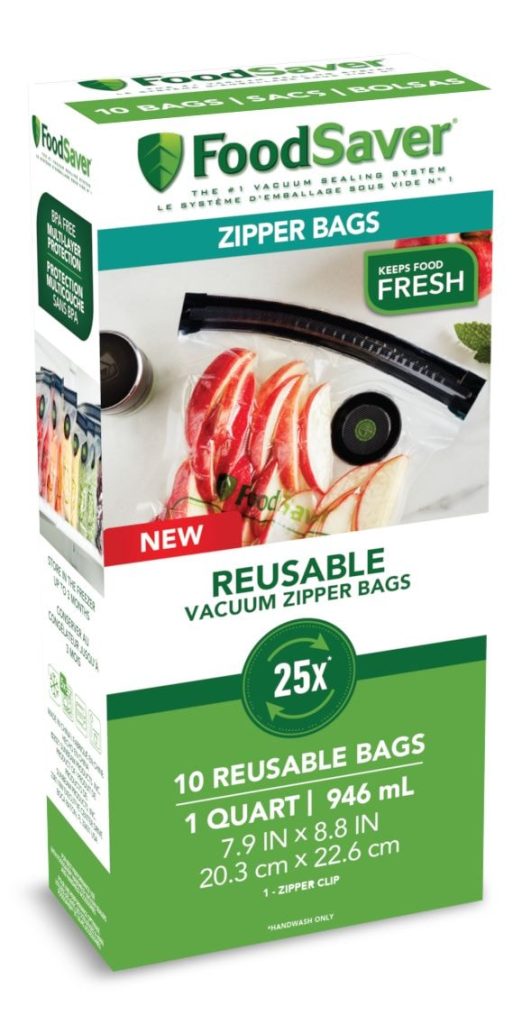
Are you looking to save money and reduce waste in your kitchen? If so, the question of whether vacuum sealer bags are reusable might be on your mind.
Imagine being able to preserve your food’s freshness while also cutting down on costs and helping the environment. It’s a win-win situation! This intriguing topic has sparked curiosity among many savvy consumers like yourself, eager to make the most out of their kitchen tools.
Dive into this article to uncover the truth about reusing vacuum sealer bags and discover how it might just revolutionize your food storage habits. Stay with us as we explore the pros, cons, and practical tips that could change the way you think about your kitchen routine forever.
How Vacuum Sealer Bags Work
Understanding how vacuum sealer bags work is key to deciding whether they can be reused effectively. These bags are designed to remove air and create an airtight seal that keeps food fresh for longer. But what exactly goes into the making and functioning of these bags? Let’s break down the components that make vacuum sealer bags work.
Material Types
Vacuum sealer bags are usually made from multi-layered plastic films. The most common materials include:
- Polyethylene (PE):Offers flexibility and strength.
- Polyamide (Nylon):Provides barrier properties against oxygen and moisture.
- Polypropylene (PP):Adds heat resistance for sealing.
These layers work together to keep air and moisture out, preserving your food. Have you noticed how some bags feel thicker or sturdier? That’s because of the specific blend of materials used.
Sealing Mechanism
The sealing process involves removing air and then creating a tight seal to prevent it from coming back in. Your vacuum sealer machine sucks out the air, which slows down the growth of bacteria and mold.
Once the air is out, the machine heats the bag’s edges, melting the plastic layers together. This heat seal is what locks in freshness and prevents leaks. If you ever tried resealing a bag without enough heat, you probably noticed it doesn’t hold well.
Durability Factors
Several factors influence how durable a vacuum sealer bag is:
- Thickness:Thicker bags usually last longer and resist punctures better.
- Storage Conditions:Exposure to heat, light, or moisture can weaken the bag over time.
- Type of Food:Sharp or rough items can cause small tears or holes.
I once stored frozen berries in a thinner bag, only to find freezer burn after a week. Switching to a thicker, more durable bag made a noticeable difference in freshness. Do you pay attention to these durability factors when choosing bags?
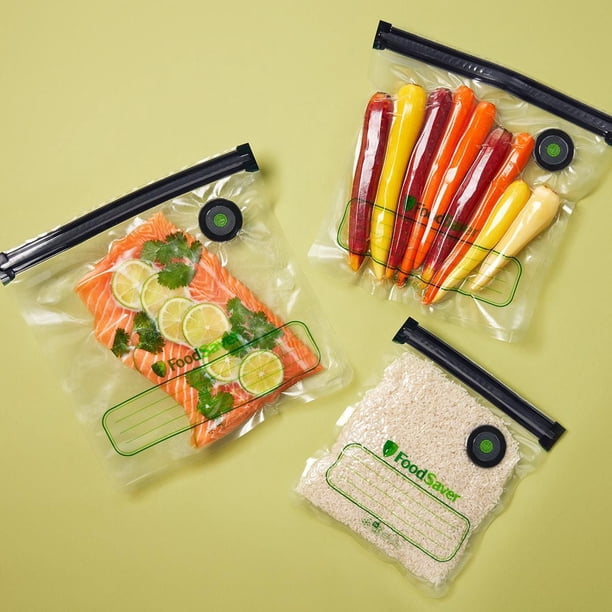
Credit: www.walmart.ca
Can You Reuse Vacuum Sealer Bags?
Wondering if you can reuse vacuum sealer bags to save money or reduce waste? It’s a common question among home cooks and food preservers. The answer isn’t always straightforward—reusability depends on several factors including the type of bag, what you stored in it, and how well it holds up after the first use.
Manufacturer Recommendations
Most vacuum sealer bag manufacturers advise against reusing their bags, especially those designed for single use. These bags often have textured surfaces or layers that can break down after one seal, compromising their airtight qualities.
However, some brands make reusable bags specifically designed for multiple uses. These are usually thicker, made from more durable materials, and can be washed and resealed safely.
Checking the packaging or product details can save you from wasting time on bags that won’t perform well a second time. Have you ever tried reusing a bag only to find it leaks air? That’s often due to ignoring these guidelines.
Signs A Bag Can Be Reused
Not all vacuum sealer bags show obvious signs they can be reused, but some indicators help you decide:
- Material thickness:Thicker bags tend to hold up better.
- Integrity of the seal:If the original seal is intact and without holes, you might reuse it.
- Cleanliness:Bags used for dry goods only are easier to reuse than those with raw meat or liquids.
- No wrinkles or damage:If the bag has no tears or creases, it’s more likely reusable.
Personally, I once reused a bag for nuts after carefully washing it, and it worked perfectly. But when I tried reusing a bag that held raw chicken, I immediately tossed it for safety reasons.
Risks Of Reusing
Reusing vacuum sealer bags comes with risks you should not ignore. The most important is food safety. Any leftover bacteria or contamination inside the bag can spoil your food or cause illness.
Another risk is loss of vacuum seal quality. If the bag weakens or develops tiny holes, air can enter, leading to freezer burn or faster spoilage.
You also risk wasting food and money if the bag fails during storage. Ask yourself: is saving a few cents worth compromising your food’s freshness and safety?
Best Practices For Reusing Bags
Reusing vacuum sealer bags can save money and reduce waste, but it requires care to keep your food safe and fresh. Handling these bags properly means knowing how to clean them, prevent contamination, and store them correctly. Mastering these best practices will help you get the most out of each bag without risking your health or the quality of your food.
Cleaning Techniques
After using a vacuum sealer bag, wash it thoroughly with warm, soapy water. Use a soft sponge or cloth to avoid damaging the bag’s surface, especially the sealing edges. Rinse well to remove all soap, then let the bag air dry completely before storing or reusing it.
For greasy or sticky residues, try soaking the bag for a few minutes to loosen debris. Avoid harsh scrubbing or abrasive materials that can create tiny holes, which reduce the bag’s vacuum effectiveness. Have you noticed how clean bags seal tighter and protect food better?
Avoiding Contamination
Keep raw and cooked foods separate by dedicating specific bags to each type. Never reuse a bag that held raw meat or fish for fresh produce or ready-to-eat items. Cross-contamination can lead to foodborne illnesses, so consider labeling your bags for easy identification.
Also, inspect bags carefully before reuse. If you see tears, holes, or lingering odors, it’s safer to recycle the bag instead of risking contamination. Have you experienced off smells or spoilage because of improper bag reuse?
Storage Tips
Store your vacuum sealer bags in a cool, dry place away from direct sunlight. Heat and UV rays can weaken the plastic, making it less effective over time. Keep bags flat or rolled loosely to avoid creases that might interfere with sealing.
Organize your bags by size and condition, so you always grab the right one without handling all of them. This simple habit extends their lifespan and keeps your kitchen efficient. How do you currently store your vacuum sealer bags, and could a small change improve your routine?

Credit: www.amazon.ca
Types Of Reusable Vacuum Sealer Bags
Reusable vacuum sealer bags come in several types, each designed to meet different needs and preferences. Choosing the right kind can save you money and reduce waste. Let’s look at some popular options that fit various lifestyles and sealing habits.
Silicone Bags
Silicone bags are a standout choice if you want durability and flexibility. They are easy to clean and can be used in the microwave, freezer, or dishwasher. Because silicone is heat resistant and non-toxic, it’s perfect for sealing everything from leftovers to sous-vide cooking.
Have you tried silicone bags for meal prep? Their airtight seal keeps food fresh longer, and you can reuse them hundreds of times without losing quality. They might cost more upfront, but their lifespan and versatility often outweigh the initial price.
Heavy-duty Plastic Bags
Heavy-duty plastic bags are another reusable option designed to withstand multiple uses. These bags are thicker than standard vacuum sealer bags, reducing the risk of punctures or tears. Many are made with BPA-free materials for safer food storage.
These bags are ideal for those who want something similar to single-use bags but with better durability. You can rinse and dry them for reuse, but keep in mind that they may not last as long as silicone bags. How often do you want to replace your vacuum sealer bags?
Eco-friendly Options
If sustainability is your priority, eco-friendly vacuum sealer bags are worth considering. Made from biodegradable or compostable materials, these bags minimize environmental impact without sacrificing functionality. Some brands offer reusable bags made from recycled plastics or plant-based materials.
Switching to eco-friendly bags can align your food storage habits with your values. However, these options sometimes require special care to extend their usability. Are you ready to make a small change that benefits the planet every time you seal your food?
Cost Savings With Reusable Bags
Using reusable vacuum sealer bags can significantly cut down your food storage costs over time. While the upfront price might seem higher than disposable options, the ability to reuse these bags multiple times offers real savings. Let’s look at how these savings add up and what options fit different budgets.
Initial Investment Vs. Long-term Savings
Reusable vacuum sealer bags usually cost more per bag compared to single-use ones. But these bags can be washed and used again, sometimes dozens of times, which lowers your cost per use dramatically. Imagine spending $30 on a set that lasts a year versus buying $5 packs of disposable bags every month.
Have you ever added up how many disposable bags you toss each month? That simple math shows how reusable bags pay for themselves quickly. Over time, the initial spend becomes a smart investment.
Comparing Disposable And Reusable Bags
| Feature | Disposable Bags | Reusable Bags |
|---|---|---|
| Cost per Bag | Low (around $0.50 per bag) | Higher (around $2-3 per bag) |
| Number of Uses | One-time use | 20-50+ uses |
| Environmental Impact | High waste generation | Reduced waste, eco-friendly |
| Convenience | Ready to use, no cleaning needed | Requires washing and drying |
Looking at this comparison, the reusable option clearly wins in the long run if you’re willing to clean and care for your bags. This balance of effort versus savings is worth considering.
Budget-friendly Brands
You don’t have to break the bank to start saving with reusable vacuum sealer bags. Several brands offer affordable options without compromising quality. For instance, FoodSaver’s reusable bags are popular for their durability and reasonable price.
Other budget-friendly brands include SimpleHousewareand Vacwel, which often come in value packs to lower your cost per bag. Checking customer reviews can help you pick bags that hold up well after multiple uses, so you get the most value out of your purchase.
Have you tried any reusable bags that surprised you with their quality or savings? Sharing your experience can help others make smarter choices too.

Credit: www.amazon.ca
Environmental Impact
The environmental impact of vacuum sealer bags is an important topic. These bags help preserve food longer and reduce waste. Yet, their use raises concerns about plastic waste and sustainability. Understanding their environmental footprint guides better choices. Reusing vacuum sealer bags can lower the amount of plastic thrown away. This reduces harm to nature and saves resources.
Reducing Plastic Waste
Vacuum sealer bags are usually made from plastic materials. Using them once creates a lot of plastic waste. Reusing these bags cuts down the number of new bags needed. This lowers the total plastic thrown into landfills and oceans. Less plastic waste means less harm to animals and plants. It also reduces pollution in water and soil. Reuse helps extend the life of each bag before disposal.
Sustainability Benefits
Reusing vacuum sealer bags supports a more sustainable lifestyle. It reduces demand for new plastic production. Making plastic uses energy and natural resources like oil. Using bags multiple times saves these resources. It also lowers carbon emissions from manufacturing and transport. Sustainable habits like reusing help protect the environment. Small changes add up to big benefits over time.
Recycling And Disposal Tips
- Check if bags can be recycled in your area.
- Clean bags thoroughly before recycling or reuse.
- Do not recycle bags contaminated with food or grease.
- Cut bags into smaller pieces if required by local recycling.
- Consider compostable or biodegradable alternatives if available.
- Dispose of unusable bags responsibly to avoid litter.
Troubleshooting Common Issues
Troubleshooting common issues with vacuum sealer bags can save you time and money while extending the life of your bags. Understanding what causes problems like seal failures or air leaks helps you fix them quickly. Let’s look at practical tips to keep your vacuum sealing process smooth and effective.
Bag Seal Failures
Seal failures often happen because the bag isn’t positioned correctly or the sealing area is dirty. Make sure the edges are free from crumbs, moisture, or wrinkles before sealing.
If the bag is overloaded or contains sharp items, the seal can break easily. Try trimming the bag’s edge slightly after sealing to check for a strong seal—if it peels off, reseal the bag with a clean edge.
Have you noticed your machine making unusual noises during sealing? That could indicate a worn-out heating element, which might need cleaning or replacement.
Air Leaks
Air leaks reduce the vacuum’s effectiveness and can spoil your food faster. Check the bag for tiny holes or punctures caused by sharp bones or hard food edges.
Using bags designed specifically for your vacuum sealer model helps prevent leaks. Generic bags might not seal as tightly or fit properly, leading to gaps.
Also, avoid overfilling bags. Leaving some space at the top ensures the vacuum can remove all the air efficiently.
Preventing Mold And Odors
Vacuum sealing slows down mold growth but doesn’t stop it completely. If you store food for a long time, make sure it’s fresh and dry before sealing.
Cleaning bags before reuse is crucial. Rinse with warm water and mild soap, then dry thoroughly to avoid trapped moisture that causes mold.
Have you tried adding a small paper towel inside the bag to absorb excess moisture? It can help keep your food fresher and reduce odors.
Frequently Asked Questions
Can Vacuum Sealer Bags Be Reused Safely?
Yes, vacuum sealer bags can be reused if cleaned properly. Avoid reusing bags that contained raw meat or fish. Reusable bags must be free of damage or punctures to maintain airtight sealing and food safety.
How To Clean Vacuum Sealer Bags For Reuse?
To clean, rinse bags with warm soapy water immediately after use. Allow them to air dry completely before resealing. Avoid harsh scrubbing to prevent damaging the bag’s surface and sealing ability.
Do Reusable Vacuum Bags Affect Food Freshness?
Reused vacuum sealer bags may reduce food freshness if seals are weak. Always check for any leaks or holes before resealing. Proper cleaning and careful handling help maintain food quality longer.
What Types Of Vacuum Bags Are Reusable?
Vacuum bags labeled as “reusable” or made from durable materials like silicone are best. Single-use plastic bags are not designed for reuse and can compromise food safety and seal quality.
Conclusion
Vacuum sealer bags can be reused, but with care. Check for holes or damage each time. Cleaning them well keeps food safe and fresh. Avoid using bags with tears or stains. Reusing bags saves money and reduces waste. Not all bags work well for reuse, though.
Choose thick, durable bags designed for multiple uses. This helps keep your food sealed tightly. Reuse only when safe to protect your health. Simple habits make vacuum sealing more eco-friendly and cost-effective.