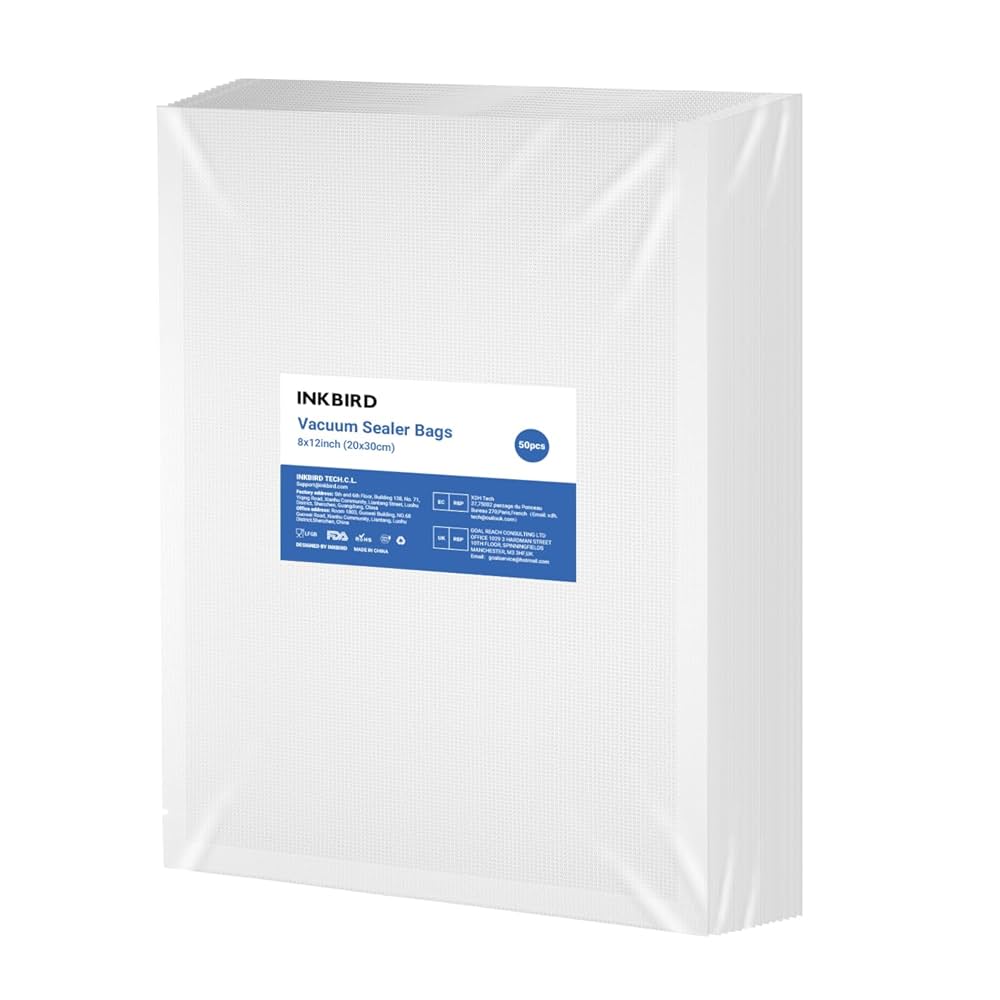
Have you ever wondered if vacuum sealer bags are truly universal? Picture this: you’ve just bought a new vacuum sealer, excited to preserve your favorite foods and keep them fresh longer.
But then, a question pops up in your mind: will any vacuum sealer bag fit your new gadget? You’re not alone in this curiosity, and you’re about to uncover the truth. Imagine the peace of mind you’ll have knowing exactly which bags to choose for seamless preservation.
Keep reading to discover if all vacuum sealer bags are created equal and how to make the right choice for your needs. This knowledge could save you time, money, and prevent unnecessary frustration. Are you ready to delve into the world of vacuum sealer bags and unlock the secrets to perfect food storage?
Vacuum Sealer Bag Types
Understanding the different types of vacuum sealer bags is crucial for getting the best results from your vacuum sealing efforts. Not all bags are created equal, and the right choice depends on what you plan to seal and how often you’ll use your vacuum sealer. Let’s break down the main types to help you decide what fits your needs.
Textured Vs. Smooth Bags
Textured vacuum sealer bags have a distinctive pattern that allows air to be removed more efficiently. This texture creates channels that help the vacuum pull air out faster, leading to a stronger seal.
Smooth bags, on the other hand, lack these channels and are best suited for handheld sealers or simple sealing tasks. They can be less reliable for deep vacuum sealing but often work well for short-term storage.
Think about what you usually seal. Are you storing liquids or delicate items? Textured bags might give you more confidence in preserving freshness.
Commercial Vs. Household Bags
Commercial vacuum sealer bags are designed for heavy-duty use. They tend to be thicker, more durable, and can withstand freezing, boiling, or even sous vide cooking.
Household bags are generally thinner and less expensive, perfect for everyday use but not always ideal for long-term storage or extreme conditions.
If you find yourself vacuum sealing regularly or for professional purposes, investing in commercial-grade bags will save you money and hassle in the long run.
Material Variations
Vacuum sealer bags come in different materials like polyethylene, nylon, and multi-layer laminates. Each offers varying levels of durability, flexibility, and barrier protection.
For example, nylon layers provide excellent puncture resistance, making them great for sharp foods like bones or shellfish. Polyethylene offers flexibility but less protection against oxygen.
Ask yourself: Do you need bags that can handle freezer burn or bags that can be cooked directly? Choosing the right material impacts how well your food stays fresh and safe.

Credit: www.amazon.com
Sealer Machine Varieties
Understanding the different types of vacuum sealer machines can help you decide which vacuum sealer bags will work best for your needs. Not all sealers operate the same way, and knowing their differences can save you from buying incompatible bags. Let’s look at the main varieties of sealer machines and what makes each unique.
Chamber Vacuum Sealers
Chamber vacuum sealers are popular in professional kitchens and for heavy-duty home use. They work by placing the entire bag inside a sealed chamber where air is removed before sealing. This process allows for a strong, uniform seal and works with both dry and moist foods.
One advantage is that chamber sealers can handle thicker bags and larger quantities. If you’ve tried sealing moist items with other sealers and ended up with a mess, chamber sealers might be your solution. Do you often seal soups or marinades? Chamber machines will likely suit you best.
External Vacuum Sealers
External vacuum sealers are the most common type found in households. You place the open end of the bag into the machine, which sucks air out and seals it. These sealers are compact, easy to use, and perfect for dry foods.
However, they struggle with liquid-rich foods because the liquid can be sucked into the machine, causing damage. They usually require special external sealer bags with specific textures to ensure an airtight seal. Do you mainly store solid items like cheese or nuts? External sealers could be a good fit.
Handheld Sealers
Handheld sealers are small, portable devices designed for quick sealing jobs. They don’t remove air like other vacuum sealers but can heat-seal open bags. These devices work best for resealing vacuum bags or other plastic bags after you’ve removed air manually.
While they offer convenience and portability, handheld sealers need compatible flat bags and won’t preserve food as long as full vacuum sealers. If you want a tool for occasional use and easy storage, this type might work for you. Have you ever wished for a quick way to reseal opened snack bags? A handheld sealer could be your answer.
Compatibility Factors
Choosing the right vacuum sealer bag is key for good sealing and food preservation. Compatibility depends on several important factors. These factors ensure the bag fits your machine and works well with your sealing needs. Understanding these points helps avoid wasted bags and poor seals.
Bag Size And Thickness
Vacuum sealer bags come in different sizes and thickness levels. The size must match the vacuum sealer’s capacity. A bag too large or small can cause sealing issues. Thickness affects durability and sealing strength. Thicker bags protect food longer but may need stronger machines.
Sealing Strip Design
The sealing strip is where the vacuum sealer closes the bag. Different brands use unique strip designs and patterns. Bags with a different strip may not seal properly or cause leaks. It’s important to use bags with the correct strip for your machine model.
Material Compatibility
Bags are made from various plastics, such as polyethylene or nylon blends. Some machines require special materials for better air removal and sealing. Using incompatible materials may damage the sealer or reduce vacuum efficiency. Always check the material type recommended by the manufacturer.
Cross-brand Usage
Using vacuum sealer bags across different brands is a question many users face. You might wonder if your vacuum sealer will work perfectly with bags from another brand or if you need to stick to the original. Understanding cross-brand usage helps you save money and avoid frustrating sealing failures.
Using Generic Bags
Generic vacuum sealer bags often come at a lower price and can fit a variety of machines. Many users find that these bags work well with popular vacuum sealers, especially if the size and texture match the original brand’s specs.
However, not every generic bag seals equally. Some may lack the right texture or thickness, causing poor seals or air leaks. Have you ever opened a sealed bag only to find it wasn’t airtight? That’s a common issue when generic bags don’t match the machine’s requirements.
Brand-specific Recommendations
Most vacuum sealer manufacturers suggest using their own branded bags. This advice is based on thorough testing to ensure the best seal and machine compatibility. The bags are designed with specific thickness and materials that match the sealer’s heat settings and suction power.
If you want reliable, consistent results without trial and error, sticking to brand-specific bags is a safe bet. But, if cost is a factor, you might experiment cautiously with cross-brand options.
Potential Risks
Using bags that aren’t designed for your vacuum sealer can cause several problems. You might experience weak seals, bag damage, or even machine malfunctions. In some cases, the sealer’s heating element may not activate properly if the bag’s material differs too much.
Ask yourself: Is the money saved worth the risk of spoiled food or a broken machine? Sometimes, spending a bit more on the right bags prevents costly headaches later.
Testing Bag Compatibility
Testing bag compatibility is key to making sure your vacuum sealer works efficiently and keeps your food fresh. Not all bags fit every machine perfectly, so running some simple tests can save you from frustrating leaks or weak seals. You’ll want to check how well the bag seals, its strength, and if it’s safe for your food type.
Trial Seals
Start by cutting a small piece of the vacuum sealer bag you want to test. Place it in your machine and run a seal without vacuuming first. This helps you see if the bag material melts properly and creates a solid edge.
If the seal looks incomplete or uneven, the bag might not be compatible with your sealer’s heat settings. You can try adjusting the heat level if your machine allows it. If adjustments don’t help, it’s a sign to try a different bag brand or type.
Leak And Seal Strength Checks
Once you’ve sealed the bag, check the strength by gently pulling on the sealed edges. The seal should hold firm without peeling apart. You can also press lightly on the bag to check for air leaks.
Another test is to submerge the sealed bag in water and look for escaping bubbles. Even tiny leaks can let air in, which ruins food preservation. A strong, leak-proof seal keeps food fresh longer and prevents freezer burn.
Food Safety Considerations
Not all vacuum sealer bags are made with food-safe materials. Look for bags labeled BPA-free and FDA-approved to ensure they won’t release harmful chemicals into your food. This is especially important for fatty or acidic foods.
Think about what you’ll store in the bags. Some bags are designed for dry goods only, while others can handle liquids or marinated foods. Using the right bag for your food type protects both your health and your investment in the vacuum sealer.

Credit: www.amazon.com
Tips For Choosing Vacuum Sealer Bags
Choosing the right vacuum sealer bags can make all the difference in preserving your food effectively. Not all bags fit every machine or suit every storage need. Understanding what to look for helps you avoid wasted money and frustration.
Matching Bag And Machine Specs
Check your vacuum sealer’s specifications before buying bags. Some machines require specific bag types or sizes to seal properly. Using the wrong bag can cause poor seals or damage your machine.
Look for bags that mention compatibility with your model or brand. Thickness matters too—thicker bags often seal better and resist punctures, but they might not fit all machines. Have you ever tried using a bag that was too big or too thin? It usually ends in wasted food.
Budget Vs. Quality
It’s tempting to choose the cheapest vacuum sealer bags, but quality varies widely. Low-cost bags might save money upfront but could tear or fail to seal, costing you more in the long run.
Consider how often you use your vacuum sealer. If it’s frequent, invest in high-quality, durable bags. For occasional use, a mid-range option might work fine. What’s your priority—saving money now or protecting your food better?
Storage And Longevity
Think about how long you plan to store your food. Some vacuum sealer bags offer better barrier protection against air and moisture. This is crucial for freezing or long-term storage.
Look for bags labeled as multi-layered or with enhanced oxygen barrier features. These keep food fresher and prevent freezer burn longer. How long do you usually keep vacuum-sealed items before using them?
Troubleshooting Seal Issues
Troubleshooting seal issues in vacuum sealer bags is essential for effective food storage. Poor seals can cause air leaks, reducing freshness. Identifying common problems helps improve sealing results. Below are key areas to check and fix for better seals.
Poor Seals
Poor seals happen when the bag edges are not clean or dry. Moisture or food particles can stop the seal from forming. Make sure the sealing area is free from debris. Press the seal bar firmly for a complete seal. Use bags designed for your vacuum sealer model to avoid fit problems.
Bag Damage
Damaged bags cannot hold vacuum properly. Check bags for holes, wrinkles, or tears before sealing. Avoid overfilling bags to prevent stretching or punctures. Use bags made with durable materials to withstand pressure. Replace any damaged or weak bags immediately to keep food safe.
Machine Maintenance
Keep your vacuum sealer clean for strong seals. Wipe down the seal bar and gasket regularly to remove residue. Inspect the heating element for wear or damage. Replace worn parts to maintain sealing performance. Run a test seal after maintenance to ensure the machine works correctly.

Credit: www.amazon.com
Frequently Asked Questions
Are Vacuum Sealer Bags Compatible With All Machines?
No, vacuum sealer bags are not universally compatible. Each brand may have specific bag sizes and textures. Always check your sealer’s manual to ensure bag compatibility for effective sealing and preservation.
Can I Use Any Vacuum Sealer Bag For Food Storage?
Not all vacuum sealer bags are safe for food. Use bags labeled “food-grade” or “BPA-free” to ensure safe storage. This prevents contamination and keeps food fresh longer.
Do Universal Vacuum Sealer Bags Affect Sealing Quality?
Using non-compatible bags can cause poor sealing or air leaks. Universal bags may work, but specific bags designed for your machine provide the best seal and food preservation.
How To Identify The Best Vacuum Sealer Bags For My Device?
Check your vacuum sealer’s brand and model for recommended bags. Look for bags with the right size, texture, and thickness to guarantee proper sealing and durability.
Conclusion
Vacuum sealer bags are not always universal. Different sealers need specific bags. Using the right bag helps keep food fresh longer. Check your sealer’s instructions before buying bags. Some bags work only with certain machines. Choosing the wrong bag may cause poor sealing.
Always pick bags that fit your vacuum sealer model. This saves money and prevents food waste. Simple steps make sealing easier and more effective. Take time to find the best bags for your needs.