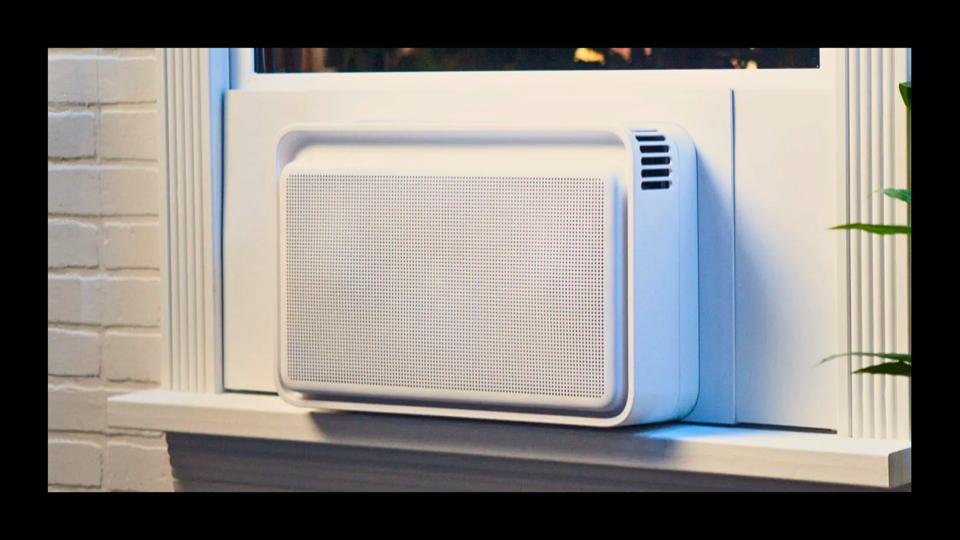
Are you wondering if a window air conditioner is the right choice for keeping your home cool without wasting energy? You want to stay comfortable, but you also want to save money on your electricity bill.
The truth is, not all air conditioners are created equal when it comes to energy efficiency. You’ll discover how window air conditioners perform, what makes them energy efficient, and how you can get the most out of yours. By the end, you’ll know exactly if a window AC is the smart, cost-effective solution for your cooling needs.
Keep reading to find out!

Credit: thefurnaceoutlet.com
How Window Acs Work
Window air conditioners cool a room by moving heat from inside to outside. They use a compressorand refrigerantto absorb heat from indoor air. The warm air passes over cold coils inside the unit.
The heat is then released outside through the back of the unit. A fan helps push cool air into the room. Another fan blows hot air out the back.
- Air from the room is pulled in.
- Heat is taken out by refrigerant.
- Cool air is sent back inside.
- Heat is pushed outside.
This process uses electricity to run the compressor and fans. Window ACs cool quickly but only one room at a time. They are simple and easy to install in a window space.
Energy Efficiency Basics
Energy efficiencymeans using less power to cool a room. Window air conditioners use electricity to cool air. Some models use less energythan others. The Energy Star labelshows which units save more electricity.
Energy efficiency depends on:
- Size of the room
- Power of the unit
- How well the unit is maintained
- Outside temperature
Choosing the right size helps save energy. Too big or too small units waste power. Regular cleaning of filters keeps the unit working well. This reduces electricity use and keeps air clean.
Comparing Window Acs To Other Cooling Options
Central air conditioningcools entire homes efficiently but uses more energy. It needs ducts that can waste energy if not sealed well. Installation and maintenance costs are higher than window ACs.
Portable AC unitsare easy to move and install. They cool small spaces but often use more energy than window units. They can be noisy and less effective in large rooms.
Split AC systemshave an indoor and outdoor unit. They are more energy-efficient than window ACs for bigger spaces. Installation is costlier and needs professional help.
| Cooling Option | Energy Use | Cost | Space Cooled | Installation |
|---|---|---|---|---|
| Window AC | Moderate | Low | Small to medium rooms | Easy |
| Central AC | High | High | Whole house | Complex |
| Portable AC | High | Low to moderate | Small rooms | Easy |
| Split AC | Low to moderate | Moderate to high | Medium to large rooms | Professional |
Factors Affecting Window Ac Efficiency
Size and capacityimpact how well a window AC cools a room. A unit too small won’t cool properly. Too large wastes energy by cycling on and off. Choose a size that fits your room’s square footage.
Installation qualityaffects efficiency a lot. Poor installation can cause air leaks or block airflow. The AC must fit snugly and be sealed well to keep cool air inside and hot air out.
Maintenance practiceskeep the AC running smoothly. Clean or replace filters often. Dirt and dust reduce airflow and make the unit work harder. Regular checks prevent small problems from becoming big issues.
Energy Ratings And Certifications
SEER(Seasonal Energy Efficiency Ratio) and EER(Energy Efficiency Ratio) are key ratings for window air conditioners. SEER shows efficiency over a cooling season. EER measures energy use at a specific temperature. Higher numbers mean better energy efficiency.
The Energy Star labelis important. It shows the unit meets strict energy-saving rules. Energy Star units use less power and save money on bills. Choosing these models helps reduce environmental impact.
| Rating | Meaning | What It Shows |
|---|---|---|
| SEER | Seasonal Energy Efficiency Ratio | Efficiency over a cooling season |
| EER | Energy Efficiency Ratio | Efficiency at a specific temperature |
| Energy Star | Certification Label | Meets energy-saving standards |

Credit: www.amazon.ca
Tips To Maximize Window Ac Efficiency
Place the window AC where sunlight does not hit directly. This helps the unit work better and uses less power. Avoid spots with dust or dirt to keep air clean.
Clean the filters and coils often. Dirty parts reduce coolingand use more energy. Washing filters every two weeks is best. Wipe the outside vents to stop dust build-up.
- Set timers to turn the AC off when not needed.
- Use thermostats to keep a steady, cool temperature.
- Avoid very low settings; this saves energy.
Common Myths About Window Acs
Many people think window air conditioners use too much energy. This is not always true. Window ACs can be energy efficientif used correctly. They cool small spaces well and need less power than big central systems.
Some believe window ACs are noisy. Modern models are much quieter than before. Another myth says window ACs only cool the room near the unit. Actually, air moves around and cools the whole room.
People worry about window ACs wasting electricity if the windows are open. But the unit only cools the air inside. Open windows let hot air in, making the AC work harder.

Credit: www.theelectriciansco.com
Cost Vs. Energy Savings
Window air conditionersusually cost less upfront than central AC units. They are easy to install and require less space. However, their energy efficiency varies by model and size. Smaller units use less power but may not cool large rooms well.
Energy savings depend on usage and insulation. Running a window unit only in needed rooms can save money on electricity bills. Energy-efficient models have an Energy Star rating, which helps reduce energy use.
| Factor | Impact on Cost | Impact on Energy Savings |
|---|---|---|
| Unit Size | Smaller units cost less | Use less power, good for small rooms |
| Energy Star Rating | May cost more upfront | Lower energy bills |
| Usage | Longer use increases cost | Use only when needed saves energy |
Frequently Asked Questions
How Energy Efficient Are Window Air Conditioners?
Window air conditioners are generally energy efficient, especially newer models. They often include Energy Star ratings, which signify higher efficiency. These units can cool specific areas, reducing overall energy consumption compared to central systems. Regular maintenance, such as cleaning filters, also enhances efficiency.
Always check the Energy Efficiency Ratio (EER) for better performance.
Do Window Ac Units Increase Electricity Bills?
Window AC units can increase electricity bills, but they are usually cost-effective. They cool specific areas, which can save energy compared to whole-house systems. To minimize costs, choose an energy-efficient model and maintain it properly. Adjusting the thermostat and using timers can also help manage energy usage effectively.
Are Newer Window Ac Models More Efficient?
Yes, newer window AC models are more energy efficient. They incorporate advanced technologies and improved designs. Many have Energy Star ratings, ensuring reduced energy consumption. These models often include programmable settings, which optimize performance. Investing in a newer model can lead to significant energy savings over time.
How Can I Improve A Window Ac’s Efficiency?
To improve a window AC’s efficiency, clean or replace filters regularly. Ensure proper installation without air leaks. Use weather stripping around the unit for better insulation. Set the thermostat wisely and use programmable settings. Regular maintenance and choosing an Energy Star-rated model can also enhance efficiency.
Conclusion
Window air conditioners can save energy when used correctly. They cool small spaces efficiently and cost less to run. Regular cleaning and proper installation improve their performance. Choosing the right size unit helps avoid wasting energy. Simple habits, like closing curtains, reduce cooling needs.
These units offer a practical option for many homes. Energy efficiency depends on use and maintenance. Smart choices lead to lower bills and less energy waste. Consider your space and habits before buying one. Small steps make a big difference in energy use.