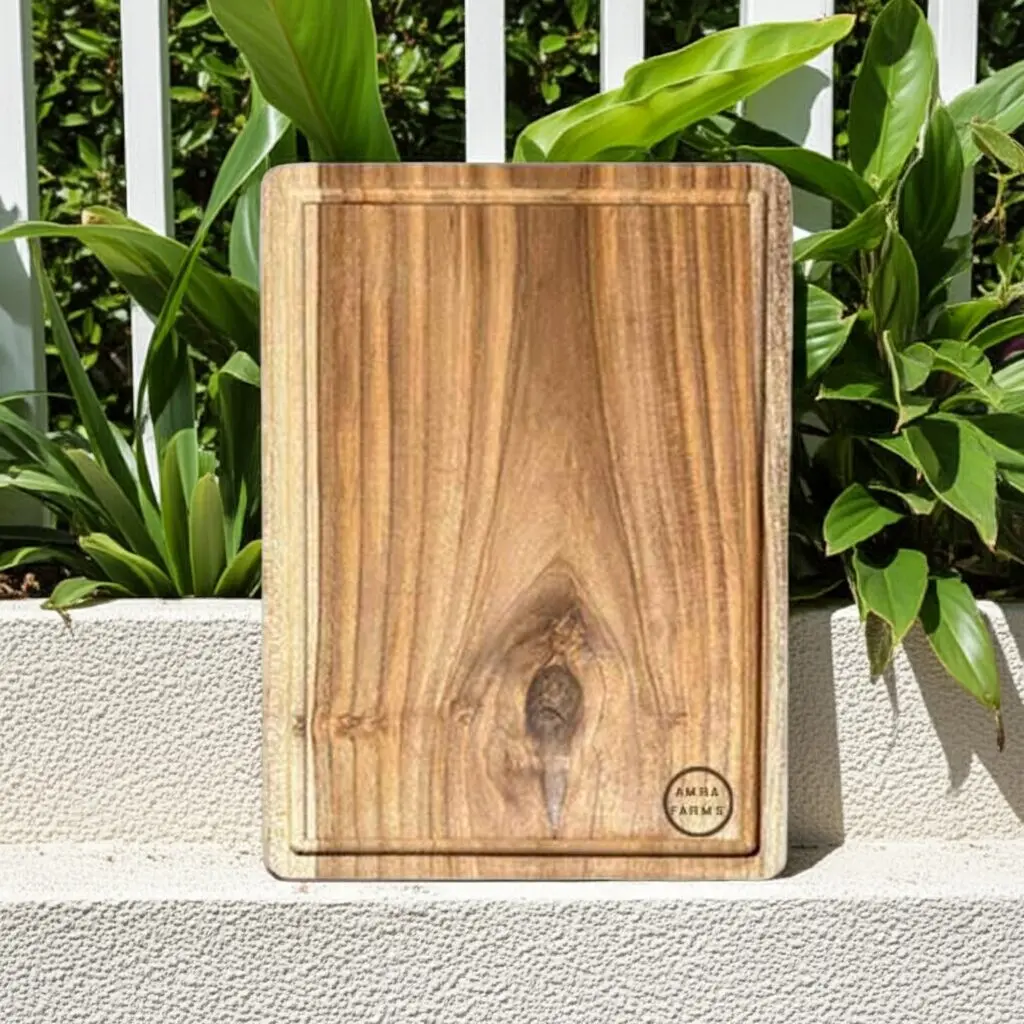
Have you ever wondered if your wood cutting board is actually helping keep your kitchen clean, or if it might be hiding germs? You use it every day to prepare your meals, so knowing if wood has natural antimicrobial properties can make a big difference for your health and safety.
You’ll discover surprising facts about wood cutting boards and how they compare to other materials. Understanding this can help you make smarter choices for your kitchen and protect your family from harmful bacteria. Keep reading to find out the truth about wood cutting boards and their ability to fight germs.

Credit: www.youtube.com
Wood Cutting Boards And Bacteria
Wood cutting boards are common in many kitchens. People wonder if wood stops or spreads bacteria.
This article looks at how bacteria live on wood boards. It also explains if wood is antimicrobial.
Why Bacteria Thrive On Surfaces
Bacteria grow well on surfaces that have food bits and moisture. Cutting boards often have both.
Rough or cracked surfaces hold more bacteria. Wood boards can have tiny cracks that trap germs.
- Food residue feeds bacteria
- Moisture helps bacteria stay alive
- Cracks and cuts protect bacteria from cleaning
Common Bacteria Found On Cutting Boards
Many types of bacteria can grow on cutting boards. Some can cause food illness if not cleaned well.
Here are some common bacteria found on cutting boards:
- Salmonella:Causes stomach sickness from raw meat and eggs
- Escherichia coli (E. coli):Found in raw beef and can cause diarrhea
- Listeria:Grows on cold foods and can be harmful for pregnant women
- Campylobacter:Comes from raw poultry and causes food poisoning
Natural Antimicrobial Properties Of Wood
Wood has natural properties that help stop bacteria from growing. This makes wood a good choice for cutting boards.
Scientists have found that wood can reduce bacteria better than some plastic surfaces.
How Wood Inhibits Bacterial Growth
Wood contains natural oils and chemicals that kill or slow bacteria. These substances work against harmful germs.
The wood’s porous surface traps bacteria and dries them out. Bacteria need moisture to survive, so they die quickly.
- Wood releases natural antimicrobial compounds
- Its surface absorbs and traps bacteria
- Drying bacteria stops their growth
Types Of Wood With Antimicrobial Qualities
Some woods have stronger antimicrobial effects. These woods are better at fighting bacteria on cutting boards.
Hardwoods like maple and bamboo are popular for cutting boards. They have natural chemicals that reduce germs.
- Maple: Common hardwood with good antimicrobial properties
- Bamboo: Fast-growing grass with natural antibacterial effects
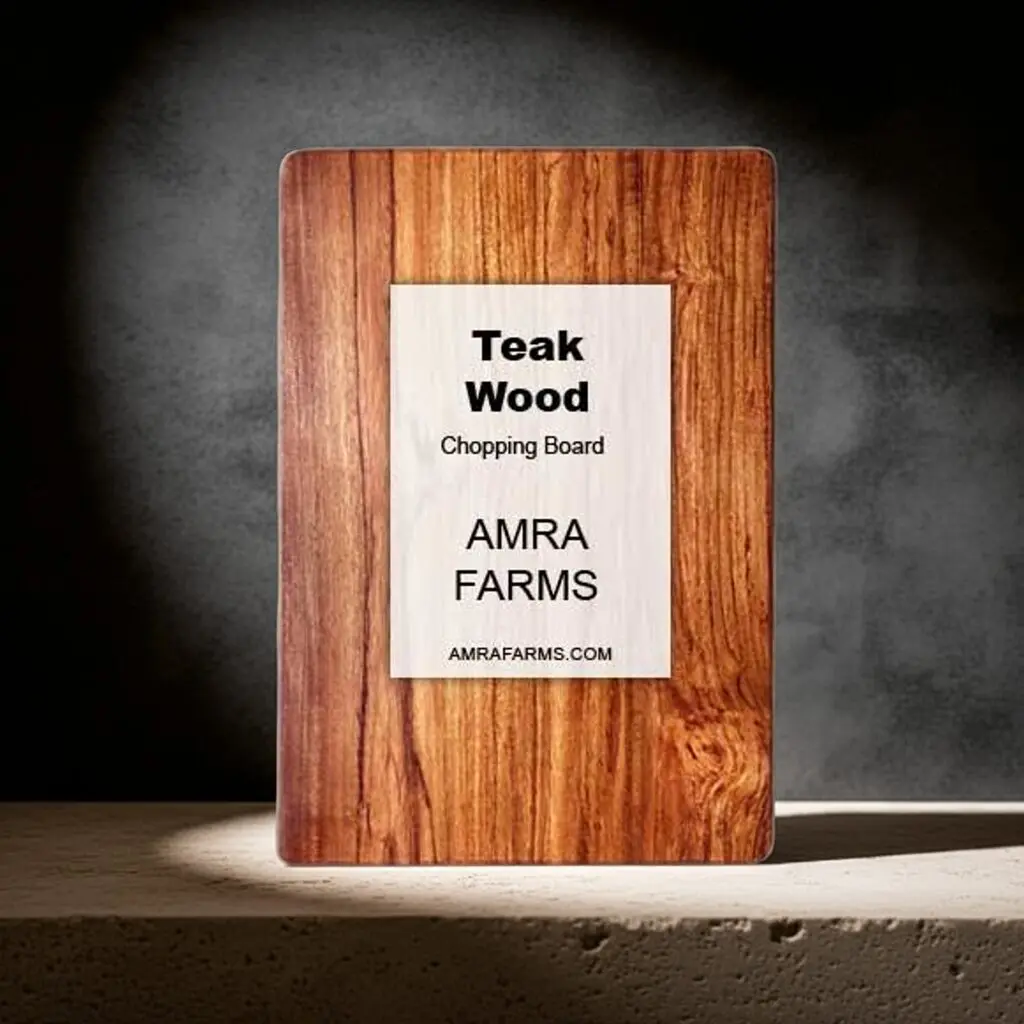
- Teak: Contains oils that resist bacteria and water
- Walnut: Dense wood with natural compounds that fight germs
Comparing Wood To Plastic Cutting Boards
Choosing the right cutting board is important for kitchen safety. Wood and plastic are the two most common options.
This article looks at how wood and plastic boards handle bacteria and cleaning.
Bacteria Retention On Different Materials
Wood has natural properties that can reduce bacteria growth. Some woods have oils that help kill germs.
Plastic boards can develop cuts and grooves where bacteria hide. Over time, these can be hard to clean.
- Wood can absorb moisture but may trap fewer bacteria inside.
- Plastic is non-porous but can hold bacteria in scratches.
- Studies show wood boards can be as safe as plastic when cleaned well.
Cleaning And Maintenance Differences
Wood boards need gentle cleaning with soap and water. They should never soak in water or go in the dishwasher.
Plastic boards are dishwasher safe and easier to sanitize with heat. They also dry faster than wood.
- Wood requires regular oiling to prevent cracking and warping.
- Plastic boards may need replacing if heavily scored.
- Both boards need thorough drying to stop bacteria growth.

Credit: x.com
Scientific Studies On Wood’s Antimicrobial Effects
Wood cutting boards are common in kitchens worldwide. People wonder if wood can kill harmful germs. Scientists studied wood’s ability to fight bacteria.
Research shows wood may reduce bacteria better than plastic. This happens because of wood’s natural properties. Below are key findings from scientific studies.
Key Research Findings
Many studies find wood has natural antimicrobial effects. Wood can absorb and trap bacteria inside its structure. This limits bacteria growth and survival.
- Some wood types release compounds that kill bacteria.
- Wood surfaces dry quickly, which stops bacteria from growing.
- Bacteria like Salmonella and E. coli die faster on wood than on plastic.
- Wood’s porous surface helps trap and remove bacteria when cleaned.
These results suggest wood cutting boards can be safer than once thought. Proper cleaning still matters to keep wood boards hygienic.
Limitations Of Current Studies
Most studies are done in labs, not real kitchens. Lab tests may not show how wood works in everyday use. More real-world research is needed.
Studies differ in wood type, bacteria tested, and cleaning methods. This makes it hard to compare results. Not all wood types may have the same effects.
- Lab settings do not always reflect kitchen conditions.
- Different wood species can vary in antimicrobial power.
- Cleaning routines affect bacteria survival on wood.
- Long-term use effects on wood’s antimicrobial ability are unclear.
Proper Care To Keep Wood Boards Safe
Wood cutting boards can be safe and clean if you take good care of them. Proper cleaning and handling prevent bacteria from growing on the surface.
Good habits keep your wood boards safe for food preparation. Learn easy ways to clean and avoid contamination.
Cleaning Techniques
Always wash your wood board right after use. Use hot, soapy water and a scrub brush to remove food particles and germs.
- Rinse the board with warm water first.
- Apply dish soap and scrub both sides well.
- Rinse thoroughly to remove soap.
- Dry the board with a clean towel or air dry standing up.
- Do not soak wood boards in water to avoid warping.
Avoiding Cross-contamination
Cross-contamination happens when germs move from one food to another. Use different boards or clean them well between uses.
| Type of Food | Recommended Board Use |
| Raw Meat | Separate board only for raw meat |
| Vegetables | Clean board or different board for veggies |
| Cooked Food | Use a clean board to avoid germs |
Credit: choppingboards.in
When To Replace Your Wood Cutting Board
Wood cutting boards are popular for their durability and natural look. Over time, they can wear out and become less safe to use. Knowing when to replace your board helps keep your kitchen clean and healthy.
This guide explains signs of wear and damage to watch for. It also covers health risks from using old wood boards.
Signs Of Wear And Damage
Wood cutting boards get scratched and cracked with use. These damages can hide bacteria and make cleaning hard. Watch for these signs that your board needs replacing:
- Deep grooves or cuts that are hard to clean
- Cracks where pieces of wood separate
- Warping or bending of the board
- Discoloration or stains that don’t wash out
- Strong or unpleasant odors
Health Risks Of Old Boards
Old wood cutting boards can harbor harmful bacteria. These germs grow in cracks and scratches. Using a worn board can cause food contamination and illness.
| Risk | Description |
| Bacterial Growth | Bacteria like Salmonella and E.coli hide in damaged wood. |
| Cross-Contamination | Old boards can transfer germs from raw meat to other foods. |
| Food Poisoning | Eating contaminated food may cause stomach pain, vomiting, or diarrhea. |
| Allergic Reactions | Mold and mildew on old boards can trigger allergies. |
Frequently Asked Questions
Are Wood Cutting Boards Naturally Antimicrobial?
Yes, wood cutting boards have natural antimicrobial properties. The porous surface can absorb and trap bacteria, which eventually die off. This makes them safer than plastic boards, which can harbor bacteria in knife grooves. Regular cleaning and proper maintenance enhance their antimicrobial effectiveness.
How Do Wood Cutting Boards Kill Bacteria?
Wood cutting boards kill bacteria by absorbing them into the wood’s porous surface. The bacteria are trapped and eventually die due to lack of nutrients and moisture. This natural process reduces bacterial growth, making wood boards a safer option for food preparation.
Is Wood Safer Than Plastic For Cutting Boards?
Yes, wood is often safer than plastic for cutting boards. Wood’s natural antimicrobial properties help reduce bacterial growth. Plastic boards can harbor bacteria in knife cuts, which are harder to clean. Regular cleaning and maintenance are essential for both types to ensure food safety.
How Should I Clean A Wood Cutting Board?
Clean a wood cutting board by washing it with hot, soapy water after use. Rinse thoroughly and dry with a clean towel. For deep cleaning, use a mixture of salt and lemon. Avoid soaking in water to prevent warping. Regular oiling maintains the board’s condition.
Conclusion
Wood cutting boards can naturally resist some bacteria. Their wood fibers help trap and kill germs over time. Regular cleaning keeps them safe and fresh. Avoid soaking wood boards in water for long periods. Choosing wood boards offers durability and a natural way to reduce microbes.
They last long and stay cleaner than many expect. Proper care makes wood boards a smart kitchen choice. Clean, dry, and maintain for the best results. Safe food prep starts with the right board. Simple steps keep your kitchen healthy and tidy.