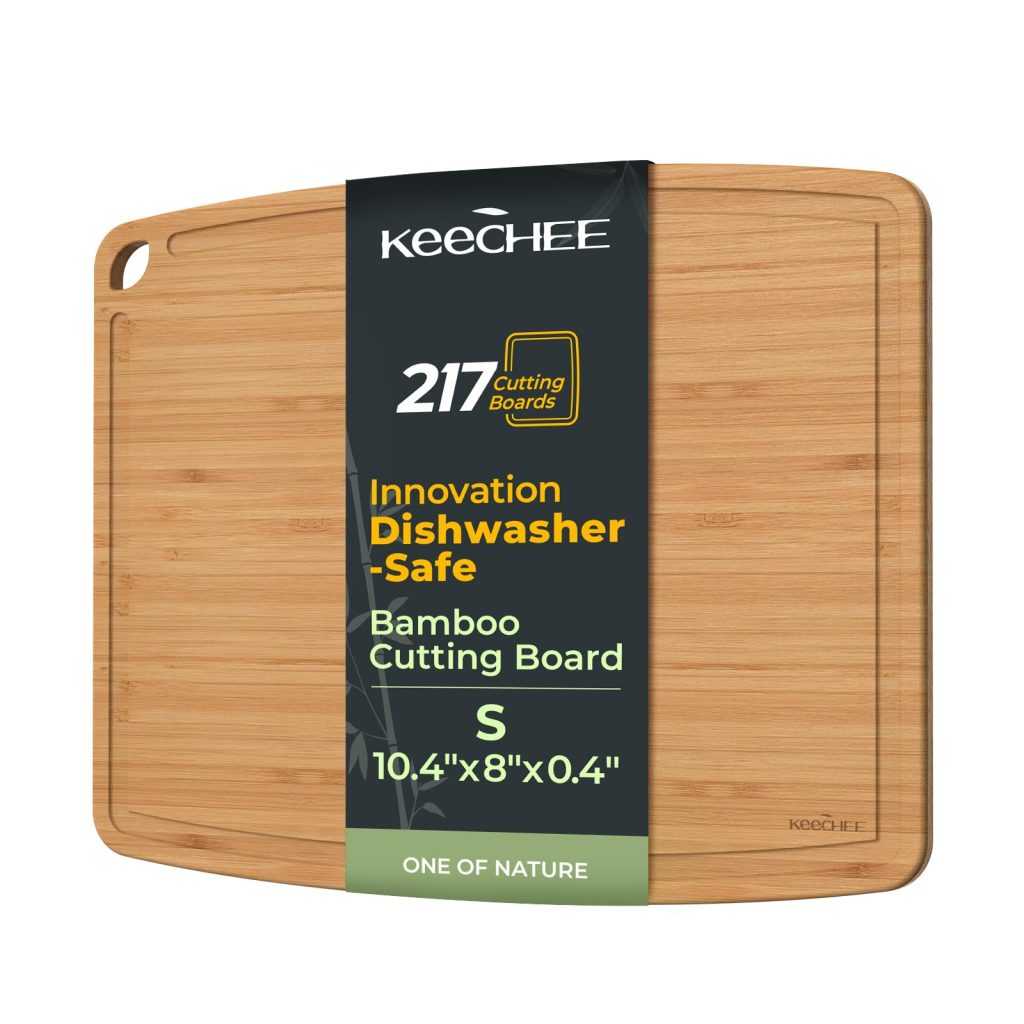
Are you wondering if your wood cutting board can safely go in the dishwasher? You’re not alone.
Many people struggle with this question because wood is a natural material that needs care. Using the dishwasher might seem like a quick and easy way to clean, but could it damage your board? You’ll discover the truth about wood cutting boards and dishwashers.
By the end, you’ll know exactly how to keep your board clean and lasting longer. Keep reading to protect your kitchen tool and make your life easier.
Wood Cutting Boards And Dishwashers
Wood cutting boards are popular in many kitchens. They look nice and feel natural to use.
People often ask if wood boards are safe to clean in dishwashers. This is an important question to keep boards in good shape.
Material Sensitivity To Heat And Water
Wood is sensitive to heat and water. High heat can dry out the wood and cause cracks.
Long exposure to water can make wood swell and warp. This damages the board and shortens its life.
- Dishwashers use hot water and steam.
- Heat can shrink and crack wood fibers.
- Water can soak into the wood and cause warping.
Common Myths About Dishwasher Safety
Many believe wood boards are dishwasher safe. This is not true for most types of wood boards.
Some think dishwashers clean wood better. But the heat and water can harm the board’s surface and structure.
- Dishwashers do not damage all cutting boards equally.
- Plastic boards handle dishwashers better than wood.
- Hand washing is usually safer for wood boards.

Credit: www.amazon.ca
Risks Of Using A Dishwasher
Wood cutting boards are popular in many kitchens. People often wonder if they can clean them in a dishwasher. Using a dishwasher may seem easy, but it can cause problems for wood boards.
This section explains the risks of putting wood cutting boards in a dishwasher. It covers warping, loss of oils, and bacteria issues.
Warping And Cracking Issues
Wood changes shape when exposed to heat and water. The dishwasher uses hot water and strong sprays. These can make the wood swell and then dry too fast. The result is warping or cracking. Once a board warps, it may not lie flat anymore. Cracks can trap food and dirt.
Loss Of Natural Oils
Wood cutting boards have natural oils. These oils keep the wood strong and waterproof. The dishwasher’s heat and detergent strip these oils away. Without oils, the wood becomes dry and weak. Dry wood can break easier and look worn out.
- Natural oils protect wood fibers
- Dishwasher removes these oils quickly
- Oiled wood resists water and stains better
- Loss of oils leads to cracks and damage
Bacterial Growth Concerns
People think dishwashers kill all bacteria. But wood can trap moisture inside cracks. This wet environment helps bacteria grow. Also, dishwashers may not clean the board deeply. The heat can dry the surface but not inside the wood. This means bacteria can stay alive and multiply.
| Risk | Cause | Effect |
| Warping | Heat and water in dishwasher | Board bends or twists |
| Cracking | Rapid drying and heat | Wood splits open |
| Oil loss | Detergents and heat | Dry, weak wood |
| Bacteria | Trapped moisture and cracks | Growth inside wood |
Proper Cleaning Techniques
Wood cutting boards need careful cleaning to stay safe and last long.
Using the right methods helps prevent damage and keeps the board free from germs.
Hand Washing Best Practices
Always wash wood cutting boards by hand. Avoid soaking them in water for a long time.
Use warm water and clean the board right after use to stop stains and smells.
Using Mild Soaps And Scrubbing Tools
Choose mild dish soap to clean your wood board. Harsh soaps can dry out the wood.
- Use a soft sponge or cloth for scrubbing.
- A brush with gentle bristles can remove stuck food.
- Avoid steel wool or rough scrubbers that can scratch the surface.
Sanitizing Without Damage
| Sanitizing Method | How to Use | Effect on Wood |
| White Vinegar | Spray or wipe, then rinse | Safe and natural |
| Hydrogen Peroxide | Apply and let sit for minutes | Effective but use sparingly |
| Bleach Solution | Dilute well, wipe quickly, rinse | Can harm wood if overused |
Credit: www.walmart.com
Maintaining Wood Cutting Boards
Wood cutting boards need care to last long and stay safe. Cleaning alone is not enough.
Proper maintenance keeps the board smooth and protects it from damage.
Regular Oiling And Conditioning
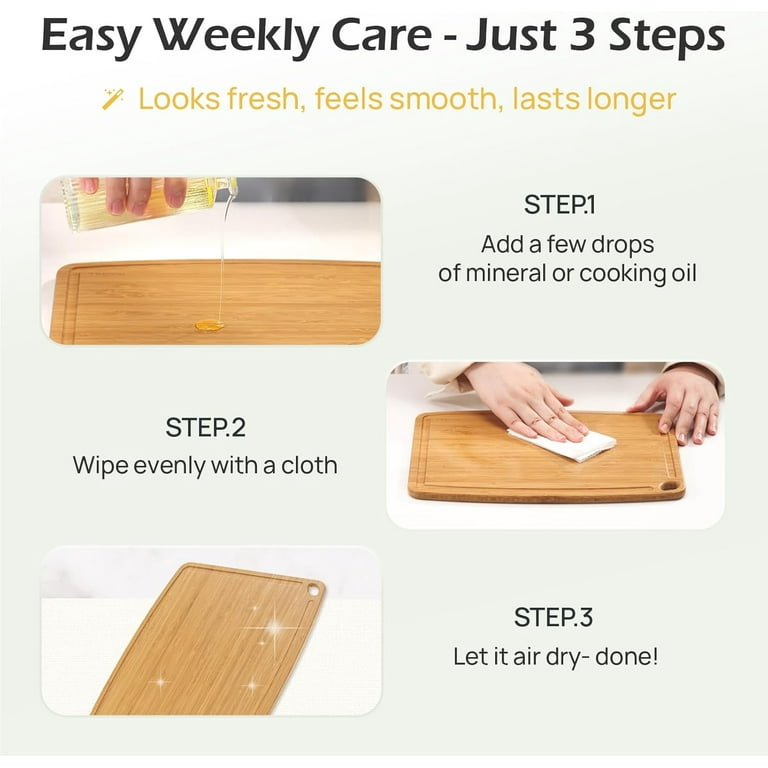
Oiling your wood board stops it from drying and cracking. Use mineral oil or a special wood conditioner.
- Apply oil evenly across the board’s surface.
- Let the oil soak in for a few hours or overnight.
- Wipe off any extra oil with a clean cloth.
- Repeat this every month or when the board looks dry.
Removing Stains And Odors
Stains and smells can build up on wood boards. Simple home ingredients can help clean them.
| Method | How to Use |
| Lemon and Salt | Rub cut lemon with salt on the board, then rinse. |
| Baking Soda Paste | Mix baking soda with water, scrub, then rinse well. |
| White Vinegar | Wipe board with vinegar to kill bacteria and remove odor. |
Sanding For Smooth Surfaces
If your board feels rough or has knife marks, sanding can help. Use fine-grit sandpaper.
Follow these steps for sanding your wood board:
- Clean and dry the board completely.
- Sand gently along the grain until smooth.
- Remove dust with a damp cloth.
- Apply oil to protect the wood.
Alternative Safe Cleaning Methods
Wood cutting boards are not dishwasher safe. The heat and water can crack and warp the wood. You can clean them safely with natural solutions.
These methods kill germs and remove stains without damaging the board. They are simple and use items you already have at home.
Vinegar And Baking Soda Solutions
White vinegar is a natural disinfectant. Baking soda helps scrub the surface and remove odors. Together, they clean wood boards well.
Sprinkle baking soda on the board, then spray vinegar. Let it bubble for a few minutes. Scrub with a brush or cloth, then rinse with warm water.
- Sprinkle baking soda evenly over the board
- Spray or pour white vinegar onto the baking soda
- Wait 3 to 5 minutes for bubbling action
- Scrub gently with a brush or sponge
- Rinse with warm water and dry well
Lemon And Salt Treatments
Lemon juice kills bacteria and freshens smells. Salt acts as a scrub to remove stains and dirt. Use them together for a natural clean.
Cut a lemon in half and sprinkle salt on the board. Rub the lemon over the salt to scrub the surface. Let it sit for a few minutes before rinsing.
- Sprinkle coarse salt on the cutting board
- Use a lemon half to scrub the salt into the board
- Let the mixture sit for 5 minutes
- Rinse with warm water and dry completely
Choosing The Right Wood Board
Wood cutting boards are popular for their look and feel. Choosing the right wood board affects how long it lasts and how easy it is to clean.
Not all wood boards handle washing the same way. Some woods resist water and damage better than others.
Types Of Wood And Durability
Hardwoods like maple, walnut, and teak are common for cutting boards. They resist cuts and water damage well.
- Maple:Dense and durable, resists knife marks.
- Walnut:Strong with a smooth surface, resists moisture.
- Teak:Contains natural oils, very water-resistant.
- Bamboo:Hard but more brittle, can crack over time.
Soft woods like pine are less durable and can absorb water quickly. They are not ideal for heavy kitchen use.
Boards Designed For Easy Maintenance
Some wood boards are made to be easier to clean and maintain. They may have a smoother finish or special wood types.
| Feature | Description |
| Sealed Surface | Helps block water and stains, easier to wipe clean. |
| End Grain | Cuts go between the wood fibers, less damage, easier to sand. |
| Natural Oils | Some woods like teak have oils that repel water naturally. |
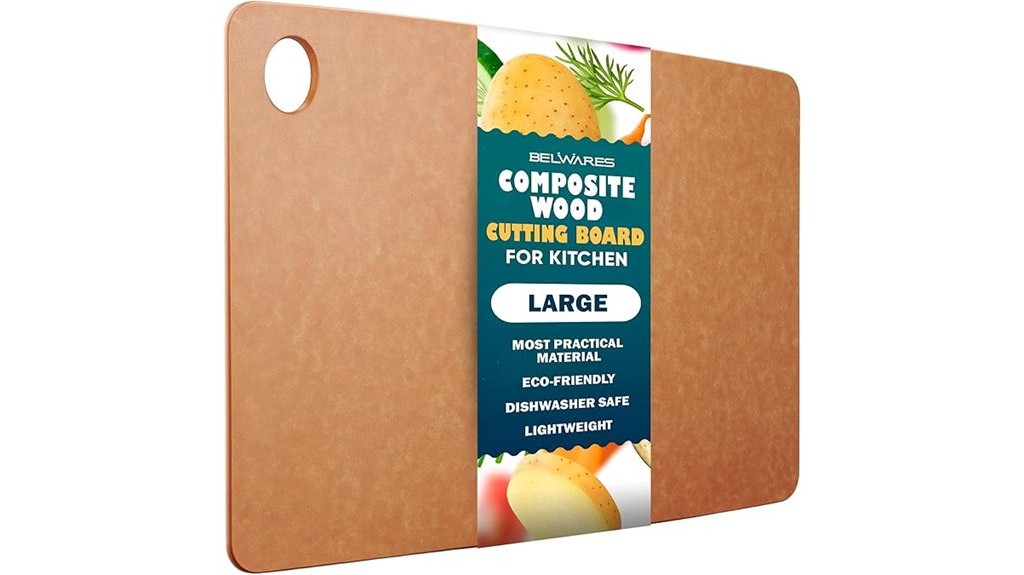
| Dishwasher Safe | Most wood boards are NOT dishwasher safe due to warping. |
Credit: www.greenwashingindex.com
Frequently Asked Questions
Can Wood Cutting Boards Go In The Dishwasher?
No, wood cutting boards should not go in the dishwasher. The high heat and water can warp and damage them. Hand wash with mild soap and water instead.
What Happens If You Dishwash Wood Boards?
Dishwashing wood boards can cause them to crack and warp. The intense heat and moisture can ruin the board’s integrity, making it unsafe for use.
How To Clean Wood Cutting Boards Safely?
Clean wood cutting boards by washing them with warm, soapy water and a soft sponge. Dry thoroughly with a towel to prevent moisture damage.
Can Dishwasher Detergent Damage Wood Boards?
Yes, dishwasher detergent is too harsh for wood boards. It can strip away natural oils, leaving the board dry and brittle.
Conclusion
Wood cutting boards usually do not do well in dishwashers. The heat and water can cause them to crack or warp. Hand washing with mild soap keeps them safe and lasting longer. Dry them quickly to stop bacteria and damage.
Using the right care helps your wood board stay strong and clean. Choose hand washing for a board that lasts and looks good. Simple care makes a big difference in wood cutting boards.