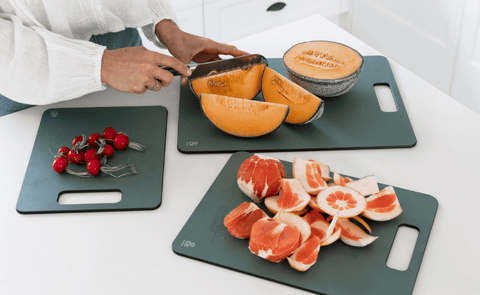
Are you wondering if wood fiber cutting boards are safe to use in your kitchen? With so many options available, it’s easy to feel confused about which cutting boards protect your health and keep your food clean.
You want a board that lasts, won’t harbor bacteria, and feels good to use every day. This article will clear up the mystery and give you the facts you need to make the best choice for your home. Keep reading to discover how wood fiber cutting boards measure up—and why they might be the perfect addition to your kitchen tools.

Credit: www.amazon.ca
What Are Wood Fiber Cutting Boards
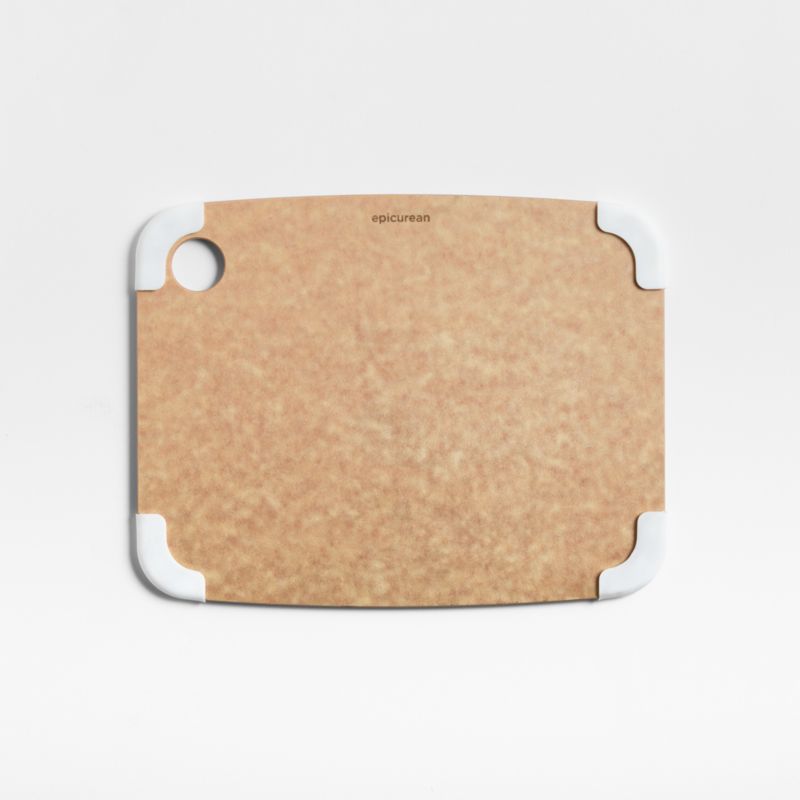
Wood fiber cutting boards are kitchen tools made from compressed wood fibers. These fibers are bonded with resin to form a solid surface. They offer a natural look similar to wooden boards but are often lighter and less porous.
These boards come in various sizes and thicknesses. They are used for chopping, slicing, and preparing food. Their design aims to balance durability and safety for kitchen use.
Materials Used In Wood Fiber Cutting Boards
Wood fiber cutting boards are mainly made from wood pulp or wood chips. These materials are combined with non-toxic adhesives or resins. The mixture is pressed under heat to create a dense board.
- Wood pulp or wood chips
- Food-safe resins or adhesives
- Natural fibers for strength
- Sometimes mineral additives for durability
Appearance And Texture
Wood fiber boards look like real wood but have a smoother finish. Their surface feels firm and less grainy. This texture helps reduce knife marks and keeps the board looking new longer.
Benefits Of Using Wood Fiber Cutting Boards
| Benefit | Description |
| Durability | Resists cuts and scratches better than soft wood |
| Lightweight | Easier to handle than heavy wooden boards |
| Easy Maintenance | Can be cleaned with mild soap and water |
| Eco-Friendly | Made from natural wood byproducts |
Common Uses In The Kitchen
Wood fiber cutting boards are good for daily food prep. They work well for cutting fruits, vegetables, and cooked meats. Their smooth surface is gentle on knives, helping to keep blades sharp.
Safety Concerns With Cutting Boards
Cutting boards are essential kitchen tools. Their safety affects food hygiene and health.
Wood fiber cutting boards are popular but come with safety questions. Let’s explore key concerns.
Bacterial Contamination Risks
Wood fiber boards can absorb moisture and food juices. This creates spots where bacteria grow.
- Cracks and cuts on the board trap bacteria.
- Improper cleaning can leave germs behind.
- Cross-contamination occurs if boards are used for raw meat and vegetables.
- Regular sanitizing is needed to reduce risks.
Durability And Wear
Wood fiber boards wear down over time. Cuts and grooves become harder to clean.
| Wear Factor | Impact on Safety |
| Surface Cuts | Bacteria hide in grooves |
| Warping | Leads to uneven cutting surface |
| Cracking | Can cause splinters and contamination |
| Regular Sanding | Restores smooth surface but wears board thin |
Benefits Of Wood Fiber Boards
Wood fiber cutting boards are popular in many kitchens. They offer a natural feel and strong build.
These boards blend wood fibers with resins. This makes them durable and easy to use.
Environmental Impact
Wood fiber boards use recycled wood fibers. This helps reduce waste and saves trees.
They are often made with eco-friendly resins. This lowers harmful chemicals in the environment.
- Uses recycled wood materials
- Reduces plastic waste
- Biodegradable or recyclable options
Maintenance And Longevity
Wood fiber boards are easy to clean. Use mild soap and warm water for best care.
They resist cracking and warping. This means they last longer than some plastic boards.
- Simple cleaning with soap and water
- Does not absorb water easily
- Stays strong after repeated use
Knife Friendliness
Wood fiber boards are gentle on knives. They help keep blades sharp for longer.
The surface offers good grip. It prevents knives from slipping, making cutting safer.
- Soft enough to protect knife edges
- Offers stable cutting surface
- Reduces blade dullness over time
Comparing Wood Fiber To Other Materials
Wood fiber cutting boards are a popular choice in many kitchens. They offer a natural look and feel. It is important to know how safe they are compared to other materials.
This comparison covers plastic alternatives, traditional wooden boards, and glass or bamboo options. Each material has its pros and cons for safety and use.
Plastic Alternatives
Plastic cutting boards are common and easy to clean. They do not absorb water or bacteria as wood fiber boards do. But some plastics can get deep cuts that hold germs.
Wood fiber boards resist deep cuts better than plastic. They also break down naturally over time. Plastic boards last longer but may wear out and trap bacteria.
- Plastic is dishwasher safe and non-porous
- Wood fiber is more eco-friendly and biodegradable
- Plastic can develop deep grooves that trap bacteria
- Wood fiber is harder to sanitize if damaged
Traditional Wooden Boards
Traditional wooden boards are made from solid wood like maple or walnut. They are durable and gentle on knives. Wood fiber boards are made from compressed wood fibers and resin.
Wood fiber boards are often lighter and more uniform. Traditional wood can absorb moisture and bacteria if not cared for well. Wood fiber is less porous but may wear faster.
- Traditional wood is natural and knife-friendly
- Wood fiber boards resist water better
- Wood fiber is lighter and more consistent
- Both need regular cleaning and drying
Glass And Bamboo Options
Glass boards are very easy to clean and do not absorb bacteria. They can dull knives quickly and may break if dropped. Bamboo boards are strong and eco-friendly like wood fiber.
Bamboo is harder than some woods but still gentle on knives. Wood fiber boards fall between bamboo and traditional wood in hardness. Both bamboo and wood fiber need care to avoid cracking.
- Glass is hygienic but hard on knives
- Bamboo is eco-friendly and durable
- Wood fiber is lighter and less brittle
- All need cleaning and drying after use
Expert Opinions And Studies
Wood fiber cutting boards are popular for their natural look and feel. Many wonder if they are safe for daily kitchen use. Experts and studies give useful insights about their safety.
This article shares findings from research and views of chefs and health specialists. It helps you understand if wood fiber boards keep food safe.
Research Findings
Scientific studies show wood fiber cutting boards have good safety when cleaned properly. Wood fibers can trap bacteria but also kill some types over time.
- Wood fibers absorb moisture, which can reduce bacteria survival.
- Cleaning with hot water and soap removes most germs.
- Regular oiling helps keep boards in good condition.
- Wood fiber boards show less bacterial growth than plastic in some tests.
Chef And Health Specialist Views
Chefs prefer wood fiber boards for their durability and knife safety. Health specialists advise cleaning well and replacing boards with deep cuts.
| Expert Type | Opinion |
| Chef | Wood fiber boards offer good grip and protect knives. |
| Health Specialist | Proper cleaning prevents bacteria buildup. |
| Food Safety Expert | Replace boards when cracks or deep cuts appear. |
Credit: www.crateandbarrel.ca
Best Practices For Safe Use
Wood fiber cutting boards are popular for their durability and natural look. Using them safely means keeping them clean and storing them right.
Proper care helps prevent bacteria growth and keeps your board in good shape for years.
Cleaning And Sanitizing
Cleaning wood fiber cutting boards after each use removes food particles and stops bacteria from growing.
- Wash the board with warm water and mild soap.
- Use a soft brush or sponge to scrub the surface gently.
- Rinse well to remove all soap residue.
- Dry the board completely with a clean towel.
- Sanitize occasionally with a vinegar solution or diluted bleach.
- Avoid soaking the board in water to prevent warping or cracking.
Proper Storage
Storing your wood fiber cutting board correctly keeps it dry and free from damage.
| Storage Method | Benefits | Tips |
| Upright position | Keeps board dry and air circulates well | Use a rack or stand to hold the board |
| Flat on a dry surface | Prevents warping if fully dry | Place on a clean, dry towel |
| Avoid closed containers | Stops mold and mildew growth | Store in open areas with airflow |
Choosing The Right Cutting Board
Wood fiber cutting boards are popular in many kitchens. They are made from compressed wood fibers and resin.
People often ask if these boards are safe to use for food. It is important to choose the right cutting board for health and durability.
Factors To Consider
Think about the material, ease of cleaning, and how it handles moisture. Wood fiber boards are usually more gentle on knives.
Check if the board is non-toxic and food safe. Look for boards that resist bacteria and are easy to wash.
- Material quality and safety certifications
- Resistance to water and warping
- Non-porous surface to avoid bacteria
- Easy to clean and maintain
- Durability and knife friendliness
Top Brands To Explore
Some brands focus on safe and eco-friendly wood fiber cutting boards. They offer products tested for food safety.
These brands provide boards that are sturdy and easy to clean. They also have good customer reviews for quality.
- Epicurean – Known for sustainable wood fiber boards
- BambooMN – Offers natural and durable options
- Totally Bamboo – Specializes in eco-friendly cutting boards
- John Boos – Trusted for quality craftsmanship

Credit: www.amazon.com
Frequently Asked Questions
Are Wood Fiber Cutting Boards Safe For Food Preparation?
Yes, wood fiber cutting boards are safe for food prep. They are made from natural fibers and non-toxic binders. Proper cleaning and drying prevent bacterial growth, ensuring hygiene.
How Durable Are Wood Fiber Cutting Boards?
Wood fiber cutting boards are durable and resistant to cracking. They withstand regular knife use and moisture well, lasting longer than some plastic boards.
Can Wood Fiber Cutting Boards Resist Bacteria Growth?
Wood fiber boards naturally resist bacteria due to their dense surface. Regular washing and drying keep them hygienic and safe for food use.
Are Wood Fiber Cutting Boards Eco-friendly?
Yes, wood fiber cutting boards are eco-friendly. They use renewable materials and are biodegradable, reducing environmental impact compared to plastic alternatives.
Conclusion
Wood fiber cutting boards offer a safe option for your kitchen. They resist bacteria and last well with proper care. Cleaning them after each use keeps them hygienic. Avoid soaking them in water to prevent damage. Their natural materials make them eco-friendly and gentle on knives.
Choosing the right board helps protect your health and cooking tools. Wood fiber boards combine safety, durability, and convenience. They fit well into everyday kitchen use. Simple care makes a big difference. Consider wood fiber boards for a reliable cutting surface.