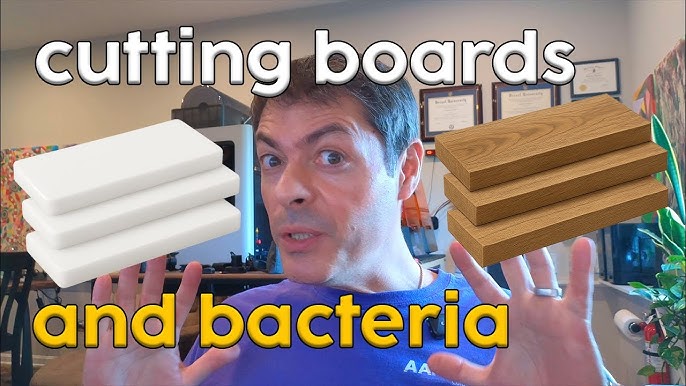
When it comes to keeping your kitchen clean and safe, you might wonder if your wooden cutting board is helping or harming you. Are wooden cutting boards truly antimicrobial, or could they be hiding harmful bacteria?
You probably want to know if choosing wood over plastic really makes a difference for your health and food safety. You’ll discover surprising facts about how wooden cutting boards work against germs and what that means for your everyday cooking.
Keep reading to find out if your trusted wooden board is a friend or foe in your kitchen.

Credit: x.com
Wooden Cutting Boards And Bacteria
Wooden cutting boards are popular in many kitchens. People worry about bacteria on them.
This article explains how bacteria interact with wood. It also lists common bacteria found on cutting boards.
How Bacteria Interact With Wood
Wood has tiny pores that can hold moisture and bacteria. But wood also has natural properties that fight bacteria.
Some bacteria get trapped in the wood and die over time. The wood’s natural oils can stop bacteria from growing.
- Wood absorbs moisture, drying bacteria out
- Natural oils in wood reduce bacteria growth
- Bacteria trapped inside wood often die
- Wood’s surface can self-heal small cuts
Common Bacteria Found On Cutting Boards
Bacteria can live on cutting boards if not cleaned well. Some bacteria can cause food poisoning.
| Bacteria | Sources | Risks |
|---|---|---|
| Salmonella | Raw meat, poultry | Stomach pain, diarrhea |
| Escherichia coli (E. coli) | Raw beef, contaminated food | Severe stomach cramps, diarrhea |
| Campylobacter | Raw chicken, unpasteurized milk | Fever, diarrhea |
| Staphylococcus aureus | Human skin, food handlers | Food poisoning, nausea |

Credit: www.woodcuttingboardstore.com
Antimicrobial Properties Of Wood
Wooden cutting boards are common in many kitchens. People often ask if wood can stop germs. Some woods have natural features that fight bacteria.
Understanding these properties helps us use wooden boards safely. Let’s look at what makes wood antimicrobial.
Natural Compounds In Wood
Wood contains natural chemicals that help stop bacteria from growing. These include tannins, phenols, and essential oils. These compounds can kill or slow down microbes.
- Tannins: Found in many hardwoods, they break down bacterial cells.
- Phenols: These act as natural disinfectants on the wood surface.
- Essential Oils: Some woods have oils that repel microbes and insects.
Scientific Studies On Wood’s Antimicrobial Effects
Scientists have tested wood to see how well it fights germs. Results show wood can reduce bacteria more than plastic in some cases. This is due to its natural compounds and porous structure.
| Study | Wood Type | Result |
| University of Wisconsin | Maple | Reduced bacteria by 99% after 24 hours |
| University of Copenhagen | Beech | Bacteria declined faster than on plastic |
| Swiss Federal Institute | Oak | Showed natural antibacterial effects |
Comparing Wood To Plastic And Other Materials
Wooden cutting boards are popular in many kitchens. People also use plastic and other materials for cutting boards.
Each material has different effects on cleanliness and durability. It is important to know how they compare.
Bacterial Growth On Plastic Boards
Plastic boards can develop deep cuts from knives. These cuts can trap bacteria inside.
Plastic does not have natural properties to fight bacteria. Bacteria can grow quickly on scratched plastic surfaces.
- Plastic boards often need thorough cleaning after each use.
- They can be washed in dishwashers at high temperatures.
- Scratched plastic boards should be replaced to avoid bacteria build-up.
Durability And Maintenance Differences
Wooden boards last a long time if cared for properly. They need regular oiling to stay in good shape.
Plastic boards are easier to clean but can wear out faster. Other materials like bamboo or glass have their own pros and cons.
- Wood boards are strong but need hand washing and drying.
- Plastic boards can go in dishwashers but may crack over time.
- Bamboo boards are hard and resist bacteria but can be brittle.
- Glass boards are easy to clean but can dull knives quickly.
Proper Care For Wooden Cutting Boards
Wooden cutting boards can last a long time if you care for them well. Proper cleaning and maintenance keep them safe and useful.
Good care also helps prevent germs and keeps your kitchen healthy. Learn how to clean, oil, and avoid cross-contamination.
Cleaning Techniques
Wash wooden cutting boards with warm soapy water after use. Do not soak them in water because wood can crack or warp.
Dry the board quickly with a clean towel and let it air dry standing up. This stops moisture from causing damage or mold.
- Use a scrub brush or sponge to clean grooves
- Rinse well to remove soap
- Sanitize with vinegar or diluted bleach if needed
Oiling And Maintenance Tips
Apply food-safe mineral oil to your wooden board every few weeks. This keeps the wood from drying out and cracking.
Rub the oil into the board using a soft cloth. Let it soak in, then wipe off any extra oil to avoid a sticky surface.
- Use mineral oil, beeswax, or special cutting board oil
- Oil boards more often in dry climates
- Sand rough spots lightly to smooth the surface
Avoiding Cross-contamination
Use separate wooden boards for raw meat and vegetables. This stops bacteria from spreading between foods.
Clean boards well after cutting raw foods. Store boards in a dry place to keep them safe and clean.
- Label boards for different food types
- Clean and dry boards immediately after use
- Replace boards if deep cuts or cracks appear
Myths And Facts About Wooden Boards
Wooden cutting boards have been used in kitchens for a long time. Some people worry if they are safe to use. There are many ideas about whether wood is clean or not.
We will look at common myths and facts about wooden cutting boards. This will help you understand if wood is a good choice for cutting food.
Common Misconceptions
Many believe wooden boards hold more germs than plastic ones. They think wood is hard to clean and can cause sickness. Some say wood absorbs juices and bacteria.
Others say wooden boards are not safe for raw meat or fish. People think wood stains and smells bad after use. These ideas make some avoid wooden boards.
- Wooden boards are hard to clean
- Wood traps bacteria inside
- Wood smells bad after cutting
- Wood boards are unsafe for raw meat
Expert Opinions
Scientists say wood has natural properties that fight germs. Some types of wood can kill bacteria on their surface. Wood also dries fast, making it hard for germs to grow.
Experts recommend cleaning wood boards with hot water and soap. They also suggest drying them well after washing. Regular maintenance keeps wooden boards safe and clean.
- Wood has natural antimicrobial effects
- Cleaning with soap removes germs
- Drying stops bacteria from growing
- Wood boards can be safe for all foods
Credit: x.com
Frequently Asked Questions
Are Wooden Cutting Boards Naturally Antimicrobial?
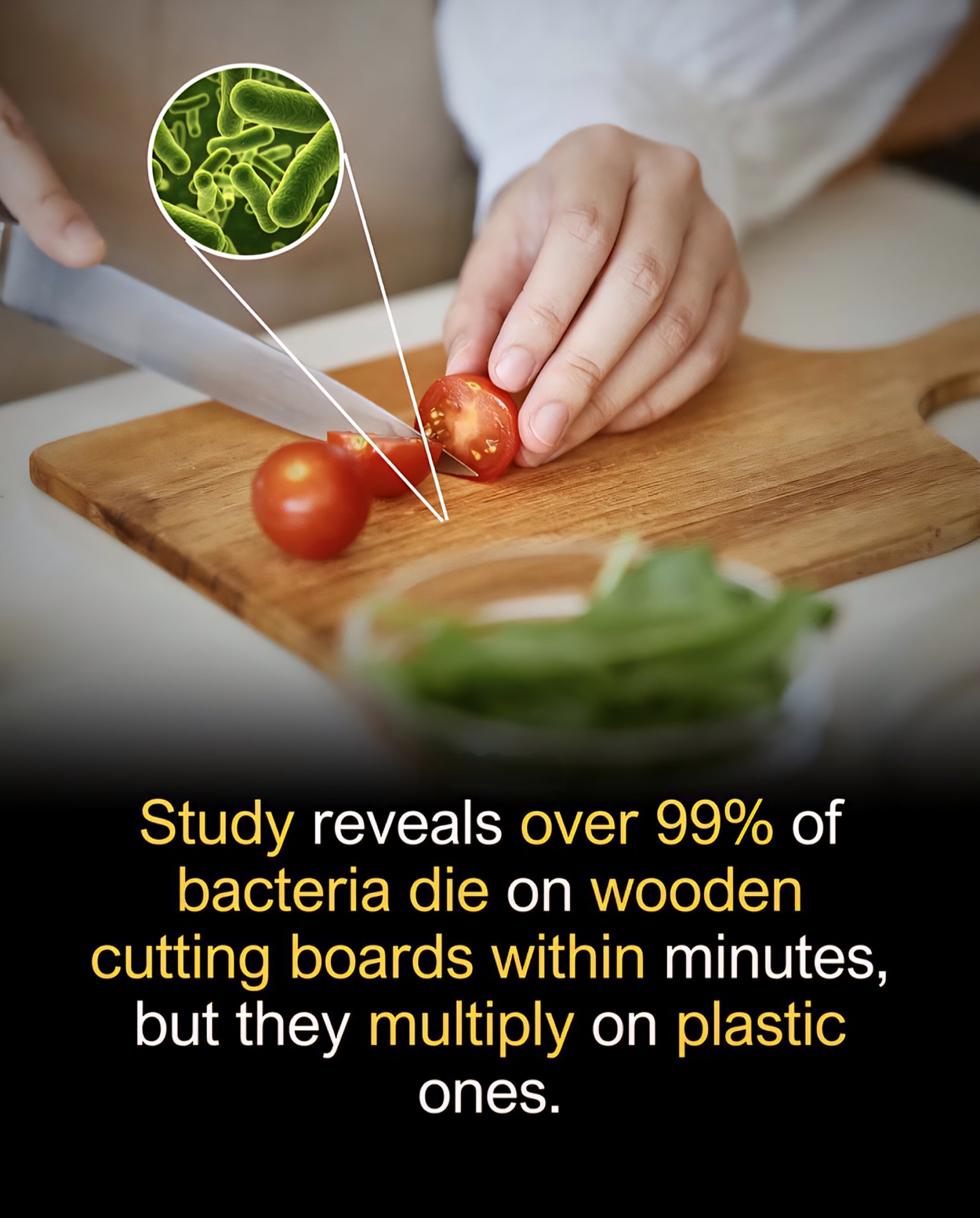
Yes, wooden cutting boards have natural antimicrobial properties. The porous nature of wood absorbs and traps bacteria, preventing growth. Studies show that bacteria die off more quickly on wood than plastic. However, regular cleaning and maintenance are essential to ensure hygiene and safety in the kitchen.
How To Clean Wooden Cutting Boards Effectively?
Clean wooden cutting boards with hot, soapy water after each use. Rinse thoroughly and dry immediately to prevent warping. Disinfect with a solution of white vinegar or hydrogen peroxide. Occasionally, sprinkle coarse salt and scrub with a lemon to remove stains and odors.
Regular oiling helps maintain the board’s condition.
Do Wooden Cutting Boards Harbor Bacteria?
Wooden cutting boards can harbor bacteria if not cleaned properly. However, they naturally inhibit bacterial growth. The porous surface absorbs bacteria, but they die off quickly. Regular cleaning, drying, and oiling help maintain their antimicrobial properties. Replace severely damaged boards to ensure optimal hygiene in your kitchen.
Are Wooden Cutting Boards Better Than Plastic?
Wooden cutting boards are often considered better due to their natural antimicrobial properties. They are gentler on knife edges and have a longer lifespan when maintained properly. Plastic boards can harbor more bacteria in knife grooves. However, both types require regular cleaning for optimal hygiene.
Conclusion
Wooden cutting boards can resist some bacteria naturally. They dry quickly, making it hard for germs to stay. Proper cleaning keeps them safe and healthy to use. Avoid soaking wood in water to stop damage and bacteria growth. Regular oiling helps maintain the board’s surface and hygiene.
Choosing wood means caring for your kitchen tools well. Clean boards help protect your food from harmful germs. Wooden boards offer a practical and safe option for cooking. They combine nature’s strength with simple care steps.