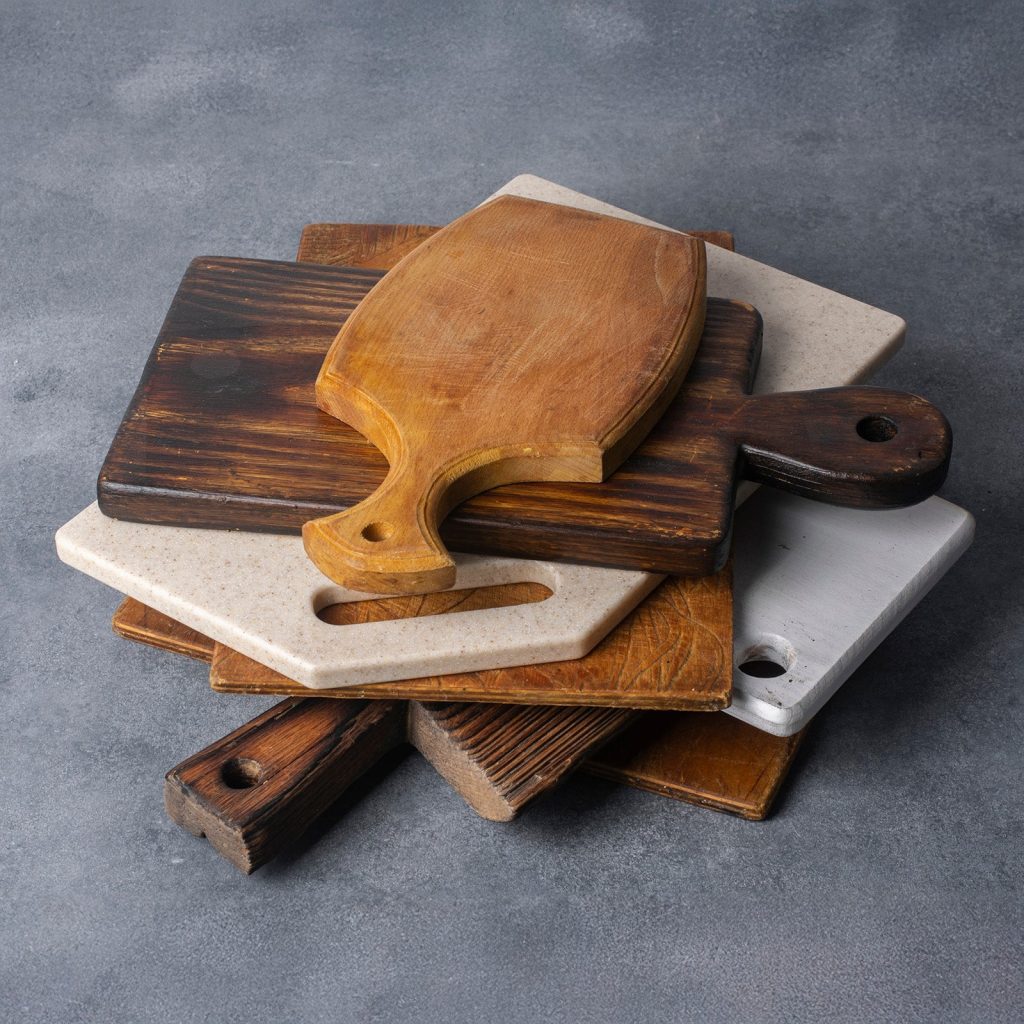
Are wooden cutting boards really safe to use in your kitchen? If you’ve ever wondered whether they can harbor germs or if they’re easy to clean, you’re not alone.
You want to protect your family from harmful bacteria, but you also want a cutting board that lasts and feels good to use. You’ll discover the truth about wooden cutting boards, how to keep them safe, and why they might be the best choice for your cooking space.
Keep reading to find out what every home chef should know before choosing their next cutting board.
Wooden Cutting Boards And Safety
Wooden cutting boards have been used in kitchens for many years. People often ask if they are safe to use. This guide explains the safety of wooden cutting boards.
We will look at their natural antibacterial properties and address common concerns and myths about using them.
Natural Antibacterial Properties
Wood has natural qualities that help reduce bacteria. Some types of wood release substances that fight germs. This makes wooden boards safer for food preparation.
- Wood fibers can trap and kill bacteria inside the board.
- Wood absorbs moisture, which helps reduce bacteria growth.
- Certain woods like maple and bamboo are known for these properties.
- Cleaning wooden boards properly keeps them safe and hygienic.
Common Concerns And Myths
Many people worry that wooden boards are hard to clean or can cause illness. Some myths have made people avoid them. Here is a table to clear up these concerns.
| Concern or Myth | Fact |
| Wooden boards soak up bacteria and keep them inside | Wood traps bacteria but also kills many of them over time. |
| Wooden boards are harder to clean than plastic | Cleaning with hot water and soap works well for wood. |
| Wooden boards cause more cross-contamination | Using separate boards for meat and vegetables helps prevent this. |
| Wood boards need special care all the time | Regular cleaning and oiling keep wooden boards in good shape. |

Credit: tsukushi-japan.com
Comparing Wood To Other Materials
Choosing the right cutting board affects food safety and kitchen care. Different materials offer various benefits and challenges. This guide looks at how wood compares to other common options.
Wooden boards have been used for years. New materials like plastic, bamboo, and composites also claim safety and durability. Understanding their differences helps you pick the best board.
Plastic Vs. Wood
Plastic boards are popular for their low cost and dishwasher-safe nature. They resist stains and do not absorb moisture. Wood boards, made from maple or walnut, absorb juices and can self-heal small cuts.
- Plastic boards are less porous, making bacteria less likely to hide.
- Wood boards naturally kill some bacteria due to tannins.
- Plastic boards may get deep cuts faster, which can trap germs.
- Wood boards require hand washing and regular oiling to stay in good shape.
- Plastic boards are easier to sanitize with hot water and bleach.
Bamboo And Composite Boards
Bamboo is a type of grass, not wood, but looks similar. It is harder and more water-resistant than many woods. Composite boards combine wood fibers and resin to create a durable surface.
| Material | Water Resistance | Durability | Maintenance |
| Wood | Moderate | Good | Oiling and hand wash |
| Bamboo | High | Very Good | Hand wash, occasional oil |
| Composite | High | Very Good | Dishwasher safe |
Maintaining Hygiene With Wooden Boards
Wooden cutting boards are popular in many kitchens. They are sturdy and gentle on knives. Keeping them clean is key to safe food preparation.
Wood can hold moisture, which may lead to bacteria growth. Proper care helps keep wooden boards safe for use.
Proper Cleaning Techniques
Wash wooden boards right after use. Use hot water and mild soap. Avoid soaking boards in water for a long time.
Dry the board completely before storing. Air dry or wipe with a clean towel. This stops bacteria from growing.
- Use a scrub brush or sponge for cleaning
- Rinse well to remove soap
- Do not put wooden boards in a dishwasher
- Use vinegar or lemon to remove odors
Avoiding Cross-contamination
Use separate boards for raw meat and vegetables. This prevents harmful bacteria from spreading. Label or color-code boards to keep them separate.
Clean boards thoroughly after cutting raw foods. Use hot soapy water and dry well. This reduces risks of cross-contamination.
- Keep one board for raw meat
- Use another board for fruits and vegetables
- Clean boards after each use
- Store boards separately
When To Replace Your Board
Replace wooden boards if they have deep cracks or grooves. These can hide bacteria and are hard to clean. Worn boards may also split or warp.
Check your board often. If it smells bad or looks damaged, it is time to get a new one. Using a good board keeps your food safe.
- Replace boards with deep cuts or cracks
- Change boards that warp or split
- Discard boards with persistent bad smells
Credit: www.justwoodencuttingboard.com
Expert Tips For Longevity
Wooden cutting boards are a popular kitchen tool. They look nice and last a long time. To keep them safe and strong, proper care is needed.
Simple habits can protect wooden boards from damage. This guide covers key tips on oiling and storing your board.
Oiling And Conditioning
Oiling your wooden board keeps it from drying out and cracking. Use food-safe oils like mineral oil or beeswax-based conditioners.
- Apply oil evenly with a clean cloth.
- Let the oil soak in for several hours or overnight.
- Wipe off any extra oil before use.
- Oil your board once a month or more if used often.
- Avoid using vegetable or olive oils; they can go rancid.
Storage Best Practices
Proper storage stops your wooden board from warping or growing mold. Keep it dry and well ventilated.
| Storage Tip | Reason |
| Store upright | Allows air to circulate and dry the board |
| Keep away from heat | Prevents warping or cracking |
| Do not soak in water | Water can cause swelling and damage |
| Dry thoroughly after washing | Stops mold and bacteria growth |

Credit: www.amazon.com
Frequently Asked Questions
Are Wooden Cutting Boards Hygienic?
Yes, wooden cutting boards are hygienic when properly maintained. Wood has natural antibacterial properties, making it safe for food preparation. Regular cleaning with hot soapy water and occasional vinegar rinses keep them hygienic. Unlike plastic, wood doesn’t easily retain deep knife grooves, reducing bacteria hiding spots.
How Do I Clean A Wooden Cutting Board?
Clean a wooden cutting board with hot soapy water after each use. Dry it thoroughly to prevent warping. Occasionally, sanitize with a vinegar solution or mild bleach. Avoid submerging in water or using a dishwasher, as this can damage the wood.
Regular oiling helps maintain the board’s condition.
Do Wooden Cutting Boards Dull Knives?
Wooden cutting boards are gentle on knives and help maintain their sharpness. Unlike harder surfaces like glass or stone, wood is less abrasive. This reduces the wear and tear on knife edges. Regularly oiling the board also helps keep the surface smooth, further protecting your knives.
Are Wooden Boards Better Than Plastic?
Wooden boards are often considered better than plastic for food safety. Wood’s natural antibacterial properties help inhibit bacterial growth. Plastic boards can develop deep knife grooves that harbor bacteria. Additionally, wooden boards are more durable and environmentally friendly compared to plastic alternatives.
Conclusion
Wooden cutting boards can be safe with proper care. Clean them well after each use. Dry them completely to stop bacteria growth. Avoid deep cuts that trap food particles. Use separate boards for raw meat and vegetables. Regular oiling keeps wood strong and smooth.
Choose quality wood for better durability. With simple steps, wooden boards stay safe and last long. They offer a natural and sturdy option in your kitchen. Safe food prep starts with the right board and good habits.