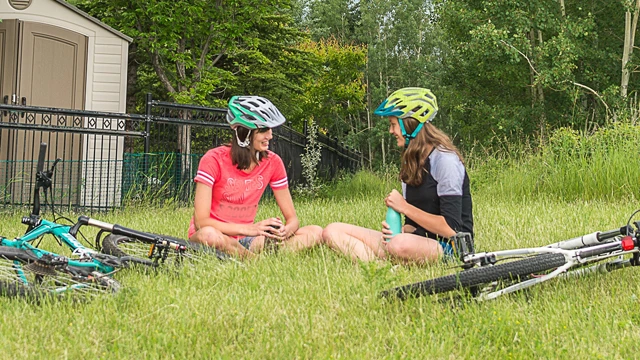
Are you really required to wear a helmet when you ride your bike? It’s a question many riders ask but don’t always get a clear answer to.
Whether you’re a casual cyclist or someone who rides every day, understanding the helmet laws can make a big difference in your safety and how you enjoy your ride. You’ll discover exactly when and where helmet use is mandatory, why it matters, and what could happen if you don’t follow the rules.
Keep reading to make sure you’re fully informed before your next bike trip.
Helmet Laws By Region
Wearing a helmet while riding a bike helps protect your head. Many places have laws about helmet use. These laws change depending on the region.
Understanding helmet rules where you live or travel is important. This guide covers rules from different regions worldwide.
United States Regulations
Helmet laws in the United States vary by state. Some states require helmets for all riders. Others only require helmets for riders under a certain age.
Many states recommend wearing helmets even if the law does not require it. Laws often focus on safety for children and teens.
- States like California and New York require helmets for all ages.
- Some states require helmets only for riders under 18.
- Few states have no helmet laws, but safety is still advised.
European Helmet Rules
Most European countries have strict helmet laws for motorbike riders. Many require helmets for all ages on public roads. Some countries also have rules for bicycle riders.
Helmets must meet safety standards set by the European Union or local authorities. Enforcement is usually strong with fines for non-compliance.
- Helmets are mandatory for motorcyclists in countries like Germany and France.
- Some countries require helmets for cyclists, especially children.
- Safety certification is important for all helmets sold.
Laws In Asia And Australia
In Asia, helmet laws vary widely. Some countries require helmets for all riders. Others have weaker enforcement or only age-based rules.
Australia has strict helmet laws for both motorbike and bicycle riders. Helmets must meet national safety standards and be worn at all times.
- Countries like Japan and South Korea require helmets for motorbike riders.
- Australia enforces helmet use for all bike riders with heavy fines.
- Some Asian countries have patchy helmet laws and enforcement.
Variations In Developing Countries
Helmet laws in developing countries can be inconsistent. Some have laws but weak enforcement. Others may not have helmet rules at all.
Many developing countries focus on educating the public about helmet safety. Infrastructure and traffic conditions also affect helmet use.
- Some countries require helmets only for motorbikes, not bicycles.
- Enforcement can be low due to limited resources.
- Public awareness campaigns aim to increase helmet use.
Credit: www.york.ca
Types Of Bike Helmets
Wearing a helmet is important for safety while riding a bike. Different helmets fit different types of biking activities. It is good to know which helmet suits your ride.
Each helmet type offers special features for comfort and protection. Understanding these can help you pick the right helmet.
Road Bike Helmets
Road bike helmets are light and well-ventilated. They help keep your head cool on long rides.
These helmets focus on aerodynamics to reduce wind resistance. They often have many vents and a sleek shape.
- Lightweight design
- Many air vents
- Aerodynamic shape
- Good for speed and long rides
Mountain Bike Helmets
Mountain bike helmets offer extra protection for rough trails. They cover more of the back and sides of your head.
These helmets usually have a visor to block sun and rain. They also have fewer vents to protect from branches and dirt.
- Extended rear coverage
- Built-in visor
- Strong shell for rough terrain
- Less ventilation for protection
Commuter And Urban Helmets
Commuter helmets focus on comfort and visibility. They often have reflective elements for safety in traffic.
These helmets may have fewer vents than road helmets. They provide good protection for city riding.
- Comfort fit for daily use
- Reflective strips or lights
- Moderate ventilation
- Simple design for city safety
Specialized Helmets
Specialized helmets include models for BMX, racing, and electric bikes. They meet specific safety needs for each activity.
Some have extra features like full face coverage or built-in communication devices.
- Full-face helmets for BMX and downhill
- Lightweight helmets for racing
- Helmets with tech for e-bikes
- Designed for special bike uses
Benefits Of Wearing A Helmet
Wearing a helmet while riding a bike is very important. It helps protect your head in many ways.
Helmets make biking safer and reduce the chance of serious injuries.
Reducing Head Injury Risks
Helmets protect your head during falls or crashes. They absorb the force of impact.
This lowers the chance of brain injuries and skull fractures. Wearing a helmet can save your life.
Impact On Accident Survival Rates
People who wear helmets survive accidents more often than those who do not. Helmets reduce the severity of injuries.
Emergency responders can treat helmeted riders faster and more effectively.
Protection From Weather Elements
Helmets shield your head from sun, rain, and wind. This keeps you comfortable on long rides.
Some helmets have vents to keep air flowing. They also protect your eyes from debris.
Enhancing Rider Visibility
Many helmets come with bright colors or reflective parts. This helps other drivers see you better.
Better visibility lowers the chance of accidents. Wearing a helmet improves your safety on the road.

Credit: www.supportchildrenscolorado.org
Common Myths About Helmets
Many people have wrong ideas about wearing helmets on bikes. These myths can stop riders from using helmets.
It is important to know the facts to stay safe and make smart choices while riding.
Helmets And Comfort Concerns
Some riders think helmets are too hot or heavy. They believe helmets cause discomfort during rides.
Modern helmets are made with lightweight materials. They have vents for good airflow and keep you cool.
Effect On Hearing And Vision
People say helmets block sounds or reduce sight while riding. This is not true for most helmets.
Helmets are designed to keep your hearing and vision clear. They do not stop you from noticing traffic or sounds.
Helmet Necessity For Experienced Riders
Some experienced riders think they do not need helmets. They believe skill can prevent all accidents.
Accidents can happen to anyone. Helmets provide protection even for the best riders on the road.
Cost Vs. Safety Value
Many avoid helmets because of price. They think helmets are too expensive compared to their value.
Helmets save lives and reduce injuries. The safety they provide is worth much more than the cost.
- Helmets protect your head in crashes
- They can reduce medical bills
- Many affordable helmets offer good safety
Choosing The Right Helmet
Wearing a helmet is important for bike safety. Picking the right one keeps you safe and comfortable.
There are many types of helmets. Knowing what to look for helps you make a good choice.
Fit And Sizing Tips
A helmet must fit snugly without causing pain. Measure your head with a tape measure to find your size.
- Try helmets on before buying
- Make sure it sits level on your head
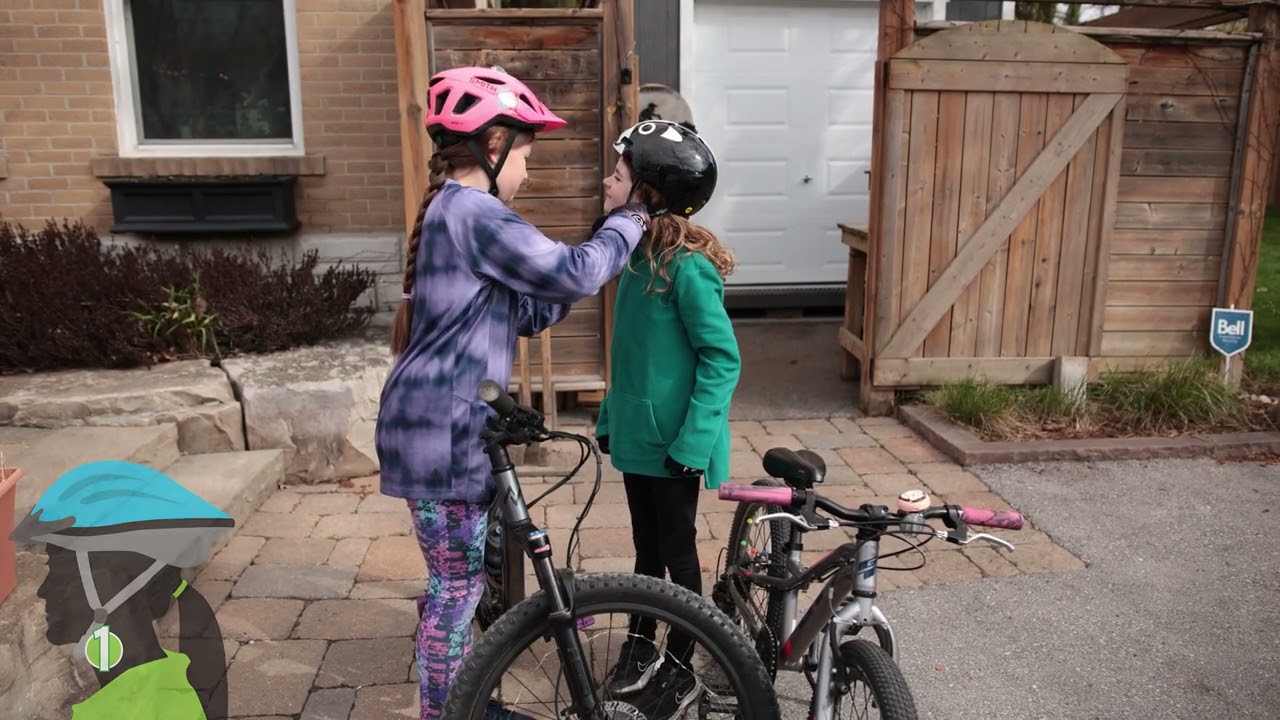
- Adjust straps to fit under your chin
- Check for movement when you shake your head
Safety Certifications To Look For
Helmets must meet safety standards to protect you well. Look for certification labels inside the helmet.
| Certification | Region | Meaning |
| CPSC | USA | Meets US safety standards |
| CE EN 1078 | Europe | Meets European safety rules |
| AS/NZS 2063 | Australia/New Zealand | Approved for local safety |
Material And Weight Considerations
Helmet material affects comfort and protection. Lightweight materials reduce strain on your neck.
- Polycarbonate shells are light and strong
- Expanded polystyrene foam absorbs impact
- Multi-density foam offers extra safety
- Ventilation helps keep you cool
Maintenance And Replacement Guidelines
Keep your helmet clean and check it often. Replace it after a crash or every few years.
- Use mild soap and water to clean
- Do not use harsh chemicals
- Store away from direct sunlight
- Replace after any strong impact
- Follow manufacturer’s replacement timeline

Credit: qiolor.com
Helmet Use And Enforcement
Wearing a helmet while riding a bike is important for safety. Laws about helmet use vary in different places.
Some areas have strict rules, while others have no rules at all. Understanding local laws can help you stay safe and avoid trouble.
Police And Legal Enforcement
Police enforce helmet laws in many regions. They watch for riders who do not wear helmets.
In some places, police can stop you and give a warning. In others, they might issue a fine for not wearing a helmet.
Penalties For Non-compliance
Penalties for not wearing a helmet can include fines. The amount varies by location and age of the rider.
- Some areas fine up to $100
- Repeat offenses may lead to higher fines
- Younger riders often face stricter penalties
Helmet Use In Organized Events
Many biking events require helmets. Participants must follow these rules to join.
Events often have safety checks before starting. Organizers stress the importance of helmets for all riders.
Community Awareness Programs
Communities run programs to teach about helmet safety. These programs aim to increase helmet use among riders.
Programs include workshops and free helmet giveaways. They focus on educating both kids and adults about safety.
Alternatives And Supplements To Helmets
Wearing a helmet is one way to protect yourself while biking. Some people look for other ways to stay safe too. These options can work with helmets or stand alone.
Let’s explore some tools and ideas that help keep cyclists safe beyond helmets.
Protective Gear Beyond Helmets
Other gear can protect your body during a fall or crash. Gloves, knee pads, and elbow pads help reduce injuries. Bright clothing also makes you easier to see.
- Gloves protect your hands from scrapes and improve grip.
- Knee and elbow pads shield joints from impact.
- High-visibility jackets and vests increase your presence on the road.
- Reflective stickers on your bike or clothes help in low light.
Bike Safety Education
Knowing how to ride safely is very important. Learning rules and practicing good habits can prevent accidents. Schools and community groups often offer bike safety classes.
- Learn proper hand signals to show turns and stops.
- Understand traffic signs and signals for cyclists.
- Practice riding in different weather and road conditions.
- Always check your bike before riding.
Infrastructure And Road Safety
Safe roads and bike lanes make riding safer. Cities build paths separated from cars. Signs and lights help guide bikers and drivers.
| Feature | Benefit |
|---|---|
| Dedicated bike lanes | Reduce crashes with motor vehicles |
| Bike boxes at intersections | Give cyclists a safe place to wait |
| Clear road markings | Guide both cyclists and drivers |
| Traffic calming measures | Slow down cars near bike routes |
Technological Innovations
New technology helps cyclists stay safe. Lights that turn on automatically and apps that alert drivers add protection. Some helmets have built-in sensors to detect crashes.
- Automatic bike lights improve visibility without needing to switch them on.
- Smartphone apps share your location with friends or family.
- Crash sensors in helmets can send alerts in emergencies.
- Rearview radar systems warn you of cars approaching from behind.
Frequently Asked Questions
Is Wearing A Bike Helmet Legally Required Everywhere?
Helmet laws vary by country and state. Some places mandate helmets for all riders, others only for minors. Always check local regulations before riding to ensure compliance and safety.
What Are The Main Benefits Of Wearing A Bike Helmet?
Helmets protect your head from serious injury during accidents. They reduce the risk of traumatic brain injuries and can save lives. Wearing one increases overall rider safety significantly.
Are There Penalties For Not Wearing A Bike Helmet?
In regions with helmet laws, fines or penalties may apply if you ride without one. Penalties vary widely, so knowing local rules helps avoid legal trouble and encourages safer riding habits.
Do Helmet Laws Apply To All Types Of Bikes?
Helmet requirements often cover motorcycles, scooters, and sometimes bicycles. The rules depend on local legislation and bike type. Confirm which vehicles require helmets in your area.
Conclusion
Wearing a helmet on a bike keeps your head safe. Laws about helmets change by place and age. Many countries and states ask riders to wear one. A helmet can stop serious injuries during crashes. It is a small step that protects your life.
Always check the local rules before you ride. Choosing to wear a helmet shows you care about safety. Better safe than sorry. Your head matters most.