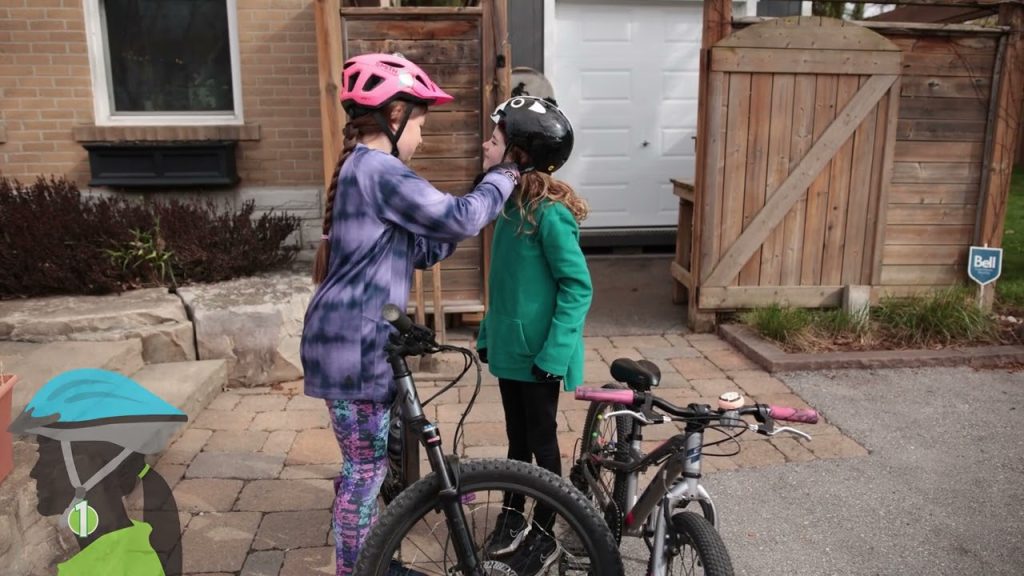
Are you really required to wear a helmet when you hop on your bike? It’s a question many riders like you ask, especially when the weather is perfect for a ride and helmets feel bulky or uncomfortable.
But what if wearing that simple piece of gear could protect your most valuable asset—your head? Knowing the rules and the reasons behind them could save you from fines, injuries, or worse. Keep reading to find out exactly when and why you need to wear a helmet, and how it can make your rides safer without ruining your style or freedom.

Credit: www.supportchildrenscolorado.org
Helmet Laws By Region
Many countries have laws about wearing helmets while riding bikes. These laws protect riders and reduce injuries. The rules change depending on the region.
Understanding helmet laws helps riders stay safe and avoid fines. Below are the main regulations in the United States, Europe, Asia, and other areas.
United States Regulations
Helmet laws in the United States vary by state. Some states require helmets for all riders. Others only require them for certain age groups. Many states do not have helmet laws at all.
- California and New York require helmets for all riders under 18 years old.
- Florida and Texas have no statewide helmet laws.
- Some states have local helmet laws in cities or counties.
- Helmets must meet safety standards like DOT certification.
European Rules
Most European countries require helmets when riding motorcycles. The rules for bicycles differ by country. Many require helmets only for children.
| Country | Helmet Requirement |
| Germany | Motorcycles: Yes, Bicycles: No |
| France | Motorcycles: Yes, Bicycles under 12: Yes |
| Italy | Motorcycles: Yes, Bicycles: No |
| Spain | Motorcycles: Yes, Bicycles under 16: Yes |
Laws In Asia And Other Areas
Helmet laws in Asia and other regions vary widely. Some countries have strict rules. Others have few or no helmet laws for bicycles.
- Japan requires helmets for all motorcycle riders.
- India requires helmets for motorcycle riders and passengers.
- China mandates helmets for motorcycle riders but not for bicycles.
- Australia requires helmets for all bike riders in every state.
Types Of Helmets
Wearing a helmet is very important for bike riders. Different helmets offer different levels of protection. Knowing the types helps you pick the right one.
Helmets vary by design and coverage. Some cover the whole head, while others protect only parts of it. Let’s look at the main types.
Full-face Helmets
Full-face helmets cover the entire head and face. They have a chin bar and a visor. These helmets offer the most protection in crashes.
- Protects chin, jaw, and face
- Good for high-speed riding
- Blocks wind, dust, and rain
- Heavier than other types
Open-face Helmets
Open-face helmets cover the top, back, and sides of the head. They leave the face exposed. Many riders find them lighter and cooler.
| Feature | Open-Face Helmet | Full-Face Helmet |
| Face Protection | No | Yes |
| Weight | Light | Heavy |
| Ventilation | Better | Less |
| Use | City rides | Speed and safety |
Half Helmets
Half helmets cover only the top of the head. They offer less protection but allow more airflow. Some riders choose them for short trips.
- Protects only the top head area
- Lightest and coolest option
- Not good for high-speed crashes
- Easy to carry and store
Safety Benefits Of Wearing Helmets
Wearing a helmet while riding a bike helps protect your head. It lowers the chance of serious injuries during accidents. Helmets are a simple way to stay safer on the road.
Many people ask if helmets really make a difference. Studies show helmets save lives and reduce head injuries. Understanding these benefits encourages more riders to wear helmets.
Protection Against Head Injuries
Helmets act as a shield for your skull and brain. They absorb the force from a crash. This reduces the risk of fractures, cuts, and bruises on your head.
- Reduce risk of skull fractures
- Prevent brain injuries
- Protect face and jaw
- Lower chances of cuts and scrapes
Impact On Accident Survival Rates
Wearing a helmet greatly improves your chances of surviving a bike accident. Data shows riders with helmets are less likely to die from head trauma.
| Helmet Use | Survival Rate | Head Injury Risk |
| Wearing Helmet | 90% | Low |
| No Helmet | 70% | High |

Credit: www.redcross.ca
Exceptions To Helmet Requirements
Wearing a helmet is often required by law when riding a bike. Still, some exceptions exist depending on age or location. Understanding these exceptions can help you follow the rules correctly.
These exceptions vary by state, city, or private property. Knowing them helps you ride safely and legally in different situations.
Age-based Exceptions
Many laws require children to wear helmets while biking. Older riders may not have the same rules. Some places set a specific age when helmets are no longer mandatory.
- Children under a certain age usually must wear helmets.
- Teens and adults often have no helmet requirement.
- Some areas require helmets for riders under 18 only.
- Age limits vary widely between regions.
Check local laws to know the exact age rules for helmets. This helps avoid fines and stay safe on the road.
Local And Private Property Rules
Helmet laws often apply only on public roads. Private property owners can set their own rules. Some parks or bike trails may require helmets regardless of local laws.
- Public streets usually have helmet laws.
- Private properties may allow riding without helmets.
- Some bike parks require helmets for all riders.
- Always check signs or property rules before riding.
Following local and private property rules keeps you safe and respects property owners’ wishes.
Penalties For Not Wearing Helmets
Wearing a helmet while riding a bike is often required by law. Not wearing one can lead to penalties. These rules help keep riders safe and reduce injuries.
Penalties for not wearing helmets vary by location. They can include fines, legal problems, and effects on insurance coverage.
Fines And Legal Consequences
If you ride a bike without a helmet, you may face fines. The amount depends on the local laws. Some places charge more for repeat offenses.
Besides fines, you might get a ticket or court appearance. Not wearing a helmet can also affect your driving record in some areas.
- First offense fines range from $25 to $200
- Repeat offenses can lead to higher fines
- Possible points added to your driving record
- In some cases, mandatory safety classes
Insurance Implications
Not wearing a helmet may affect your insurance claims after an accident. Some insurance companies reduce payments if you did not wear a helmet.
This rule encourages riders to wear helmets for their protection. Insurance costs can rise if you have penalties or accidents without a helmet.
- Lower insurance payouts after an accident
- Higher premiums for risky behavior
- Possible denial of claims in some cases
- Better rates if you always wear a helmet

Credit: qiolor.com
Choosing The Right Helmet
Wearing a helmet is important for bike safety. Choosing the right helmet protects your head and keeps you comfortable.
Look for a helmet that fits well, meets safety rules, and lasts long. This guide helps you pick the best helmet.
Fit And Comfort
A helmet must fit snugly without causing pain. It should not move when you shake your head. Padding inside adds comfort.
- Measure your head to find the right size
- Adjust straps so the helmet sits level
- Check for pressure points after wearing it for a while
- Choose breathable materials to reduce sweat
Safety Certifications
Helmets must meet safety standards to protect you well. Look for labels showing these certifications before buying.
| Certification | Region | What It Means |
| CPSC | USA | Meets impact protection rules |
| CE EN1078 | Europe | Passed safety tests for cycling helmets |
| AS/NZS 2063 | Australia/New Zealand | Approved for impact and strap strength |
Materials And Durability
Helmets use different materials for strength and light weight. The outer shell and inner foam work together to protect your head.
- Polycarbonate Shell:Strong and light plastic
- EPS Foam:Absorbs impact energy
- ABS Plastic:Durable and hard outer layer
Check for cracks or dents before use. Replace helmets after a crash or every few years.
Helmet Maintenance Tips
Wearing a helmet on a bike keeps you safe. Taking care of your helmet helps it work well. Clean and store your helmet properly. Know when to replace it to stay protected.
Good maintenance makes your helmet last longer. It also keeps it comfortable and strong. Follow simple tips for cleaning, storing, and replacing your helmet.
Cleaning And Storage
Clean your helmet often to remove dirt and sweat. Use mild soap and warm water. Avoid strong chemicals that can damage the shell. Dry your helmet with a soft cloth.
- Remove the pads before washing
- Hand wash pads and helmet shell gently
- Do not use a washing machine
- Keep helmet out of direct sunlight when drying
- Store in a cool, dry place away from heat
When To Replace Your Helmet
Helmets lose strength over time. Cracks or dents mean it can fail in a crash. Replace your helmet if you see damage or after a big impact. Also, helmets expire after a few years.
| Reason to Replace | Details |
| After a Crash | Helmet may look fine but is weaker inside |
| Visible Damage | Cracks, dents, or broken straps |
| Age | Replace every 3 to 5 years even without damage |
| Strap Wear | Frayed or loose straps reduce safety |
Frequently Asked Questions
Is It Legally Required To Wear A Helmet While Biking?
Helmet laws vary by location. Many regions mandate helmets for certain age groups or all riders. Check local laws to ensure compliance and safety.
What Are The Benefits Of Wearing A Bike Helmet?
Helmets protect your head during accidents, reducing injury risk. They increase visibility and provide added safety for cyclists in traffic.
Are There Penalties For Not Wearing A Bike Helmet?
Penalties depend on local regulations. Fines or warnings may apply if helmet use is mandatory. Always verify your area’s rules.
Does Wearing A Helmet Improve Bike Safety?
Yes, helmets absorb impact forces and protect the brain. Wearing a helmet significantly lowers the chance of serious injury during crashes.
Conclusion
Wearing a helmet on a bike protects your head from injury. Many places have laws that require helmets for safety. Riding without one can lead to fines or worse. Helmets are an easy way to stay safer on the road.
Think about your well-being before every ride. Safety should always come first, no matter the distance. Choose to wear a helmet and protect yourself today. It’s a small step that can save your life.