Your safety on the road is more important than ever. Imagine driving without worrying about theft, accidents, or unexpected dangers.
Automotive safety and security aren’t just features—they are your peace of mind every time you get behind the wheel. You’ll discover simple yet powerful ways to protect yourself, your passengers, and your vehicle. Keep reading to learn how the latest technologies and smart habits can make every drive safer and more secure for you.

Credit: mobex.io
Key Automotive Safety Features
Safety features in cars protect drivers and passengers. They reduce injuries during accidents.
Technology has improved many safety systems. These features work together to keep people safe.
Airbags And Seatbelts
Seatbelts hold passengers in place during crashes. Airbags cushion impact to lower injury risks.
- Seatbelts prevent passengers from hitting hard surfaces.
- Airbags inflate instantly to protect the head and chest.
- Modern cars have side and curtain airbags for extra safety.
- Both systems work best when used together.
Anti-lock Braking Systems
Anti-lock Braking Systems (ABS) stop wheels from locking during hard braking. This helps drivers keep control.
ABS reduces skidding and shortens stopping distances on slippery roads.
Electronic Stability Control
Electronic Stability Control (ESC) helps cars stay on their path. It detects loss of control and applies brakes to specific wheels.
| Feature | Function |
|---|---|
| ESC Sensors | Detect wheel slip and steering angle |
| Brake Control | Applies brakes to correct vehicle path |
| Engine Power Control | Reduces power to prevent skidding |
Collision Avoidance Systems
Collision Avoidance Systems warn drivers of possible crashes. Some systems apply brakes automatically to prevent accidents.
- Forward collision warning alerts drivers of obstacles.
- Automatic emergency braking helps stop the car quickly.
- Lane departure warning signals if the car drifts out of its lane.
- Blind spot detection warns of cars in hard-to-see areas.
Advanced Driver Assistance Systems
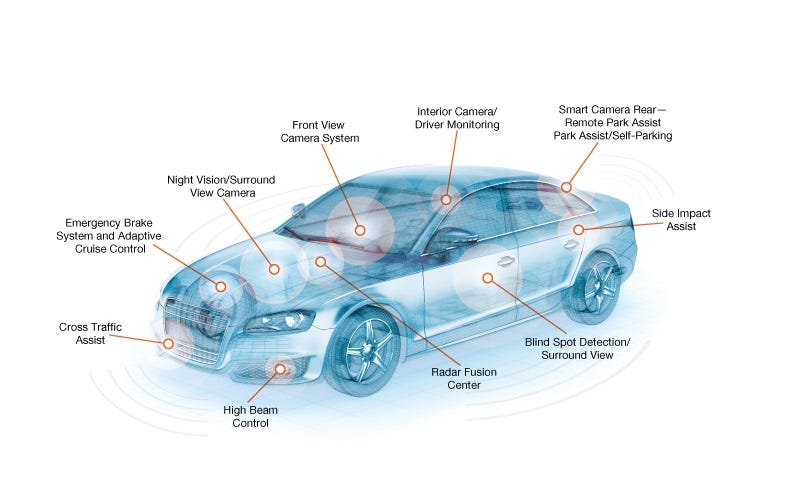
Advanced Driver Assistance Systems help drivers stay safe on the road. These systems use sensors and cameras to support safe driving.
They reduce accidents by warning the driver or taking control if needed. Here are some key systems that improve vehicle safety.
Lane Departure Warning
Lane Departure Warning alerts drivers if the vehicle drifts out of its lane. It uses cameras to track road markings and signals if the driver is not steering correctly.
This system helps prevent accidents caused by inattentive or drowsy driving.
Adaptive Cruise Control
Adaptive Cruise Control keeps a safe distance from the car ahead by adjusting speed automatically. It uses radar and sensors to monitor traffic.
- Maintains set speed when road is clear
- Slows down when a vehicle is detected ahead
- Speeds up when traffic moves faster
- Improves comfort on long drives
Blind Spot Detection
Blind Spot Detection warns drivers about vehicles in side blind spots. It uses sensors placed on the sides of the car to detect nearby cars.
| Indicator Color | Meaning |
| Green | System active, no vehicle detected |
| Yellow | Vehicle detected in blind spot |
| Red | High risk, do not change lane |
Automatic Emergency Braking
Automatic Emergency Braking helps avoid or reduce crash impact. The system detects obstacles and applies brakes if the driver does not react in time.
- Sensor detects obstacle ahead.
- System warns the driver.
- If no response, brakes apply automatically.
- Speed reduces to prevent or lessen collision.
Vehicle Security Technologies
Vehicle security technologies protect cars from theft and damage. They use different tools and systems to keep vehicles safe.
These technologies have improved a lot over the years. New features help drivers feel secure on the road.
Car Alarms And Immobilizers
Car alarms alert owners when someone tries to break into the vehicle. They use sounds and lights to scare off thieves.
Immobilizers stop the engine from starting without the right key. This makes it hard for thieves to steal the car.
- Alarms detect doors, windows, and movement
- Immobilizers use electronic keys or chips
- Both systems work together for better security
Gps Tracking Systems
GPS tracking systems locate vehicles in real time. Owners can find their cars if they are lost or stolen.
These systems send location data to smartphones or computers. This helps police recover stolen vehicles quickly.
- Track vehicle location 24/7
- Receive alerts if car moves unexpectedly
- Help recover stolen cars faster
Keyless Entry And Ignition Security
Keyless entry lets drivers unlock doors without using a key. It uses signals from a remote or smartphone.
Ignition security stops the engine if the correct signal is missing. This prevents thieves from starting the car easily.
- Use encrypted signals for safety
- Prevent unauthorized access to vehicle
- Improve convenience for drivers
Cybersecurity Measures For Modern Vehicles
Modern cars have many computer systems. Cybersecurity protects these systems from hackers and viruses.
Car makers use firewalls and encryption to keep data safe. Regular software updates fix security problems.
- Protect vehicle software and data
- Stop hackers from controlling the car
- Keep driver information private
- Update software to patch vulnerabilities
Maintenance Tips For Safety And Security
Keeping your vehicle safe and secure depends on regular maintenance. Simple actions help prevent accidents and theft.
Follow these tips to keep your car in good shape and protect yourself on the road.
Regular Inspection And Servicing
Check your car often for any problems. Regular servicing keeps all parts working well.
Look for leaks, strange noises, or warning lights. Fix problems early to stay safe.
- Inspect lights and signals
- Check fluid levels like oil and coolant
- Test battery and electrical systems
- Replace worn-out parts promptly
Tire And Brake Care
Good tires and brakes keep your car on the road and stop it quickly. They are key to safety.
Check tire pressure and tread depth often. Make sure brakes respond well every time.
- Keep tires inflated to the right pressure
- Replace tires that are worn or damaged
- Listen for brake noises and fix problems fast
- Have brakes checked during every service
Software Updates And Patches
Modern cars use software for safety features. Updates keep these systems working properly.
Install updates from the manufacturer as soon as possible. They fix bugs and improve security.
- Check for updates regularly
- Use authorized service centers for updates
- Don’t ignore warning messages on your display
- Keep your car’s system protected from hacking
Safe Parking Practices
Park your vehicle in safe areas to avoid theft and damage. A good spot protects your car.
Choose well-lit and busy locations. Use security devices to add extra protection.
- Park in areas with cameras or security guards
- Avoid isolated or dark places
- Lock all doors and close windows
- Use steering wheel locks or alarms if possible
Emerging Trends In Automotive Protection
Automotive safety and security are improving with new technology. Cars are now smarter and safer. These trends protect drivers and passengers better than before.
We will look at four key areas shaping automotive protection. These are connected and autonomous vehicles, biometric authentication, vehicle-to-everything communication, and AI in safety systems.
Connected And Autonomous Vehicles
Connected and autonomous vehicles use sensors and cameras to drive safely. They reduce accidents by avoiding human errors. These vehicles share data with each other and road systems.
- Automatic emergency braking
- Lane keeping assistance
- Adaptive cruise control
- Real-time traffic updates
- Remote diagnostics and updates
Biometric Authentication
Biometric authentication uses unique body features to unlock and start cars. This method replaces keys and passwords. It improves security and stops theft.
| Biometric Method | Use in Vehicles |
| Fingerprint | Unlock doors, start engine |
| Face Recognition | Driver identification, personalized settings |
| Voice Recognition | Command control, access authorization |
| Eye Scanning | Driver alertness monitoring |
Vehicle-to-everything Communication
Vehicle-to-everything communication links cars with other vehicles, roads, and devices. This helps to avoid collisions and improve traffic flow. It also warns drivers about hazards ahead.
Common types of V2X communication:
- Vehicle-to-Vehicle (V2V)
- Vehicle-to-Infrastructure (V2I)
- Vehicle-to-Pedestrian (V2P)
- Vehicle-to-Network (V2N)
Ai And Machine Learning In Safety Systems
AI and machine learning help cars learn from data to improve safety. They detect hazards faster than humans. These systems can predict risks and take action to avoid accidents.
- Driver behavior analysis
- Accident prediction and prevention
- Advanced sensor data processing
- Real-time decision making
- Continuous system improvements

Credit: medium.com

Credit: www.consumerreports.org
Frequently Asked Questions
What Are The Latest Automotive Safety Features?
Modern vehicles include features like automatic emergency braking, lane-keeping assist, blind-spot detection, and adaptive cruise control. These technologies reduce accidents by enhancing driver awareness and vehicle control.
How Does Automotive Security Protect Against Theft?
Automotive security uses alarms, immobilizers, and GPS tracking to prevent theft. These systems deter thieves and help locate stolen vehicles quickly, increasing recovery chances.
Why Is Crash Testing Important For Vehicle Safety?
Crash testing evaluates vehicle safety by simulating collisions. It helps manufacturers improve designs to protect passengers and reduce injuries during real accidents.
How Can Drivers Improve Automotive Safety?
Drivers can improve safety by wearing seat belts, following speed limits, avoiding distractions, and maintaining their vehicles regularly. Safe driving habits significantly reduce accident risks.
Conclusion
Automotive safety and security protect drivers and passengers every day. Cars with strong safety features reduce accidents and injuries. Security systems help prevent theft and keep vehicles safe. Staying aware of new safety technologies benefits all road users. Simple actions, like wearing seat belts and locking doors, save lives.
Everyone should value safety and security on the road. Small steps lead to safer journeys for all. Keep learning and stay cautious while driving. Safety matters. Always.