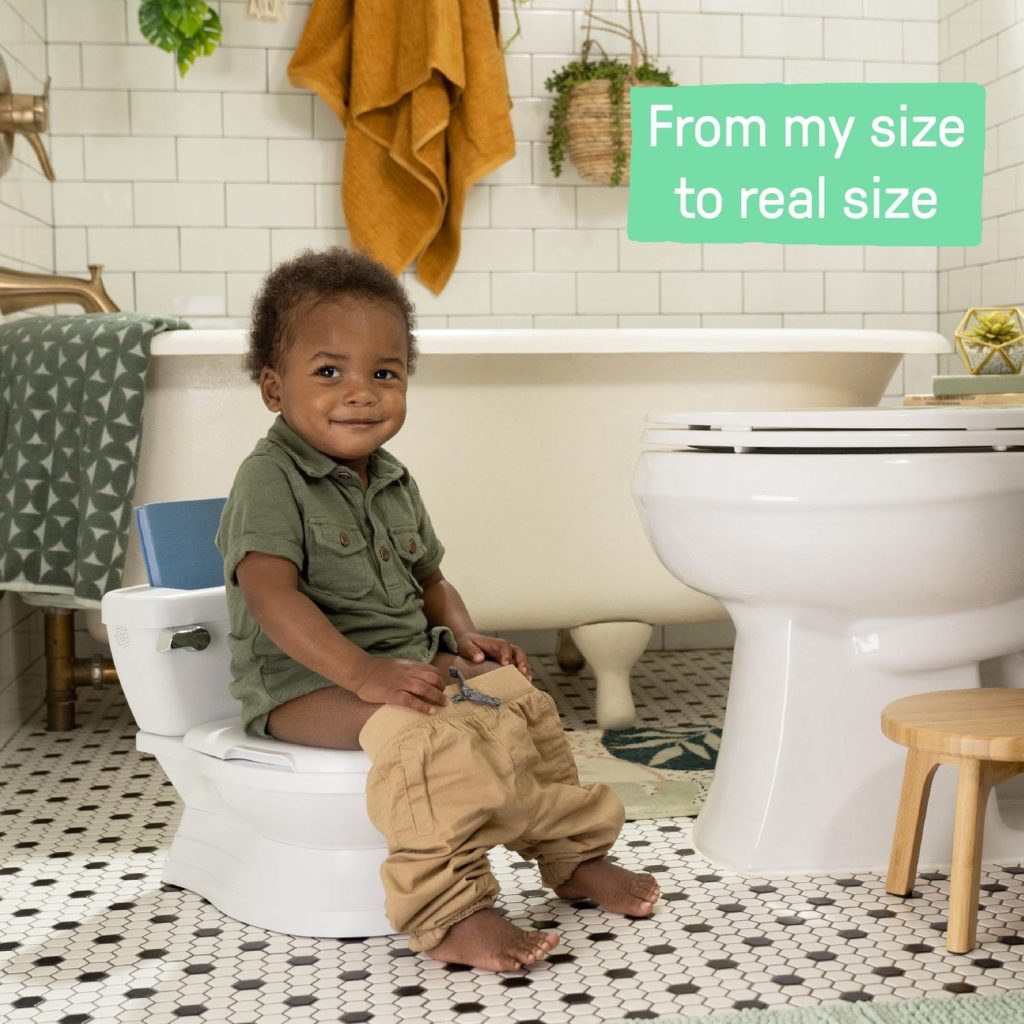
Bath time and potty training are important parts of a child’s daily routine. Parents often wonder how to make these tasks easy and fun. This guide will help you understand bath and potty routines. It uses simple words and clear ideas. You will find tips and advice that work well for young children.
Why Bath Time is Important
Bath time keeps your child clean and healthy. It removes dirt, sweat, and germs from the skin. This helps prevent sickness and skin problems. Bathing also relaxes children. It can help them sleep better at night.
Bath time is a chance to bond with your child. Use this time to talk or sing. It makes the child feel safe and loved.
How Often Should You Give A Bath?
For babies, 2-3 baths a week is enough. Too many baths can dry their skin. Older children can have baths every day or every other day. But this depends on how dirty they get. Use your judgment.
What You Need for Bath Time
Prepare everything before starting. This helps the bath go smoothly. Here is a list of things you need:
- Baby bathtub or small tub
- Soft washcloth or sponge
- Mild soap or baby shampoo
- Towel, preferably soft and warm
- Clean clothes or pajamas
- Bath toys (optional, for fun)
Step-by-Step Bath Routine
Follow these easy steps to bathe your child:
- Check the water temperature. It should be warm, not hot.
- Fill the tub with a few inches of water.
- Gently place your child in the tub.
- Use a washcloth to clean their face first.
- Wash the body using mild soap or shampoo.
- Rinse all soap off carefully.
- Lift your child out and wrap them in a towel.
- Dry the skin well, especially in folds.
- Put on clean clothes or pajamas.
Safety Tips For Bath Time
- Never leave your child alone in the tub.
- Keep all bath items within reach.
- Test water temperature every time.
- Use non-slip mats to avoid slips.
Credit: www.walmart.ca
Potty Training: When to Start?
Potty training is a big step for your child. Most children start between 18 months and 3 years. Every child is different. Look for signs like:
- They stay dry for 2 hours or more.
- They tell you when they need to go.
- They can follow simple instructions.
- They want to use the potty.
Credit: www.walmart.ca
Choosing the Right Potty
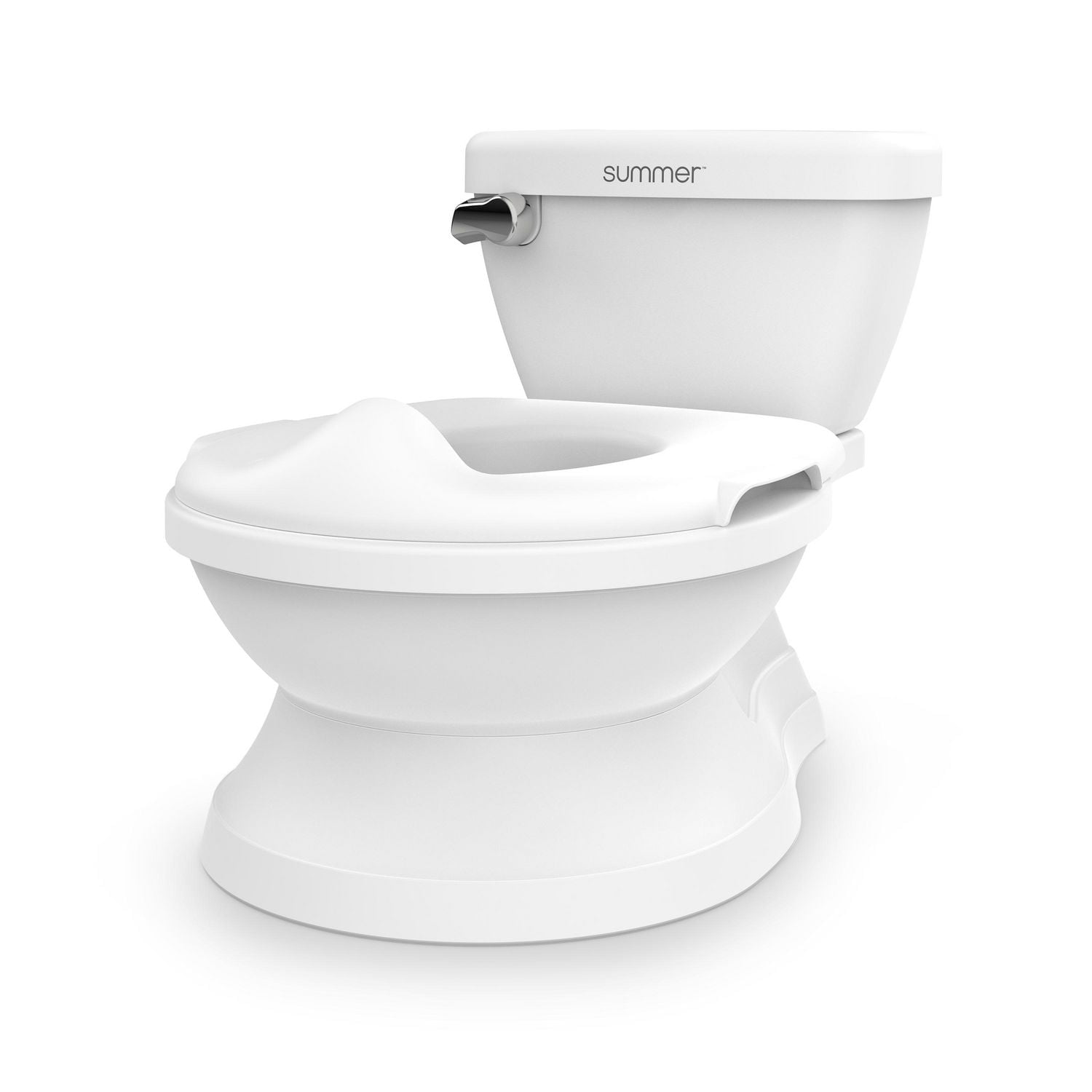
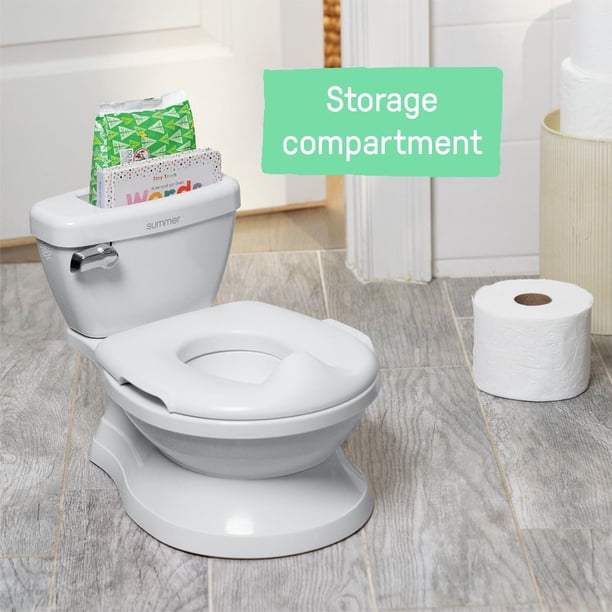
Select a potty that is safe and comfortable. Some types to consider:
| Potty Type | Description | Best For |
|---|---|---|
| Standalone Potty Chair | Small seat with a container for waste. | Young toddlers who want independence. |
| Potty Seat Adapter | Sits on top of a regular toilet seat. | Older toddlers transitioning to the toilet. |
| Training Toilet | Full-size toilet with child-friendly features. | Children ready to use the big toilet. |
Steps to Start Potty Training
Follow these simple steps to help your child learn potty use:
- Explain what the potty is for.
- Show your child how to use it.
- Encourage sitting on the potty regularly.
- Praise your child for trying.
- Be patient and calm during accidents.
- Teach proper wiping and hand washing.
Tips For Successful Potty Training
- Use easy-to-remove clothes.
- Create a routine for potty time.
- Give small rewards for success.
- Keep a positive attitude.
- Watch for signs your child needs to go.
Common Challenges and How to Handle Them
Potty training can have ups and downs. Here are some problems parents face:
Accidents Happen
It is normal for children to have accidents. Don’t get upset. Stay calm and clean up quickly. Remind your child to try again next time.
Fear Of The Potty
Some children may feel scared. Use gentle words. Let them sit with clothes on first. Make potty time fun with books or toys.
Refusing To Use The Potty
If your child refuses, do not force them. Take a break for a few weeks. Try again later with encouragement.
Combining Bath and Potty Routines
You can link bath and potty time to build routine. For example:
- Have potty time before the bath.
- Use bath time to relax after potty training.
- Talk about cleanliness during both times.
This makes daily care easier and more natural.
Summary
Bath and potty routines help children grow healthy. Bath time keeps kids clean and calm. Potty training teaches independence and hygiene. Both need patience and love from parents. Use simple steps, stay calm, and make it fun. Your child will learn and enjoy these routines.
Remember, every child learns at their own pace. There is no rush. Support your child with kindness and care. Soon, bath and potty time will be easy parts of your day.
Frequently Asked Questions
What Is The Best Age To Start Potty Training?
Most children start potty training between 18 months and 3 years old.
How Often Should I Give My Baby A Bath?
Bathing 2-3 times a week is enough for most babies to keep skin healthy.
What Are Safe Bath Products For Babies?
Use mild, fragrance-free soaps and shampoos made for sensitive baby skin.
How Do I Prevent My Child From Slipping In The Bath?
Use a non-slip mat and never leave your child unattended in the tub.