
Have you ever experienced a sudden flicker of your lights or a brief drop in power? That’s what we call a brownout.
While it might seem harmless, it can actually pose a threat to your home appliances, especially your refrigerator. Imagine coming home to find your fridge isn’t cooling as it should, or worse, your food spoiling unexpectedly. It’s a frustrating scenario, isn’t it?
But don’t worry, because understanding how brownouts can affect your refrigerator can save you a lot of time, money, and stress. We’ll dive into whether a brownout can really damage your refrigerator and, most importantly, how you can protect your valuable appliance from potential harm. Stay with us and keep your fridge running smoothly, ensuring your food stays fresh and safe.
What Is A Brown Out
A brown out is a drop in electrical voltage in your power supply. It is less severe than a blackout but can still affect your home appliances. During a brown out, your devices receive lower voltage than usual, which can cause problems over time. Understanding what a brown out is helps protect sensitive equipment like refrigerators.
Causes Of Brown Outs
- High demand on the power grid during hot or cold weather
- Faulty electrical equipment or wiring issues
- Intentional voltage reduction by power companies to avoid blackouts
- Overloaded transformers or power lines
Difference Between Brown Out And Blackout
| Aspect | Brown Out | Blackout |
|---|---|---|
| Voltage Level | Reduced voltage but power remains on | No voltage, power is completely off |
| Duration | Can last from minutes to hours | Usually lasts until power is restored |
| Effect on Devices | May cause malfunction or damage | Devices turn off, risk of data loss or damage |

Credit: transientspecialists.com
How Refrigerators Work
Refrigerators keep food fresh by removing heat from inside the fridge. They use a cooling cycle that moves heat outside. This process involves several parts working together to keep the temperature low. Understanding these parts helps explain how brownouts can affect your refrigerator.
Key Components
- Compressor:Pumps refrigerant through the system.
- Condenser coils:Release heat from refrigerant.
- Evaporator coils:Absorb heat inside the fridge.
- Expansion valve:Controls refrigerant flow and pressure.
- Thermostat:Regulates the internal temperature.
Role Of The Compressor
The compressor is the heart of the refrigerator. It pumps refrigerant through coils to move heat outside. This part needs stable power to run well. Brownouts can cause the compressor to work harder or fail. A damaged compressor means the fridge cannot cool properly.
Effects Of Brown Outs On Refrigerators
Brown outs can cause subtle yet serious effects on your refrigerator. These low-voltage dips don’t just flicker lights; they challenge the appliance’s internal systems. Understanding how these voltage drops affect your refrigerator helps you protect your investment and avoid costly repairs.
Impact On Electrical Components
Your refrigerator’s electrical parts rely on a steady power supply to function correctly. During a brown out, the voltage drops below normal levels, causing these components to work harder. This extra strain can lead to overheating and premature failure of parts like motors, fans, and electronic control boards.
Think about the control board that manages cooling cycles—it may reset or malfunction when voltage fluctuates. Have you ever noticed your fridge acting oddly after a power dip? That’s likely the electrical components struggling with inconsistent power.
Compressor Stress And Damage
The compressor is the heart of your refrigerator, pushing refrigerant through the system to keep your food cold. Brown outs reduce the voltage available to the compressor motor, making it draw more current to operate. This increased current causes the motor to overheat and wear out faster.
Repeated voltage drops can lead to compressor failure, which is expensive to fix. Imagine your fridge trying to start with insufficient power—this can cause the compressor to stall or even burn out. Protecting your refrigerator from brown outs means safeguarding the compressor’s longevity.
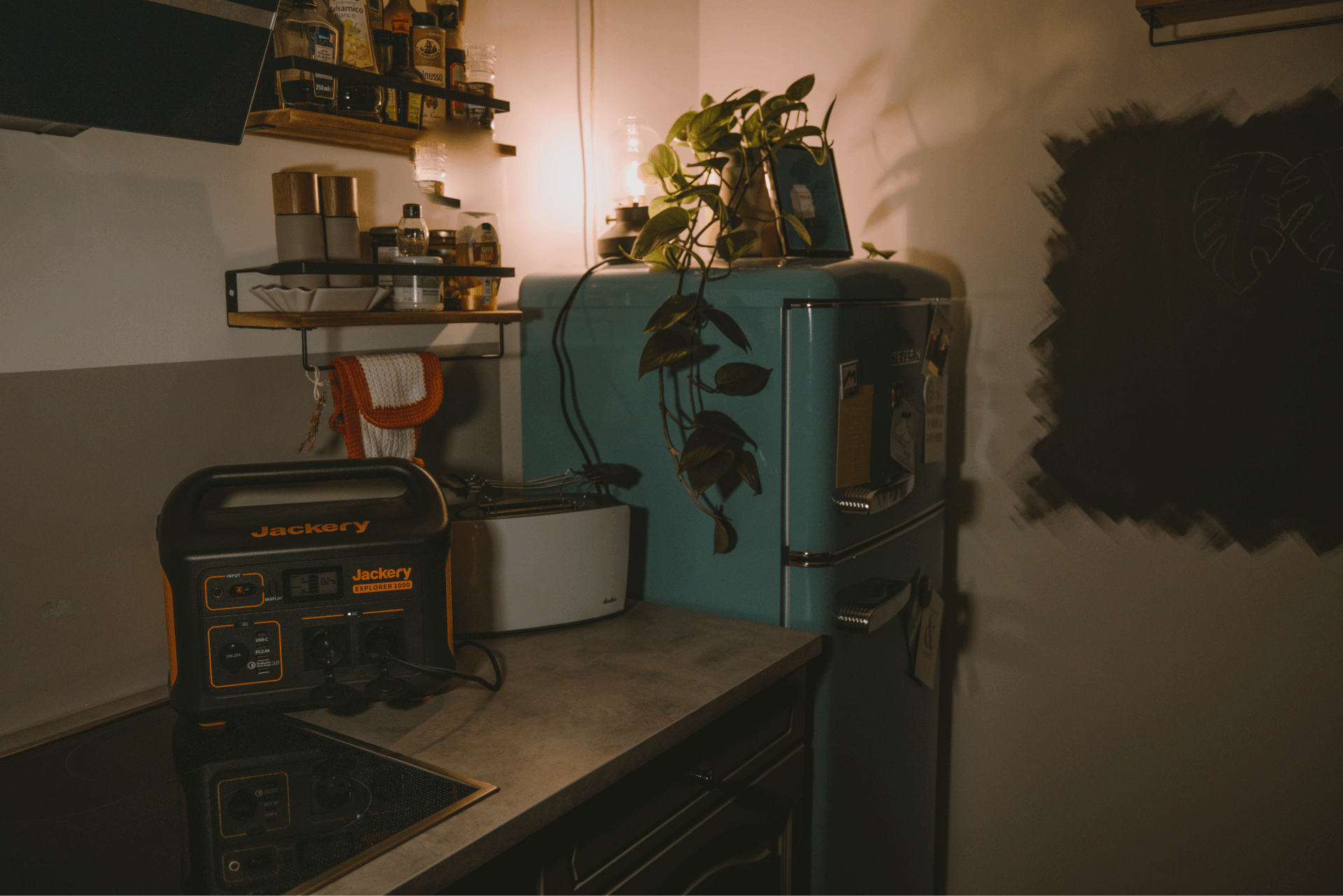
Credit: www.jackery.com
Signs Of Brown Out Damage
Brown outs can silently harm your refrigerator over time. Detecting early signs helps prevent costly repairs. Watch for unusual changes in how your appliance sounds and works. These clues often indicate damage from voltage drops.
Unusual Noises
Strange sounds like buzzing or humming may appear. The compressor might work harder, causing louder noises. These noises suggest electrical components struggle during low voltage. Ignoring them can lead to motor failure.
Inconsistent Cooling
The fridge may not keep food cold evenly. Some areas might be colder while others stay warm. This happens as compressor efficiency drops from voltage stress. Food spoilage risk increases with uneven cooling.
Frequent Cycling
The refrigerator may turn on and off more often. This rapid cycling stresses the compressor and parts. It uses more energy and shortens appliance lifespan. Frequent cycling often points to electrical damage from brown outs.
Preventing Brown Out Damage
Brown outs can quietly harm your refrigerator’s electrical components and shorten its lifespan. Preventing this damage is about taking smart, proactive steps that protect your appliance from unstable voltage. You don’t have to be an electrician to safeguard your fridge; simple tools and regular care can make a big difference.
Using Voltage Stabilizers
A voltage stabilizer keeps the electricity supply steady, even when the power fluctuates. It acts like a buffer, adjusting the voltage to a safe level before it reaches your refrigerator. Investing in a good stabilizer can prevent the compressor and other parts from burning out due to low voltage.
If you’ve ever experienced your fridge making unusual noises or not cooling properly after a blackout, a stabilizer might have helped avoid that. Look for models that match your fridge’s power requirements and have built-in protection features for the best results.
Surge Protectors And Ups
Surge protectors shield your refrigerator from sudden spikes in electricity that happen when power returns after a brown out. These spikes can fry delicate circuits in seconds. A quality surge protector is a small, affordable device that can save you from expensive repairs.
Uninterruptible Power Supplies (UPS) go a step further by providing backup power during outages or voltage dips. This keeps your refrigerator running smoothly without interruption. Have you considered how a UPS could keep your food safe during an unstable power supply?
Regular Maintenance Tips
Keeping your refrigerator in top shape helps it handle voltage issues better. Clean the condenser coils every few months to prevent overheating, which brown outs can worsen. Also, check the door seals to ensure cold air stays inside and the compressor doesn’t work harder than necessary.
Pay attention to any unusual sounds or inconsistent cooling—these could be early signs of electrical stress. Regular maintenance isn’t just about cleanliness; it’s about spotting problems before they become costly repairs.
When To Call A Technician
Knowing when to call a technician for your refrigerator after a brownout can save you from bigger problems and costly repairs. Brownouts cause voltage drops that may silently harm your appliance’s electrical components. If you notice unusual behavior or persistent issues, it’s time to seek professional help before damage worsens.
Diagnosing Electrical Issues
Spotting electrical issues isn’t always straightforward. Flickering lights inside the fridge, frequent cycling on and off, or the fridge failing to maintain temperature are warning signs. You might also hear unusual buzzing or clicking noises that weren’t there before.
Sometimes, these symptoms appear only after a brownout event. A technician can use specialized tools to check voltage levels, inspect the compressor, and test the control board. This thorough diagnosis helps identify hidden damage that a simple visual check can’t reveal.
Repair Vs Replacement
Once the problem is identified, deciding between repair and replacement is crucial. If the damage is minor—like a faulty relay or capacitor—a repair can restore your fridge’s function quickly and affordably. However, if the compressor or main control board is damaged, replacement might be more cost-effective in the long run.
Consider the age of your refrigerator and repair costs. Would you invest in fixing an old model or put that money towards a new, energy-efficient unit? A technician can guide you through these options, providing estimates and expected lifespan for repairs and replacements.

Credit: transientspecialists.com
Frequently Asked Questions
Can A Brownout Harm My Refrigerator’s Compressor?
Yes, brownouts can damage the compressor by causing it to overheat. Low voltage makes the compressor work harder, leading to premature failure.
How Does Low Voltage Affect Refrigerator Performance?
Low voltage reduces the cooling efficiency and strains electrical components. This can cause the refrigerator to run longer and increase energy consumption.
Can Brownouts Cause Electrical Faults In Refrigerators?
Brownouts can cause electrical faults like motor burnout and circuit damage. Voltage fluctuations stress internal parts and reduce the appliance’s lifespan.
What Precautions Prevent Refrigerator Damage During Brownouts?
Use a voltage stabilizer or surge protector to maintain steady voltage. Regular maintenance also helps ensure the refrigerator withstands voltage drops effectively.
Conclusion
Brownouts can harm your refrigerator’s motor and compressor. These power drops cause the fridge to work harder. This stress may shorten its life or cause breakdowns. Protect your fridge with a voltage stabilizer or surge protector. Regular checks help catch issues early.
Save money by avoiding expensive repairs. Stay aware of power quality in your area. Taking simple steps can keep your fridge running smoothly. Don’t ignore brownouts—they can cause real damage over time.