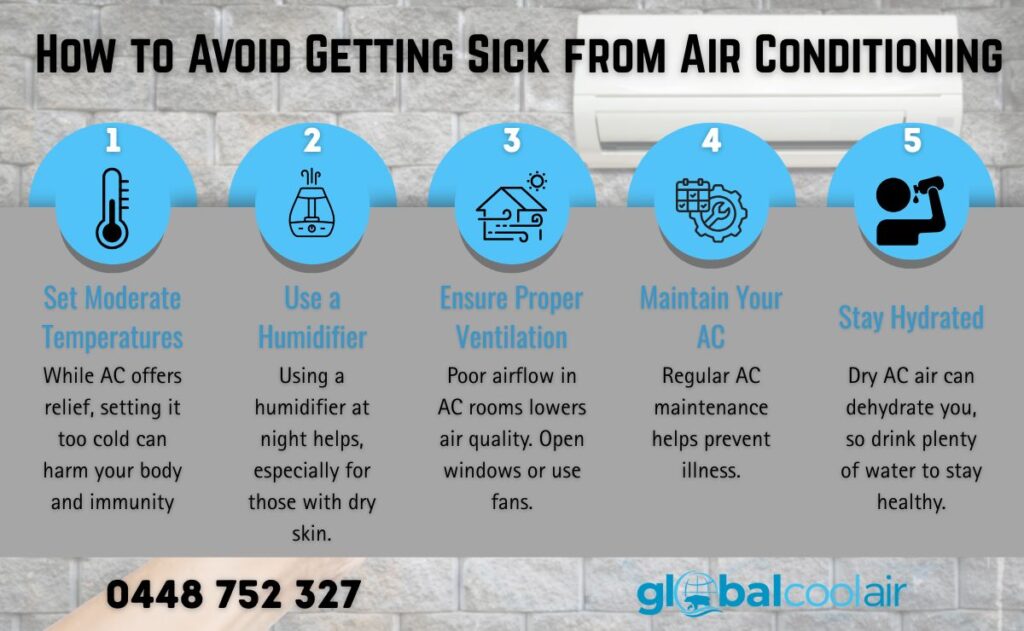
Have you ever stopped to think about what’s hiding inside your air conditioner filter? If your filter is dirty, it might be more than just a simple nuisance—it could actually be making you sick.
You rely on your air conditioner to keep your home comfortable, but a clogged filter can trap dust, mold, and bacteria, sending harmful particles right into the air you breathe. This isn’t just about discomfort; it’s about your health. Keep reading to find out how a dirty air conditioner filter could affect your wellbeing and what you can do to protect yourself and your family.

Credit: actionfurnace.ca
How Air Conditioner Filters Work
Air conditioner filters clean the air before it circulates in your home. They catch dust, pollen, and other particles. This helps keep the air fresh and healthy.
Filters come in different types and sizes. Each filter works by trapping particles of various sizes as air passes through it.
Types Of Air Conditioner Filters
There are several common types of air conditioner filters. Each type offers a different level of air cleaning.
- Fiberglass filters are inexpensive and catch large particles.
- Pleated filters have folds that trap smaller particles.
- HEPA filters remove tiny particles and allergens.
- Electrostatic filters use static electricity to attract dust.
How Filters Trap Particles
Filters use several ways to trap particles. Some catch dust like a net. Others use static to pull in small bits.
| Method | Description |
| Mechanical | Particles get stuck in the filter fibers. |
| Electrostatic | Static charge attracts dust and dirt. |
| Adsorption | Some filters trap gases and odors. |
Why Clean Filters Matter
Dirty filters block airflow. This makes your air conditioner work harder. It can also let dust and allergens pass through.
Signs of a dirty filter:
- Reduced cooling performance
- Higher energy bills
- More dust in your rooms
- Allergy or breathing issues
Credit: theconversation.com
Common Contaminants In Dirty Filters
Dirty air conditioner filters trap many harmful particles. These contaminants can affect your health and indoor air quality.
Knowing the types of contaminants helps you understand why regular filter cleaning is important.
Dust And Dirt
Dust and dirt are the most common particles in dirty filters. They include tiny soil particles, hair, and skin flakes. These can cause allergies and breathing problems.
Mold And Mildew
Mold grows in moist filters. It releases spores that can cause coughing, sneezing, and asthma attacks.
Bacteria And Viruses
Bacteria and viruses can collect on dirty filters. They increase the risk of infections and make it harder to recover from sickness.
Pet Dander
Pet dander includes tiny skin flakes from animals. It causes allergic reactions like itchy eyes and runny noses.
Pollen And Allergens
Pollen trapped in filters can worsen allergies. Many people feel sneezing and congestion during pollen season.
- Dust and dirt
- Mold and mildew
- Bacteria and viruses
- Pet dander
- Pollen and allergens
| Contaminant | Health Impact |
| Dust and Dirt | Allergies, breathing issues |
| Mold and Mildew | Coughing, asthma attacks |
| Bacteria and Viruses | Infections, sickness |
| Pet Dander | Allergic reactions |
| Pollen and Allergens | Congestion, sneezing |
Health Risks Linked To Dirty Filters
A dirty air conditioner filter can cause health problems. It traps dust, pollen, and other particles that affect indoor air quality.
If filters are not cleaned or replaced, harmful particles build up. This can lead to various health issues for people in the home or office.
Allergies And Respiratory Issues
Dirty filters let allergens like dust and pollen circulate in the air. This can trigger allergy symptoms such as sneezing, itchy eyes, and runny nose.
People with asthma or other breathing problems may find it harder to breathe. The dirty air can worsen coughing and wheezing.
Spread Of Bacteria And Mold
Filters that stay dirty can grow bacteria and mold. These germs spread through the air system and into rooms.
Breathing in mold spores or bacteria can cause infections or worsen lung problems. Some people may develop headaches or feel tired.
Impact On Vulnerable Groups
Children, elderly people, and those with weak immune systems face higher risks. Dirty filters can make their health worse.
These groups may experience more severe symptoms like difficulty breathing or infections. Keeping filters clean protects their health.
Signs Your Air Filter Needs Cleaning
A dirty air conditioner filter can cause problems in your home. It affects air quality and the AC’s performance. Knowing the signs helps you act quickly.
Cleaning or changing the filter improves your health and comfort. Watch for these signs to keep your system working well.
Reduced Airflow And Efficiency
When the air filter is clogged, air moves slower through the system. This makes the AC work harder. It uses more energy and cools less effectively.
- Rooms take longer to cool down
- Higher energy bills
- AC runs constantly without reaching set temperature
- Unusual sounds from the unit
Unpleasant Odors
A dirty filter traps dust, mold, and bacteria. These can cause bad smells in your home. The air may smell musty or stale when the AC is on.
Tip:Check the filter if you notice:
- Musty or damp odors
- Air smells like mildew
- Persistent bad smells after cleaning your home
Increased Dust Levels
A dirty air filter can no longer trap dust properly. Dust builds up in your home faster. Surfaces need more cleaning than usual.
| Effect | What You See |
| Dust buildup | More dust on furniture and floors |
| Allergy symptoms | Sneezing, coughing, or itchy eyes |
| Filter condition | Filter looks dark and clogged with particles |
Preventing Health Problems With Maintenance
A dirty air conditioner filter can cause health issues. Dust and allergens build up and spread in the air. Keeping the filter clean helps stop germs and allergens from affecting your health.
Regular maintenance of your air conditioner keeps the air fresh. It also improves the system’s efficiency. Clean filters reduce the risk of breathing problems and allergies.
Recommended Cleaning Schedule
Clean your air conditioner filter every 1 to 3 months. If you have pets or allergies, check it more often. Dust and dirt clog the filter quickly in busy homes.
- Check the filter monthly during heavy use
- Replace or clean it at least every 3 months
- Clean more often if you live in a dusty area
- Follow your air conditioner’s manual for guidance
Choosing The Right Filter
Pick a filter that fits your air conditioner model. Look for filters that trap small particles well. Higher quality filters keep dust and allergens out of your air.
- Use filters with a high MERV rating for better filtration
- Consider HEPA filters if allergies are a concern
- Make sure the filter size matches your unit
- Replace disposable filters regularly for best results
Professional Inspection Benefits
Hiring a professional to inspect your air conditioner helps prevent problems. Experts can spot hidden issues and clean parts you cannot reach. This keeps your system working well and your air clean.
- Identify leaks or blockages in the system
- Check the condition of filters and coils
- Improve air flow and energy efficiency
- Reduce the risk of mold and bacteria growth

Credit: www.1news.co.nz
When To Replace Vs. Clean Filters
Dirty air conditioner filters can make you sick by spreading dust and allergens. Keeping filters clean helps your home air stay fresh.
Knowing when to replace or clean filters keeps your AC working well and your air healthy. This guide explains when to do each.
When To Replace Air Conditioner Filters
Replace filters if they are torn, damaged, or very dirty. Some filters are made to be thrown away after use.
Disposable filters lose their ability to trap dust after a while. Changing them often keeps your air clean and your AC efficient.
- Filters with holes or tears cannot clean air well
- Disposable filters should be replaced every 1-3 months
- Very dirty filters block airflow and strain the AC
- Replacement prevents dust and allergens from spreading
When To Clean Air Conditioner Filters
Clean filters that are reusable or washable instead of throwing them away. Cleaning removes dust and keeps filters working well.
Washing reusable filters every month or two helps keep air quality high. Always check the filter type before cleaning.
- Reusable filters can be rinsed gently with water
- Clean filters help the AC cool better and use less energy
- Dry filters fully before putting them back in the AC
- Do not clean disposable filters, replace them instead
Frequently Asked Questions
Can A Dirty Air Conditioner Filter Cause Respiratory Problems?
Yes, a dirty filter can trap dust and allergens. This worsens air quality and may trigger asthma or allergies.
How Often Should Air Conditioner Filters Be Changed?
Filters should be changed every 1 to 3 months. Frequent changes ensure better air quality and system efficiency.
What Are Symptoms Of Exposure To Dirty Ac Filters?
Common symptoms include coughing, sneezing, headaches, and fatigue. These occur due to poor indoor air quality and allergens.
Does A Dirty Air Filter Affect Indoor Air Quality?
Absolutely, dirty filters reduce airflow and trap pollutants. This leads to higher indoor pollutant levels and health risks.
Conclusion
A dirty air conditioner filter can cause health problems. Dust, pollen, and germs build up and spread in the air. This may lead to coughing, sneezing, or breathing trouble. Changing filters often keeps the air clean and fresh. Clean filters help protect your family’s health and comfort.
Don’t wait until you feel sick. Check your air filter regularly. Breathe easier with a clean, well-maintained air conditioner.