Have you ever felt tired, sneezing, or coughing more than usual when you’re at home? What if your air conditioner, the very thing meant to keep you cool and comfortable, is actually making you sick?
A dirty air conditioner can harbor dust, mold, and bacteria that sneak into your air and affect your health. If you want to protect yourself and your family, it’s important to understand how a dirty air conditioner can impact your well-being—and what you can do about it.
Keep reading to find out why cleaning your air conditioner isn’t just about comfort, but about staying healthy too.
Credit: globalcoolair.com.au
How Air Conditioners Affect Indoor Air
Air conditioners cool the air inside homes and buildings. They move air from outside or inside to keep rooms comfortable.
Sometimes, air conditioners can change the quality of indoor air. This change can affect your health in different ways.
Air Circulation And Contaminants
Air conditioners help move air around a room. Good air circulation stops the air from becoming stale.
Dirty air conditioners can spread dust, mold, and bacteria. These contaminants can cause allergies or breathing problems.
- Dust builds up in vents and ducts
- Mold grows in moist parts of the system
- Bacteria can spread through the airflow
Role Of Filters And Maintenance
Filters trap dust and other particles from the air. Clean filters keep the air fresh and safe to breathe.
Regular maintenance removes dirt and prevents mold growth. It also helps the air conditioner work well.
- Change filters every 1-3 months
- Clean ducts and vents annually
- Check for mold and fix leaks
- Schedule professional inspections
Health Risks Linked To Dirty Air Conditioners
Dirty air conditioners can cause many health problems. Dust, mold, and bacteria can build up inside the system. This can lead to poor air quality indoors.
Understanding the health risks helps you keep your home safe. Clean air conditioners reduce the chance of sickness and discomfort.
Respiratory Issues And Allergies
When air conditioners are not clean, they spread dust and allergens. These particles irritate the lungs and airways. People may experience coughing, sneezing, or wheezing.
- Asthma attacks can get worse
- Allergic reactions become more frequent
- Breathing may feel difficult or uncomfortable
Spread Of Bacteria And Mold
Dirty air conditioners are a good place for bacteria and mold to grow. These germs float in the air and can cause infections. Mold spores may also trigger allergic reactions.
| Type | Health Effect |
| Bacteria | Respiratory infections, flu-like symptoms |
| Mold | Allergies, asthma flare-ups, skin irritation |
| Dust Mites | Allergic rhinitis, itchy eyes, nasal congestion |
Impact On Vulnerable Groups
Children, elderly, and people with weak immune systems are at higher risk. Dirty air conditioners make it harder for them to stay healthy. Their symptoms can be more severe and last longer.
Common symptoms in vulnerable groups include:
- Chronic coughing and shortness of breath
- Frequent headaches and fatigue
- Increased risk of lung infections
Common Signs Of A Dirty Ac Unit
A dirty air conditioner can cause health problems. It spreads dust, mold, and allergens in the air.
Recognizing the signs of a dirty AC helps you know when to clean or service it. This keeps the air safe to breathe.
Unpleasant Odors
One common sign of a dirty AC is bad smells. These odors come from mold or bacteria growing inside the unit.
Smells can be musty, sour, or like rotten eggs. These odors mean the air you breathe is not clean.
Reduced Airflow And Efficiency
A dirty air conditioner often blows less air. Dust and debris block the vents and filters, making airflow weak.
When airflow is low, the AC works harder. This lowers its efficiency and can raise your energy bills.
- Dust clogs filters and vents
- Blocked airflow reduces cooling
- AC uses more power to work
Visible Mold And Dust Build-up
You can often see dirt or mold on the AC unit. Dust builds up on coils, vents, and inside the filter.
Mold appears as black or green spots. It grows in moist parts of the AC and spreads spores in the air.
- Check vents and grills for dust
- Look inside the filter for dirt
- Spot mold on coils or damp areas

Credit: theconversation.com
Preventing Health Problems From Ac Units
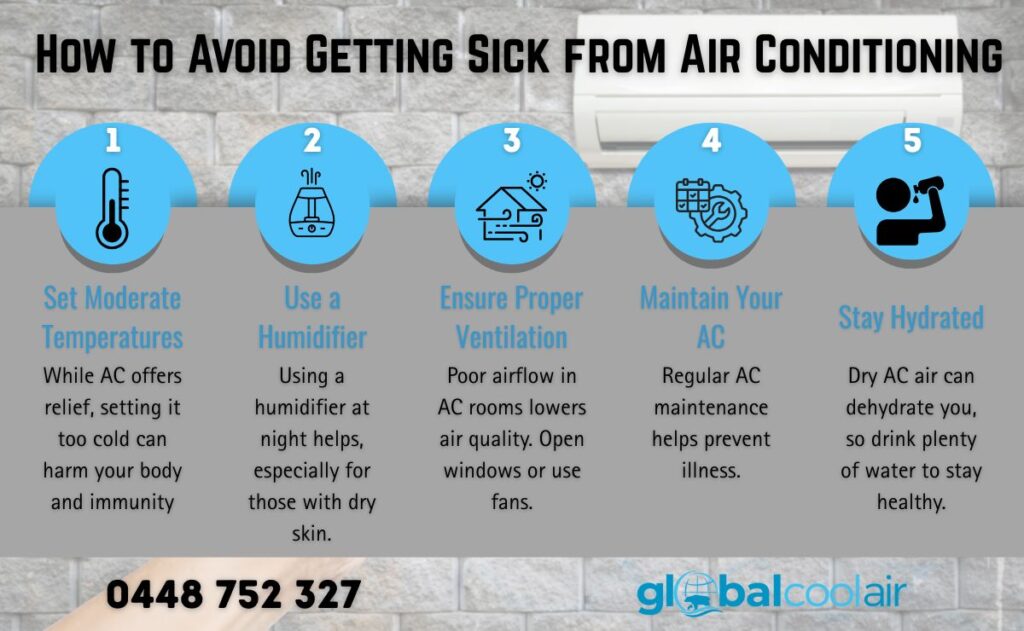
Air conditioners help keep homes cool and comfortable. But dirty AC units can cause health problems. Dust, mold, and bacteria can build up inside.
Cleaning and maintenance prevent these issues. You can keep the air safe to breathe by following simple steps.
Regular Cleaning And Filter Replacement
Dirty filters block airflow and trap germs. Changing or cleaning filters regularly improves air quality. It also helps the AC work well.
- Check filters every month during heavy use
- Replace filters every 1 to 3 months
- Clean dust and dirt from vents and coils
- Use a vacuum or damp cloth for cleaning
Professional Maintenance Services
Experts can find problems that you might miss. They clean hard-to-reach parts and check system health. This service reduces the risk of mold and bacteria growth.
| Service | Benefits |
| Deep cleaning | Removes hidden dirt and mold |
| System check | Ensures proper airflow and cooling |
| Filter inspection | Recommends timely replacement |
| Leak detection | Prevents moisture build-up |
Using Air Purifiers Alongside Ac
Air purifiers help remove particles that AC units miss. They clean dust, pollen, and germs from indoor air. Using both improves breathing comfort and health.
Here are key points about air purifiers:
- Choose HEPA filters for best particle removal
- Place purifiers in main living areas
- Keep purifiers clean and replace filters as needed
- Run purifiers during AC use for better air quality
When To Seek Medical Advice
A dirty air conditioner can affect your health. It may spread dust, mold, and bacteria.
Knowing when to see a doctor is important. This helps you get the right care quickly.
Recognizing Symptoms From Poor Air Quality
Signs of bad air from a dirty AC include coughing and sneezing. You may feel tired or have headaches.
Some people get itchy eyes or a runny nose. Trouble breathing or chest tightness can also happen.
- Persistent cough or wheezing
- Frequent headaches
- Itchy, watery eyes
- Runny or stuffy nose
- Shortness of breath or chest pain
- Fatigue or dizziness
Consulting Healthcare Professionals
See a doctor if symptoms last more than a few days. Medical advice helps find the cause and treatment.
Tell your doctor about your air conditioner and home environment. This information helps them diagnose your problem.
- Describe your symptoms clearly
- Mention if symptoms worsen indoors
- Share any allergies or asthma history
- Ask about air quality tests or allergy checks
- Follow doctor’s advice for treatment

Credit: theconversation.com
Frequently Asked Questions
Can A Dirty Air Conditioner Cause Respiratory Problems?
Yes, a dirty air conditioner can harbor dust, mold, and bacteria. These contaminants can trigger allergies, asthma, and other respiratory issues, making you feel sick.
How Does Mold Grow In An Air Conditioner?
Mold grows in air conditioners due to moisture buildup from condensation. Dirty filters and damp coils create an ideal environment for mold growth, affecting indoor air quality.
What Are Common Symptoms From Dirty Ac Exposure?
Common symptoms include coughing, sneezing, headaches, fatigue, and throat irritation. These signs result from inhaling airborne pollutants circulated by a dirty air conditioner.
How Often Should I Clean My Air Conditioner?
You should clean your air conditioner every 3 to 6 months. Regular cleaning prevents dust buildup, mold growth, and maintains healthy indoor air quality.
Conclusion
A dirty air conditioner can cause health problems. Dust and germs spread through the air you breathe. This can lead to coughs, allergies, or worse sickness. Cleaning your AC keeps the air fresh and safe. Regular maintenance helps protect your family’s health.
Don’t wait for signs of trouble. Stay ahead by checking and cleaning your unit often. Healthy air starts with a clean air conditioner. Take simple steps to avoid illness and breathe easier every day.