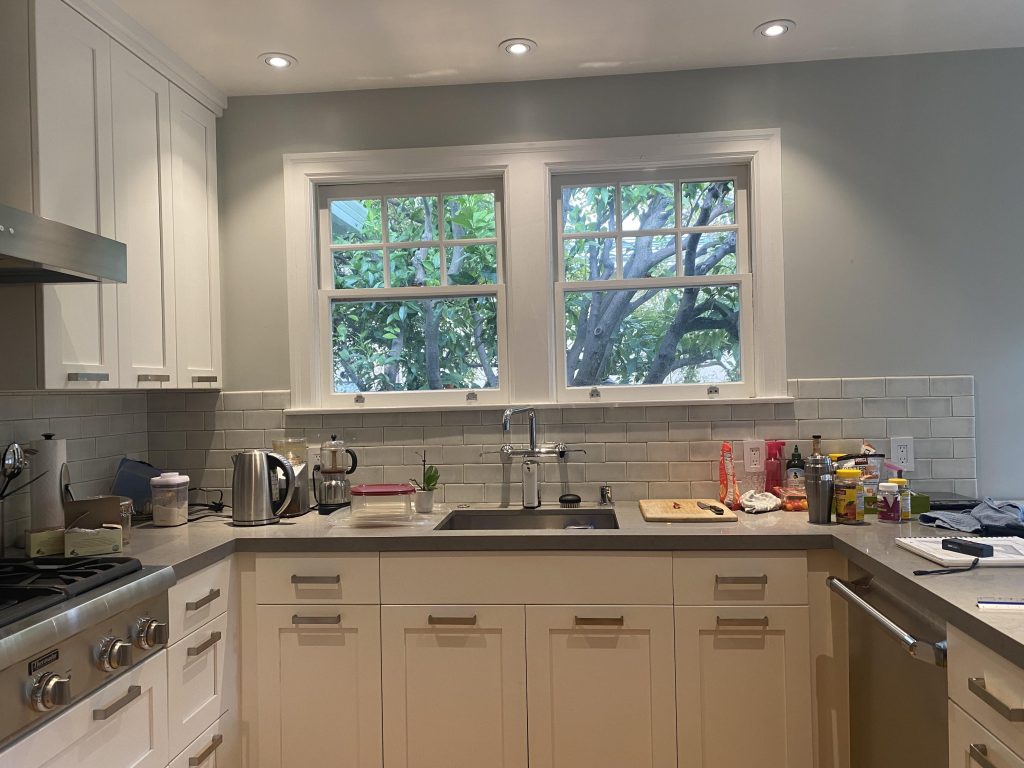
Have you ever glanced at your kitchen layout and wondered if your dishwasher can sit comfortably next to your stove? This question might seem trivial, but it actually holds the key to optimizing your kitchen’s functionality and design.
Picture yourself effortlessly moving from stove to dishwasher, streamlining your cooking and cleaning process. Sounds appealing, right? We’ll explore the ins and outs of this intriguing kitchen configuration. You’ll discover the benefits, potential challenges, and expert tips to create a seamless kitchen experience.
Dive in to uncover how this simple change could transform your daily routine and elevate your culinary space.
Dishwasher And Stove Placement
Placing a dishwasher next to a stove raises practical questions about safety, convenience, and kitchen flow. It’s not just about fitting appliances side by side; you need to consider heat, moisture, and your daily cooking habits. Let’s break down what works best when arranging these key kitchen components.
Common Kitchen Layouts
Many kitchens follow layouts like the L-shape, U-shape, or galley design. In these setups, the stove and dishwasher often share a wall or sit close to each other. You might notice that in galley kitchens, space is tighter, so placing them side by side can be tempting to save room.
Think about how you move between cooking, prepping, and cleaning. Does having the dishwasher next to the stove speed up your process, or does it create awkward traffic spots? You want to keep your workflow smooth and avoid crossing paths with hot pots or running water.
Space Requirements
Both the stove and dishwasher need enough clearance to function safely. Dishwashers require room to open their doors fully without blocking pathways or stove burners. Stoves need space around them for heat to dissipate and for you to handle hot cookware comfortably.
For example, if your dishwasher door swings open right next to a stove burner, it could be a hazard. This setup might also make loading dishes tricky when the stove is in use. Check your appliance manuals—they often list minimum space needs to avoid damage and keep things safe.
Typical Distance Recommendations
Experts usually recommend keeping a minimum gap of 12 to 18 inches between the dishwasher and stove. This distance helps protect the dishwasher from excessive heat and prevents water splashes from reaching hot surfaces. It also gives you enough room to stand and move safely while cooking or unloading dishes.
Have you measured your kitchen space recently? Sometimes a small adjustment, like shifting the dishwasher a bit, makes a big difference in usability and safety. Remember, a few extra inches can prevent accidents and improve your kitchen’s overall comfort.
Safety Concerns
Placing a dishwasher next to a stove raises important safety concerns. Both appliances operate under different conditions that may affect each other’s performance and safety. Understanding these risks helps in planning a safe kitchen layout.
Heat Exposure Risks
Stoves produce high heat that can affect nearby appliances. Dishwashers have plastic parts that may warp or melt. Continuous heat exposure shortens the dishwasher’s lifespan. Proper insulation or barriers help protect the dishwasher from heat damage. Avoid placing the dishwasher too close to the stove burner.
Water And Electrical Hazards
Dishwashers use water and electricity, which can be risky near a stove. Steam or water splashes might reach stove controls or electrical outlets. This increases the risk of short circuits or electric shocks. Ensure proper sealing and waterproofing around the dishwasher. Keep electrical connections well insulated and away from water sources.
Fire Safety Considerations
Fire hazards increase when appliances are too close. Grease or food spills from the stove can ignite near the dishwasher. Dishwashers also contain electrical components that may spark if damaged. Maintain a safe gap and install fire-resistant materials between them. Regular cleaning reduces grease buildup and fire risk.
Building Codes And Standards
Building codes and standards play a vital role in kitchen design, especially when placing appliances. They ensure safety and proper function. Understanding these rules helps avoid costly mistakes and hazards. The space between a dishwasher and stove is not random. It must meet specific regulations. This section explains key points about codes, guidelines, and inspections.
Local Regulations
Every city or county may have unique rules for kitchen layouts. These rules cover distances, materials, and ventilation. They protect against fire and electrical risks. Check local building codes before installation. Some areas require a minimum gap between heat sources and water appliances. Ignoring these rules can lead to fines or failed inspections.
Manufacturer Guidelines
Dishwasher and stove makers provide installation instructions. These guidelines include recommended clearances and safety tips. Follow these details carefully. They ensure the appliance works well and lasts longer. Most manufacturers advise keeping a certain space to avoid heat damage. Installing too close may void warranties or cause malfunctions.
Inspection Tips
After installation, an inspector may visit to verify compliance. Prepare by reviewing the codes and guidelines first. Keep documents and manuals handy. Inspectors look for proper spacing, ventilation, and secure wiring. They check for fire hazards and water leaks. Passing inspection means your kitchen is safe and legal.

Credit: www.reddit.com
Design Tips For Efficiency
Designing a kitchen with a dishwasher next to a stove requires smart planning. Efficiency is key for smooth cooking and cleaning. Proper layout saves time and effort. Thoughtful placement improves daily kitchen tasks and keeps the space safe.
Optimizing Workflow
Arrange the dishwasher and stove to reduce movement. Place prep areas between them for easy access. Keep frequently used items nearby to avoid extra steps. Create a clear path for loading and unloading dishes. This setup speeds up cooking and cleaning.
Balancing Accessibility
Make sure both the dishwasher and stove doors open fully without blocking each other. Leave enough space for comfortable use of both appliances. Avoid tight spots that cause frustration or accidents. Easy access helps keep the kitchen organized and safe.
Ventilation And Heat Management
Stoves produce heat that can affect the dishwasher’s performance. Install proper ventilation to remove heat and steam quickly. Use heat-resistant materials between the appliances to protect the dishwasher. Good airflow prevents damage and keeps appliances working well.
Alternative Layout Options
Exploring alternative layout options can help create a functional kitchen space. Placing a dishwasher next to a stove is not the only choice. Different kitchen designs offer unique ways to arrange appliances efficiently. These setups improve workflow and safety while keeping the kitchen organized.
Corner Installations
Corner installations use the kitchen’s corner spaces smartly. The dishwasher can fit in a corner cabinet near the sink. This setup frees up space along the main countertop. It also keeps the dishwasher close to water and drainage. The stove stays on a separate wall or counter, reducing heat exposure to the dishwasher.
Island Configurations
Kitchen islands allow more flexibility in placing appliances. The stove can be installed on the island itself, making it a central cooking spot. The dishwasher fits under the main countertop or near the sink wall. This separation keeps heat and moisture away from the dishwasher. It also creates a clear work triangle for efficient cooking and cleaning.
Separate Zones
Dividing the kitchen into zones improves safety and convenience. The cooking zone includes the stove and oven. The cleaning zone contains the sink and dishwasher. Keeping these zones apart avoids heat damage to the dishwasher. It also helps multiple people work in the kitchen at once without crowding. Clear zones streamline kitchen tasks and make the space easier to use.

Credit: www.reddit.com
Maintenance And Longevity
Maintaining your dishwasher and stove properly can extend their life. Both appliances generate heat and moisture, which can affect each other. Careful upkeep helps avoid costly repairs and keeps them working well.
Protecting Dishwasher Components
Heat from the stove can harm dishwasher parts. Use heat shields or barriers to block direct heat. Check seals and hoses regularly for cracks or wear. Clean filters and spray arms to avoid clogs and damage. Avoid placing hot pans directly next to the dishwasher.
Preventing Stove Damage
Dishwasher moisture can harm stove surfaces and controls. Wipe away steam or water spills quickly. Ensure good ventilation to reduce humidity buildup. Keep stove knobs and electrical parts dry. Avoid placing the dishwasher too close to sensitive stove components.
Routine Checks
Inspect both appliances often for signs of damage. Look for rust, leaks, or unusual noises. Test dishwasher door seals and stove burners regularly. Clean vents and fans to maintain airflow. Schedule professional service if you notice persistent problems.

Credit: www.reddit.com
Frequently Asked Questions
Can A Dishwasher Be Installed Next To A Stove?
Yes, a dishwasher can be installed next to a stove. However, proper insulation and spacing are essential to prevent heat damage to the dishwasher. Building codes may require a specific gap to ensure safety and appliance efficiency.
Is It Safe To Place A Dishwasher Beside A Stove?
It is generally safe if there is adequate heat protection between them. Heat from the stove can affect the dishwasher’s performance. Use heat-resistant materials or barriers to maintain safety and prolong appliance life.
Does Placing A Dishwasher Next To A Stove Affect Functionality?
Placing a dishwasher next to a stove can impact functionality if heat exposure is excessive. Proper ventilation and insulation help maintain dishwasher efficiency. Ensuring both appliances have enough space prevents operational issues.
What Are The Building Code Requirements For Dishwasher Placement?
Building codes vary by location but often require a minimum gap between a stove and dishwasher. This gap helps prevent heat transfer and allows for safe appliance use. Always check local regulations before installation.
Conclusion
Placing a dishwasher next to a stove is possible but needs care. Heat from the stove can affect the dishwasher’s performance. Make sure to check local building codes and use proper insulation. Space and safety should always come first in your kitchen design.
Planning well helps avoid future problems and keeps your kitchen efficient. Think about convenience and safety to create a smooth workflow. Small changes can make a big difference in daily use. Choose wisely to enjoy a safe and functional kitchen.