Have you ever woken up to a frosty morning only to find that your drain pipe is frozen solid? If so, you’re not alone.
As temperatures drop, your home’s plumbing is at risk, and frozen drain pipes can become a real headache. But can a drain pipe actually freeze, and what can you do to prevent it? Understanding this common winter problem can save you time, money, and stress.
We’ll dive into the reasons why drain pipes freeze and share practical tips to keep your plumbing safe. Stay with us to ensure that your home stays warm and worry-free, even during the chilliest months.
How Drain Pipes Freeze
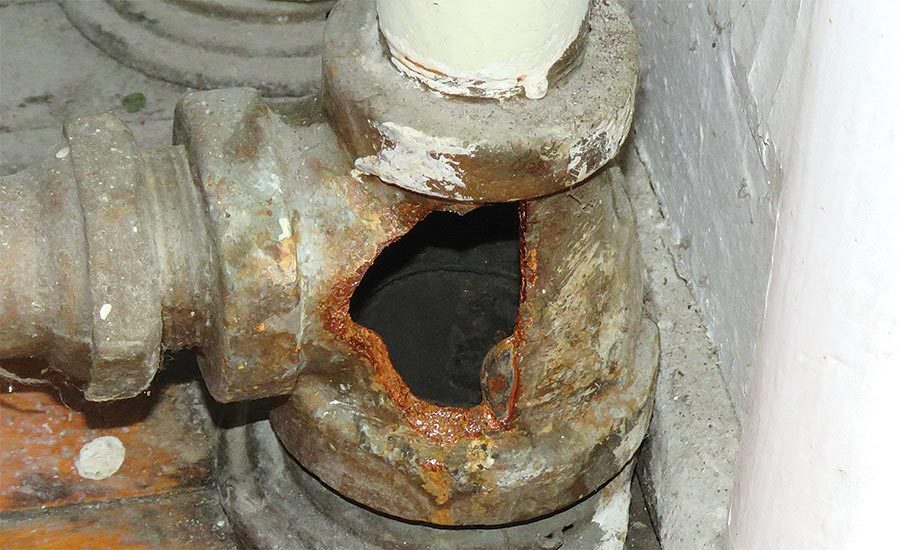
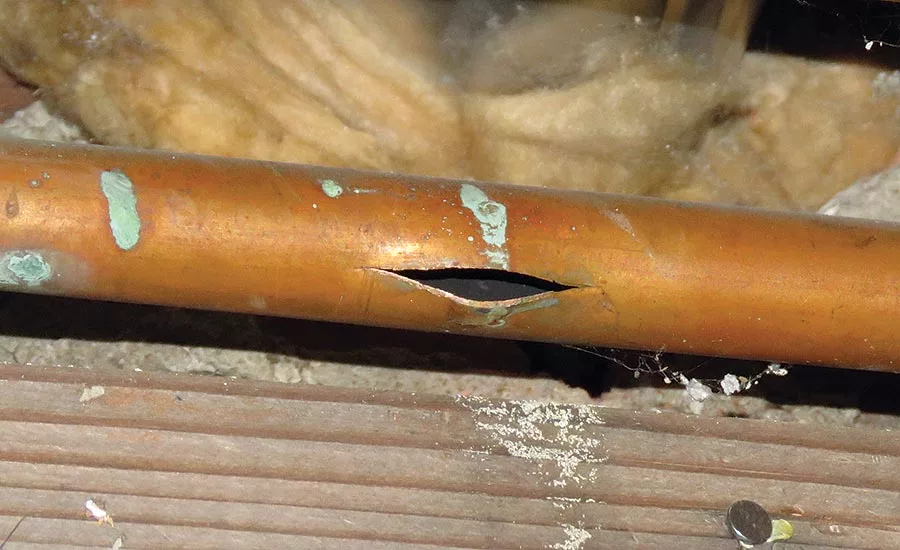
Understanding how drain pipes freeze can save you from unexpected plumbing disasters during cold weather. When water inside these pipes drops below freezing temperature, it turns into ice and expands. This expansion can cause blockages or even cracks in your pipes, leading to costly repairs.
Causes Of Pipe Freezing
Pipes freeze mainly because of exposure to cold air. If your drain pipes run through unheated spaces or outside walls, they are more likely to freeze.
- Poor insulation:Pipes without enough insulation lose heat quickly.
- Sudden temperature drops:A quick cold snap can catch your pipes off guard.
- Standing water:Water that doesn’t flow stays in the pipe and freezes faster.
I once noticed my basement drain pipe froze overnight after a chilly wind blew through a small crack in the wall. That experience taught me to check and seal any openings where cold air might sneak in.
Common Vulnerable Areas
Not all pipes face the same risk. Some spots in your home are more vulnerable to freezing than others.
- Unheated basements and crawl spaces:These areas often lack temperature control.
- Exterior walls:Pipes running along or inside outside walls lose warmth quickly.
- Attics and garages:These spaces can get very cold during winter.
- Outdoor hose bibs and irrigation systems:Leftover water here can freeze easily.
Have you checked if your drain pipes pass through any of these risky areas? Identifying them early can help you take steps to protect your plumbing before temperatures drop.
Credit: www.pmmag.com
Signs Of Frozen Drain Pipes
Frozen drain pipes can cause serious problems in your home, but the tricky part is often spotting the issue before it gets worse. Recognizing the signs early can save you from costly repairs and water damage. Let’s look at the key indicators that your drain pipes might be frozen.
Slow Draining Water
If your sink, shower, or bathtub starts draining much slower than usual, it could mean there’s a blockage caused by ice inside the pipes. You might notice water pooling or taking longer to disappear. This is often the first warning sign that something is restricting flow below the surface.
Unusual Noises
Have you ever heard strange gurgling, banging, or clanking sounds coming from your drains? These noises might occur because water is struggling to move past a frozen section. Pay close attention to any new or odd sounds—your pipes could be trying to tell you there’s a freeze forming.
Ice Buildup Indicators
Look for visible ice around exposed pipes, especially in basements, crawl spaces, or near exterior walls. Sometimes frost or condensation forms on pipes before they fully freeze. You might even spot small leaks caused by expanding ice pushing against pipe joints.
Risks Of Frozen Pipes
Frozen pipes are more than just an inconvenience; they pose serious risks that can disrupt your daily life and drain your wallet. Understanding these dangers helps you take action before a small freeze turns into a costly disaster. Let’s look at the main risks you face when your drain pipes freeze.
Pipe Bursting
When water freezes inside a pipe, it expands. This expansion creates pressure that the pipe walls can’t always handle. The result? Pipes can crack or burst, leading to a sudden flood inside your home.
Have you ever wondered why a small ice blockage can cause such chaos? It’s because even a tiny crack lets water escape once it thaws, causing damage you might not see immediately.
Water Damage
Water from a burst pipe doesn’t just stay where it bursts. It seeps into walls, floors, and ceilings. This can ruin drywall, insulation, and flooring, leading to mold growth that threatens your health and home.
Imagine waking up to a soggy carpet and peeling paint. That’s the reality many face after frozen pipes break, making water damage one of the most frustrating consequences.
Costly Repairs
Fixing a burst or damaged pipe isn’t cheap. Beyond replacing the pipe itself, you may need to repair structural damage and replace ruined belongings. These costs add up quickly, often surpassing thousands of dollars.
Have you considered how much a simple preventive step could save you? Investing in pipe insulation or heating cables is far cheaper than emergency repairs after a freeze.

Credit: www.angi.com
Preventing Drain Pipe Freezing
Preventing your drain pipes from freezing is crucial during cold months. Frozen pipes can cause costly damage and disrupt your daily routine. Taking proactive steps helps you avoid these headaches and keeps your plumbing working smoothly.
Insulating Pipes
Insulating your pipes is one of the most effective ways to stop freezing. Use foam pipe sleeves or wrap pipes with insulation tape to keep the cold out. Focus on pipes in unheated areas like basements, attics, or crawl spaces.
Don’t just guess which pipes need insulation. Walk around your home and check where pipes feel cold or exposed. Adding insulation in those spots can save you from a burst pipe later.
Maintaining Water Flow
Keeping water moving inside the pipes prevents freezing. During extreme cold, let a slow drip flow from faucets connected to vulnerable pipes. This small flow keeps water from settling and freezing.
Have you noticed pipes freezing even when it’s just a little chilly? Moving water can make all the difference. It may cost a bit more in water, but it’s cheaper than a repair bill.
Sealing Cracks And Openings
Cold air sneaking in through cracks around windows, doors, or where pipes enter walls can freeze your pipes. Seal gaps with weatherstripping or caulk to block chilly drafts.
Check your home’s exterior carefully. Even small openings can cause big problems on cold nights. If you’ve ever felt a cold breeze near your pipes, sealing it can protect your plumbing.
Emergency Actions For Frozen Pipes
Frozen drain pipes can cause serious damage quickly. Acting fast reduces risks of bursts and costly repairs. Knowing the right emergency steps helps protect your home and restore water flow safely.
Safe Thawing Methods
Start by opening faucets connected to the frozen pipe. This allows water to flow as the ice melts. Use a hair dryer on low heat to warm the pipe gradually. Move the dryer back and forth along the frozen section. Never use open flames or high heat sources. Wrap the pipe with warm towels soaked in hot water. Replace towels often to keep heat constant. Space heaters or heat lamps can help in the surrounding area. Keep monitoring the pipe for any signs of leaks or cracks. Patience is key; thaw slowly to avoid pipe damage.
When To Call A Professional
Call a plumber if the pipe remains frozen after trying to thaw. Contact professionals if you detect leaks or bursts. Avoid handling frozen pipes near electrical wiring. Seek help if you feel unsure or unsafe. Professionals have tools and experience to fix problems fast. Early expert intervention can save your home from severe water damage. Don’t delay calling for help to avoid bigger issues.

Credit: www.advancedplumbing.ca
Long-term Maintenance Tips
Protecting your drain pipes from freezing isn’t just about quick fixes; it requires ongoing care. Long-term maintenance helps avoid costly repairs and keeps your plumbing reliable year-round. Let’s look at practical ways you can maintain your system to prevent frozen pipes.
Regular Inspections
Checking your pipes regularly can spot trouble before it starts. Look for cracks, leaks, or areas where pipes are exposed to cold air. Simple inspections, especially before winter, save you from unexpected pipe bursts.
If you notice any signs of wear, don’t wait. Fixing small issues early is much easier than dealing with major damage later. Have you checked your pipes recently?
Upgrading Pipe Materials
Some materials handle cold better than others. Copper pipes are common but can freeze faster than plastic alternatives like PEX. Switching to frost-resistant piping can reduce your risk significantly.
Consider upgrading older metal pipes to newer materials that flex slightly and resist freezing. This is an investment that pays off in peace of mind and fewer repairs.
Winterizing Your Plumbing System
Preparing your pipes for winter means more than just insulation. Drain outdoor faucets and sprinkler systems to stop water from freezing inside. Shut off water to exterior pipes if possible.
Keep your home’s temperature consistent, especially in areas with pipes. Even a small drop in heat can cause freezing. Have you tried these steps to winterize your plumbing yet?
Frequently Asked Questions
Can A Drain Pipe Freeze In Winter?
Yes, drain pipes can freeze during cold weather. When water inside pipes freezes, it expands and may cause blockages or damage.
What Causes Drain Pipes To Freeze?
Drain pipes freeze due to low temperatures and poor insulation. Standing water inside pipes is more likely to freeze.
How Can I Prevent Drain Pipes From Freezing?
Insulate pipes, seal leaks, and keep water flowing slightly to prevent freezing. Also, maintain a warm indoor temperature.
What Happens If A Frozen Drain Pipe Bursts?
A burst pipe can cause water damage, leaks, and costly repairs. It may also disrupt your plumbing system.
Conclusion
Frozen drain pipes can cause serious problems in cold weather. They may burst and lead to costly repairs. Protect pipes by insulating them well and keeping water flowing. Small steps can prevent big damage. Stay alert during freezing temperatures. Take action early to keep your home safe and dry.
Remember, frozen pipes are avoidable with simple care.