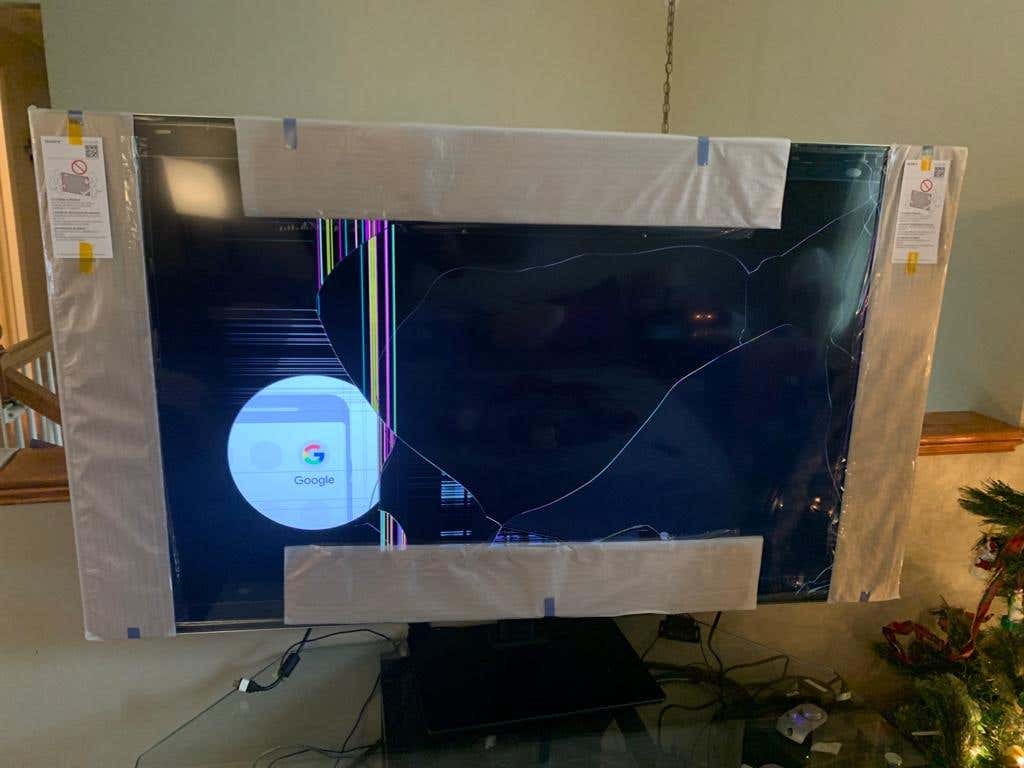
Have you ever wondered if your flat screen TV can survive the winter chill? As temperatures drop, many of us start to question how our beloved electronics will fare against freezing conditions.
Whether you’re storing your TV in an unheated garage or thinking about using it in a chilly outdoor space, the concern is real. You’re not alone in wondering if these sleek screens are as fragile as they seem. We’ll uncover the truth about your TV’s resilience to cold weather.
Understanding this could save you from costly mistakes and keep your entertainment setup running smoothly. Stick around, and you’ll discover how to protect your investment from the icy grip of winter.

Credit: www.amazon.com
Effects Of Cold On Electronics
Cold temperatures affect more than just how you feel outside; they also have a significant impact on your electronic devices. Understanding how freezing conditions influence the delicate components inside your flat screen TV can help you protect your investment. Let’s break down what really happens to electronics when the mercury drops.
How Low Temperatures Impact Tv Components
When your TV is exposed to freezing temperatures, the materials inside react differently. The liquid crystals in the screen can become sluggish, causing the display to appear dim or flicker. Plastic parts may become brittle, increasing the risk of cracks if the TV is moved or bumped.
Electronic circuits don’t like extreme cold either. The conductivity of metals changes, which can lead to slower response times or temporary malfunctions. Capacitors and batteries inside the TV might also lose efficiency, making power supply unstable.
Have you ever noticed your TV acting strange after being in a cold garage? That’s the electronics struggling to adapt to the temperature shift. It’s a reminder that even modern technology isn’t immune to nature’s chill.
Common Issues In Cold Environments
- Screen Discoloration:Colors may shift or fade due to slowed liquid crystals.
- Delayed Response:Remote commands might not register instantly because internal circuits lag.
- Condensation Risks:Moving a cold TV into a warm room can cause moisture buildup inside, leading to corrosion.
- Power Supply Problems:Batteries and capacitors might fail to deliver consistent power, causing random shutdowns.
Have you considered how often your TV faces temperature swings? Even brief exposure to cold can start these issues. Protecting your TV means thinking about where and how you use it, not just how it looks or sounds.
Flat Screen Tv Durability
Flat screen TVs offer great picture quality and sleek design. Their durability depends on many factors. Cold temperatures can affect their performance and lifespan. Understanding how these TVs withstand freezing conditions helps in proper care and usage.
Materials Used In Modern Tvs
Modern flat screen TVs use materials designed for indoor use. The screen is usually made of glass or plastic. The frame often includes metal and plastic parts. Internal components like circuit boards are sensitive to cold. Cold can cause some materials to contract and become brittle. This may lead to cracks or damage if the TV is exposed to freezing temperatures for long.
Manufacturer Temperature Guidelines
Manufacturers provide temperature guidelines for their TVs. Most suggest keeping the TV between 32°F (0°C) and 104°F (40°C). Operating the TV below freezing can cause screen flickering or delayed response. Extreme cold may damage internal circuits or the display panel. Storing the TV in freezing temperatures without power can also harm it. Following these guidelines helps keep the TV working well and lasting longer.
Testing Tvs In Freezing Conditions
Testing TVs in freezing conditions helps understand their durability and performance. Cold temperatures can affect screen quality and internal components. Electronics often face challenges in low temperatures. Testing reveals how well flat screen TVs operate under such stress.
Lab Experiments And Findings
Scientists test TVs inside cold chambers with controlled temperatures. Temperatures drop below freezing, sometimes to -20°C or lower. Tests check screen brightness, color accuracy, and response time. Internal parts face stress from contraction and condensation.
Results show many TVs slow down or flicker at very low temperatures. Some models recover quickly once warmed up. Others may have permanent damage to display or circuits. Manufacturers often design TVs for room temperature use only.
Tests also measure power consumption and signal reception during cold. Some TVs consume more power as components struggle to work. Signal quality can degrade due to electronic interference caused by cold.
Real-world Performance Examples
Outdoor TVs in cold climates offer real-world data. Many users report screen dimming or freezing issues. Some TVs fail to turn on until warmed inside. Snow and moisture increase the risk of damage.
Specialized outdoor TVs use weatherproof cases and heating elements. These TVs maintain performance even below zero degrees Celsius. Normal indoor TVs often lose sharpness and color vibrancy outside.
- Flat screens may crack if exposed to sudden cold shocks.
- Repeated freezing and thawing cycles reduce lifespan.
- Proper installation and protection improve outdoor use.
Understanding these examples helps buyers choose the right TV for cold environments. Testing ensures TVs meet user expectations in harsh weather.
Credit: www.bestbuy.com
Tips For Protecting Tvs In Cold
Protecting your flat screen TV from cold temperatures is essential if you want to keep it functioning well through winter or in chilly environments. Cold can affect the screen’s performance and internal components, so taking the right precautions is key. Here are some practical tips you can use to shield your TV from freezing conditions and avoid costly damage.
Proper Installation Practices
Where and how you install your TV makes a big difference in its ability to handle cold weather. Avoid placing your TV near windows or doors where cold drafts can reach it directly. Instead, mount it on an interior wall that stays warmer and more stable in temperature.
Consider the height of the installation too. Installing the TV higher up can reduce exposure to cold air that tends to settle near the floor. Also, keep cables and connections inside the room, as exposed wires can freeze and disrupt power or signal.
Using Protective Covers And Enclosures
Protective covers are a simple way to shield your TV from cold air and moisture. Use weather-resistant covers designed specifically for electronics, which let heat escape while blocking cold winds. This prevents condensation buildup that can short-circuit your TV’s electronics.
For outdoor TVs, investing in a sturdy enclosure with insulation can make a huge difference. These enclosures keep the temperature around the TV more consistent. Have you ever seen a TV shut down unexpectedly on a cold day? Using an enclosure helps avoid those frustrating moments.
Alternatives For Cold Environments
Using a standard flat screen TV in freezing temperatures can be risky. The cold can damage the screen and internal components, leading to malfunction. Luckily, there are practical alternatives designed to handle harsh outdoor environments without compromising performance.
Specialized Outdoor Tvs
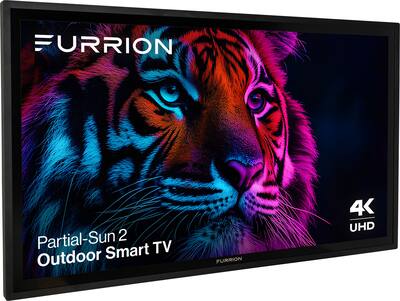
Outdoor TVs are built to endure extreme weather, including freezing temperatures. They come with reinforced screens and weatherproof casings that protect against moisture, dust, and cold.
Many models have anti-reflective coatings and higher brightness levels, making them easy to view even in bright sunlight or snowy conditions. If you want to watch your favorite shows outside during winter, these TVs offer a reliable solution without the fear of damage.
Have you ever tried using a regular TV outside on a chilly day? If so, you probably noticed the screen flickering or lagging. Outdoor TVs prevent these issues, keeping your entertainment smooth and clear.
Heating Solutions For Electronics
If investing in a specialized outdoor TV isn’t an option, heating solutions can help protect your existing devices. Small, controlled heating pads or enclosures with built-in heaters maintain a safe operating temperature for your TV.
These solutions prevent condensation and freezing inside the device, which are common causes of damage. You can find weatherproof TV enclosures equipped with heaters specifically designed for cold climates.
Think about your garage or outdoor workspace—adding a heating solution can extend the life of your electronics significantly. These setups are often easy to install and cost-effective compared to replacing damaged TVs repeatedly.

Credit: www.foxnews.com
Frequently Asked Questions
Can A Flat Screen Tv Function In Freezing Temperatures?
Flat screen TVs can operate in cold conditions, but extreme freezing may damage internal components. Most TVs work best between 32°F and 104°F. Prolonged exposure to freezing temperatures can cause screen issues or permanent damage.
How Does Cold Weather Affect Tv Screen Quality?
Cold weather can cause slow screen response and temporary image distortion. LCD and LED panels may appear dimmer or flicker. These effects usually disappear once the TV warms up to room temperature.
Should I Use A Flat Screen Tv Outdoors In Winter?
Outdoor use of flat screen TVs in winter requires weatherproof models. Standard TVs are not designed for extreme cold or moisture. To protect your TV, use a weatherproof enclosure or heating system.
Can Freezing Temperatures Cause Permanent Damage To A Flat Screen Tv?
Yes, freezing temperatures can cause permanent damage. Cold can crack the screen or harm internal circuits. Avoid exposing your TV to temperatures below manufacturer recommendations to ensure longevity.
Conclusion
Flat screen TVs do not handle freezing temperatures well. Cold can damage the screen and internal parts. Using a TV outside in winter can cause problems. Keep your TV in a warm place for best results. Protect it from frost and moisture at all times.
Taking care of your TV helps it last longer. Think twice before placing a flat screen in cold spots. Safe use means better picture and longer life. Simple steps prevent costly repairs or replacements.