Are you wondering if your flex fuel car can run on regular gas? It’s a common question that many car owners face.
Knowing the right fuel to use can save you money and protect your engine. You’ll discover exactly what happens when you put regular gas in a flex fuel vehicle. You’ll also learn the pros and cons, so you can make the best choice for your car and your wallet.
Keep reading to get clear answers and avoid costly mistakes.
Credit: www.daytondailynews.com
What Is A Flex Fuel Car
Have you ever wondered about the versatility of your vehicle’s fuel options? If so, you’re likely curious about what a flex fuel car is and what it offers. A flex fuel car is designed to run on more than one type of fuel, giving you flexibility and potentially saving you money at the pump. But what exactly sets these vehicles apart?
Key Features
Flex fuel cars are equipped with advanced engines and fuel systems that can handle different fuel blends. This means you have the option to use ethanol, gasoline, or a combination of both. Imagine pulling up to a gas station and having the choice to fill up with a mix that suits your needs and budget.
These vehicles often feature sensors that adjust the engine’s settings based on the type of fuel used. This ensures optimal performance whether you’re cruising on regular gas or a higher ethanol blend. The flexibility in fuel choice can be a game-changer, especially during price surges.
Fuel Compatibility
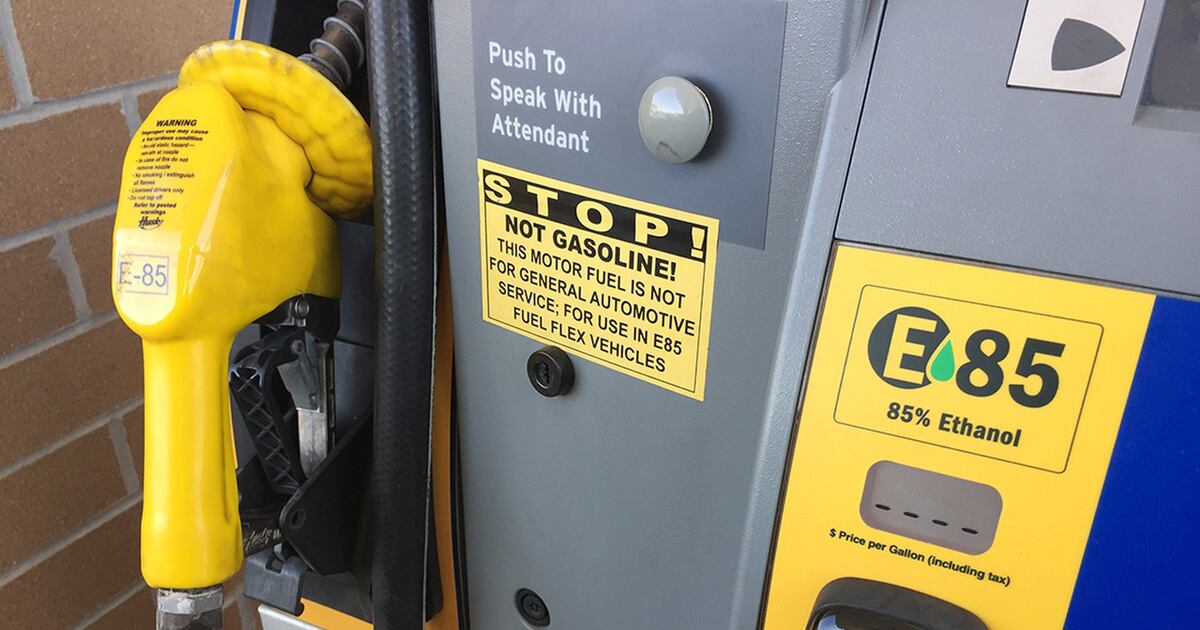
The primary advantage of a flex fuel car is its ability to use E85, a blend of 85% ethanol and 15% gasoline. However, you can also fill up with regular unleaded gasoline if that’s more convenient or cost-effective for you. This compatibility gives you the best of both worlds, allowing you to switch based on availability and price.
Think about the environmental impact too. Ethanol is a renewable resource and using it can reduce greenhouse gas emissions compared to traditional gasoline. This makes flex fuel cars an attractive option for environmentally conscious drivers.
In essence, owning a flex fuel car means you’re not locked into a single fuel source. Have you considered how this versatility could fit into your lifestyle and driving habits? It opens up new possibilities, both economically and environmentally.

Credit: www.coverfox.com
How Flex Fuel Cars Handle Regular Gas
Flex fuel cars are designed to run on ethanol blends or pure gasoline. They have sensors and systems that detect the fuel type. This helps the engine adjust itself for different fuel mixtures. Using regular gas in a flex fuel car is common and usually safe. Understanding how these cars handle regular gas is helpful for drivers.
Engine Performance
Flex fuel cars adjust their engine to match the fuel type. When using regular gas, the engine timing changes to prevent knocking. The car runs smoothly, but it may not reach the full power possible with ethanol blends. Regular gas has less oxygen content than ethanol. This means the engine produces slightly less power. Still, the difference is often small and not noticeable in daily driving.
Fuel Efficiency
Fuel efficiency can change based on the fuel used. Ethanol has a lower energy content than gasoline. This means cars running on ethanol blends use more fuel to travel the same distance. When a flex fuel car uses regular gas, fuel efficiency usually improves. The car uses less fuel per mile compared to ethanol blends. Drivers may see better mileage with regular gas. The car’s fuel system automatically adjusts to optimize efficiency.
Pros And Cons Of Using Regular Gas
Flex fuel cars are designed to run on ethanol blends or pure gasoline. Using regular gas instead of ethanol fuel has both advantages and drawbacks. Understanding these can help you make an informed choice for your vehicle.
Benefits
- Regular gas is widely available at most gas stations.
- It often costs less than ethanol blends like E85.
- Using regular gas can improve fuel economy in some cases.
- Flex fuel cars adjust automatically to different fuel types.
- Regular gas can provide smoother engine performance.
Potential Risks
- Regular gas has less ethanol, which may reduce emissions benefits.
- Some engines may produce more pollutants using regular gas.
- Long-term use of regular gas may affect fuel system parts.
- Fuel economy might be slightly lower with regular gas in some models.
- Using regular gas too often might lead to engine knocking in some cases.

Credit: www.reddit.com
Impact On Emissions And Environment
The impact on emissions and the environment is an important factor when choosing fuel for a flex fuel car. These vehicles can run on ethanol, gasoline, or a mix of both. Each fuel type affects the environment differently. Understanding these effects helps drivers make smarter choices.
Using regular gasoline in a flex fuel car changes the emissions profile. Gasoline produces more carbon monoxide and hydrocarbons than ethanol. These pollutants contribute to air pollution and smog. Ethanol burns cleaner and reduces harmful emissions.
Choosing ethanol or a blend lowers greenhouse gases. It also reduces dependence on fossil fuels. Ethanol is made from plants, which absorb carbon dioxide as they grow. This creates a smaller carbon footprint compared to pure gasoline.
Differences In Carbon Emissions
Gasoline releases more carbon dioxide than ethanol. Ethanol has oxygen in its molecules, helping it burn more completely. This results in fewer carbon emissions. Flex fuel cars running on ethanol reduce their impact on climate change.
Effect On Air Quality
Gasoline produces more smog-forming chemicals. Ethanol reduces these pollutants, improving air quality. Cleaner air means better health for people and the environment. Using ethanol helps cities meet air pollution standards.
Renewable Fuel Benefits
Ethanol is renewable because it comes from plants. These plants can be grown again each year. Gasoline is made from oil, a limited resource. Using ethanol supports sustainable energy and reduces reliance on oil.
Potential Environmental Drawbacks
Growing crops for ethanol requires land and water. This can affect ecosystems and food supplies. It is important to balance fuel production with environmental care. Choosing the right mix of fuels helps protect nature.
Cost Considerations Between Flex Fuel And Regular Gas
The cost difference between flex fuel and regular gas matters to many drivers. Choosing between the two affects your wallet over time. Understanding these costs helps make smarter fueling decisions.
Price Differences At The Pump
Flex fuel, also called E85, usually costs less per gallon than regular gas. This price gap varies by region and season. Many gas stations price E85 lower to attract drivers with flex fuel cars.
Fuel Efficiency Impact
Flex fuel cars often get fewer miles per gallon on E85 than on regular gas. This lower fuel efficiency means you might use more gallons of E85. It can reduce the savings from the cheaper price per gallon.
Long-term Cost Effects
Fuel costs add up over time. Using regular gas in a flex fuel car can mean higher cost per gallon but better mileage. Using E85 saves money per gallon but may increase fuel use. Balance your choice based on local prices and driving habits.
Vehicle Maintenance Costs
Flex fuel cars do not usually need special maintenance for E85 use. Some believe E85 can clean engine parts, but evidence is mixed. Regular gas use keeps maintenance costs steady.
Tips For Choosing The Right Fuel
Choosing the right fuel for a flex fuel car affects its performance and engine health. Using improper fuel may cause damage or reduce efficiency. Knowing how to select the best fuel helps keep your vehicle running smoothly. Here are some key tips to guide your choice.
Checking Vehicle Manual
Always start by reading the vehicle manual. It states the types of fuel the car can use. The manual explains whether regular gas or E85 ethanol blend suits the engine. It also lists any fuel restrictions and recommendations. Following these instructions protects your car’s engine and warranty.
Fuel Availability
Consider fuel options available near you. E85 is not sold everywhere, but regular gas is common. Choose the fuel that is easy to find and fits your driving needs. Keep in mind that using E85 can lower fuel mileage. Plan your trips based on where you can refuel your flex fuel vehicle.
Frequently Asked Questions
Can A Flex Fuel Car Run On Regular Gasoline?
Yes, a flex fuel car can run on regular gasoline. However, using E85 fuel is optimal for performance and efficiency. Regular gas may reduce fuel economy but won’t harm the engine.
Will Using Regular Gas Damage A Flex Fuel Car?
Using regular gas occasionally won’t damage a flex fuel car. The engine and fuel system are designed to handle both E85 and gasoline safely.
Is Fuel Efficiency Lower With Regular Gasoline In Flex Fuel Cars?
Yes, fuel efficiency is generally lower when using regular gasoline in flex fuel cars. E85 fuel offers better performance and mileage specific to these vehicles.
How Does Regular Gas Affect Emissions In Flex Fuel Vehicles?
Regular gas usually produces higher emissions compared to E85 in flex fuel vehicles. Using ethanol-blended fuel helps reduce greenhouse gas emissions effectively.
Conclusion
Flex fuel cars can run on regular gas, but it’s not ideal. Using regular gas may reduce engine performance and fuel efficiency. These cars work best with E85 fuel for cleaner burning. Regular gas can be used safely in emergencies or short periods.
Always check your vehicle’s manual for fuel recommendations. Choosing the right fuel helps protect your car’s engine. Save money and avoid damage by using the correct fuel type. Keep your flex fuel car running smoothly with proper care. Simple steps lead to better driving and longer vehicle life.