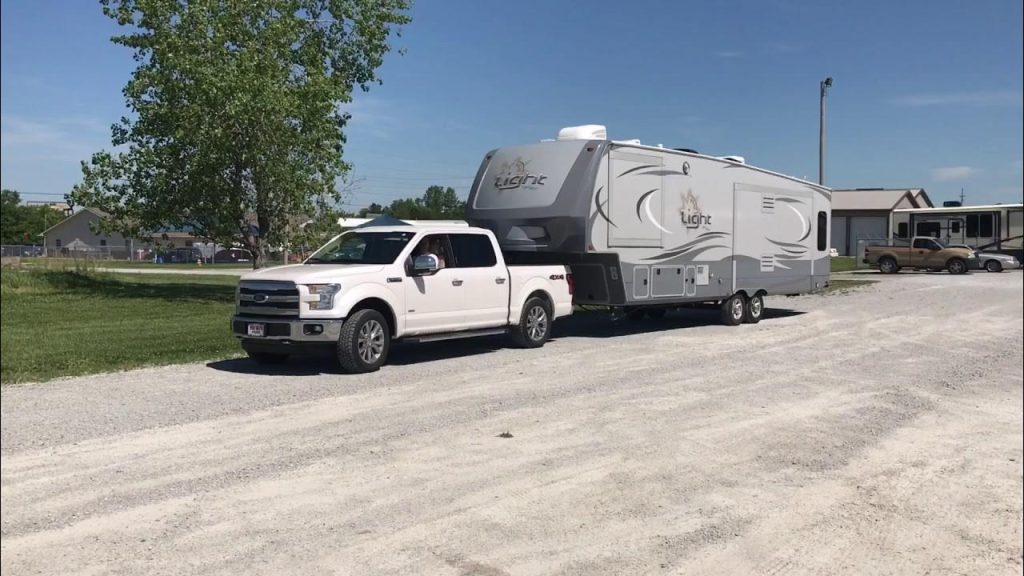
Are you wondering if your Ford F150 can handle towing a 5th wheel? You’re not alone.
Many truck owners ask this question before hitting the road with a large trailer. Knowing the answer can save you time, money, and a lot of frustration. You’ll discover exactly what your Ford F150 is capable of, what factors affect its towing power, and how to tow safely.
Keep reading to find out if your truck is up for the challenge and how to make the most of its towing potential.

Credit: www.f150forum.com
Ford F150 Towing Capacity
The Ford F150 is a popular choice for those needing a reliable truck with impressive towing capabilities. Understanding its towing capacity is key if you want to pull a 5th wheel trailer safely and efficiently. Let’s break down the factors that affect how much weight your F150 can handle.
Engine Options And Their Impact
Your F150’s engine plays a huge role in towing performance. Ford offers several engines, from the fuel-efficient 3.3L V6 to the powerful 3.5L EcoBoost V6. The EcoBoost engine, with its turbocharged power, can significantly increase towing capacity compared to the base engine.
Choosing the right engine means balancing power with fuel economy. The 5.0L V8 also provides solid towing power but might consume more fuel on long hauls. What’s your priority—maximum power or better gas mileage?
Max Towing Ratings By Model
| F150 Model | Engine | Max Towing Capacity (lbs) |
|---|---|---|
| XL / XLT | 3.3L V6 | 7,700 |
| Lariat | 2.7L EcoBoost V6 | 9,000 |
| King Ranch / Platinum | 3.5L EcoBoost V6 | 13,200 |
| Raptor | 3.5L EcoBoost V6 (Performance) | 8,000 |
These numbers show the impressive range across different trims. But remember, max towing ratings are based on ideal conditions. Real-world factors like road grade, trailer weight distribution, and weather impact your actual towing capacity.
Payload Vs Towing Capacity
It’s common to confuse payload with towing capacity, but they are different. Payload refers to how much weight your truck can carry inside the bed and cabin. Towing capacity is how much weight it can pull behind it.
When pulling a 5th wheel, payload still matters because the hitch sits in the bed and adds weight to it. Exceeding your payload can damage suspension and brakes, even if your towing capacity isn’t maxed out. Are you balancing both numbers when planning your trip?
Knowing your F150’s towing and payload limits will help you avoid costly mistakes. Always double-check your specific model’s ratings before hooking up that 5th wheel.
5th Wheel Trailer Basics
Understanding the basics of a 5th wheel trailer helps when choosing the right truck for towing. These trailers offer unique features and benefits. Knowing what they are and their weight limits is important. It also explains why many prefer 5th wheels over other trailers.
What Is A 5th Wheel Trailer?
A 5th wheel trailer connects to a hitch mounted inside the truck bed. This hitch sits above or slightly forward of the rear axle. The trailer extends over the truck’s bed, unlike traditional trailers. It usually has two or more axles and a large living area. Many use it for camping or hauling heavy cargo. The design offers stability and easier maneuvering.
Weight Considerations
Weight plays a key role in towing a 5th wheel trailer. The trailer’s gross weight includes its empty weight plus cargo and passengers. Always check the truck’s towing capacity before hooking up. Payload capacity also matters since the hitch adds weight to the truck bed. Overloading can cause damage and unsafe driving. Balance is critical to avoid sway and loss of control.
Advantages Over Other Trailers
- Better stability due to the hitch placement over the rear axle
- More interior space compared to similar length travel trailers
- Easier to tow and maneuver in tight spaces
- Less sway on highways and rough roads
- Better weight distribution for safer driving
Matching F150 With 5th Wheel
Matching a Ford F150 with a 5th wheel trailer requires careful consideration. It’s not just about hooking up and driving off. You need to ensure your truck can safely handle the weight and that the right equipment is in place.
Weight Limits And Safety
The Ford F150 has specific towing capacities depending on the engine and configuration. Exceeding these limits can strain your truck and compromise safety. Always check your truck’s Gross Combined Weight Rating (GCWR) and the trailer’s weight before you hitch.
Remember, towing a 5th wheel isn’t just about the trailer’s weight—it includes cargo inside the trailer and the truck’s own load. Overloading can lead to poor handling, increased braking distance, and potential damage to your vehicle. Have you checked the exact towing specs of your F150 model recently?
Recommended Models For 5th Wheel
Not all F150s are built equally for towing a 5th wheel. Models with the 3.5L EcoBoost V6 or the 5.0L V8 engine offer higher towing capacities that suit heavier trailers. The SuperCrew cab often provides better payload capacity, which is crucial when you add the hitch weight.
Consider the trim level too—higher trims often come with towing packages that include upgraded suspension and cooling systems. These features can make a significant difference during long trips. What model year and engine do you have, and how does that match your trailer’s weight?
Trailer Hitch Types For 5th Wheel
The type of hitch you use can affect your towing experience. A 5th wheel hitch mounts in the truck bed, directly over or slightly in front of the rear axle, providing better stability than a conventional bumper hitch. Installing the right hitch requires precise placement and sometimes professional help.
There are a few popular options:
- Fixed 5th wheel hitches – sturdy and reliable but take up bed space permanently.
- Sliding 5th wheel hitches – allow tighter turning radius, ideal for short bed trucks.
- Gooseneck adapters – less common, but can convert a gooseneck hitch to 5th wheel use.
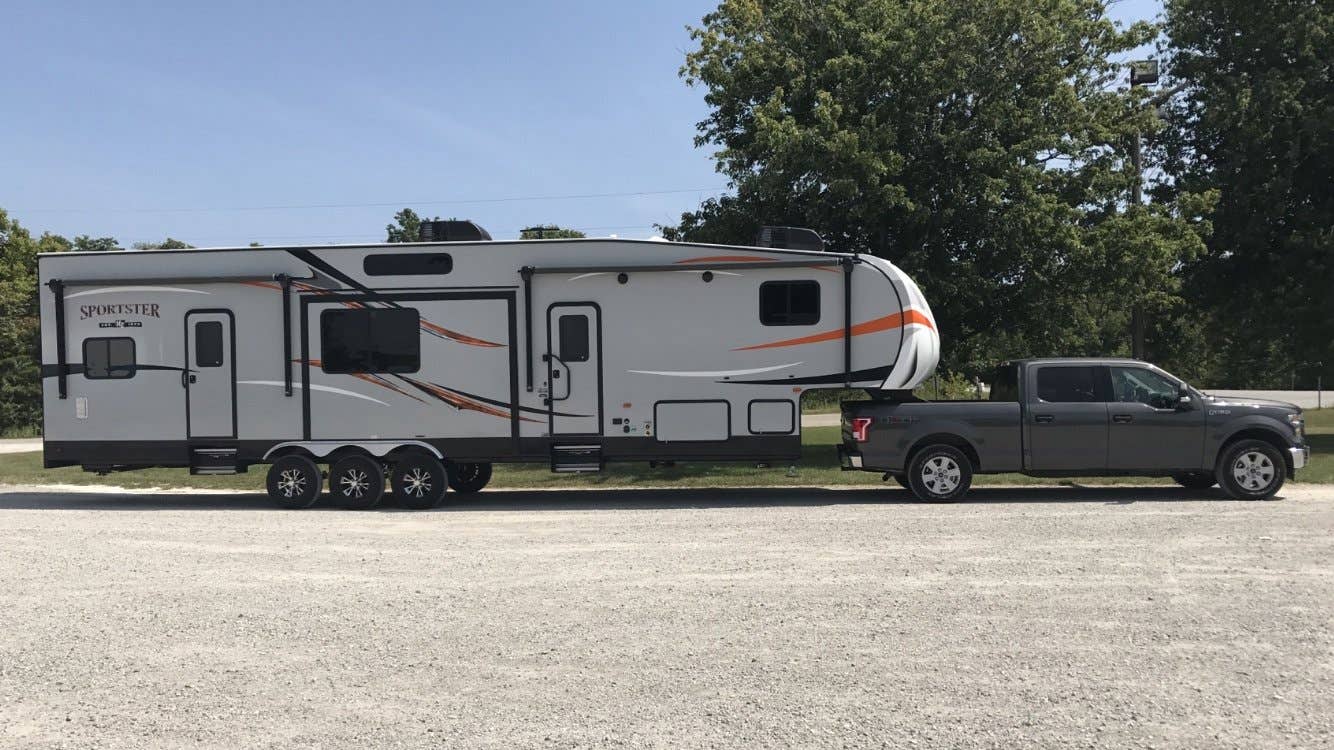
Credit: www.f150ecoboost.net
Installing A 5th Wheel Hitch
Installing a 5th wheel hitch on a Ford F150 allows it to tow large trailers safely. Proper installation ensures stability and control while driving. The process involves selecting the right hitch and mounting it securely inside the truck bed. Understanding the types of hitches and installation methods helps make the best choice.
Types Of Hitches Compatible With F150
The Ford F150 works well with several 5th wheel hitch types. Each fits different towing needs and truck models.
- Rail-Mounted Hitches:Installed on rails bolted to the truck bed. They offer strong support and easy removal.
- Gooseneck Adapter Hitches:Convert a gooseneck hitch into a 5th wheel hitch. Good for flexible towing options.
- Pin Box Hitches:Attach directly to the trailer frame. Require compatible mounting systems in the truck bed.
Choosing a hitch depends on towing weight, truck bed size, and ease of use.
Installation Tips And Best Practices
Mount the hitch in the truck bed’s center for balance. Always follow the manufacturer’s instructions carefully.
- Measure twice before drilling any holes.
- Use high-quality bolts and hardware.
- Check clearance under the truck for proper fit.
- Tighten all fasteners to specified torque values.
- Test the hitch by connecting a trailer before driving.
Proper installation improves towing safety and prevents damage to the truck or trailer.
Professional Vs Diy Installation
Professional installation offers experience and tools for a secure fit. It reduces risk of errors and warranty issues.
DIY installation can save money but needs careful attention to detail. It suits those with mechanical skills and proper tools.
- Professional Installation:Faster, safer, and often includes warranty support.
- DIY Installation:Cost-effective, flexible schedule, but requires time and knowledge.
Choose the option that matches your comfort level and budget.
Towing Tips For 5th Wheel Trailers
Towing a 5th wheel trailer with a Ford F150 requires careful attention to safety and control. Proper towing techniques help avoid accidents and make the trip smoother. Following simple tips can improve handling and reduce wear on your truck and trailer.
Driving Techniques
Drive slowly and steadily. Sudden movements can cause sway or loss of control. Use lower gears on hills to maintain power and control. Keep a larger distance from other vehicles to allow more stopping time. Take wide turns to prevent the trailer from hitting curbs or objects.
Braking And Handling
Brake early and gently to avoid jerky stops. Use trailer brake controllers to balance braking power between truck and trailer. Avoid sharp steering or quick lane changes. Watch for trailer sway and slow down if it starts to happen. Smooth driving reduces stress on your vehicle’s suspension and tires.
Maintenance Checks Before Towing
- Check tire pressure on both truck and trailer.
- Inspect lights and signals for proper function.
- Ensure the hitch and locking mechanisms are secure.
- Verify trailer brakes work correctly.
- Look for any loose or damaged parts on the trailer.
Regular maintenance helps prevent breakdowns and unsafe conditions on the road.
Common Challenges And Solutions
Towing a 5th wheel with a Ford F150 brings certain challenges. These issues can affect safety and vehicle performance. Knowing common problems helps prepare for a smooth tow. Solutions exist to tackle each challenge effectively. This section covers key hurdles and practical fixes.
Handling Overweight Loads
Overloading strains the truck’s engine and transmission. It causes faster wear on tires and suspension. The Ford F150 has towing limits that must be respected. Check the truck’s Gross Combined Weight Rating (GCWR) before hooking up.
Properly distributing the load improves control and reduces stress. Place heavier items low and near the trailer’s center. Use weight distribution hitches to balance the load across axles. Avoid exceeding the tow rating to maintain safety and performance.
Dealing With Sway And Stability
Sway happens when the trailer moves side to side. It can cause dangerous loss of control. Wind, passing vehicles, and uneven roads increase sway risk. Trailer sway control devices help keep the trailer steady.
Driving at moderate speeds reduces sway chances. Sudden turns and quick lane changes worsen instability. Using a weight distribution hitch with sway control built-in improves handling. Regularly check tire pressure on both truck and trailer for better grip.
Upgrading Suspension And Brakes
The stock suspension might not handle heavy 5th wheel loads well. Upgraded springs or airbags can support extra weight. Stronger suspension keeps the truck level and improves ride comfort.
Braking performance is critical when towing. Larger or upgraded brakes reduce stopping distances. Trailer brake controllers synchronize trailer brakes with the truck. This upgrade enhances safety during downhill and emergency stops.
Legal And Safety Regulations
Before hooking up a 5th wheel to your Ford F150, understanding the legal and safety regulations is crucial. These rules vary depending on where you live and can impact how safely and legally you tow. Ignoring them can lead to fines, accidents, or even damage to your vehicle.
Weight Limits By State
Each state sets its own weight limits for towing, which means your Ford F150 might be perfectly legal in one state but not in another. These limits often include the gross combined weight rating (GCWR) and axle weight restrictions.
For example, some states allow a maximum towing weight of 15,000 pounds, while others might cap it at 12,000 pounds. Knowing these limits helps you avoid fines and ensures your truck is not overloaded, which can affect braking and handling.
Required Safety Equipment
Safety equipment requirements can vary, but certain items are almost always required when towing a 5th wheel. These include:
- Trailer brakes and brake controller
- Proper lighting and reflectors
- Safety chains or cables
- Breakaway switch for the trailer
Using a brake controller is essential for controlling the trailer’s brakes and maintaining stability. Have you checked if your Ford F150’s brake controller is properly installed and calibrated?
Towing Insurance Considerations
Your regular vehicle insurance might not cover damages or liability when towing a 5th wheel. Specialized towing insurance or an endorsement on your existing policy can protect you from costly claims.
Check with your insurance provider about:
- Coverage limits for towing
- Liability protection for trailer damage
- Requirements for insuring the 5th wheel itself
Are you fully covered if something goes wrong on the road? It’s better to ask before you need the coverage.
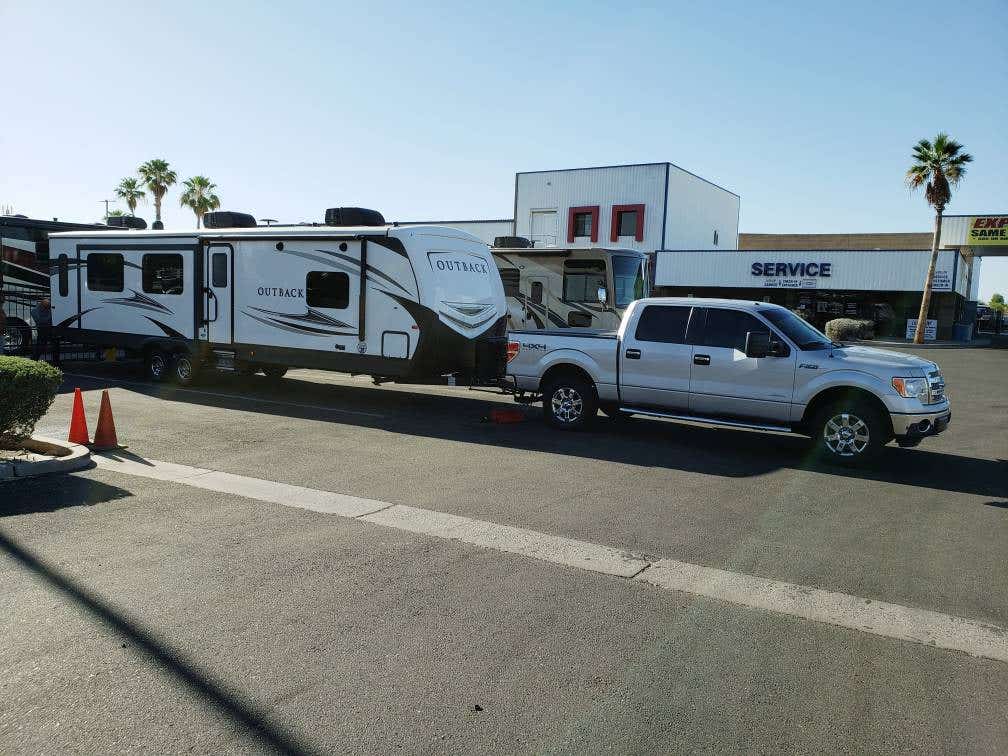
Credit: www.f150ecoboost.net
Alternative Towing Options
Exploring alternative towing options can help you haul larger trailers with ease. The Ford F150 may not handle every towing job, especially heavy fifth wheels. Choosing the right setup ensures safety and better performance. These alternatives provide practical solutions for towing needs beyond the F150’s capacity.
Using A Gooseneck Hitch
A gooseneck hitch offers a strong connection point in the truck bed. It attaches directly over the rear axle, improving stability. This setup distributes weight better than a traditional bumper hitch. Many heavy trailers use gooseneck hitches for safer towing. Adapting your truck with a gooseneck may increase its towing power.
Towing With Larger Ford Models
Larger Ford trucks like the F250 and F350 are built for heavy towing tasks. They have higher towing capacities and stronger frames. These models handle fifth wheels more easily than the F150. Choosing a heavier-duty Ford can prevent strain on your vehicle. It also provides extra features designed for trailer control and safety.
Renting Vs Buying A Suitable Truck
Renting a heavy-duty truck is a smart choice for occasional towing. It saves money compared to buying a new truck. Rental options often include models with gooseneck or fifth wheel setups. Buying a truck makes sense for frequent towing needs. Consider how often you tow before deciding which option fits best.
Frequently Asked Questions
Can A Ford F150 Tow A 5th Wheel?
Yes, a Ford F150 can tow a 5th wheel, depending on its towing capacity. Always check the specific model’s towing capacity to ensure it’s suitable for your needs.
What Is The Towing Capacity Of A Ford F150?
The towing capacity of a Ford F150 varies by model and configuration. Generally, it ranges from 5,000 to 14,000 pounds. Always consult the owner’s manual for exact specifications.
How To Prepare A Ford F150 For 5th Wheel Towing?
To prepare your Ford F150 for 5th wheel towing, install a compatible 5th wheel hitch. Ensure your truck’s suspension and brakes are in good condition.
Is A Special Hitch Required For 5th Wheel Towing?
Yes, a special 5th wheel hitch is required for towing. It’s designed to fit in the truck bed and offers better stability and control.
Conclusion
A Ford F150 can pull a 5th wheel if properly equipped. Check the truck’s towing capacity and hitch type. Match the trailer weight with the truck’s limits. Drive carefully and stay within safety rules. This helps avoid damage and keeps everyone safe.
Choose the right model and towing package for best results. A well-prepared F150 makes towing easier and more reliable. Keep maintenance up to date to ensure smooth trips. Tow smart and enjoy your adventure with confidence.