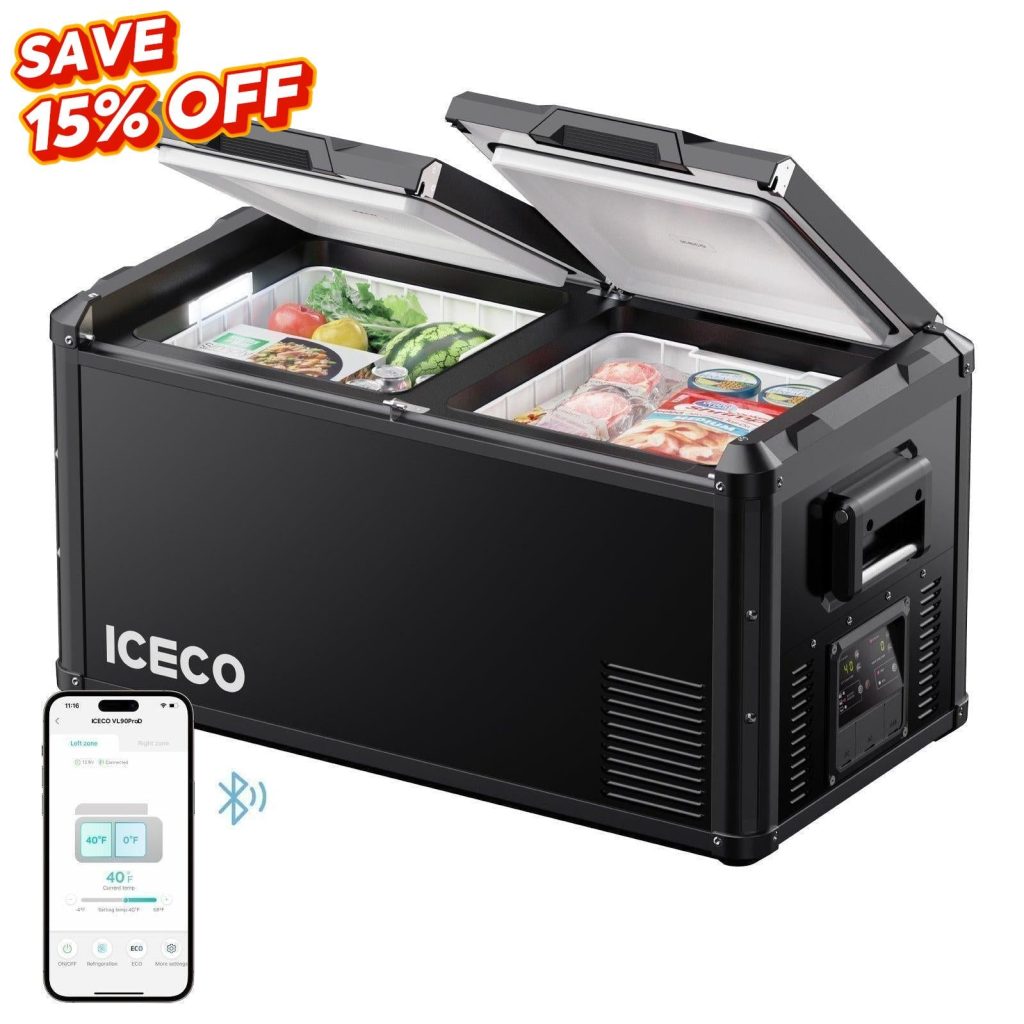
Have you ever found yourself in a pinch, needing more fridge space, and wondered if your trusty freezer could step in? You’re not alone.
Many people have pondered this intriguing possibility. Imagine saving money and space by simply adjusting the settings on your freezer. Sounds too good to be true, right? But what if it isn’t? We’ll explore whether your freezer can really double as a fridge and what you need to know to make it happen.
Stick around, because this could change how you use your kitchen appliances forever.
Freezer Vs Fridge Basics
Understanding the basics of a freezer versus a fridge is key if you’re thinking about using one as the other. Both appliances are designed to keep your food fresh, but they operate in different ways to suit specific needs. Knowing how they differ helps you decide if a freezer can double as a fridge in your home or kitchen setup.
Temperature Differences
Freezers keep food at temperatures typically below 0°F (-18°C) to freeze items solid. Refrigerators, on the other hand, maintain temperatures between 35°F and 40°F (1.7°C to 4.4°C) to slow down bacterial growth without freezing.
This big temperature gap means your freezer won’t keep fresh produce or drinks at the right chill—they’ll freeze or become too cold, which affects texture and taste. Have you ever tried chilling soda in a freezer? It often ends up frozen or even exploded!
Design And Function
Freezers are built with thicker insulation and stronger seals to maintain those very low temperatures. They often lack the adjustable shelves and compartments that fridges have for organizing different types of food.
Fridges also include features like humidity controls and crispers designed to keep fruits and vegetables fresh longer. Using a freezer as a fridge might mean losing these handy functions, making food storage less efficient and sometimes messy.
Energy Consumption
Freezers generally consume more energy because they work harder to maintain lower temperatures around the clock. Running a freezer at fridge temperatures can cause the appliance to cycle on and off more frequently, increasing energy use and possibly shortening its lifespan.
You might think using a freezer as a fridge saves space, but consider the higher electricity bills and wear on the machine. Is the trade-off really worth it in your daily routine?
Using A Freezer As A Fridge
Using a freezer as a fridge might seem unusual but it is possible. Some people try this option to save space or manage energy use. A freezer cools much colder than a fridge, so adjustments are needed. Understanding how to change settings and knowing the limits helps avoid problems. This section explores how to use a freezer as a fridge and what to expect.
Adjusting Temperature Settings
Freezers usually run at temperatures below 0°F (-18°C). Fridges keep food around 37°F to 40°F (3°C to 4°C). To use a freezer as a fridge, raise the temperature setting. Some freezers have a dial or digital control for this change.
Check the manual for the right way to adjust. Use a thermometer inside to monitor the temperature. It might take a day or two to reach the new level. Avoid setting it too warm to prevent spoilage.
Storage Limitations
Freezers have shelves made for frozen items, not fresh foods. Air circulation works differently in a freezer than in a fridge. This can affect how long fresh foods stay good. Soft fruits and vegetables might not keep well.
Large bottles or tall items may not fit due to shelf design. Some freezers lack door shelves, reducing space for small items. Organize carefully to avoid crowding and allow air flow.
Potential Benefits
- Can save money if a fridge is unavailable.
- Uses less energy if temperature is set right.
- Works well for drinks and some fruits.
- Good temporary solution during fridge repair.
Using a freezer as a fridge is not ideal long-term. Still, it offers a flexible option in certain situations. Understanding how to adjust and store food helps make it work better.
Risks And Drawbacks
Using a freezer as a fridge might seem like a smart idea, but it comes with several risks and drawbacks. These issues can affect food safety, damage the appliance, and reduce energy efficiency. Understanding these concerns helps avoid problems and ensures better food storage.
Food Safety Concerns
Freezers keep food much colder than fridges. This extreme cold can cause some foods to freeze, altering their texture and taste. Other items may not stay at a safe temperature for fresh food storage, increasing the risk of spoilage. Bacteria growth can still happen if the temperature is not steady. Uneven cooling can lead to unsafe conditions for certain perishable foods.
Appliance Wear And Tear
Freezers are designed to run differently than fridges. Using a freezer as a fridge puts extra stress on its compressor and cooling system. This can cause faster wear and tear. The appliance might break down sooner than expected. Repair costs can rise if the freezer is used in a way it was not meant for.
Efficiency Issues
Freezers use more energy to maintain colder temperatures. Running a freezer at a higher temperature to act like a fridge reduces its efficiency. This causes higher electricity bills. The appliance works harder to keep food cool. This waste of energy is not cost-effective or eco-friendly.
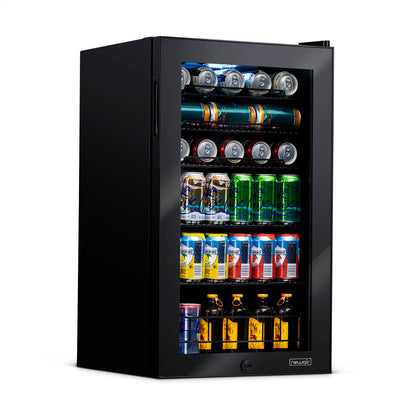
Credit: www.newair.com
Expert Tips For Conversion
Turning a freezer into a fridge can be a smart way to save space and money, but it requires some careful adjustments. Without the right changes, your food might not stay fresh, and the appliance could work harder than it should. Here are expert tips to help you convert your freezer effectively and keep your food at the perfect temperature.
Thermostat Modifications
Freezers are designed to stay much colder than refrigerators, so the thermostat needs adjustment. Most freezers have a dial or control that can be turned to a warmer setting, but this often isn’t precise enough for fridge temperatures.
Consider installing an external temperature controller. These devices plug into the freezer and regulate power based on the temperature you set, giving you more control.
This small investment can prevent your food from freezing solid or spoiling. Have you checked your freezer’s manual to see if temperature control adjustments are possible?
Proper Food Arrangement
How you organize food inside your converted freezer matters a lot. Unlike fridges, freezers rely on solid cold air circulation rather than cool, moist air.
Use baskets or bins to separate foods and avoid stacking items directly on the cooling elements. This helps maintain even airflow and consistent temperatures throughout.
Keep frequently used items near the door for easy access, and avoid overfilling to prevent cold spots. What’s your current strategy for arranging food for maximum freshness?
Monitoring And Maintenance
Regular checks are essential once your freezer is functioning as a fridge. Use a reliable fridge thermometer to monitor the temperature daily and make adjustments if needed.
Clean the coils and vents regularly to ensure efficient cooling. Dust buildup can cause the compressor to work harder, leading to higher energy bills and possible breakdowns.
Watch for signs like unusual noises or inconsistent temperatures, which might indicate problems. How often do you inspect your appliances to keep them in top shape?
Alternative Solutions
Using a freezer as a fridge is not ideal for daily use. It may not maintain the right temperature for fresh food. Instead, consider other options that suit your needs better. These alternatives offer convenience and proper cooling for your items.
Mini Fridges And Coolers
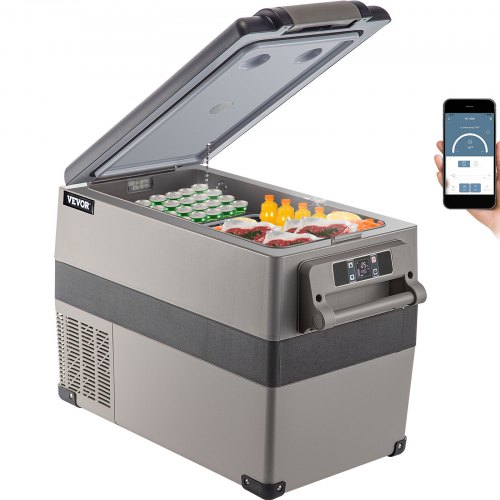
Mini fridges are compact and perfect for small spaces. They use less power and keep food fresh at the right temperature. Coolers with ice packs also provide temporary cold storage. These options fit well in offices, dorms, or small kitchens.
Dual-function Appliances
Some appliances combine fridge and freezer in one unit. They allow you to switch between cooling and freezing modes. This flexibility helps save space and energy. You can store fresh and frozen food in one device.
Energy-efficient Models
Energy-efficient fridges use less electricity and save money. Look for models with good energy ratings. They keep food fresh without high power use. These fridges work well in homes and offices, reducing your carbon footprint.

Credit: www.lowes.com
Credit: www.vevor.com
Frequently Asked Questions
Can A Freezer Keep Food Fresh Like A Fridge?
A freezer keeps food frozen, not fresh like a fridge. Fridges maintain temperatures above freezing, ideal for fresh food storage. Freezers are too cold for fresh items, causing texture and taste changes.
How Long Can Food Stay In A Freezer Used As Fridge?
Food can last days in a freezer used as a fridge. However, fluctuating temperatures may cause faster spoilage. It’s best to monitor food closely and avoid long-term storage this way.
What Are The Energy Impacts Of Using A Freezer As Fridge?
Using a freezer as a fridge can increase energy consumption. Freezers use more power to maintain lower temperatures. Running a freezer at fridge temperatures may lead to inefficiency and higher electricity bills.
Can I Adjust A Freezer To Function As A Fridge?
Some freezers allow temperature adjustment to fridge levels. However, not all models support this safely or effectively. Check your freezer’s manual before attempting to use it as a fridge.
Conclusion
A freezer can sometimes work as a fridge, but it has limits. It may not keep food at the best temperature for freshness. Using a freezer this way can cause higher energy use. It might also shorten the life of your appliance.
Think about what you need before making a choice. A regular fridge usually fits everyday needs better. Remember, safety and food quality matter most. Choose the right appliance to save money and avoid waste. Simple choices help keep your food fresh and safe.