Have you ever wondered if your garbage disposal can freeze? It’s a question many homeowners don’t think about until it’s too late.
If your disposal does freeze, it can cause serious problems in your kitchen, leaving you frustrated and unsure what to do next. You’ll discover why freezing happens, how to spot the signs, and simple steps you can take to prevent it.
Keep reading to protect your kitchen and avoid costly repairs—you’ll be glad you did.

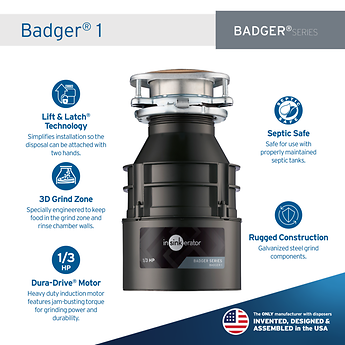
Credit: www.insinkerator.com
Why Garbage Disposals Freeze
Understanding why your garbage disposal can freeze is key to preventing costly repairs and inconvenient kitchen downtime. Freezing happens when water inside the disposal or the connected pipes turns solid, blocking the unit’s moving parts or drainage. Knowing the common causes helps you spot the problem early and take action before it worsens.
Cold Weather Effects
Freezing temperatures pose a real threat to your garbage disposal. When the kitchen or basement area gets too cold, the water inside the disposal or pipes can freeze, causing the blades to lock up. If your home isn’t well insulated, even short cold snaps can create ice buildup inside the unit.
Have you ever left your kitchen unused during a cold spell and found the disposal jammed the next day? That’s a clear sign cold weather is affecting your appliance. Keeping the area warm or running the disposal regularly can help prevent this.
Water Accumulation
Water sitting inside the disposal is a recipe for freezing trouble. When water doesn’t drain properly, it pools inside the unit and can freeze when temperatures drop. This trapped water expands as it freezes, causing parts to stick or even crack.
You can avoid water accumulation by ensuring your disposal is cleared after each use. Flushing it with hot water before cold nights helps keep the lines clear and reduces freeze risks. What’s your routine for keeping your kitchen plumbing dry?
Clogged Drain Issues
A clogged drain can worsen freezing problems by preventing water from flowing out of the disposal. Blockages cause water to back up and stay inside the unit longer, increasing the chance of freezing. Food scraps, grease, and soap buildup often cause these clogs.
Regularly cleaning your drain and disposal reduces freeze risks and keeps your kitchen running smoothly. Try simple remedies like baking soda and vinegar or a drain snake to clear minor blockages. How often do you check your drains for slow drainage?
Signs Of A Frozen Disposal
Recognizing the signs of a frozen garbage disposal early can save you from costly repairs and inconvenience. A frozen disposal doesn’t just stop working; it often gives you clear hints that something is wrong. Paying attention to these signs helps you take action before the problem worsens.
Unusual Noises
If your disposal suddenly starts making grinding, humming, or rattling sounds, it could be frozen. These noises often happen when the blades are stuck and unable to turn properly. Have you noticed a strange buzz or clunk when you try to run your disposal? That’s a clear red flag that something is jammed or frozen inside.
Motor Not Running
When you flip the switch and nothing happens, it’s tempting to blame the power supply. But sometimes, a frozen disposal motor simply can’t turn because it’s locked up. If your motor doesn’t start, don’t just reset the breaker—check if the disposal is frozen first. It’s a simple step that can prevent you from damaging the motor.
Water Backup
Water pooling in your sink or draining slowly can point to a frozen disposal blocking the flow. When the disposal blades don’t move, food and water can’t pass through the pipes properly. If you see water backing up, it’s time to inspect the disposal for ice or stuck debris causing the freeze.
Risks Of A Frozen Garbage Disposal
A frozen garbage disposal is more than just an inconvenience. It can cause serious problems that affect your entire kitchen plumbing. Understanding these risks helps protect your home and avoid costly repairs.
Motor Damage
The motor in a garbage disposal can break if water inside freezes. Ice stops the blades from moving, forcing the motor to work harder. This strain can burn out the motor quickly. Repairing or replacing the motor is often expensive.
Pipe Cracks
Water expands as it freezes, which puts pressure on pipes connected to the disposal. This pressure can cause cracks or even bursts in the pipes. Cracked pipes lead to more damage and require immediate fixing to prevent leaks.
Water Leaks
Frozen pipes or seals in the disposal unit can cause leaks. Leaks under the sink may damage cabinets and floors. Water damage can also encourage mold growth, harming your home and health.

Credit: www.pinkoatmeal.com
Quick Fixes For A Frozen Disposal
A frozen garbage disposal can stop your kitchen routine. Quick fixes help get it working again fast. These simple steps are easy to follow and need no special tools. Start with safe ways to thaw and free the blades. Then try manual moves to loosen stuck parts. Each technique saves time and avoids costly repairs.
Thawing Techniques
Frozen disposal parts block normal function. Warm the unit gently to melt ice inside. Avoid harsh heat that can damage the motor or plastic. Use a hairdryer or place a warm cloth on the disposal. Let it sit for several minutes. Check if the blades start moving again.
Using Hot Water
Running hot water helps clear ice and debris. Turn on the tap to the hottest setting. Let water flow into the disposal for at least two minutes. Hot water softens frozen food stuck inside. It also warms the pipes to prevent refreezing. Avoid boiling water, which might crack the sink or pipes.
Manual Rotation
Sometimes the blades jam and stop spinning. Use a hex wrench or disposal key in the bottom hole. Rotate it back and forth slowly to free stuck parts. Do not force the blades too hard. This motion loosens ice and debris. Always unplug the disposal before trying this step to stay safe.
Preventing Disposal Freezing
Preventing your garbage disposal from freezing helps avoid costly repairs. Cold temperatures can cause water inside the pipes and disposal unit to freeze. This leads to blockages and potential damage. Taking simple steps keeps your disposal running smoothly during winter months.
Proper Usage Tips
Run cold water while using the disposal. Cold water solidifies fats and oils, preventing clogs. Avoid putting grease or fat down the drain. These substances harden and cause freezing. Use the disposal regularly to keep water flowing. This prevents standing water that can freeze inside.
Regular Maintenance
Clean the disposal often to remove food debris. Use a brush or disposal cleaner for best results. Check for leaks around the unit and pipes. Fix leaks quickly to stop water accumulation. Run the disposal with ice cubes to sharpen blades and clear buildup. Schedule professional inspections before winter arrives.
Insulating Pipes
Wrap exposed pipes with foam insulation sleeves. Insulation keeps pipes warm and prevents freezing. Seal gaps around pipes where cold air enters. Use heat tape on pipes if temperatures drop severely. Ensure proper ventilation to avoid moisture build-up. Insulated pipes reduce the risk of frozen blockages and damage.

Credit: www.bobvila.com
When To Call A Professional
Knowing when to call a professional for a frozen garbage disposal can save you time, money, and frustration. Some issues are easy to fix on your own, but others signal deeper problems that require expert help. Recognizing these warning signs can prevent further damage and keep your kitchen running smoothly.
Persistent Freezing
If your garbage disposal freezes repeatedly, it’s more than just bad luck. Persistent freezing might indicate an underlying problem like a faulty seal or improper insulation around the pipes. You might try simple fixes like thawing or running hot water, but if the freezing keeps coming back, it’s time to get a professional involved.
Electrical Issues
Garbage disposals rely on electrical components that can malfunction when exposed to freezing temperatures. If your disposal won’t turn on, trips the circuit breaker, or makes strange noises, don’t ignore these signs. Electrical problems can be dangerous, so calling a professional electrician ensures the repair is done safely and correctly.
Severe Damage
Cracks in the disposal housing, broken blades, or leaks around the unit are clear signs of severe damage. Trying to operate a damaged disposal can worsen the problem or cause injury. A professional has the tools and expertise to assess the damage accurately and recommend repair or replacement options.
Frequently Asked Questions
Can A Garbage Disposal Freeze In Winter?
Yes, a garbage disposal can freeze if water inside the unit turns to ice. This usually happens in cold climates or if the kitchen is unheated for long periods.
How To Prevent A Garbage Disposal From Freezing?
Run cold water while using the disposal to keep water flowing. Avoid leaving standing water in the sink or disposal overnight during cold weather.
What Happens If A Garbage Disposal Freezes?
A frozen disposal may stop working or cause motor damage. Ice can block the blades, preventing them from spinning properly.
Can Frozen Garbage Disposal Cause Plumbing Issues?
Yes, frozen water can block drains and pipes, leading to clogs or leaks. Promptly thawing the disposal helps prevent further plumbing problems.
Conclusion
A garbage disposal rarely freezes. Yet, it’s not impossible. Cold weather can affect pipes. So, maintain your kitchen plumbing. Run warm water regularly. Use the disposal often. Avoid large chunks of waste. Small amounts prevent clogs and freezing. Keep the disposal clean.
It ensures smooth operation. Inspections by a plumber help too. This prevents unexpected issues. Taking small steps makes a difference. Your garbage disposal will work well. Even in colder months. Keep your kitchen running smoothly. No need to worry about freezing.
Enjoy a hassle-free kitchen experience.