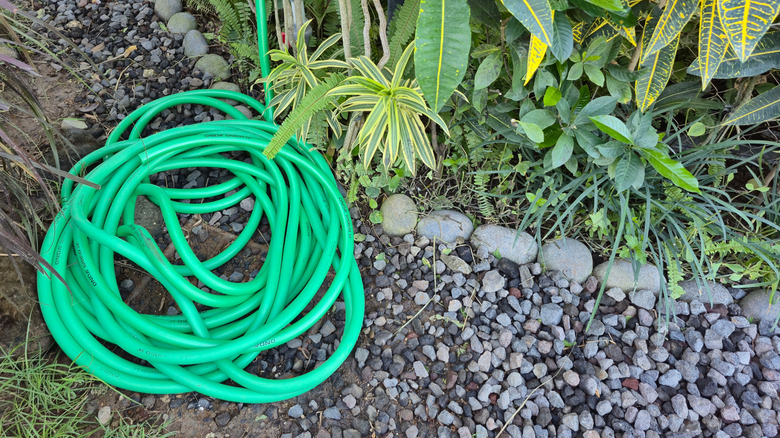
Have you ever wondered what happens to your old garden hose once it’s worn out? You might be asking yourself, “Can a garden hose be recycled?” It’s a question that many homeowners face but few know the answer to.
Recycling your garden hose isn’t just about getting rid of waste—it’s about making a choice that can protect your environment and even save you money. Keep reading to discover the surprising facts about garden hose recycling and learn how you can make a positive impact with your everyday gardening tools.

Credit: www.youtube.com
Garden Hose Materials
Garden hoses come in different materials. Each type has unique features and uses.
Knowing the materials helps to understand if a hose can be recycled or not.
Common Hose Types
Garden hoses are usually made from rubber, vinyl, or a mix of both. Some hoses have fabric or metal reinforcements.
- Rubber hoses:Heavy and flexible. They resist cracking well.
- Vinyl hoses:Lightweight and cheaper. They can be less durable.
- Reinforced hoses:Have layers of fabric or wire inside for strength.
- Expandable hoses:Made with elastic materials that grow when filled with water.
Recyclability Of Materials
| Material | Recyclable | Notes |
| Rubber | No | Hard to recycle due to mixed compounds |
| Vinyl (PVC) | Sometimes | Needs special facilities |
| Metal parts (fittings) | Yes | Can be separated and recycled |
| Fabric reinforcements | No | Usually mixed with plastic or rubber |
| Expandable hose materials | No | Complex blends prevent recycling |
Recycling Challenges
Garden hoses are made from different materials. This mix makes recycling hard.
Recycling centers face problems sorting and processing hoses properly.
Mixed Material Issues
Garden hoses often include plastic, rubber, and metal parts. These materials need different recycling methods.
Separating these parts takes time and special tools. Many recycling plants cannot handle this.
- Plastic layers are hard to separate from rubber
- Metal fittings must be removed before recycling
- Different materials melt at different temperatures
Contamination Concerns
Used garden hoses can have dirt, water, and chemicals inside. This contamination affects recycling quality.
Cleaning hoses before recycling is difficult and costly. Dirty materials can damage recycling machines.
- Soil and plant residues stick inside hoses
- Water trapped in hoses slows drying and processing
- Chemical residues may cause safety issues
Eco-friendly Disposal Options
Recycling a garden hose can be a bit tricky. Not all recycling centers accept them. Here, we explore eco-friendly ways to dispose of your old hose.
Let’s look at some local programs and specialized centers that might help.
Local Recycling Programs
Check if your community has a recycling program that takes garden hoses. Some local programs offer special collection days for unusual items.
- Visit your city’s waste management website for details.
- Contact local recycling centers to ask about drop-off options.
- Some programs have partnerships with hardware stores for recycling.
Specialized Recycling Centers
Some centers specialize in recycling hard-to-dispose items like garden hoses. They might offer more options than local programs.
| Center Name | Location | Contact |
| Green Recycle Hub | Downtown | (555) 123-4567 |
| Eco Waste Solutions | Northside | (555) 987-6543 |
| Recycle Plus | East End | (555) 333-7890 |
Credit: livlig.com
Creative Reuse Ideas
Old garden hoses can still serve many purposes. Instead of throwing them away, you can reuse them in creative ways.
This guide shows ideas for garden and craft projects and home improvement uses. These ideas give new life to worn-out hoses.
Garden And Craft Projects
Cut pieces of garden hose make flexible and durable materials for various projects. You can create unique items for your garden and home.
- Use hose pieces as plant ties to gently hold stems and branches.
- Make coasters or mats by cutting hose into rings and gluing them together.
- Create a bird feeder by shaping the hose into a circle and hanging it with twine.
- Wrap hose sections around tool handles for a better grip.
Home Improvement Uses
Garden hoses can also help with small home repairs and improvements. Their flexibility and durability make them useful around the house.
| Use | Description |
| Door Draft Stopper | Cut hose lengthwise and place it at door bottoms to block drafts. |
| Edge Protector | Cover sharp furniture edges with hose pieces to prevent injuries. |
| Tool Storage | Hang hose loops on walls to hold garden tools or cords. |
| Protective Sleeve | Slip hose over wires to keep them safe from damage. |
Preparing Hose For Recycling
Recycling a garden hose requires some preparation before dropping it off. Proper steps help recycling centers handle the material easily and safely.
Cleaning and sorting the hose by material can increase the chances it will be recycled correctly. This guide explains how to prepare your hose for recycling.
Cleaning And Cutting
Remove dirt and debris from the hose before recycling. Dirt can contaminate recycling machines and lower the quality of recycled materials.
- Use a hose nozzle or brush to clean off mud and grime.
- Rinse the hose with water to remove any remaining dirt.
- Let the hose dry completely to avoid mold growth.
- Cut the hose into shorter pieces, about 3 feet long, for easy handling.
- Use sharp scissors or a utility knife to make clean cuts.
Sorting By Material
Garden hoses often contain different materials such as rubber, plastic, or metal fittings. Sorting these materials helps recycling centers process them properly.
| Material | Action | Why It Matters |
|---|---|---|
| Rubber | Separate from plastic parts | Rubber is recycled differently than plastic |
| Plastic | Remove and group with plastics | Plastic recycling needs clean, sorted material |
| Metal Fittings | Remove and collect separately | Metal can be recycled with scrap metals |
Alternatives To Traditional Hoses
Garden hoses are useful but can harm the environment if not disposed of properly. Many traditional hoses are made from non-recyclable materials.
Choosing eco-friendly hoses helps reduce waste and pollution. Here are some alternatives to consider.
Biodegradable Options
Biodegradable garden hoses break down naturally over time. They use materials that cause less harm to the planet.
- Hoses made from natural rubber or latex
- Compostable hoses using plant-based materials
- Hoses designed to decompose in landfill conditions
Sustainable Hose Brands
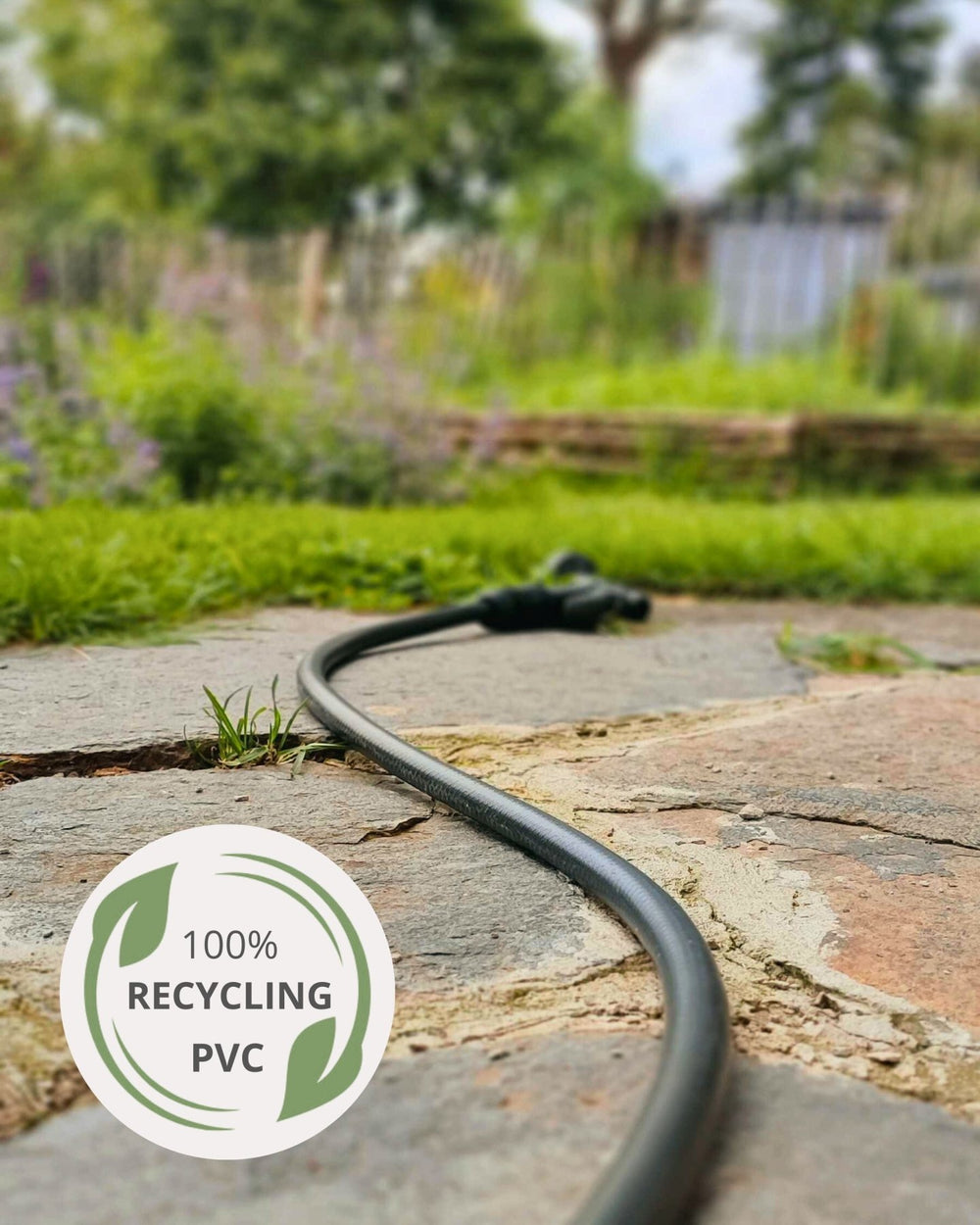
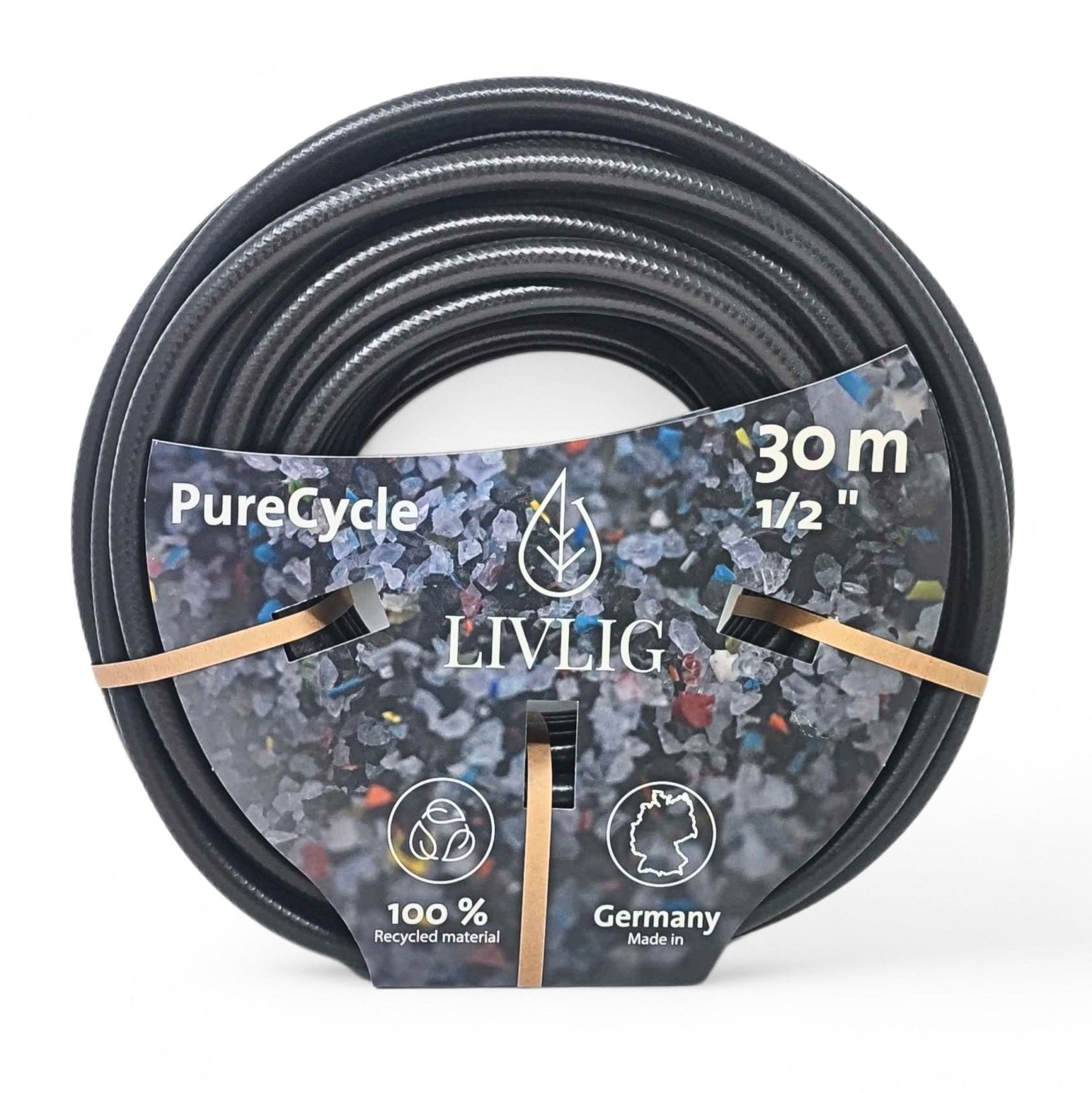
Some brands focus on making hoses with recycled or eco-friendly materials. These hoses last long and reduce plastic use.
| Brand | Material Used | Eco Feature |
| GreenFlow | Recycled PVC | Uses 50% recycled content |
| EcoSpray | Natural Rubber | Biodegradable and durable |
| PureWater | Plant-Based Polymer | Compostable after use |
Credit: livlig.com
Frequently Asked Questions
Can Garden Hoses Be Recycled With Regular Plastics?
Garden hoses are made from mixed materials, making regular plastic recycling difficult. Specialized recycling programs accept them. Check local facilities for garden hose recycling options to avoid landfill waste.
How To Recycle An Old Garden Hose Properly?
Cut your garden hose into smaller pieces. Locate a recycling center that accepts rubber or mixed plastic materials. Drop off the hose pieces or inquire about mail-in recycling services.
Are Garden Hoses Biodegradable Or Eco-friendly?
Most garden hoses are not biodegradable. They contain synthetic rubber and plastics, which can persist in landfills. Choosing eco-friendly hoses made from natural materials reduces environmental impact.
Can Garden Hoses Be Repurposed Instead Of Recycled?
Yes, old garden hoses can be reused creatively. Use them as plant ties, garden edging, or protective covers. Repurposing extends their life and reduces waste effectively.
Conclusion
Recycling a garden hose takes some effort but is possible. Many hoses are made of materials that recycling centers accept. Cutting the hose into smaller pieces helps in processing. Some local programs or stores may offer special recycling options. Repurposing old hoses for crafts or gardening can also reduce waste.
Taking steps to recycle keeps the environment cleaner. Small actions like this make a difference. Consider recycling your garden hose next time you replace it. It’s a simple way to help the planet.