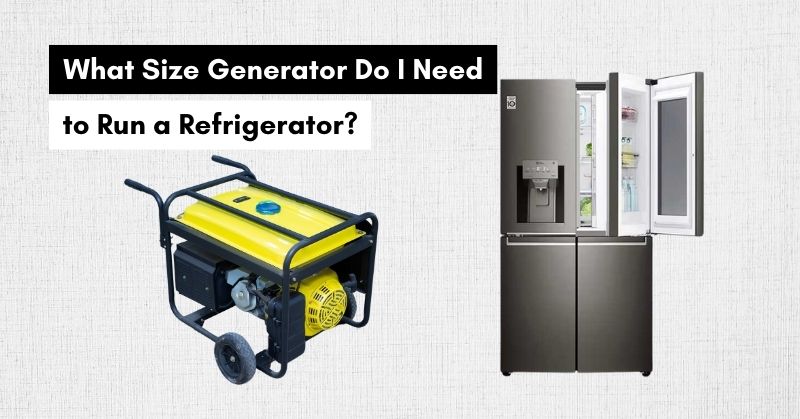
Imagine this: a sudden power outage hits your neighborhood, and you find yourself in the dark, worried about the food in your refrigerator. It’s a common concern, and you’re not alone.
You might be wondering if a generator can be your saving grace and keep your fridge running smoothly. Understanding how generators work with appliances like refrigerators can save you from the stress of spoiled food and wasted money. This article will dive into the essentials you need to know, so you can be prepared for the next blackout.
Stick around, because the solution to your peace of mind might be simpler than you think.
How Generators Work
Generators create electrical power by converting fuel into energy. They use engines to turn a rotor inside a magnetic field. This movement generates electricity. This process lets a generator supply power to appliances like refrigerators during outages.
Types Of Generators
Generators come in several types based on size and use. Portable generators are small and easy to move. They run on gasoline or propane. Standby generators are larger and connect to your home’s electrical system. They use natural gas or propane and start automatically during power loss. Inverter generators produce clean and stable power. They are quieter and fuel-efficient, ideal for sensitive electronics.
Power Output Basics
Generators have two power ratings: starting wattage and running wattage. Starting wattage is the extra power needed when an appliance starts. Running wattage is the continuous power needed to keep it running. Refrigerators need more starting power because of their compressor motors. Knowing these numbers helps pick the right generator size. A generator must supply enough power for your fridge to work properly.
Refrigerator Power Needs
Understanding the power needs of a refrigerator is key when using a generator. Refrigerators do not use a constant amount of electricity. The power demand changes depending on what the appliance is doing. This affects how much energy your generator must supply.
Knowing these details helps you choose the right generator size. It avoids problems like overloading or not starting the fridge at all. Let’s explore the main factors that determine refrigerator power needs.
Starting Vs Running Watts
Refrigerators require more power at startup than during normal operation. This is called starting watts or surge watts. The compressor motor needs extra energy to start moving. This can be two to three times the running watts.
Running watts refer to the power the fridge uses continuously. This is usually much lower than the starting watts. Generators must handle the surge without shutting off. Knowing both numbers helps pick a generator that works well.
Energy Consumption Factors
Several factors affect how much energy a refrigerator consumes:
- Size and model of the refrigerator
- Age and efficiency rating
- Temperature settings inside the fridge
- How often the door opens
- Ambient temperature around the appliance
Newer models tend to use less energy. Keeping the fridge full can reduce power use. Warm surroundings make the compressor run longer. These factors change the total energy your generator must provide.
Matching Generator To Refrigerator
Matching a generator to a refrigerator requires careful planning. The generator must provide enough power for the fridge to run smoothly. Choosing the right size prevents damage to the appliance and avoids generator overload. Understanding power needs helps select the best generator for your refrigerator.
Calculating Required Capacity
Check the refrigerator’s wattage on its label or manual. This number shows how much power it needs during normal operation. Most fridges use between 100 and 800 watts. Add a safety margin of 20% to the wattage for extra protection. This ensures the generator handles small power spikes without problems.
Example:
- Refrigerator wattage: 600 watts
- 20% safety margin: 120 watts
- Total required capacity: 720 watts
Choose a generator with a continuous power rating above this total.
Considering Surge Power
Refrigerators need extra power when the compressor starts. This surge can be 2 to 3 times the normal wattage. The generator must support this temporary high demand. Check the generator’s surge watt rating before buying.
Example:
- Normal running wattage: 600 watts
- Surge wattage (3 times): 1800 watts
Select a generator with at least 1800 surge watts to start the fridge safely.
Safe Operation Tips
Using a generator to power a refrigerator requires careful attention to safety. Proper operation reduces risks and protects your appliances. Following safe tips ensures smooth and reliable performance during power outages or outdoor use.
Proper Connection Methods
Connect the generator directly to the refrigerator using a heavy-duty extension cord. Ensure the cord is rated for outdoor use and matches the generator’s power output. Avoid plugging the refrigerator into household outlets without a transfer switch. This prevents electrical backfeed, which can be dangerous for utility workers.
Place the generator outside in a well-ventilated area. Keep it away from windows and doors to avoid carbon monoxide buildup. Turn off the generator before connecting or disconnecting any appliances. This prevents electrical shocks and damage to the refrigerator.
Avoiding Power Fluctuations
Fluctuations can harm your refrigerator’s compressor and electronics. Use a generator with a built-in voltage regulator or an automatic voltage regulator (AVR). This keeps the power steady and within safe limits.
Start the generator and let it stabilize before turning on the refrigerator. Avoid running other high-power devices at the same time to prevent sudden drops in voltage. Check the generator’s wattage rating to ensure it can handle the refrigerator’s startup surge power.
Common Challenges
Using a generator to power a refrigerator comes with some challenges. Understanding these can help avoid damage and keep the appliance running smoothly. These challenges mostly relate to power limits and fuel use. Careful planning is key.
Overloading Risks
Generators have a maximum power limit. A refrigerator needs extra power to start. This startup surge can overload a small generator. Overloading causes the generator to shut down or break. It can also harm the refrigerator’s compressor. Choosing a generator with enough wattage is important. Always check the refrigerator’s starting and running watt needs.
Fuel Efficiency Concerns
Generators consume fuel continuously while running. Running a generator for long hours can use a lot of fuel. This can become expensive and inconvenient. Fuel storage and supply can also be a problem during outages. Smaller generators may run out of fuel faster. Choosing a fuel-efficient model reduces costs and hassle.
Credit: 4patriots.com
Maintenance And Care
Maintaining your generator and refrigerator properly can make all the difference when relying on a generator for power. Neglecting care might cause unexpected breakdowns just when you need them most. Let’s look at how regular upkeep helps keep both devices running smoothly.
Regular Generator Checks
Check your generator’s oil level and air filter regularly. Clean or replace filters if you notice dirt buildup. This keeps the engine running efficiently and prevents damage.
Run your generator at least once a month, even if you don’t need it. This practice helps identify problems early and keeps fuel flowing properly. Have you noticed how a generator left unused can fail when you suddenly need it?
Inspect all cables and connections for wear or corrosion. Loose connections can cause power fluctuations that harm your refrigerator. Tighten any loose parts and replace damaged wires immediately.
Extending Refrigerator Lifespan
Keep your refrigerator clean inside and out. Dust off the coils at the back or underneath every few months to help it cool efficiently. A dusty coil forces the compressor to work harder, draining more power from your generator.
Check the door seals for cracks or gaps. A poor seal lets cool air escape, making the fridge work overtime. Replace worn-out seals to maintain consistent temperature and save energy.
Set your refrigerator to the recommended temperature, usually between 37°F and 40°F (3°C to 4°C). Avoid setting it too cold, which wastes power, or too warm, which spoils food. Do you monitor your fridge temperature regularly?
- Keep the fridge away from direct sunlight or heat sources to reduce its workload.
- Organize contents to allow good air circulation inside the fridge.
- Avoid opening the door unnecessarily to maintain steady cooling.
Alternative Power Options
Looking beyond traditional gas or diesel generators opens up a world of alternative power options for running your refrigerator. These options often bring quieter operation, cleaner energy, and sometimes more convenience. Let’s break down two popular alternatives that might fit your needs and lifestyle.
Solar Generators
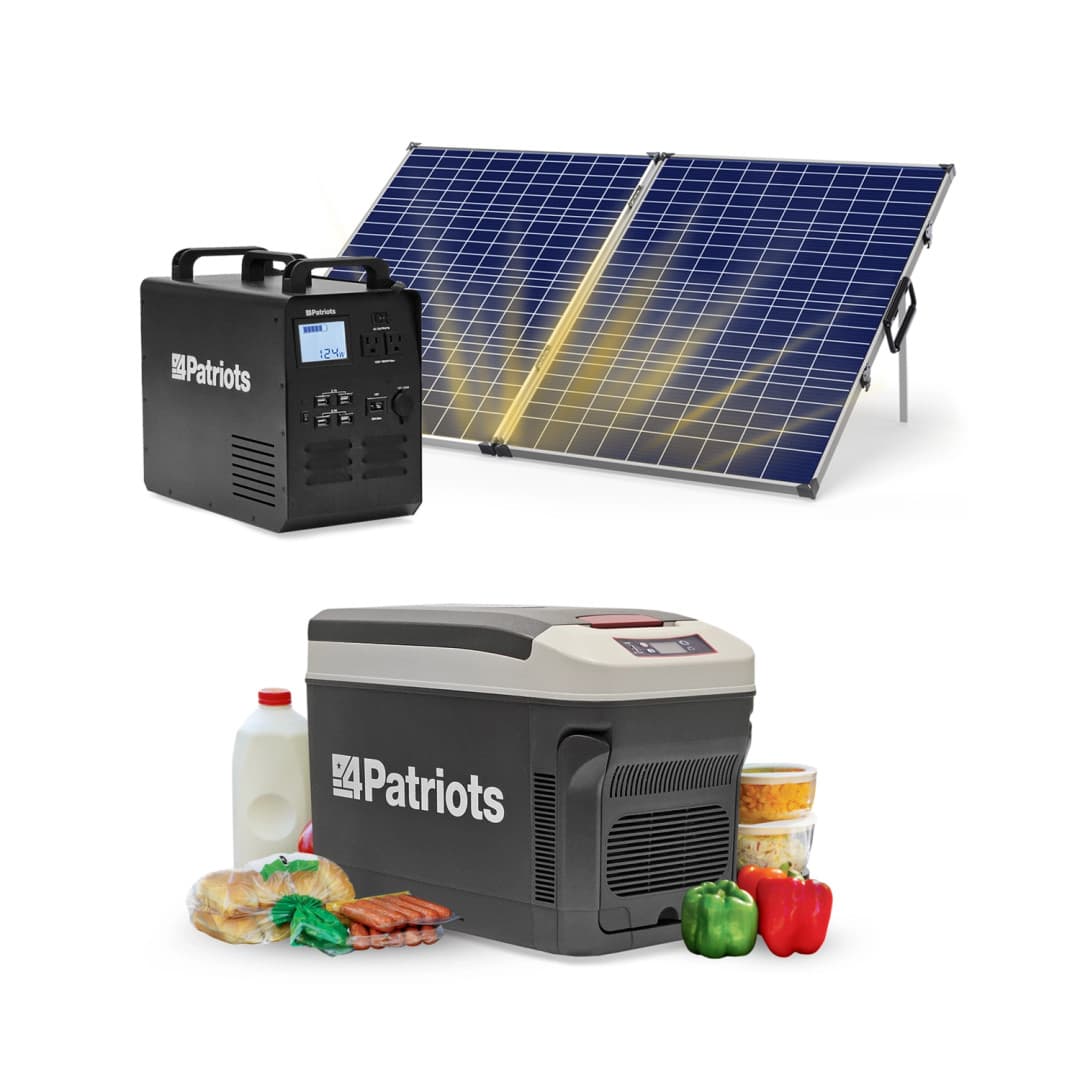
Solar generators use energy captured from the sun to power your appliances, including refrigerators. They’re quiet and produce no fumes, making them ideal for indoor use or in areas where noise and pollution are concerns.
One surprising benefit is how portable many solar generator units are. I once used a compact solar generator during a weekend camping trip, and it kept my mini fridge running without any trouble. This showed me how accessible solar power can be, even for short-term needs.
Keep in mind, solar generators depend on sunlight, so their efficiency dips on cloudy days or at night. To get the best performance, pairing a solar generator with a battery storage system can provide consistent power when the sun isn’t shining.
Battery Backup Systems
Battery backup systems store electricity that can quickly kick in during a power outage. They’re especially useful if your refrigerator needs uninterrupted power to keep food safe.
These systems often connect directly to your home’s electrical panel, automatically switching on when the grid goes down. That way, you won’t have to manually start anything or worry about fuel.
Think about how convenient it would be to have a battery backup ready to power your fridge without the noise or smell of a generator. Plus, some models can recharge using solar panels, giving you a green energy cycle.

Credit: www.jackery.com

Credit: shopsavvy.com
Frequently Asked Questions
Can A Generator Safely Power A Refrigerator?
Yes, a generator can safely power a refrigerator if it provides enough wattage. Most refrigerators need 600 to 800 watts for running and higher starting watts. Ensure your generator can handle this surge to avoid damage or power loss.
What Size Generator Is Needed For A Refrigerator?
A generator with at least 1,000 watts is ideal for most refrigerators. This size covers the starting surge and running wattage. Always check your refrigerator’s specifications to select a generator that meets or exceeds these power requirements.
How Long Can A Generator Run A Refrigerator?
The runtime depends on the generator’s fuel capacity and efficiency. On average, a small generator can run a refrigerator for 8 to 12 hours on a full tank. Larger generators can operate longer, but always monitor fuel levels regularly.
Does Running A Generator Damage A Refrigerator?
No, running a generator won’t damage a refrigerator if the generator produces clean, stable power. Use an inverter generator or a model with a voltage regulator to protect sensitive refrigerator components from power fluctuations.
Conclusion
A generator can power a refrigerator if it has enough wattage. Choose a generator that meets or exceeds your fridge’s starting power needs. Use it safely by following the instructions and keeping it outdoors. Running a fridge on a generator helps keep food cold during power outages.
Remember to check fuel and maintenance regularly. This simple setup can bring peace of mind when electricity fails. Ready for emergencies and everyday use alike.