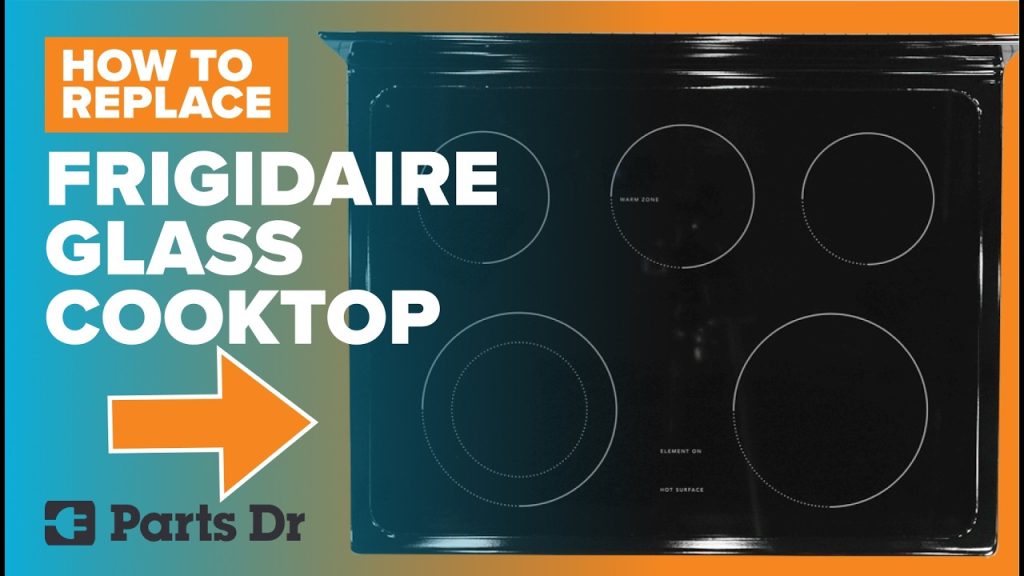
Is your glass cooktop cracked, scratched, or just not working like it used to? You might be wondering if you really need to replace the whole stove or if the glass cooktop itself can be swapped out.
The good news is, you don’t have to settle for a damaged surface that ruins your cooking experience. Understanding whether a glass cooktop can be replaced—and how to do it—can save you time, money, and frustration. Keep reading to find out what options you have and how to get your kitchen back in perfect shape.
Assessing The Damage
Before deciding to replace a glass cooktop, it’s crucial to carefully assess the damage. Understanding the type and extent of the damage can save you time and money. It also helps you decide whether a repair is possible or if a full replacement is necessary.
Identifying Cracks Or Breaks
Look closely at your cooktop surface under good lighting. Small hairline cracks may seem harmless but can worsen with heat. Large cracks or shattered areas are obvious signs that the glass is compromised.
Check if the cracks affect the heating elements beneath. Sometimes, the damage is purely cosmetic, but other times it can cause safety hazards. Ask yourself: is the crack spreading or deep enough to affect cooking performance?
Evaluating The Need For Replacement
Not all cracks require immediate replacement. If the damage is minor and doesn’t interfere with cooking, you might only need a repair. However, if the glass is broken in several places or the cooktop won’t heat evenly, replacement is usually the safer choice.
Consider your daily use and safety. A damaged cooktop can cause burns or electrical issues. Have you noticed any unusual smells, sparks, or inconsistent heating? These are clear signals that replacement is necessary to protect your kitchen and family.
Gathering Necessary Tools
Before you start replacing your glass cooktop, gathering the right tools is crucial. Having everything at hand saves time and reduces frustration. It also helps you avoid mistakes that could damage your new cooktop or your kitchen.
Essential Equipment List
To replace a glass cooktop, you need specific tools that make the job easier and safer.
- Screwdrivers:Both Phillips and flathead types are necessary for removing screws and securing the new cooktop.
- Socket wrench set:Useful for loosening bolts that hold the cooktop in place.
- Putty knife or scraper:Helps remove old sealant or adhesive from the countertop.
- Multimeter:Checks electrical connections to ensure everything is safe before and after installation.
- Measuring tape:Confirms dimensions so the new cooktop fits perfectly.
- Replacement sealant or gasket:Needed to secure and seal the cooktop once installed.
Missing even one of these tools can slow you down. Have you ever started a project only to realize you’re missing a key piece? Avoid that by preparing thoroughly.
Safety Gear Requirements
Replacing a glass cooktop involves handling fragile glass and electrical components. Proper safety gear protects you from injury and accidents.
- Cut-resistant gloves:Protect your hands from sharp edges on the glass.
- Safety goggles:Shield your eyes from debris or accidental glass chips.
- Non-slip shoes:Ensure stable footing, especially when working in a kitchen environment.
- Protective clothing:Wear long sleeves and pants to minimize skin exposure.
Think about your last DIY project. Did you prioritize safety gear? It can make a big difference between a smooth job and an emergency room visit.
Choosing The Right Replacement
Choosing the right replacement for a glass cooktop is important for safety and performance. Not all cooktops fit every stove. Careful selection ensures the new cooktop works well and lasts long.
Compatible Models And Brands
Check the model number of the current cooktop before buying a replacement. Many brands make glass cooktops, but sizes and connectors differ. Choose a replacement from the same brand or one that fits your stove’s specifications exactly.
- Measure the cooktop’s length, width, and depth carefully.
- Note the location of connectors and controls.
- Read the product manual or contact the manufacturer for model compatibility.
Matching the model ensures easy installation and proper function. Avoid guesswork to prevent issues after installation.
Material And Design Considerations
Glass cooktops come in different materials and designs. Most are made of ceramic glass, which resists heat and scratches. Choose a durable surface to avoid cracks and stains.
- Look for tempered glass for added safety.
- Consider the color and finish to match your kitchen style.
- Check the burner layout and size to suit your cooking needs.
Design matters for both aesthetics and use. A well-chosen cooktop makes cooking easier and keeps your kitchen looking good.
Credit: www.searspartsdirect.com
Preparing The Area
Preparing the area is essential before replacing a glass cooktop. Safety and ease depend on how well you set up the space. Take time to organize and secure everything around the cooktop. This makes the process smoother and reduces risks.
Power Disconnection Steps
Start by turning off the power to the cooktop at the circuit breaker. This stops any chance of electric shock during removal. Use a voltage tester to ensure no current flows to the appliance. Never trust just the switch; always double-check. If unsure, call a professional electrician for help. Safety should come first.
Clearing The Surrounding Space
Remove all items near the cooktop. Clear countertops and cabinets of cookware, utensils, and cleaning supplies. This gives ample room to work and prevents damage to belongings. Place a protective cloth or cardboard around the cooktop area. It helps avoid scratches on counters during removal. Keep pets and children away for safety and focus.
Removing The Old Cooktop
Removing the old glass cooktop might seem straightforward, but it requires careful attention to avoid damage to your kitchen or injury to yourself. Understanding the right way to loosen screws and lift the cooktop safely can save you time and frustration. Have you ever tried to force a stubborn appliance out, only to end up with scratches or broken parts? Let’s make sure that doesn’t happen to you.
Loosening Screws And Fasteners
Start by locating all the screws and fasteners holding your cooktop in place. These are often found around the edges or underneath the cooktop’s rim. Use the right screwdriver or wrench to avoid stripping them.
It’s easy to overlook hidden clips or brackets, so check your cooktop’s manual or look carefully around the edges. If screws feel stuck, apply a bit of penetrating oil and let it sit for a few minutes before trying again. Rushing this step can lead to broken screws, which complicates removal.
Lifting The Cooktop Safely
Once all fasteners are removed, it’s time to lift the cooktop carefully. Glass cooktops can be heavy and fragile, so don’t try to lift it alone if you’re unsure of your strength. Ask for help or use suction cup handles designed for glass surfaces to get a secure grip.
Lift the cooktop slowly and evenly to prevent cracking. Watch out for any electrical connections or gas lines still attached, as pulling too hard can cause damage or hazards. Do you have a plan for where to set the cooktop down safely? Clearing a soft, sturdy surface nearby can prevent accidental damage while you work on the replacement.
Credit: www.consumerreports.org
Installing The New Cooktop
Installing the new glass cooktop is a careful process. It requires attention to detail to ensure safety and proper function. Following the right steps helps avoid damage and keeps the appliance working well for years.
Placing And Securing The Cooktop
Begin by placing the new cooktop gently into the countertop opening. Make sure it fits snugly without forcing it. Check that the edges align evenly with the countertop surface.
Use the manufacturer’s brackets or clips to secure the cooktop. These hold it firmly in place and prevent movement during use. Tighten all screws or fasteners carefully but avoid overtightening.
Confirm the cooktop sits flat and stable. Uneven placement can cause damage or affect cooking performance. Adjust as needed before proceeding.
Reconnecting Electrical Components
Turn off the main power supply before reconnecting any wires. Safety first. Match each wire to its correct terminal based on the cooktop’s wiring diagram.
Use a voltage tester to confirm no current flows through the wires. Connect wires securely using wire nuts or connectors. Loose connections can cause sparks or malfunctions.
After wiring, double-check each connection. Restore power and test the cooktop’s functions. Ensure all burners heat properly and controls respond well.
Testing And Final Adjustments
After replacing a glass cooktop, testing and making final adjustments are essential steps to ensure everything works smoothly. Skipping this phase can lead to unexpected issues that affect your cooking experience. Taking the time to carefully check and fine-tune the new cooktop will save you frustration and keep your kitchen running safely.
Ensuring Proper Functionality
Start by plugging in the cooktop and turning on each burner one at a time. Listen for any unusual sounds and watch for irregular flame patterns or heating inconsistencies. If a burner doesn’t heat up, double-check the connections and make sure the cooktop is securely installed.
Test each control knob to confirm it responds correctly and adjusts heat levels smoothly. Don’t forget to verify that the indicator lights turn on as expected. These simple checks help catch issues before they become bigger problems.
Making Necessary Tweaks
If you notice any burners heating unevenly or controls feeling loose, it’s time to make adjustments. Tighten screws and connectors gently to avoid damaging the glass surface. You may need to realign the cooktop slightly to ensure it sits flush with the countertop.
Pay attention to the seals around the cooktop. If there are gaps, apply a heat-resistant sealant to prevent spills from leaking underneath. Have you ever thought about how a small misalignment could cause long-term damage or even safety hazards?
After adjustments, run another quick test to confirm everything operates perfectly. Your patience here guarantees a cooktop that performs reliably every time you cook.

Credit: www.angi.com
Maintenance Tips
Maintaining a glass cooktop helps extend its life and keeps it looking new. Simple care routines prevent damage and ensure safe use. Focus on cleaning and protecting the surface regularly. These steps reduce the need for replacement and keep cooking smooth.
Cleaning Techniques
Use a soft cloth or sponge with warm, soapy water. Avoid abrasive cleaners that can scratch the glass surface. For stubborn stains, use a scraper designed for glass cooktops carefully. Clean spills as soon as the cooktop cools down. Wipe dry with a microfiber cloth to prevent streaks. Regular cleaning stops buildup and keeps the cooktop shiny.
Preventing Future Damage
Place pots and pans gently on the cooktop to avoid cracks. Avoid sliding cookware across the glass surface. Use cookware with smooth, flat bottoms for even heat and less wear. Do not use the cooktop as a cutting board or storage space. Turn off burners immediately after use to prevent overheating. Regular checks help spot small issues early before they worsen.
Frequently Asked Questions
Can I Replace A Glass Cooktop Myself?
Yes, you can replace a glass cooktop yourself if you have basic electrical and appliance skills. Always unplug the appliance first. Follow manufacturer instructions carefully to ensure safety and proper installation.
How Long Does Glass Cooktop Replacement Take?
Replacing a glass cooktop typically takes 1 to 2 hours. This depends on the model and your experience level. Hiring a professional can ensure a quick, safe installation.
Is It Expensive To Replace A Glass Cooktop?
The cost varies, generally ranging from $200 to $700. Factors include brand, model, and labor charges. Budget for both the new cooktop and installation fees.
Can Any Cooktop Fit My Existing Space?
Not always. Cooktop sizes differ, so measure your countertop carefully. Check compatibility to avoid costly modifications or fitting issues.
Conclusion
A glass cooktop can be replaced with the right tools and care. It takes time but is possible for many homeowners. Check your model’s guide to find exact steps. Safety matters—always turn off power before starting. If unsure, ask a professional to help.
A new cooktop can refresh your kitchen’s look and function. Simple repairs can save money and avoid full replacements. Think about your needs and budget before deciding. Replacement keeps your cooking space safe and efficient. Small effort brings big benefits in daily cooking.