
Have you ever wondered if your hot water heater can freeze? It’s a question many homeowners don’t think about until it’s too late.
Imagine waking up to no hot water on a freezing morning—frustrating, right? Knowing how and why a hot water heater might freeze can save you from costly repairs and cold showers. You’ll discover the surprising facts about hot water heaters and freezing temperatures, plus simple steps you can take to protect your home.
Keep reading to make sure your hot water heater stays safe and your mornings stay warm.

Credit: www.angi.com
How Hot Water Heaters Freeze
Hot water heaters are designed to keep your water warm and ready to use, but did you know they can actually freeze? Understanding how this happens can help you protect your heater and avoid costly repairs. Let’s look closely at the conditions that cause freezing and the signs to watch out for.
Conditions Leading To Freezing
Your hot water heater can freeze when exposed to extremely cold temperatures for a long time. This usually happens if the heater is installed in an unheated space like a garage, basement, or outside shed.
Other factors that increase freezing risk include:
- Poor insulation around the heater or pipes
- Sudden power outages during cold snaps
- Low water usage, causing water to sit still and cool down
I once had a heater freeze during a winter storm because the basement door was left open. The cold air quickly lowered the temperature around the heater, and the water inside started to freeze. This experience taught me how critical proper insulation and sealing are to prevent freezing.
Signs Of A Frozen Heater
How can you tell if your hot water heater is frozen? Watch for these clear signs:
- No hot water coming from taps, even after waiting
- Strange noises like cracking or popping from the heater
- Frost or ice buildup on the heater or pipes
- Water pressure drops or pipes feel unusually cold
If you notice any of these signs, act quickly. A frozen heater can lead to burst pipes or damage to internal parts. Have you ever checked your heater during a cold snap? Catching these signs early can save you from a major headache.
Risks Of A Frozen Water Heater
A frozen water heater can cause serious problems in your home. Cold weather may cause the water inside the heater to freeze and expand. This expansion puts pressure on the tank and its parts. The risks go beyond just a lack of hot water. Frozen water heaters can lead to costly repairs and safety issues.
Potential Damage To Components
Water expands when it freezes, which can crack the tank’s metal. Pipes connected to the heater may burst under the pressure. Valves and fittings can also break or leak. Damage to these parts may cause water leaks and flooding. Repairing or replacing a frozen water heater can be expensive. The heater’s efficiency drops after freezing, leading to higher energy bills. Ignoring damage can cause long-term problems and shorten the heater’s lifespan.
Safety Hazards
A frozen water heater can create risks beyond damage. Cracked tanks may leak hot water, causing burns or flooding. Broken pipes can cause water damage to floors and walls. Electrical components may short circuit if water leaks inside. This can lead to fire hazards or electric shocks. Pressure buildup in a frozen tank might cause it to burst. A bursting tank can injure people nearby and cause major property damage. Prompt action is necessary to avoid these dangers.
Preventing Hot Water Heater Freezing
Keeping your hot water heater from freezing is crucial, especially during harsh winters. A frozen heater can disrupt your daily routine and lead to costly repairs. Let’s look at practical ways to shield your unit from freezing temperatures, so you don’t wake up to a cold shower or a damaged appliance.
Insulation Techniques
Adding insulation around your hot water heater creates a barrier against the cold. Use foam pipe insulation sleeves on exposed pipes to keep water flowing smoothly. Wrapping the tank itself with an insulation blanket helps maintain warmth without extra energy use.
Think about areas in your home like basements or garages where heaters are often located. These spots tend to be colder and drafty. Sealing gaps and cracks near your heater prevents cold air from sneaking in and freezing your system.
Maintaining Adequate Temperature
Setting your water heater’s thermostat to at least 120°F can keep water from freezing inside the tank and pipes. Even if you’re away, maintaining a steady temperature avoids the risk of frozen damage.
Have you ever left the heat too low and ended up with frozen pipes? Keeping a consistent temperature in your home, especially overnight, helps protect your heater and plumbing. Consider leaving cabinet doors open under sinks to let warm air circulate around pipes.
Using Heat Tape And Blankets
Heat tape is an effective tool that acts like an electric blanket for your pipes and heater. It warms the surface enough to prevent freezing, especially in extremely cold spots.
Installing heat tape along vulnerable pipes and wrapping it carefully around your heater can save you from a freeze-up. Pair it with an insulation blanket for double protection. Just be sure to follow the manufacturer’s instructions to avoid any safety hazards.
Winterizing Outdoor Water Heaters
Winter can be harsh on outdoor water heaters, especially if freezing temperatures hit your area. If your water heater isn’t properly prepared, it may freeze, crack, or stop working altogether. Taking the right steps to winterize your outdoor water heater can save you from costly repairs and keep your hot water flowing smoothly.
Draining And Shutting Off
One of the most effective ways to protect your outdoor water heater is to drain it completely before the cold weather arrives. Water left inside can freeze, expand, and cause serious damage to the tank and pipes.
To do this, start by shutting off the power supply or gas line to the heater. Then, turn off the water supply and open the drain valve to let all the water escape. Don’t forget to open a hot water faucet inside your home to allow air in and help the water drain faster.
Have you checked your heater’s manual? Some models require specific steps for draining. Missing these can lead to unexpected issues when you turn the heater back on in spring.
Protective Covers
Once the heater is drained and shut off, covering it properly is crucial. Protective covers shield your water heater from snow, ice, and cold winds that can lead to freezing.
Choose a cover made from durable, waterproof material that fits snugly over your unit. Avoid plastic tarps that trap moisture, as this can cause rust and corrosion.
Make sure the cover allows for some ventilation to prevent condensation buildup. Have you noticed how some covers trap moisture and create more problems than they solve? Selecting the right one makes all the difference.
Emergency Measures For Frozen Heaters
Facing a frozen hot water heater can quickly turn into a stressful situation. Knowing emergency measures to safely handle this issue can save you from costly repairs and long periods without hot water. Acting promptly and correctly is key to preventing permanent damage.
Thawing Methods
Start by turning off the power or gas supply to your heater to avoid accidents. Never use open flames or high heat sources like a blowtorch; these can damage the tank or cause fires.
Instead, try these safer options:
- Use a hairdryer or heat gun on a low setting to gently warm the frozen pipes or tank areas.
- Wrap towels soaked in warm water around the frozen parts to slowly melt the ice.
- Place a space heater nearby, but keep it at a safe distance to avoid overheating or fire hazards.
Patience is essential—rushing to thaw the heater can cause cracks or leaks. Have you ever tried thawing frozen pipes yourself? It’s a delicate task that demands a careful approach to avoid further damage.
When To Call A Professional
If you don’t see progress after trying to thaw the heater or if you notice leaks, strange noises, or smells, it’s time to call an expert. Professionals have specialized tools and knowledge to safely address frozen heaters without risking your safety.
Attempting complex repairs without experience can worsen the problem. A trusted plumber can also inspect your system for underlying issues, like poor insulation or faulty valves, helping you avoid future freezes.
Would you rather risk a minor inconvenience now or face a major breakdown later? Sometimes, the fastest and safest solution is to get professional help.
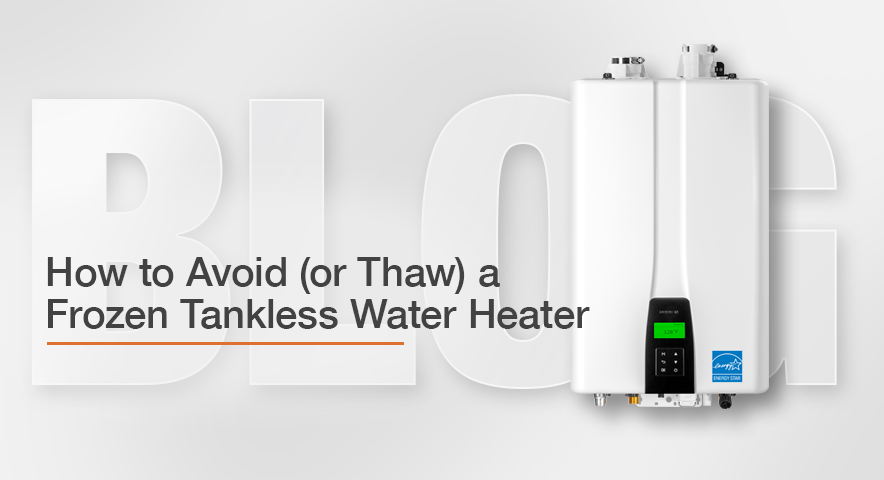
Credit: www.navieninc.com
Regular Maintenance Tips
Regular maintenance keeps your hot water heater safe from freezing. It helps spot small problems early. Simple checks can protect your heater in cold weather. Follow these easy steps to maintain your heater.
Checking For Leaks
Look around your heater for any water leaks. Leaks waste energy and can cause damage. Fix leaks quickly to prevent bigger problems. Use a dry cloth to check for damp spots. Even small drips can signal trouble.
Inspecting Insulation
Check if your heater’s pipes and tank have enough insulation. Insulation keeps heat inside and stops freezing. Add foam pipe covers or insulating blankets if needed. Make sure all exposed parts are covered well. This saves energy and protects your heater.
Scheduling Professional Inspections
Hire a professional to inspect your heater at least once a year. Experts find hidden issues you might miss. They can clean and tune your system for better performance. Regular inspections extend your heater’s life. Trust their advice to keep your heater safe and working well.

Credit: genzryan.com
Frequently Asked Questions
Can A Hot Water Heater Freeze In Winter?
Yes, hot water heaters can freeze if exposed to freezing temperatures without proper insulation or heating, causing damage.
What Causes A Hot Water Heater To Freeze?
Freezing occurs due to cold air exposure, poor insulation, and lack of heat circulation around the heater.
How To Prevent A Hot Water Heater From Freezing?
Insulate pipes, keep the heater in a warm area, and maintain a low heat setting during cold months.
What Happens If A Hot Water Heater Freezes?
Frozen water expands, risking pipe bursts, tank damage, and loss of hot water supply until repaired.
Conclusion
Freezing can damage your water heater. Protect it from cold temperatures. Insulate pipes and the heater. Ensure a consistent power supply. Regular maintenance helps prevent issues. Keep the area warm if possible. These steps reduce the risk of freezing. Your water heater stays safe and functional.
A small effort now saves big problems later. Stay proactive. Ensure your heater works efficiently all winter. Remember, prevention is key. A well-cared-for heater lasts longer. Keeps your water warm when you need it. Don’t wait for a problem to act.
Take steps today. Enjoy peace of mind this winter.