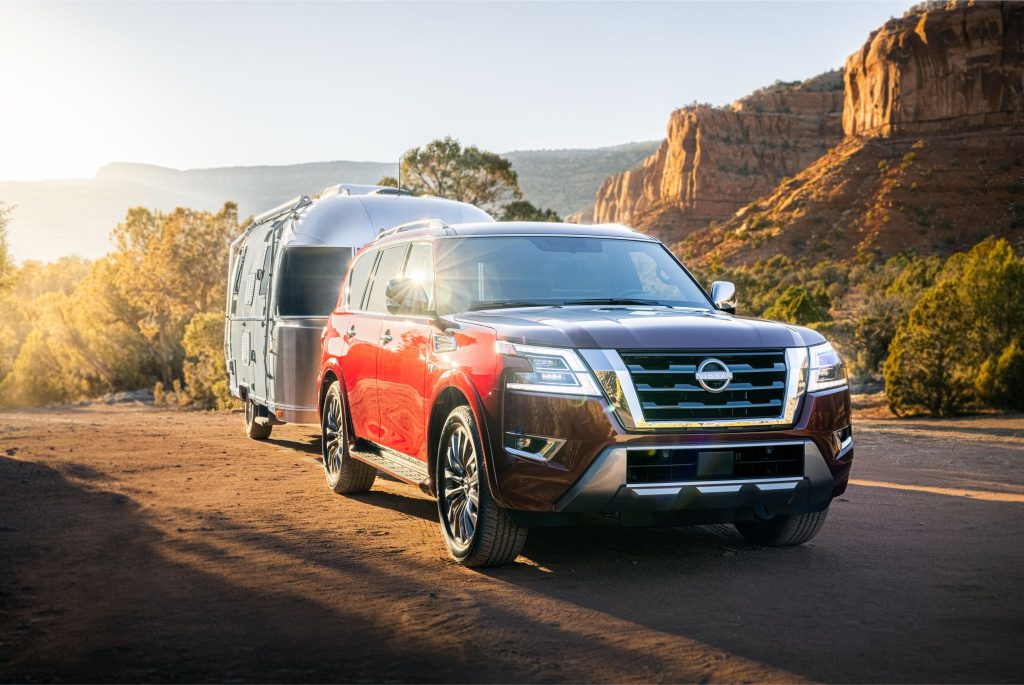
Are you wondering if your Nissan Altima can handle towing a trailer? Whether you’re planning a weekend getaway or need to move some gear, knowing what your car can safely pull is crucial.
You don’t want to risk damage or get stuck on the road. This guide will help you understand your Altima’s towing capabilities, what to consider before hooking up a trailer, and tips to keep your trip smooth and safe. Keep reading to find out if your Nissan Altima is up for the task.
Nissan Altima Towing Capacity
The Nissan Altima is a popular sedan known for its efficiency and comfort, but many wonder if it can handle towing a trailer. Understanding the towing capacity of your Altima is crucial before hooking up a trailer. Let’s break down what you need to know about its engine options and the manufacturer’s towing limits.
Engine Options And Impact
The Nissan Altima offers different engine choices that affect its towing ability. The standard 2.5-liter four-cylinder engine focuses on fuel economy rather than power. This engine typically does not support towing heavy loads.
However, the Altima also comes with a more powerful 2.0-liter turbocharged four-cylinder engine. This option provides better horsepower and torque, which can improve towing potential slightly. Still, neither engine is designed for heavy-duty towing compared to trucks or SUVs.
Have you noticed how your driving experience changes when carrying extra weight? Even a small trailer can put extra strain on the engine and brakes, especially in city driving or uphill climbs.
Manufacturer Towing Limits
Nissan sets specific towing limits to keep your Altima safe and reliable. Officially, the Altima is not rated for towing trailers in most trims. This means it’s generally not recommended to tow with this vehicle.
If you consider towing a small, lightweight trailer, keep the load under 1,000 pounds to stay within a safer margin. This includes the trailer’s weight plus any cargo. Exceeding these limits can cause excessive wear and risk mechanical failure.
- Check your owner’s manual for exact towing guidelines.
- Use proper hitch equipment rated for your trailer’s weight.
- Always test drive with the trailer loaded lightly before longer trips.
Have you ever pushed your car beyond its limits and faced unexpected repairs? Staying within the manufacturer’s recommendations helps you avoid costly issues and keeps your Altima running smoothly.

Credit: www.ebay.ca
Trailer Types Suitable For Altima
The Nissan Altima can tow certain trailers safely. Choosing the right trailer type is key. The car’s towing capacity limits your options. Smaller, lighter trailers work best. These trailers do not strain the engine or brakes. They keep driving safe and smooth.
Lightweight Trailers
Lightweight trailers are ideal for the Altima. They usually weigh less than 1,000 pounds. This weight fits the Altima’s towing limits. These trailers often carry camping gear or small loads. Their compact size makes them easy to tow. They cause less drag and improve fuel efficiency.
- Pop-up campers
- Small boat trailers
- Bike trailers
- Small enclosed cargo trailers
These trailers allow the Altima to perform well. They minimize wear on the vehicle. Towing lightweight trailers keeps handling steady and safe.
Small Utility Trailers
Small utility trailers also suit the Altima’s capabilities. They are open trailers used for moving items. These trailers usually weigh between 500 and 1,500 pounds. The Altima can tow some models within this range. It depends on the trailer’s size and load.
- Garden trailers
- Small flatbed trailers
- ATV or lawn equipment trailers
Keep cargo weight low to avoid overloading. Secure the load properly to prevent shifting. Small utility trailers offer versatility for light hauling needs. They expand the Altima’s usefulness without risking damage.
Modifications For Towing
Towing with a Nissan Altima requires some important modifications. These changes help the car handle extra weight safely. Without upgrades, towing can strain the engine and other parts. Proper modifications improve control and prevent damage. Two key areas to focus on are the tow hitch and suspension. Each plays a vital role in making towing smoother and safer.
Tow Hitch Installation
A tow hitch is essential for attaching a trailer. Installing one on an Altima involves choosing a hitch designed for its frame. It must match the car’s weight capacity and trailer size. Professional installation is recommended for safety and durability. The hitch should be securely fastened to avoid any movement while driving. Quality hitches include:
- Receiver hitches for easy trailer attachment
- Weight distribution hitches for better balance
Adding a tow hitch ensures a solid connection point for trailers. This upgrade is the first step for towing readiness.
Suspension Upgrades
The stock suspension on a Nissan Altima may not support towing well. Upgrading suspension helps handle extra trailer weight. Stronger springs and shocks improve ride stability. They reduce body roll and sway when towing. Common suspension upgrades include:
- Heavy-duty springs to support extra load
- Performance shocks for better dampening
- Stabilizer bars to reduce trailer sway
Suspension modifications keep the car balanced and improve safety. They protect both the vehicle and trailer during towing.

Credit: www.frederictonnissan.com
Safety Tips For Towing
Towing with your Nissan Altima requires more than just hooking up a trailer. Safety must be your top priority to protect yourself, your vehicle, and others on the road. Understanding key aspects like weight distribution and braking can make your towing experience smoother and safer.
Weight Distribution
Even if your Nissan Altima can pull a trailer, how you load that trailer matters a lot. Uneven weight can cause swaying, making it harder to control your car. Always place about 60% of the trailer’s weight toward the front, near the hitch.
Check the trailer’s tongue weight too—it should be around 10-15% of the total trailer weight. Too little or too much weight on the hitch can affect steering and stability. Have you ever felt your car pulling to one side? That’s often a sign of poor weight distribution.
Braking And Handling
Towing adds extra strain on your brakes and changes how your Altima handles. You need to allow more stopping distance and brake gently to avoid sudden jerks. Make sure your brake lights and signals on the trailer work perfectly to alert other drivers.
Slow down on curves and avoid sharp turns. Your car’s handling will feel different with a trailer attached. Practicing in a safe, open area can boost your confidence before hitting busy roads.
Alternatives For Heavy Towing
Heavy towing needs more than a regular car like the Nissan Altima. It demands strong power and durability. Many drivers seek options that fit their towing tasks safely and efficiently. Here are some alternatives for handling heavy loads.
Choosing A Suitable Vehicle
Pick a vehicle designed for towing. Trucks and SUVs often have higher towing capacities. Check the vehicle’s towing limits before buying.
- Look for powerful engines, such as V6 or V8.
- Consider vehicles with built-in towing packages.
- Choose models with strong frames and suspension systems.
- Check fuel efficiency to save costs on long hauls.
Examples include Ford F-150, Chevrolet Tahoe, and Toyota Tacoma. These vehicles handle heavy trailers well and offer stability on the road.
When To Rent Or Lease
Renting or leasing heavy-duty vehicles suits occasional towing. It saves money if towing is not a daily need. Rental companies offer trucks and SUVs built for tough jobs.
- Rent during moving season or special trips.
- Lease for short-term projects requiring strong towing.
- Try vehicles with advanced towing features and safety aids.
Renting or leasing avoids long-term costs and maintenance. It lets you choose the right vehicle size for each task.

Credit: www.ebay.ca
Frequently Asked Questions
Can A Nissan Altima Tow A Small Trailer?
Yes, a Nissan Altima can tow a small trailer. Its towing capacity is typically around 1,000 pounds. Always check your model’s manual for exact limits to ensure safe towing.
What Is The Nissan Altima’s Maximum Towing Capacity?
The maximum towing capacity of a Nissan Altima is usually 1,000 pounds. This limit varies by model year and engine type. Exceeding this can damage the vehicle and reduce safety.
Does The Nissan Altima Need A Towing Package?
A towing package is not mandatory but recommended. It improves safety and towing performance with features like a hitch receiver and wiring harness. Check if your Altima has this package before towing.
Can A Nissan Altima Tow A Boat Or Camper?
A Nissan Altima can tow a small boat or camper only if it’s under 1,000 pounds. Larger boats or campers exceed its capacity and require a more powerful vehicle.
Conclusion
The Nissan Altima can tow small trailers safely. Always check the vehicle’s towing capacity first. Use the right hitch and secure the trailer well. Drive carefully and avoid sharp turns or fast speeds. Regular maintenance helps keep towing performance steady.
Small trailers suit the Altima best, not heavy loads. This keeps your drive smooth and safe. Towing with care protects both your car and cargo.