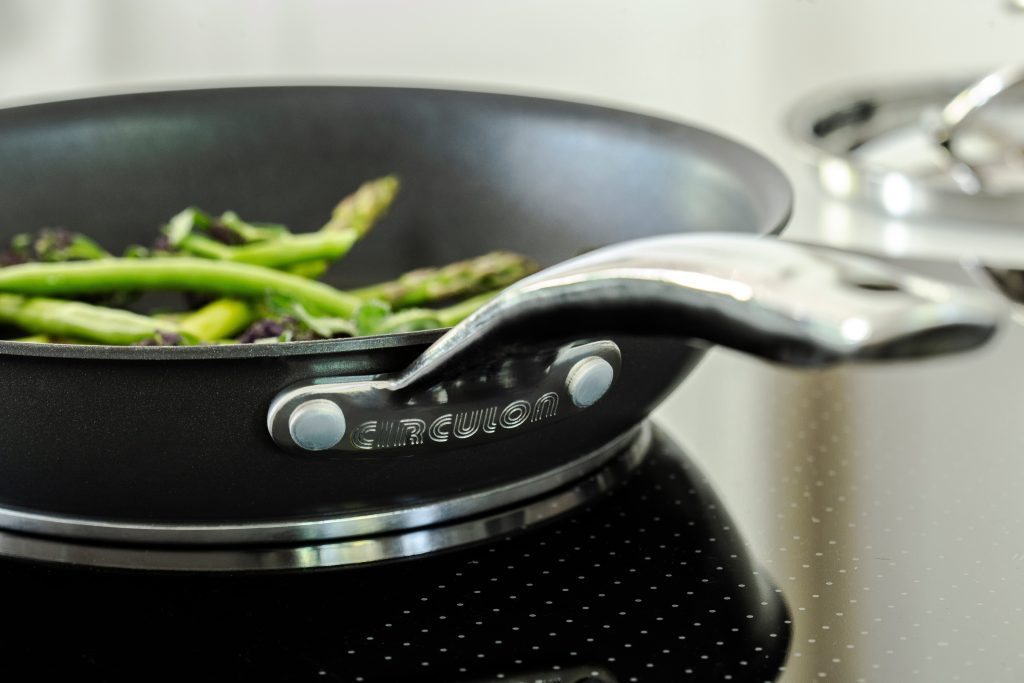
Have you ever wondered if your nonstick pan can go in the oven? You’re not alone.
Many home cooks face this question when trying to finish a dish or keep it warm. Using your nonstick pan the wrong way can ruin its coating and waste your money. But don’t worry—knowing the right answer can save you time and keep your meals delicious.
Keep reading to discover exactly what you need to know before putting your nonstick pan in the oven.
Credit: imarku.net
Nonstick Pan Basics
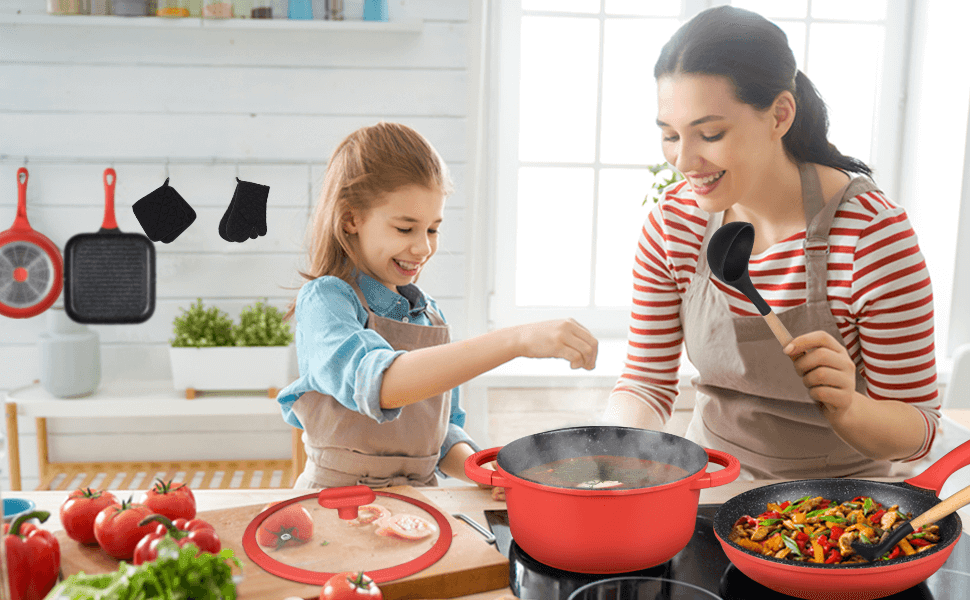
Nonstick pans have a special coating that stops food from sticking. They help cook food evenly and make cleaning easier.
It is important to know the types of coatings and how to use nonstick pans safely, especially in the oven.
Types Of Nonstick Coatings
Different coatings affect how you can use the pan and its heat limits. Here are common types:
- PTFE (Teflon):Very common and easy to clean. Usually safe up to 500°F but can release fumes if overheated.
- Ceramic:Made from silica. It is free of chemicals and can handle higher heat but may wear out faster.
- Anodized Aluminum:Aluminum treated to be nonstick and stronger. It is often oven safe at medium temperatures.
- Silicone:Used for bakeware and some pans. It handles heat well but is less common for stovetop pans.
Common Uses In Cooking
Nonstick pans are useful for many cooking tasks because they need less oil and reduce sticking.
| Cooking Task | Why Use Nonstick | Temperature Tips |
|---|---|---|
| Frying eggs | Eggs cook without sticking and stay whole | Keep heat medium to low |
| Making pancakes | Easy to flip without breaking | Use medium heat |
| Sautéing vegetables | Even cooking with little oil | Use medium heat |
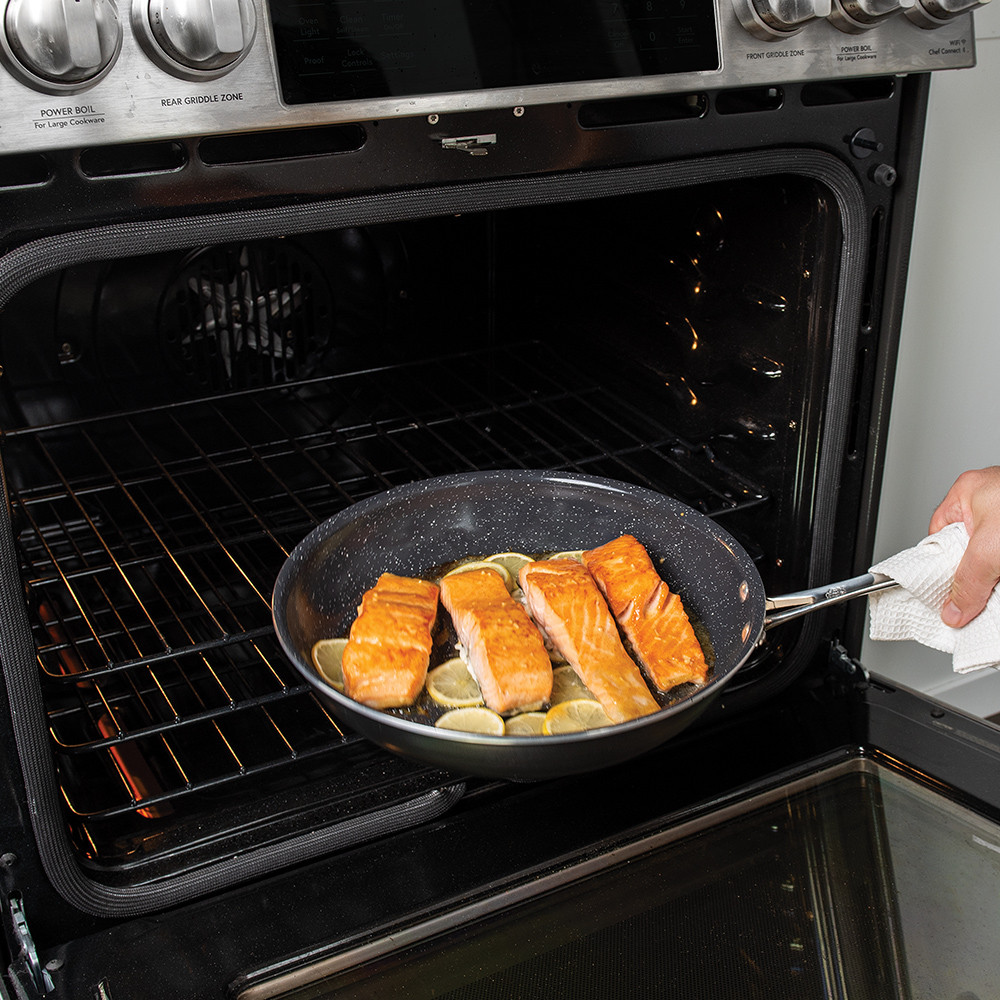
| Baking in oven | Good for some recipes if pan is oven safe | Check pan’s heat limit first |
Oven Compatibility
Many people wonder if they can use a nonstick pan in the oven. This depends on the pan’s design and materials. Knowing the limits helps protect your pan and food.
This guide covers oven temperature limits and the materials to check before putting your nonstick pan in the oven.
Temperature Limits
Nonstick pans have maximum oven temperatures you should not exceed. Most can handle heat up to a certain point without damage.
- Typical temperature limits range from 350°F to 500°F.
- Exceeding the limit may damage the nonstick coating.
- Check the manufacturer’s instructions for exact limits.
- Some coatings break down and release fumes if overheated.
Material Considerations
The pan’s materials affect its oven safety. The base, handle, and coating all matter.
| Material | Oven Safety | Notes |
| Aluminum base | Usually oven safe | Check coating and handles |
| Stainless steel | Often oven safe | Handles may limit temperature |
| Plastic handles | Not oven safe | Melts easily |
| Silicone handles | Safe up to 400°F | Check manufacturer details |
| Nonstick coating | Varies by brand | Can degrade at high heat |
Risks Of Oven Use
Nonstick pans are popular for easy cooking and cleaning. Many wonder if these pans can go into the oven safely.
Using a nonstick pan in the oven carries some risks. It is important to know what can happen before placing it inside.
Coating Damage
Nonstick pans have a special coating that stops food from sticking. High oven heat can damage this coating quickly.
Once the coating breaks down, it loses its nonstick power. The pan can become rough and less useful.
- Oven heat may cause the coating to peel or crack
- Damaged coating can chip off into food
- Loss of nonstick feature makes cooking harder
Health Concerns
Some nonstick coatings release fumes if heated too much. These fumes can be harmful to breathe in.
Overheated pans may release tiny particles from the coating. Eating these particles is not safe for health.
- Fumes from overheated pans can cause flu-like symptoms
- Particles from damaged coating might enter food
- Always check the pan’s oven-safe temperature limit
Safety Tips For Oven Use
Using a nonstick pan in the oven needs care. Not all pans can handle oven heat safely.
Follow safety tips to avoid damage or accidents when cooking with your nonstick pan.
Check Manufacturer Guidelines
Always read the pan’s manual or label before putting it in the oven. The maker tells if the pan is oven-safe.
Some nonstick pans can go in the oven at certain temperatures. Others cannot go in at all.
- Look for oven-safe symbols or instructions
- Check max temperature allowed
- Follow any special care tips
Avoid High Temperatures
Nonstick coatings break down if the oven is too hot. This can release harmful fumes.
Keep oven temperatures below the recommended limit to protect your pan and health.
- Do not exceed 350°F to 450°F, based on your pan’s guidelines
- Use lower heat for longer cooking
- Watch for signs of damage like peeling or discoloration
Use Oven-safe Handles
Check if the pan’s handles can handle oven heat. Plastic or rubber handles may melt.
Metal or silicone handles usually handle oven temperatures well. Confirm from the manufacturer.
- Avoid pans with wooden, plastic, or rubber handles unless labeled oven-safe
- Use oven mitts when handling hot pans
- Consider removing handles if the pan allows it
Alternatives To Oven Use
Not all pans can go in the oven. Nonstick pans often have limits on heat.
Here are other ways to cook your food without using the oven.
Stovetop Cooking Methods
The stovetop offers many options to cook with a nonstick pan safely.
- Sauté vegetables or meat on medium heat.
- Simmer sauces or soups in a covered pan.
- Use low heat to cook eggs or pancakes.
- Stir-fry using quick, high heat but avoid overheating the pan.
- Poach food gently in water or broth.
Oven-safe Cookware Options
Some pans are safe to use in the oven and offer flexibility in cooking.
| Cookware Type | Oven Safe Temperature | Notes |
| Cast Iron Skillet | Up to 500°F (260°C) | Great heat retention and durability |
| Stainless Steel Pan | Up to 450°F (230°C) | Good for searing and roasting |
| Ceramic-Coated Pan | Up to 350°F (175°C) | Safe if handled carefully |
| Glass Bakeware | Up to 425°F (220°C) | Best for baking and roasting |
Credit: www.nordicware.com
Cleaning And Maintenance
Nonstick pans need special care to keep them working well. Cleaning and maintenance help the pan last longer.
It is important to clean your pan the right way after each use. This keeps food from sticking and stops damage.
Proper Cleaning Techniques
Use warm water and mild dish soap to clean the pan. Avoid harsh scrubbers that can scratch the surface.
Let the pan cool before washing. Cleaning a hot pan can cause warping or damage to the coating.
- Use a soft sponge or cloth for washing
- Do not use steel wool or abrasive pads
- Rinse thoroughly to remove soap
- Dry the pan with a soft towel to prevent rust
Extending Pan Lifespan
To keep your nonstick pan useful for years, avoid overheating it. High heat can break down the coating.
Store the pan carefully to stop scratches. Place a paper towel or cloth between pans if stacking.
- Use wooden or silicone utensils to protect the surface
- Avoid sudden temperature changes to prevent warping
- Check the pan’s oven-safe limit before use
- Regularly inspect for scratches or peeling

Credit: www.amazon.com
Frequently Asked Questions
Can All Nonstick Pans Go In The Oven?
Not all nonstick pans are oven-safe. Check the manufacturer’s guidelines. Look for oven-safe symbols on the pan. Some materials might not withstand high heat. Always verify the maximum temperature limit. This ensures the longevity and safety of your nonstick pan.
What Temperature Can Nonstick Pans Tolerate?
Most nonstick pans can tolerate temperatures up to 350°F to 500°F. However, it’s crucial to check the manufacturer’s instructions. Exceeding these limits can damage the coating. It might also release harmful fumes. Always use the pan within the recommended temperature range.
How Do I Know If My Pan Is Oven-safe?
Check the bottom or handle for oven-safe symbols. The packaging or manufacturer’s website can also provide information. If in doubt, consult the user manual. Materials like silicone, stainless steel, and some hard anodized aluminum are often oven-safe.
Can Nonstick Coatings Release Fumes When Heated?
Yes, nonstick coatings can release fumes at high temperatures. Overheating can cause the coating to break down. This may release potentially harmful chemicals. Always use nonstick pans within the recommended temperature limits. Proper use ensures safety and extends the pan’s life.
Conclusion
Nonstick pans can sometimes go in the oven, but check the label first. Some pans handle heat well, while others may get damaged. Oven-safe pans usually say the maximum temperature on the bottom or packaging. Using the right temperature helps keep the nonstick coating strong.
Avoid high heat to prevent warping or fumes. Always use caution and follow the manufacturer’s advice. This way, your pan lasts longer, and your food cooks safely. Knowing these tips helps you cook smarter every time.