
Have you ever noticed a small, rough bump on the sole of your foot and wondered if it could spread? If you’re dealing with a plantar wart, you’re not alone.
These stubborn spots can be uncomfortable and confusing. You might be asking yourself, “Can a plantar wart spread to other parts of my foot or to someone else? ” Understanding how these warts behave is key to stopping them in their tracks.
Keep reading to learn the facts, so you can protect your feet and keep your skin healthy.
What Is A Planters Wart
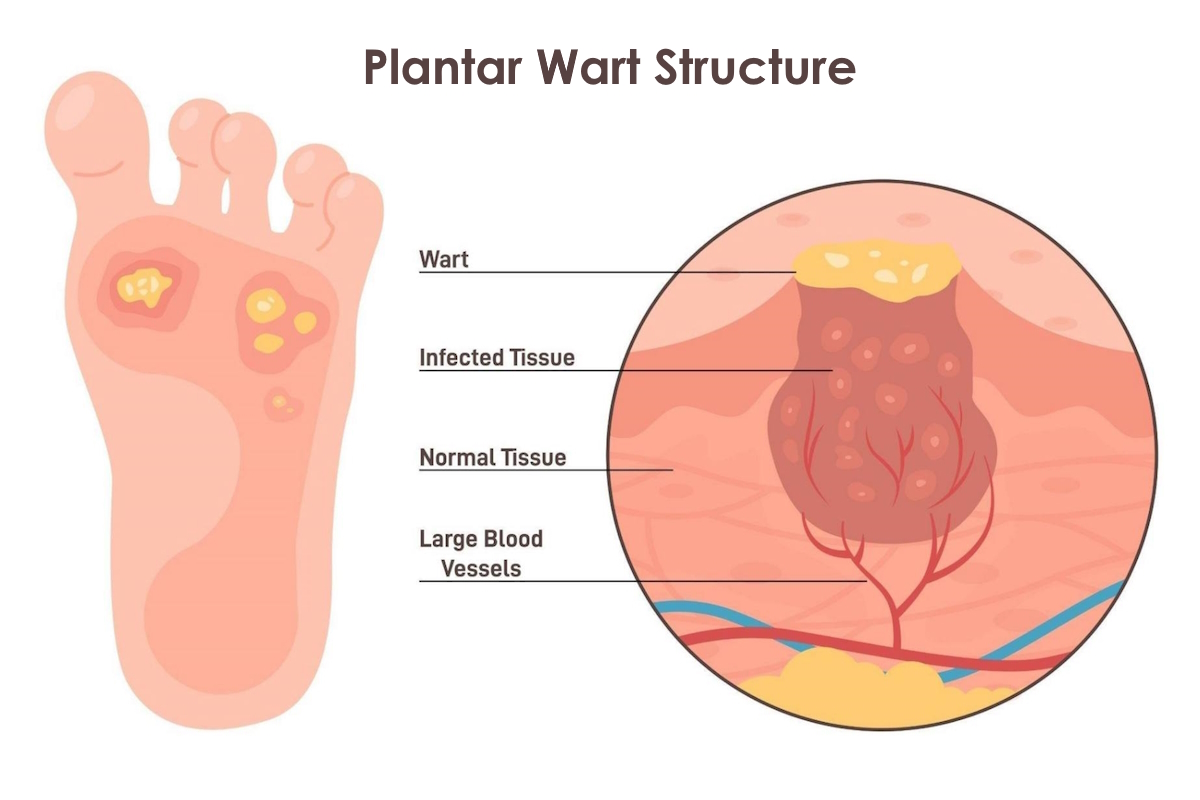
A plantar wart is a small growth on the bottom of the foot. It looks like a rough, hard bump with tiny black dots inside.
These warts happen when a virus infects the skin. The virus enters through tiny cuts or weak spots on the foot.
Can A Planters Wart Spread
Yes, a plantar wart can spread to other parts of the foot or to other people. The virus spreads through direct contact with the wart or contaminated surfaces.
Touching, scratching, or picking the wart can cause the virus to move to nearby skin. Walking barefoot in public places like pools or locker rooms can also spread the virus.
How To Prevent Planters Wart From Spreading
Keeping the wart covered and avoiding direct contact helps stop the spread. Always wash your hands after touching the wart.
- Use clean socks and change them daily
- Wear shoes in public places
- Do not share towels or shoes
- Avoid scratching or picking the wart
Signs That A Planters Wart Is Spreading
New warts may appear near the original one or on other parts of the foot. The skin around the wart may become thick or painful.
Spreading warts may cause discomfort when walking or standing. Watch for small clusters of bumps in one area.
Causes Of Planters Warts
Planters warts are small growths that appear on the soles of the feet. They happen because of a virus that affects the skin.
Understanding what causes planters warts can help you avoid getting them or spreading them to others.
Human Papillomavirus (hpv) Infection
Planters warts are caused by a virus called human papillomavirus or HPV. This virus enters the skin through small cuts or breaks.
Once inside, the virus makes the skin cells grow fast, causing the wart to form on the foot.
Walking Barefoot In Public Areas
Walking barefoot in places like pools, locker rooms, and showers can increase the chance of getting the virus. These areas are warm and moist, which helps the virus survive.
Touching the floor with bare feet makes it easier for the virus to get into the skin.
Having Cuts Or Scrapes On Your Feet
Small cuts, cracks, or scrapes on your feet let the virus enter more easily. Healthy, unbroken skin protects against infection.
People who have dry or cracked skin might get planters warts faster because the virus can slip in through the cracks.
Weakened Immune System
If your immune system is weak, your body may not fight the virus well. This makes it easier for the virus to cause warts.
People with illnesses or those taking medicines that lower immunity have a higher risk of planters warts.
Direct Contact With Warts
Touching someone else’s planters wart or sharing shoes and socks can spread the virus. The virus lives on the skin and can move from person to person.
It is important to avoid direct contact to prevent spreading or catching the warts.
How Planters Warts Spread
Planters warts are caused by a virus. They can spread in different ways. It’s important to know how they spread to prevent them.
These warts can be painful and contagious. Learning about their spread helps in controlling them.
Direct Contact
Direct contact with a wart can cause them to spread. This happens when skin touches an infected area.
- Touching an existing wart
- Skin-to-skin contact
- Sharing personal items like towels
Contaminated Surfaces
Warts can spread through surfaces. The virus survives in damp places. Walking barefoot in these areas can lead to infection.
| Place | Risk Level |
| Public showers | High |
| Swimming pools | Medium |
| Gym floors | High |
Self-spread Through Scratching
Scratching a wart can make it spread on your own skin. It allows the virus to move to new areas.

Credit: www.katyfootcare.com
Symptoms To Watch For
Planter’s warts appear on the soles of the feet. They can cause pain and discomfort while walking.
It is important to notice symptoms early to prevent the wart from spreading to other areas.
Small, Rough Growths
Planter’s warts look like small, rough bumps on the skin. They often have tiny black dots in the center.
These black dots are small blood vessels that have clotted. The wart may grow larger over time.
Pain When Walking
The wart can cause pain or a burning feeling. This happens especially when pressure is on the foot.
Walking or standing for a long time may become uncomfortable due to this pain.
Clusters Of Warts
Sometimes, multiple warts grow close together. This is called mosaic warts.
Clusters may spread across the foot if the virus moves to nearby skin areas.
Changes In Skin Texture
The skin around the wart may become thick and callused. This can hide the wart’s edges.
Look for areas of thickened skin with a rough surface that do not go away.
Itching Or Irritation
Planter’s warts can cause itching or mild irritation on the foot. This may lead to scratching.
Scratching can spread the virus to other skin areas, causing more warts to form.
Risk Factors For Spreading
Planters warts are caused by a virus that infects the skin on the feet. The infection can spread to other areas or people. Knowing the risk factors helps prevent spreading.
Some behaviors and conditions increase the chance of spreading the wart. Being aware of these risks can protect you and others.
Direct Contact With Warts
Touching a planter’s wart can spread the virus to your own skin or to others. The virus lives on the skin surface, especially if the wart is wet or broken.
Shared Surfaces And Items
The virus can survive on floors, towels, shoes, and socks. Walking barefoot in public places or sharing personal items can spread the infection.
- Public swimming pools and locker rooms
- Gym floors and mats
- Shared towels and socks
- Used shoes or sandals
Weakened Immune System
A weak immune system makes it harder to fight off the wart virus. People with illnesses or on certain medicines are more likely to spread or get warts.
Skin Damage And Moisture
Cracked or broken skin allows the virus to enter more easily. Wet or sweaty feet increase the chance of spreading the wart virus on the skin.
| Risk Factor | Reason |
| Direct Contact | Virus passes through skin contact |
| Shared Surfaces | Virus stays on floors and items |
| Weak Immunity | Less defense against infection |
| Skin Damage | Virus enters through cuts or cracks |
| Moisture | Helps virus survive and spread |

Credit: www.goodrx.com
Preventing Transmission
Planters warts can spread from one person to another. Taking steps to stop this helps keep your feet healthy. This guide explains how to prevent spreading these warts.
Good habits and care reduce the risk of catching or passing on planters warts. Learn what actions to take in daily life.
Good Hygiene Practices
Keeping your feet clean and dry lowers the chance of infection. Wash feet daily with soap and water. Dry them well, especially between toes.
- Do not share towels, socks, or shoes with others.
- Change socks daily to keep feet fresh.
- Use clean socks made of breathable material.
- Keep nails trimmed and clean to avoid injury.
- Disinfect shoes regularly to kill germs.
Avoiding Barefoot In Public Areas
Walking barefoot in places like pools, locker rooms, or showers raises the risk of getting or spreading warts. Use footwear to protect your feet.
- Wear flip-flops or sandals in public showers.
- Avoid walking barefoot on wet floors in public areas.
- Do not share footwear with others.
Proper Wound Care
Small cuts or scrapes on feet can allow viruses to enter and cause warts. Take good care of any wounds to stop infections.
| Wound Care Step | Action |
| Clean | Wash with mild soap and water |
| Protect | Cover with a clean bandage |
| Change | Replace bandages daily or if wet |
| Avoid | Don’t pick at wounds or warts |
Treatment Options
Planters warts can cause discomfort and may spread to other areas. Treating them early helps prevent spreading and eases symptoms.
There are different ways to treat planters warts. You can use medicines you buy without a prescription, get help from a doctor, or try remedies at home.
Over-the-counter Remedies
Many people start with treatments found at drug stores. These medicines often use acids to remove the wart.
- Salicylic acid patches or liquids help peel the wart layer by layer.
- Freezing sprays can kill wart cells by cold damage.
- Follow instructions carefully to avoid harming healthy skin.
- Treatment may take several weeks to work.
Medical Procedures
Doctors offer treatments when over-the-counter options do not work or the wart spreads. These methods are stronger and done in a clinic.
| Procedure | Description |
| Cryotherapy | Freezing the wart with liquid nitrogen |
| Laser Treatment | Using laser to burn wart tissue |
| Cantharidin | Applying a blistering agent that lifts the wart |
| Minor Surgery | Cutting away the wart under local anesthesia |
Home Remedies
Some people try home remedies to reduce warts. These are simple methods but may not work for everyone.
Popular home remedies include:
- Applying duct tape over the wart for several days to suffocate it
- Rubbing apple cider vinegar on the wart with a cotton ball
- Using garlic paste on the wart to help fight the virus
- Keeping feet clean and dry to avoid spreading the wart
When To See A Doctor
Planter’s warts usually go away on their own. But some cases need medical help. Knowing when to see a doctor can prevent problems.
If the wart spreads or causes pain, it is time to get a professional opinion. A doctor can offer proper treatment and advice.
Signs The Wart Is Spreading
Planter’s warts can grow or multiply. Watch for more warts appearing near the original one. This means the virus is spreading.
- New warts forming close by
- Warts merging into larger patches
- Warts appearing on other parts of the foot
Pain And Discomfort
Warts that hurt when you walk or stand need checking. Pain may mean the wart is deep or infected. Don’t ignore constant soreness.
Changes In Appearance
Look for changes in color, size, or shape. A sudden change can signal infection or other skin problems. A doctor can diagnose these safely.
| Change | What It May Mean |
| Black dots inside the wart | Blood vessels, normal but should be checked if painful |
| Redness or swelling around wart | Possible infection |
| Rapid growth | Needs medical evaluation |
When Home Treatment Fails
If home remedies do not work after several weeks, see a doctor. Some warts need stronger treatments only a professional can provide.
Seek medical help if you have:
- Diabetes or weak immune system
- Many warts that spread quickly
- Warts that bleed or ooze
- Severe pain or discomfort
Credit: www.stridecare.com
Frequently Asked Questions
Can A Plantar Wart Spread To Other Body Parts?
Yes, plantar warts can spread to other body areas through direct contact or by touching contaminated surfaces. The virus thrives in warm, moist environments, so avoid sharing towels or walking barefoot in communal areas.
How Contagious Is A Plantar Wart?
Plantar warts are moderately contagious. They spread through human papillomavirus (HPV) via skin-to-skin contact or contact with contaminated objects. Proper hygiene and avoiding direct contact reduce the risk of transmission.
Can Plantar Warts Spread Between Family Members?
Yes, plantar warts can spread among family members through shared spaces and personal items. To prevent this, avoid sharing shoes, socks, or towels and keep feet clean and dry.
How Long Does It Take For Plantar Warts To Spread?
Plantar warts can take weeks to months to spread. The HPV virus grows slowly, so early treatment and hygiene are key to preventing spread.
Conclusion
Planters warts can spread through direct contact or shared surfaces. Keeping feet clean and dry helps prevent spreading. Avoid walking barefoot in public places like pools or gyms. Treating warts early stops them from growing or spreading. Using personal towels and shoes reduces the chance of infection.
Watch for new spots and act quickly if you see them. Staying cautious protects your skin and others around you. Taking simple steps makes a big difference in managing warts.