Are you struggling to keep your space cool but don’t have a window to vent your portable air conditioner? You’re not alone.
Many people wonder if their portable AC can work without a window, especially in rooms where windows are small, blocked, or nonexistent. Understanding how these units function and whether you can use them without traditional venting could save you time, money, and frustration.
Keep reading to discover practical solutions and smart tips that will help you beat the heat, no matter your room setup.

Credit: www.cnet.com
How Portable Acs Work
Portable air conditioners cool rooms by moving heat from inside to outside. They use a built-in fan and compressor to do this. These units are easy to move and do not need permanent installation.
Understanding how portable ACs work helps to know if they can be used without a window. Key parts include the cooling mechanism and ventilation system.
Cooling Mechanism
Portable ACs use a refrigeration cycle to cool air. The cycle involves a compressor, condenser, expansion valve, and evaporator. Warm air from the room passes over the evaporator coil. The refrigerant inside absorbs heat and cools the air.
- The compressor pressurizes the refrigerant gas.
- The condenser releases heat outside.
- The expansion valve lowers refrigerant pressure.
- The evaporator absorbs heat from the room air.
- A fan blows cooled air back into the room.
Role Of Ventilation
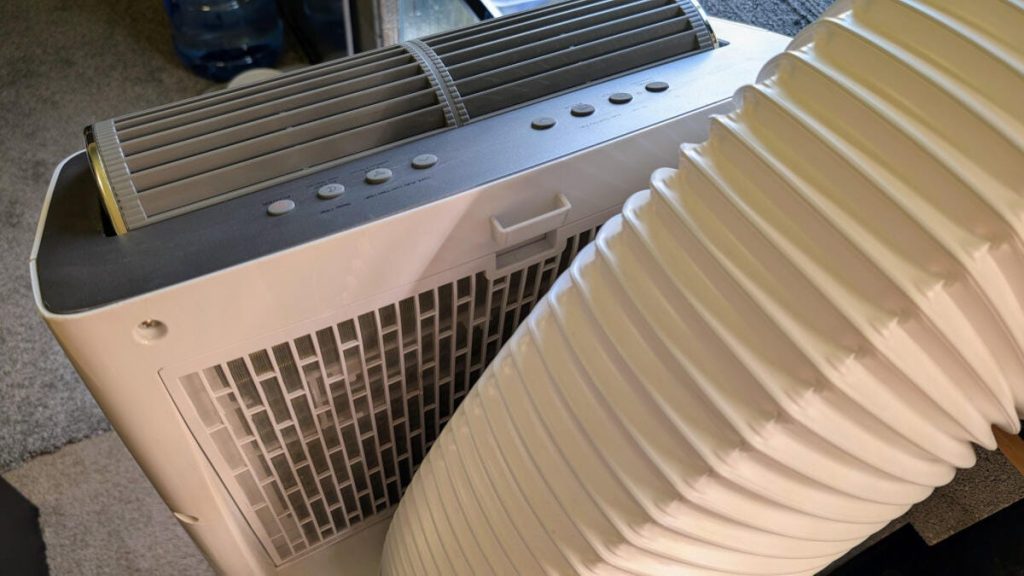
Ventilation removes the hot air and moisture produced during cooling. Most portable ACs use an exhaust hose to vent this air outside. Without proper ventilation, the unit cannot cool effectively.
| Ventilation Method | Purpose |
| Window Exhaust Hose | Expels hot air outdoors |
| Door Vent Kit | Routes hot air through door gap |
| Through-the-Wall Vent | Permanent exhaust opening |
| No Ventilation | Leads to poor cooling and heat buildup |
Window Requirements For Portable Acs
Portable air conditioners need a way to release hot air outside. This is why they usually require a window for venting. Without venting, the AC cannot cool a room effectively.
This venting is often done through a window using a special kit. The kit helps connect the AC’s exhaust hose to the window opening. Some rooms without windows need different solutions.
Why Venting Is Needed
Portable ACs remove warm air from the room. The hot air must go outside to keep the room cool. If the hot air stays inside, the room temperature will not drop.
The venting hose carries hot air out through a window or vent. This keeps the AC working well. Without venting, the unit will overheat and become less effective.
Common Window Venting Options
Most portable ACs come with a window kit for venting. This kit fits into sliding, double-hung, or casement windows. It blocks the open space while letting the hose pass through.
- Sliding windows use a horizontal vent panel.
- Double-hung windows use a vertical vent panel.
- Casement windows may need a custom opening.
- Some users install venting through wall holes.
Choosing the right venting option helps the AC work well. It also prevents bugs, dust, and outside air from entering the room.
Using Portable Acs Without A Window
Portable air conditioners usually need a window to vent hot air outside. Some rooms do not have windows or have windows that cannot be opened. It is possible to use portable ACs without a traditional window vent.
This article explains alternative venting solutions for portable air conditioners. It also reviews the pros and cons of these options.
Alternative Venting Solutions
Several methods allow venting portable AC units without a standard window. These include using a sliding door vent kit, venting through a drop ceiling, or using a wall vent. Some users even vent through a dryer vent or a small hole drilled in a wall.
- Sliding door vent kits use a panel that fits in a sliding glass door track.
- Drop ceiling venting uses a panel in the ceiling tiles to release hot air.
- Wall venting requires drilling a hole to install a vent pipe.
- Dryer vents can sometimes be adapted for AC exhaust.
- Ventless portable ACs use water evaporation to cool air without exhaust pipes.
Pros And Cons
| Method | Advantages | Disadvantages |
| Sliding Door Vent | Easy to install, no damage to walls | Only works with sliding doors, may leak air |
| Drop Ceiling Vent | Good for offices or basements | Needs ceiling access, may be costly |
| Wall Vent | Permanent and effective | Requires drilling, may need permission |
| Dryer Vent | Uses existing vent space | Not always available or suitable |
| Ventless AC | No exhaust pipe needed, portable | Less cooling power, adds humidity |

Credit: sunjoyshop.com
Ventless Portable Air Conditioners
Ventless portable air conditioners cool rooms without needing a window. They work differently from traditional window units. These devices are gaining attention for their ease of use.
Understanding how ventless portable air conditioners work helps decide if they suit your needs. They offer a unique way to manage indoor temperatures.
How They Differ
Ventless air conditioners do not require venting to the outside. They use water or ice to cool the air through evaporation. This process is different from regular portable ACs that expel hot air through a hose.
- Do not need a window or exhaust hose
- Use evaporation to lower temperature
- Often smaller and more portable
- Work best in dry climates
Effectiveness And Limitations
Ventless models can cool small spaces but have limits. They add moisture to the air, which may increase humidity. This makes them less ideal for humid areas.
| Feature | Benefit | Limitation |
| No window needed | Easy setup | Less cooling power |
| Evaporative cooling | Energy efficient | Increases indoor humidity |
| Compact size | Portable | Best for small rooms |
Safety And Efficiency Tips
Using a portable air conditioner without a window requires care. Safety and efficiency depend on proper setup and energy use.
Follow key tips to keep your space cool and avoid risks. This guide covers installation and energy consumption advice.
Proper Installation
Portable air conditioners need venting for hot air. Without a window, use a vent kit through a wall or door.
- Check that the vent hose is secure and straight.
- Use weatherproof materials around the vent opening.
- Keep the unit on a flat surface for stability.
- Do not block the air intake or exhaust vents.
- Ensure the unit is away from flammable items.
Energy Consumption
Energy use rises if the unit is not vented properly. It must release hot air outside to work well.
| Tip | Effect on Energy |
| Seal vent openings | Prevents energy loss |
| Use insulated vent hose | Reduces heat transfer |
| Close doors and windows | Keeps cooled air inside |
| Regular filter cleaning | Maintains airflow and efficiency |
| Set thermostat wisely | Avoids overcooling |

Credit: sunjoyshop.com
Best Practices For Small Spaces
Using a portable air conditioner without a window can be tricky. Small spaces need smart solutions for cooling.
This guide explains how to use portable AC units well in rooms without windows. It covers cooling and air quality tips.
Maximizing Cooling
Portable ACs usually need a way to vent hot air outside. Without a window, you must find alternate venting spots.
Use vent kits that fit through small openings like doors or sliding panels. Keep doors closed to keep cool air in.
- Use vent hoses through door gaps or vents
- Seal any gaps to stop hot air from coming in
- Place the unit near a vent or doorway for better airflow
- Use fans to help circulate cool air around the room
Maintaining Air Quality
Portable ACs can reduce humidity but may not bring fresh air inside. Good air quality needs extra care.
Use air purifiers or open doors briefly to refresh the air. Clean filters regularly to avoid dust buildup.
- Run an air purifier alongside the AC
- Open doors for a short time to let fresh air in
- Clean or replace AC filters often
- Check for mold or damp spots to prevent smells
Frequently Asked Questions
Can A Portable Air Conditioner Work Without A Window?
Yes, portable air conditioners typically require a window for venting hot air. However, some models can use alternative venting options like sliding doors or wall vents.
What Happens If A Portable Ac Is Used Without Venting?
Using a portable AC without venting causes hot air to recirculate indoors. This reduces cooling efficiency and can overheat the room.
Are There Ventless Portable Air Conditioners Available?
True ventless portable air conditioners are rare. Most require venting to expel hot air. Evaporative coolers are an alternative but work best in dry climates.
How To Vent A Portable Ac Without A Traditional Window?
You can vent through sliding doors, drop ceilings, or custom wall openings. Proper sealing around the vent hose is crucial to maintain efficiency.
Conclusion
A portable air conditioner usually needs a window for venting hot air. Without a window, it cannot cool a room effectively. Some models offer alternative venting options, but they may limit performance. Small spaces or temporary setups might work without a window.
Still, proper ventilation helps the unit run better and last longer. Consider your room size and venting options before buying. This way, you can stay cool and comfortable all summer long.