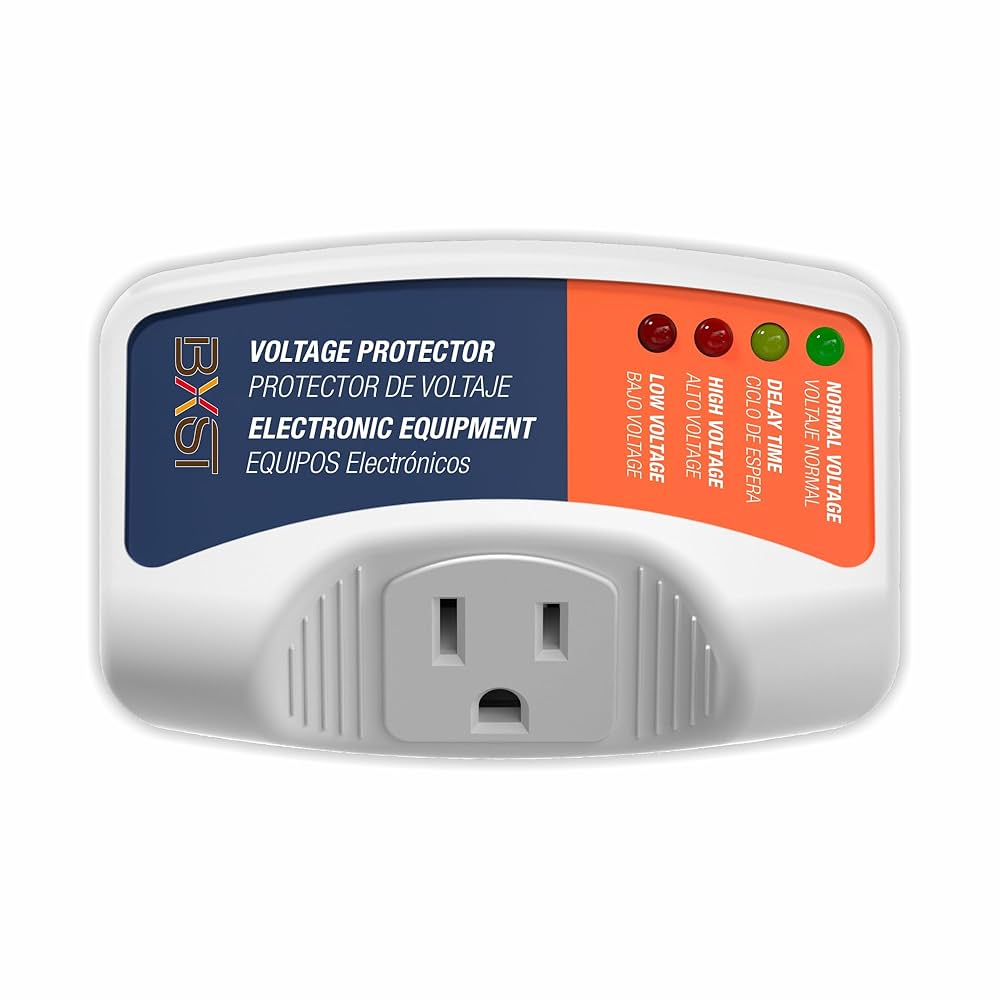
Have you ever wondered if you can plug your refrigerator into a surge protector? It’s a common question that might have crossed your mind, especially if you’re looking to protect your valuable appliances from unexpected power surges.
Understanding whether this is a safe and effective solution can save you from costly repairs or replacements in the future. We’ll dive into the details you need to know to make an informed decision. We’ll explore the benefits, potential risks, and expert advice on using surge protectors with refrigerators.
Stay with us, and you’ll gain the clarity you need to keep your kitchen running smoothly and safely.
Surge Protectors And Appliances
Surge protectors are common in many homes, but their role with large appliances like refrigerators often causes confusion. You might wonder if plugging your fridge into a surge protector is safe or if it could cause more harm than good. Understanding how surge protectors work and the types available will help you make an informed choice for your appliances.
How Surge Protectors Work
Surge protectors shield your devices from voltage spikes that can occur during storms or power fluctuations. They work by diverting excess electricity away from your appliance and into the grounding wire, preventing damage.
Think of it as a safety valve that opens when too much power flows through the circuit. But not all surge protectors handle power the same way or are designed for heavy-duty appliances.
Types Of Surge Protectors
Surge protectors come in various forms, each suited for different needs:
- Basic Surge Strips:Common for small electronics but may not support appliances with high power draw like refrigerators.
- Whole-House Surge Protectors:Installed at your electrical panel, they protect all appliances but require professional installation.
- Heavy-Duty Surge Protectors:Made for appliances that use more power, these offer better protection and durability.
Choosing the right type depends on your appliance’s power needs and your home’s wiring. Have you checked if your surge protector matches the power rating of your refrigerator?
Refrigerator Power Needs
Your refrigerator’s power needs are unique compared to many other household appliances. It doesn’t just consume electricity steadily; it requires a surge of power when it starts up. Understanding this difference is key to deciding whether you can safely plug your fridge into a surge protector.
Starting And Running Wattage
A refrigerator draws two types of wattage: starting wattage and running wattage. Starting wattage is the high burst of power needed to get the compressor running. This can be two to three times higher than the running wattage, which is the power it uses to keep the temperature steady.
For example, a typical refrigerator might run at 150 watts but need 600 watts to start. This sudden spike can last a few seconds, but it’s crucial to consider when choosing power protection. Ignoring this can lead to frequent tripping of surge protectors or even damage to your appliance.
Impact On Surge Protectors
Most surge protectors are designed for steady, lower wattage devices like computers or TVs. The high starting wattage of a refrigerator can overwhelm many surge protectors, causing them to fail or shut off. This doesn’t just risk your fridge losing power; it could also void warranties or reduce the protector’s lifespan.
Have you ever noticed your surge protector clicking or shutting down when the fridge kicks on? That’s a red flag. Surge protectors with a low joule rating or inadequate current capacity won’t handle refrigerators well. Instead, look for surge protectors rated specifically for heavy appliances or consider plugging your fridge directly into a dedicated wall outlet.
Risks Of Using Surge Protectors With Refrigerators
Using a surge protector for a refrigerator carries certain risks. Refrigerators draw a lot of power, especially when the compressor starts. Surge protectors may not handle these power surges well. This can lead to safety issues and damage to the appliance. Understanding these risks helps in making safer choices for your fridge’s power needs.
Overloading And Fire Hazards
Surge protectors have a limit on how much power they can handle. Refrigerators can exceed this limit during startup. Overloading the surge protector can cause it to overheat. Overheated surge protectors may spark or catch fire. This creates a serious fire hazard in your home.
Cheap or low-quality surge protectors increase this risk. They often lack proper safety features. Using these with a refrigerator is dangerous. Always consider the power requirements of your fridge before plugging it in.
Potential Damage To Appliance
Surge protectors are designed to protect against sudden power spikes. However, many are not suitable for refrigerators. The frequent power surges from a fridge compressor can wear out the protector. When the surge protector fails, it may not protect the appliance anymore.
This failure can cause damage to the refrigerator’s motor and electronics. Replacing a fridge’s compressor is expensive and time-consuming. Protecting your appliance means avoiding unreliable surge protectors.

Credit: www.amazon.ca
Safe Alternatives For Refrigerator Power
Keeping your refrigerator powered safely is crucial to protect both your appliance and your home. Instead of plugging your fridge into a regular surge protector, consider safer options designed to handle its power needs. Choosing the right setup can prevent electrical issues and give you peace of mind.
Dedicated Outlets
One of the safest ways to power your refrigerator is by using a dedicated outlet. This means the outlet is connected directly to your home’s electrical panel without sharing the circuit with other devices. It reduces the risk of overloading and helps maintain a steady power flow, which is essential for your fridge’s compressor.
Have you checked if your kitchen has a dedicated outlet for the fridge? If not, hiring an electrician to install one is a smart move. It’s a small investment that protects your appliance and prevents potential electrical hazards.
Heavy-duty Power Strips
If a dedicated outlet isn’t an option, look for heavy-duty power strips that are rated for appliances like refrigerators. These power strips have higher amperage ratings and built-in surge protection tailored for larger devices. They offer better protection than standard surge protectors, which often can’t handle the fridge’s power demands.
When choosing a heavy-duty power strip, check the specifications carefully. Make sure it supports the wattage and current your refrigerator requires. This simple step can save you from unexpected power trips or damage to your appliance.
Choosing The Right Surge Protector
Choosing the right surge protector is crucial for protecting your refrigerator from power spikes. A regular power strip may not provide enough defense. Surge protectors help absorb extra voltage and prevent damage. Selecting one with proper features ensures safety and durability for your appliance.
Surge Rating And Joules
The surge rating shows how much voltage the protector can handle. It is measured in joules. Higher joules mean better protection. For refrigerators, choose a surge protector with at least 1000 joules. This rating helps absorb sudden power surges without failing.
Ul And Safety Certifications
Look for UL certification on the surge protector. UL tests products for safety and reliability. Certified surge protectors meet strict safety rules. Other certifications like CSA or ETL also show quality. Using a certified protector reduces fire and shock risks.

Credit: www.amazon.ca
Maintenance And Monitoring Tips
Keeping your refrigerator safe when plugged into a surge protector involves more than just the initial setup. Regular maintenance and careful monitoring ensure the protector works effectively and guards your appliance from power surges. Paying attention to these details can prevent costly repairs and keep your fridge running smoothly for years.
Regular Inspection
Check your surge protector often for signs of wear or damage. Look for discoloration, cracks, or a burning smell near the outlet area. These signs can indicate that the protector is struggling and may no longer provide proper protection.
Test the surge protector’s indicator light if it has one. A missing or flickering light usually means the device is not functioning correctly. Keep in mind that dust and debris can also affect performance, so clean the outlet and protector regularly.
Ask yourself: Have you noticed any unusual noises or your fridge acting oddly after a storm or power outage? This might hint that your surge protector needs attention or replacement.
When To Replace Surge Protectors
Surge protectors do not last forever. Typically, they should be replaced every 2 to 3 years, or sooner if exposed to a significant power surge. Even if there are no visible signs, the internal components can degrade over time.
Consider replacement immediately after a major electrical event like a lightning strike or a sudden power spike. These events can weaken the protector’s ability to shield your refrigerator, even if it looks fine externally.
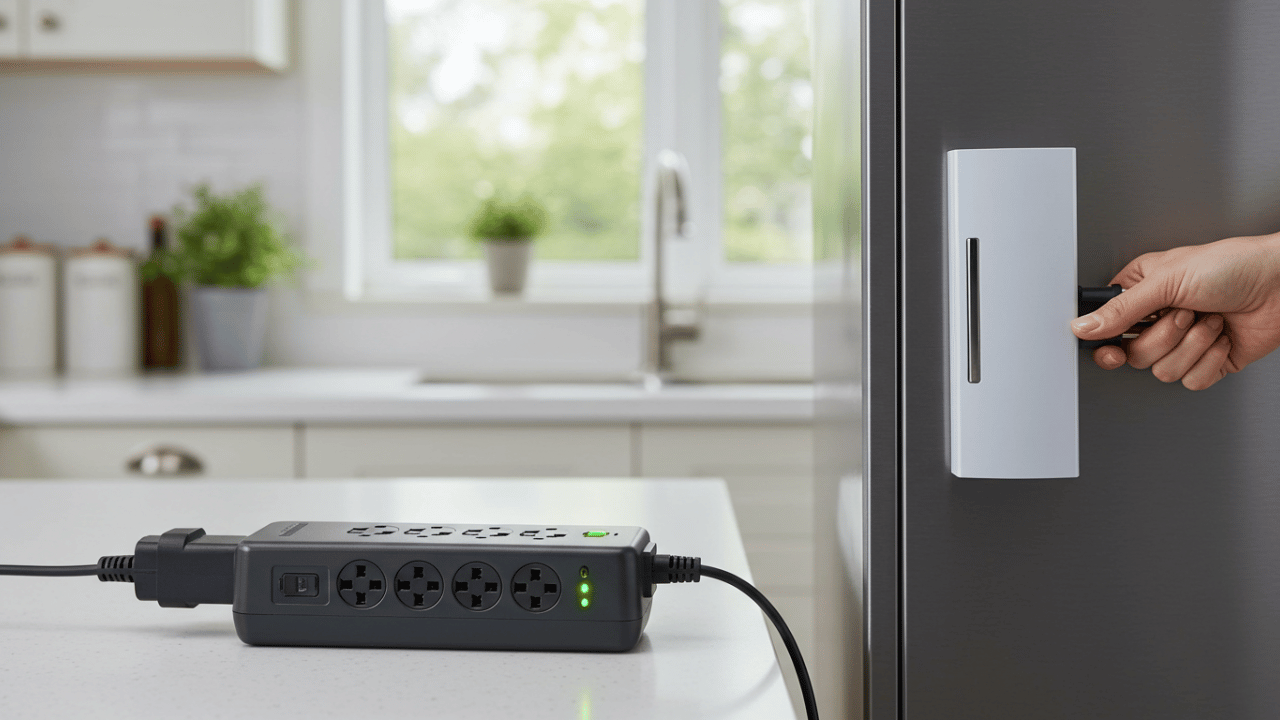
Remember, a surge protector is a safety device. Using one past its prime is like driving a car with worn-out brakes. Protect your investment by staying vigilant and replacing your surge protector when needed.
Credit: vocal.media
Frequently Asked Questions
Can I Use A Surge Protector For My Refrigerator?
Using a surge protector for a refrigerator is generally not recommended. Refrigerators have high startup power needs that can overload surge protectors, causing damage or tripping.
Why Might A Refrigerator Trip A Surge Protector?
Refrigerators often draw a large surge of power when starting. This spike can exceed a surge protector’s limit, causing it to trip or fail.
What Kind Of Protector Is Safe For Refrigerators?
For refrigerators, a heavy-duty surge protector designed for appliances or a whole-house surge protector is safest. These handle higher power loads without tripping.
Will Plugging A Refrigerator Into A Surge Protector Void Warranty?
Some refrigerator warranties may be voided if damage occurs from improper electrical protection. Check your warranty terms before using a surge protector with your fridge.
Conclusion
Refrigerators need steady power to run well and safely. Surge protectors may not handle their high power needs. Plugging a fridge directly into a wall outlet is usually best. This helps avoid damage or power issues. Choose a surge protector only if it supports heavy appliances.
Protect your fridge from power spikes with the right tools. Keep your food fresh and your appliance safe. Simple steps can prevent costly repairs and keep your home running smoothly.