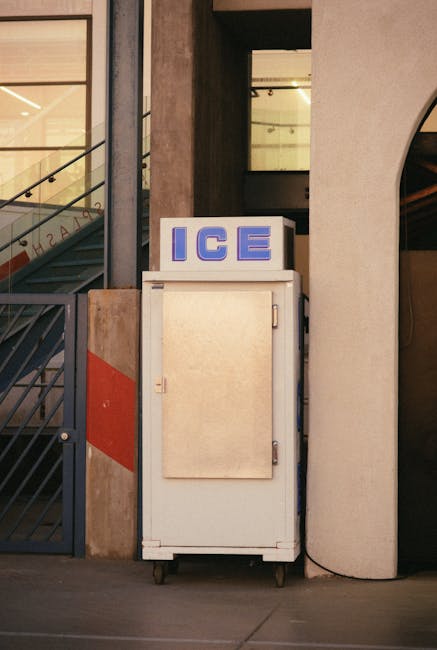
Have you ever wondered if your refrigerator can work properly in a cold garage? Maybe you want to save space in your kitchen or need extra storage for your food.
But before you move your fridge to that chilly spot, there are important things you should know. Your refrigerator’s performance and lifespan could be affected by the cold temperature. Keep reading to find out how a cold garage can impact your fridge and what steps you can take to keep it running smoothly.
This guide will help you avoid costly mistakes and keep your food fresh no matter where you place your fridge.
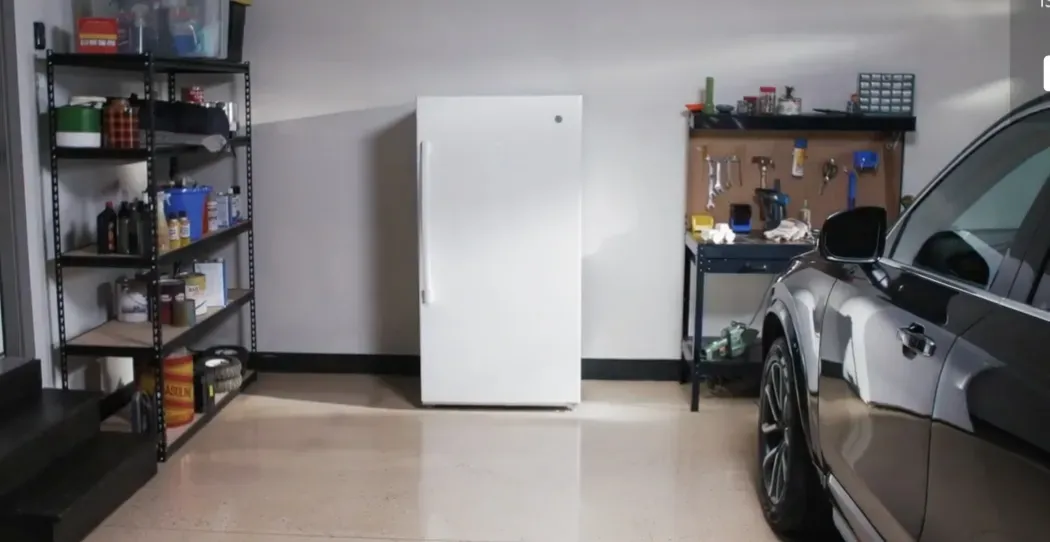
Credit: www.woodcocks.us
How Cold Affects Refrigerators
Understanding how cold temperatures affect your refrigerator is crucial, especially if you’re thinking about placing it in a chilly garage. Refrigerators are designed to work within certain temperature ranges, and operating outside these limits can lead to performance issues or even damage. Let’s take a closer look at how the cold impacts different parts of your fridge.
Temperature Range For Optimal Operation
Most refrigerators function best in environments where the temperature stays between 50°F and 85°F (10°C to 29°C). When the surrounding temperature drops below this range, especially under 50°F, the fridge’s internal thermostat may not trigger the compressor often enough.
This can cause food inside to freeze or spoil because the fridge isn’t cooling properly. Have you ever noticed your garage fridge acting strangely during winter? That’s why checking the ambient temperature is important before deciding where to place your appliance.
Impact On Compressor Performance
The compressor is the heart of your refrigerator, pushing refrigerant through the system to keep things cold. In cold environments, the compressor may not run frequently, or it might cycle on and off in ways that strain its components.
Prolonged exposure to cold can cause oil inside the compressor to thicken, which reduces lubrication and increases wear and tear. This means your fridge could break down sooner than expected if placed in a very cold garage.
Effect On Thermostat Functionality
The thermostat controls when the compressor turns on and off based on the temperature inside the fridge. If the garage is too cold, the thermostat might sense the ambient temperature rather than the internal compartment, leading to improper cycling.
Sometimes, the fridge won’t run at all because the thermostat thinks the contents are already cold enough. This can lead to unexpected thawing of frozen goods and spoilage. Have you ever wondered why your garage fridge doesn’t keep things cold during winter? The thermostat’s reaction to cold is often the culprit.
Credit: www.familyhandyman.com
Types Of Refrigerators And Cold Conditions
Refrigerators vary in design, affecting how they work in cold spaces like garages. Some models struggle to keep cool when temperatures drop too low. Choosing the right type ensures proper function even in chilly environments.
Storing a refrigerator in a cold garage can be tricky. Not all refrigerators are designed to handle cold conditions efficiently. Understanding the different types of refrigerators can help you decide which is best suited for your garage, especially during the winter months.Standard Refrigerators
Standard refrigerators are the most common choice for households. However, they are typically designed to function in indoor environments where the temperature is controlled. In a cold garage, these refrigerators may struggle. The thermostat might not kick in, causing the freezer to defrost. If you’ve ever noticed your standard fridge in the garage not maintaining its set temperature during winter, it’s because it wasn’t designed for the chill. Consider using it only in milder climates or ensure your garage is somewhat insulated.Garage-ready Models
Garage-ready refrigerators are a smart solution for those who need extra storage space in their garage. These models are specifically engineered to handle extreme temperatures, both hot and cold. This means they work efficiently even when the garage temperature drops. Investing in a garage-ready model saves you from the worry of spoiled food or malfunction. Brands like Frigidaire and Gladiator offer such models that can withstand the winter chill. Do you have a garage-ready fridge? If so, you probably enjoy the peace of mind it brings during harsh weather.Mini Fridges And Compact Units
Mini fridges and compact units offer flexibility and are great for limited space. However, like standard refrigerators, they often are not built for cold environments. In a garage setting, they might underperform in maintaining the right temperature for food preservation. You might find that these units are better suited for occasional use rather than as a main food storage solution in cold garages. If you still choose to use one, placing it in a slightly warmer spot, like near a water heater, might help it perform better. Have you ever tried using a mini fridge in your garage? What adjustments did you make to keep it running smoothly?Potential Problems In Cold Garages
Storing a refrigerator in a cold garage can cause several issues. These problems affect how well the fridge works and can lead to damage. Understanding these problems helps in deciding whether a cold garage is a good place for your fridge.
Freezing Of Internal Components
Cold temperatures can freeze parts inside the refrigerator. The thermostat and sensors may stop working properly. Water inside the fridge can turn to ice, damaging shelves and food. Freezing can cause the fridge to stop cooling correctly.
Inconsistent Cooling
The fridge may cool unevenly in a cold garage. Some areas stay too cold, while others are warm. This inconsistency can spoil food and drinks. The fridge’s compressor may run less, causing uneven temperatures.
Increased Energy Consumption
Cold garages can make the fridge work harder. The compressor may run longer to maintain the right temperature. This extra effort uses more electricity. Higher energy use means bigger utility bills over time.

Credit: www.searshomeservices.com
Tips To Ensure Proper Functioning
Ensuring a refrigerator works well in a cold garage requires some care. Cold temperatures can affect its performance and energy use. Simple steps help maintain proper functioning and extend the fridge’s life.
Insulating The Garage Space
Insulation keeps the garage temperature stable. It stops cold air from dropping too low around the fridge. Use foam boards or fiberglass to insulate walls and ceilings. Seal any gaps or cracks in doors and windows. This reduces drafts and keeps heat inside. A well-insulated garage helps the refrigerator run smoothly.
Using A Heater Or Temperature Controller
Keep the garage temperature within the fridge’s operating range. A small space heater or temperature controller works well. Set it to keep the area above 50°F (10°C). This prevents the fridge from working too hard or freezing. A thermostat controller can turn the heater on and off automatically. It saves energy and protects the fridge.
Positioning The Refrigerator Correctly
Place the fridge away from cold walls and floors. Leave space around it for air circulation. Avoid placing it directly on cold concrete. Use wooden pallets or a thick mat underneath. This reduces cold transfer and helps the fridge run better. Keep the door closed as much as possible. Proper placement improves efficiency and prevents damage.
Alternatives To Using A Refrigerator In Cold Garages
If your garage gets too cold for a standard refrigerator to work efficiently, you don’t have to give up on storing perishables there. There are several smart alternatives that help you keep food fresh without risking damage to your appliance or your groceries. Let’s look at some practical options that might fit your space and lifestyle.
Using A Chest Freezer
Chest freezers perform well in cold garages because their design handles temperature fluctuations better than refrigerators. Unlike refrigerators, chest freezers are sealed units that maintain a consistent internal temperature, even in chilly environments.
You can even use a chest freezer as a fridge by setting it to a higher temperature, around 35°F to 38°F. Many people find this an effective way to store fresh food without worrying about the cold garage messing up their appliance’s thermostat.
Storing Food In Temperature-controlled Areas
Think about creating a small, insulated space inside your garage where the temperature stays more stable. This could be a storage cabinet with weather stripping or a portable climate-controlled cooler.
By controlling the micro-environment around your food, you protect it from extreme cold and avoid the issues that come with running a fridge in a freezing garage. Have you checked the temperature swings in your garage throughout the day? It might surprise you how much variation affects your food.
Investing In Cold-climate Appliances
Some refrigerators and freezers are designed specifically for extreme conditions. These cold-climate appliances have enhanced insulation and thermostats built to handle low temperatures.
If your garage regularly drops below freezing, this might be a worthwhile investment. It saves you from constant appliance repairs and keeps your food safe. Would you consider paying a bit more upfront to avoid headaches and food waste later?
Frequently Asked Questions
Can A Refrigerator Operate Efficiently In A Cold Garage?
Yes, a refrigerator can work in a cold garage if the temperature stays within its operating range. Most models function well between 50°F and 85°F. Extremely cold conditions can cause the compressor to malfunction or stop cooling properly.
What Problems Occur If A Fridge Is Too Cold?
If a fridge is too cold, the compressor may cycle irregularly or shut off. This can lead to food spoilage or frozen contents. Additionally, some refrigerators’ defrost cycles may not work properly in cold environments.
How To Keep A Refrigerator Working In A Cold Garage?
To keep a fridge running in a cold garage, use a garage-ready model designed for low temperatures. Alternatively, install a garage heater or place the fridge in an insulated enclosure to maintain stable temperatures.
Will A Refrigerator Freeze Food In A Cold Garage?
Yes, in a cold garage, a refrigerator can freeze food because the compressor may stop running. Without regular cooling cycles, the fridge can get too cold, turning food items into ice.
Conclusion
A refrigerator can face challenges in a cold garage. It may not keep food at the right temperature. Cold air can cause the fridge to work less efficiently. Some models have special features for cold spaces. Checking your fridge’s manual helps avoid problems.
Using a garage heater or insulation can protect your fridge. Think about how cold your garage gets during winter. This helps decide if the fridge will work well. Taking these steps keeps your food safe and fresh. Simple care makes a big difference in fridge performance.