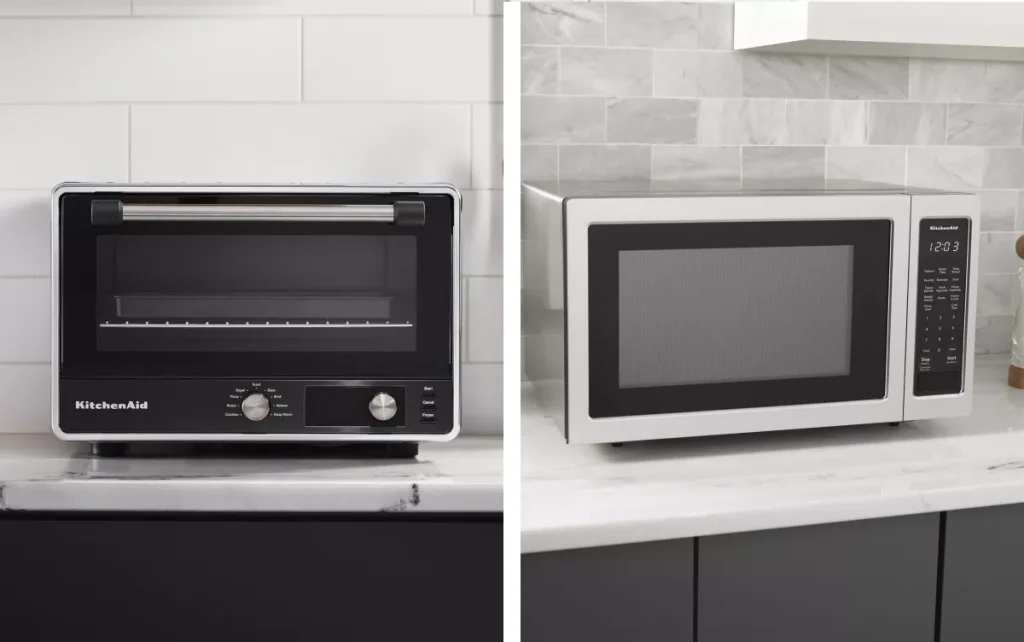
Picture this: you’re in your kitchen, and space is tight. You’ve got a trusty microwave perched on the counter, but a sleek toaster oven is calling your name.
Could this new gadget really replace your beloved microwave? You’re not alone in this modern-day dilemma. Many people are asking the same question: “Can a toaster oven replace a microwave? ” You might be wondering about the benefits, the drawbacks, and whether making the switch is truly worth it.
You’re about to discover insights that will help you make the best choice for your lifestyle and kitchen needs. Prepare to have your assumptions challenged and your curiosity satisfied. Ready to find out if it’s time to make a change in your culinary arsenal? Let’s dive in!

Credit: www.tasteofhome.com
Toaster Oven Basics
Toaster ovens are small kitchen appliances that offer versatile cooking options. They combine the features of a toaster and an oven in one device. Many people wonder if a toaster oven can replace a microwave. Understanding the basics helps to see what a toaster oven can do and where it might fall short.
How Toaster Ovens Work
Toaster ovens heat food by using electric heating elements. These elements are located at the top and bottom inside the oven. When turned on, they produce heat that cooks or toasts the food. Heat moves by convection, warming the air inside the oven. This hot air cooks food evenly on all sides. Unlike microwaves, toaster ovens use radiant heat, not microwaves. This method browns and crisps food better. It takes longer to heat food in a toaster oven than in a microwave.
Common Features And Functions
Toaster ovens come with several useful features. These include:
- Adjustable temperature control
- Timer settings to prevent overcooking
- Multiple cooking modes like bake, broil, and toast
- Removable crumb trays for easy cleaning
- Interior racks or trays for different cooking needs
Some models also have convection fans for faster cooking. They offer more cooking options than a microwave. You can bake small batches, toast bread, or broil meats. These functions allow more precise cooking control. Toaster ovens work well for reheating and cooking small meals.
Credit: www.costco.com
Microwave Essentials
Understanding the essentials of a microwave helps you see why it holds a special place in many kitchens. It’s not just about heating food quickly; it’s about the unique way it cooks. Knowing these basics will help you decide if a toaster oven can truly replace your microwave or if they serve different purposes.
Microwave Cooking Mechanism
Microwaves use electromagnetic waves to heat food. These waves cause water molecules in the food to vibrate rapidly, producing heat from the inside out. This is why microwaves cook food quickly and evenly, especially items with high moisture content.
Unlike conventional ovens, microwaves don’t rely on external heat sources like heating elements or hot air. Instead, the energy penetrates the food, making it possible to defrost, reheat, or cook food in minutes. Have you ever noticed how some foods get soggy in the microwave? That’s because microwaves don’t brown or crisp food like a traditional oven.
Typical Uses In The Kitchen
Microwaves excel at tasks that require speed and convenience. Reheating leftovers, defrosting frozen meals, and quickly cooking microwave-safe snacks are common uses. They are especially handy when you want to save time without sacrificing moisture in your food.
- Heating beverages like coffee or tea quickly
- Softening butter or melting chocolate
- Cooking certain vegetables and instant meals
- Defrosting frozen ingredients before cooking
Think about your daily cooking habits. How often do you rely on your microwave to save time? Can a toaster oven match that speed, or does it serve a different role in your kitchen routine?
Cooking Speed Comparison
When comparing cooking speeds between a toaster oven and a microwave, understanding how each appliance heats your food is key. Your choice can affect not just how fast you eat, but also the quality of your meals. Let’s dive into how these two kitchen gadgets perform when time is of the essence.
Heating Time Differences
A microwave heats food by agitating water molecules, which makes it incredibly fast. You can reheat a cup of coffee or warm leftovers in under two minutes. A toaster oven, however, relies on radiant heat, which takes longer to reach the same temperature.
Think about the last time you used your toaster oven to heat a slice of pizza. It might have taken 8-10 minutes to get crispy and warm. That’s quite a bit longer compared to the 30 seconds or so in a microwave. This difference is important if you’re in a rush.
Efficiency In Meal Prep
Microwaves excel at quick reheating and defrosting, making them efficient for simple meal prep tasks. They shine when you need to warm multiple items quickly without waiting for preheating. However, they can leave food soggy or unevenly heated.
Toaster ovens take more time, but they offer better results for certain meals. Toasting bread, baking small batches, or crisping leftovers is easier and tastier. If your meals require a bit of browning or texture, the extra minutes spent might be worth it.
Which matters more to you—speed or food quality? Your answer can guide whether a toaster oven can truly replace your microwave in daily cooking.
Food Texture And Quality
Understanding how a toaster oven affects food texture and quality is key when deciding if it can replace your microwave. Both appliances heat food, but they do it in very different ways, which impacts the final taste and feel of your meals. Let’s break down how these differences play out in two important areas: crispiness and browning, and moisture retention.
Crispiness And Browning
Toaster ovens excel at creating crispy, browned surfaces on food. Unlike microwaves, which heat food by agitating water molecules and often leave items soggy or rubbery, toaster ovens use dry heat from all sides. This makes them perfect for reheating pizza, roasting vegetables, or toasting bread.
Have you ever noticed how leftover pizza tastes better when reheated in a toaster oven? That’s because the heat crisps the crust while melting the cheese without turning it chewy. Microwaves simply warm the food, often sacrificing texture for speed.
Moisture Retention
Microwaves keep moisture locked in, which can be a double-edged sword. They prevent food from drying out but can also make crispy foods soggy. Toaster ovens, on the other hand, tend to dry out food more because of the circulating hot air.
To avoid dryness in a toaster oven, try covering your food loosely with foil or adding a small dish of water inside. This helps maintain some moisture while still delivering a better texture than a microwave. Do you prefer your reheated leftovers crispy or soft? Your answer will guide the best choice between these two appliances.
Versatility In Cooking
Versatility in cooking is a key factor when choosing between a toaster oven and a microwave. Each appliance offers unique ways to prepare food, which affects the types of meals you can make. Understanding their strengths helps decide if one can replace the other in your kitchen.
Types Of Foods Each Appliance Handles
A microwave excels at heating liquids and soft foods quickly. It is perfect for reheating soups, steaming vegetables, and melting cheese. Microwaves cook food by using radiation to excite water molecules inside.
Toaster ovens handle a wider range of foods. They roast, bake, and toast, making them suitable for cooking pizza, baking cookies, or crisping bread. They use radiant heat, which creates a browned, crispy texture.
- Microwave: soups, leftovers, steamed vegetables
- Toaster Oven: baked goods, roasted vegetables, small casseroles
Additional Cooking Functions
Microwaves often come with defrost and quick-cook settings. These features speed up meal prep but do not add texture or browning. Some models include grill functions, though results vary.
Toaster ovens offer multiple cooking modes such as bake, broil, toast, and sometimes air fry. This variety allows more creative cooking options. They can brown and crisp food better than microwaves.
| Appliance | Key Functions | Cooking Style |
|---|---|---|
| Microwave | Reheat, defrost, quick cook | Moist heat, fast |
| Toaster Oven | Bake, broil, toast, air fry | Dry heat, crispy |
Energy Consumption
Energy consumption plays a key role when deciding if a toaster oven can replace your microwave. Both appliances use electricity differently, affecting your utility bills and environmental footprint. Understanding their power usage helps you make smarter choices in your kitchen.
Power Usage Of Toaster Ovens
Toaster ovens typically draw between 1200 to 1800 watts while running. They use more energy because they heat elements directly to cook food, often taking longer than a microwave. If you use your toaster oven for small tasks like reheating a cup of coffee, you might end up using more electricity than necessary.
However, toaster ovens offer better control over cooking temperatures, which can save energy during longer cooking sessions. If you bake or roast regularly, the energy spent might balance out compared to using a conventional oven. Have you noticed how your toaster oven’s power consumption changes with different cooking modes?
Microwave Energy Efficiency
Microwaves generally use less power, averaging around 600 to 1200 watts. They cook food faster by exciting water molecules directly, which means less energy wasted on heating air or container surfaces. This efficiency often translates to lower electricity costs for quick reheating or simple meals.
Still, microwaves are not ideal for every cooking task. If you often prepare crispy or browned foods, relying solely on a microwave might lead to additional cooking steps, increasing total energy use. How often do you find yourself supplementing microwave cooking with other appliances?
Space And Convenience
Space and convenience play a big role when deciding if a toaster oven can replace your microwave. Both appliances serve different purposes, but your kitchen layout and daily habits can make one more suitable than the other.
Counter Space Considerations
Toaster ovens usually take up more counter space than microwaves. If your kitchen is small, this can quickly become a problem. Have you measured your available space? Even a few extra inches can affect how much room you have for other essentials.
Microwaves often have a compact footprint and can sometimes be mounted above the stove, freeing up counter space. Toaster ovens generally need to sit on the counter, which means less room for food prep or other gadgets.
Think about how often you use your microwave versus how often you’d use a toaster oven. If you rely on quick reheats multiple times a day, a microwave’s smaller size and accessibility might be more convenient.
Ease Of Use And Cleaning
Microwaves excel in simplicity—you press a few buttons and your food is ready in minutes. Toaster ovens, while versatile, usually require more attention. You need to set temperature, time, and sometimes turn or check your food midway.
Cleaning a microwave is often easier. A quick wipe inside and out usually does the trick. Toaster ovens can be messier since food crumbs and grease tend to collect on the bottom tray and walls.
Do you mind spending a few extra minutes cleaning? If you prefer a low-maintenance appliance, a microwave might suit your lifestyle better. However, if you enjoy baking or crisping foods, the extra effort with a toaster oven could be worth it.
Safety Factors
Safety is a key factor when choosing between a toaster oven and a microwave. Both appliances use heat differently and have distinct risks. Understanding these safety elements helps in making a smart choice for your kitchen. Proper use and caution reduce hazards and protect your home.
Common Risks And Precautions
Toaster ovens get very hot on the outside. This can cause burns if touched carelessly. Keep the appliance on a stable surface away from flammable materials. Avoid using metal containers inside a toaster oven to prevent sparks or fire. Crumbs can build up and catch fire, so clean it regularly. Always unplug the toaster oven after use to stop electrical risks.
Microwaves heat food quickly but can cause uneven heating. This sometimes leads to hot spots that burn your mouth. Use microwave-safe containers only. Avoid heating sealed containers to prevent explosions. Never operate a microwave when it is empty, as it can damage the device or cause a fire.
Child Safety Features
Many toaster ovens come with cool-touch handles and automatic shut-off timers. These features help reduce accidents around children. Child lock functions prevent kids from turning on the appliance. Microwaves often include child lock settings to block button use. Keep both appliances out of children’s reach to avoid burns or misuse. Educate children on the dangers of hot appliances in the kitchen.
Cost And Value
Thinking about whether a toaster oven can replace your microwave? The cost and value are key factors to consider. It’s not just about the price tag upfront but also what you spend down the road and what you get in return.
Initial Price Comparison
Toaster ovens usually come with a higher upfront cost than microwaves. Basic microwaves can be found for as low as $30, while a decent toaster oven often starts around $50 and can go up to $200 or more.
But price alone doesn’t tell the whole story. Toaster ovens offer more cooking versatility, which might save you from buying other appliances. Ask yourself: Are you paying more now to get a multi-purpose tool?
Long-term Maintenance Costs
Microwaves tend to have fewer parts that wear out, so maintenance is often minimal or nonexistent during their lifespan. Toaster ovens, with heating elements and sometimes fans, can require occasional replacements or repairs.
However, toaster ovens often last longer if you clean and care for them regularly. Consider the cost of replacement parts and electricity consumption over time. Could the ability to bake, toast, and broil justify the potential extra care?
Which One Suits Your Needs?
Choosing between a toaster oven and a microwave depends on your daily needs. Both appliances offer unique benefits. Understanding your lifestyle and kitchen setup helps in making the right choice.
Lifestyle And Cooking Habits
Consider how you use your kitchen. A microwave heats food quickly. It suits those who want fast meals or reheating. A toaster oven takes longer but can bake, toast, and broil. It fits people who enjoy cooking or want crisp textures.
Microwaves are ideal for simple tasks like defrosting or warming leftovers. Toaster ovens work well for small baking projects or making snacks crispy. Think about how often you cook and what types of meals you prepare.
Budget And Kitchen Space
Microwaves usually cost less and use less counter space. They are compact and fit well in small kitchens. Toaster ovens can be bigger and more expensive. They may need more room on your countertop.
Both appliances save energy compared to full-sized ovens. Your budget and kitchen size will guide your decision. Choose the one that fits your space and spending plan best.

Credit: www.foodandwine.com
Frequently Asked Questions
Can A Toaster Oven Heat Food As Fast As A Microwave?
No, toaster ovens take longer to heat food than microwaves. Microwaves use electromagnetic waves to heat instantly, while toaster ovens rely on slower convection heat.
Is A Toaster Oven Better For Cooking Than A Microwave?
A toaster oven is better for baking and crisping foods. Microwaves excel at quick reheating but don’t brown or crisp food well.
Can A Toaster Oven Replace A Microwave For Daily Use?
It depends on your needs. Toaster ovens offer versatile cooking but lack microwave speed and convenience for reheating.
Are Toaster Ovens More Energy-efficient Than Microwaves?
Microwaves generally use less energy due to faster cooking times. Toaster ovens consume more power over longer cooking durations.
Conclusion
A toaster oven can do many tasks a microwave does. It heats food well and cooks small meals. But it takes longer than a microwave to warm food. Microwaves work faster for reheating and defrosting. A toaster oven offers more cooking options, like baking or toasting.
Think about what you use most in your kitchen. Choose the appliance that fits your daily needs best. Both have their place in a busy home. Simple and useful.