Imagine waking up one morning to find out that your bank account is suddenly frozen. Every transaction you try to make is declined, and you’re left wondering what went wrong.
Could a UCC lien be the culprit behind this financial freeze? Understanding how a UCC lien might impact your bank account is crucial, especially if you’re running a business or have taken out loans. We’ll delve into what a UCC lien is, how it works, and whether it has the power to freeze your bank account.
You’ll discover the steps you can take to protect your assets and maintain control over your finances. Stay with us to uncover the facts and safeguard your financial future.
What Is A Ucc Lien
A UCC lien is a legal claim filed under the Uniform Commercial Code. It shows a creditor’s interest in a debtor’s property. This lien helps protect lenders by giving them rights to collateral if the debtor fails to pay. Understanding what a UCC lien is can clarify how it impacts your finances.
Basics Of Ucc Filings
UCC filings are public records. They notify others about a creditor’s claim on property. These filings follow rules set by the Uniform Commercial Code. They apply mostly to personal property like equipment or inventory. The main goal is to keep business loans secure.
Types Of Ucc Liens
There are several types of UCC liens. The most common is the UCC-1 financing statement. It shows a creditor’s interest in the debtor’s assets. Other forms include UCC-3, which amends or terminates filings. Each type serves a specific purpose in securing loans.
Purpose Of A Ucc Lien
The purpose of a UCC lien is to protect creditors. It ensures they have a legal claim on the debtor’s property. This claim can be used to recover debt if payments stop. It also informs other lenders about existing claims. This reduces risk and promotes fair lending.

Credit: attorney-newyork.com
How Ucc Liens Affect Assets
Understanding how UCC liens affect your assets is crucial if you want to protect your financial interests. A UCC lien is a legal claim filed by a creditor against your business assets as collateral for a debt. This claim doesn’t always mean your bank account is frozen, but it can impact your assets in ways that might surprise you.
Lien Priority And Enforcement
The priority of a UCC lien depends on the order in which it was filed. The first creditor to file a lien usually has the strongest claim on the assets. If you have multiple liens, this order determines who gets paid first if your assets are sold.
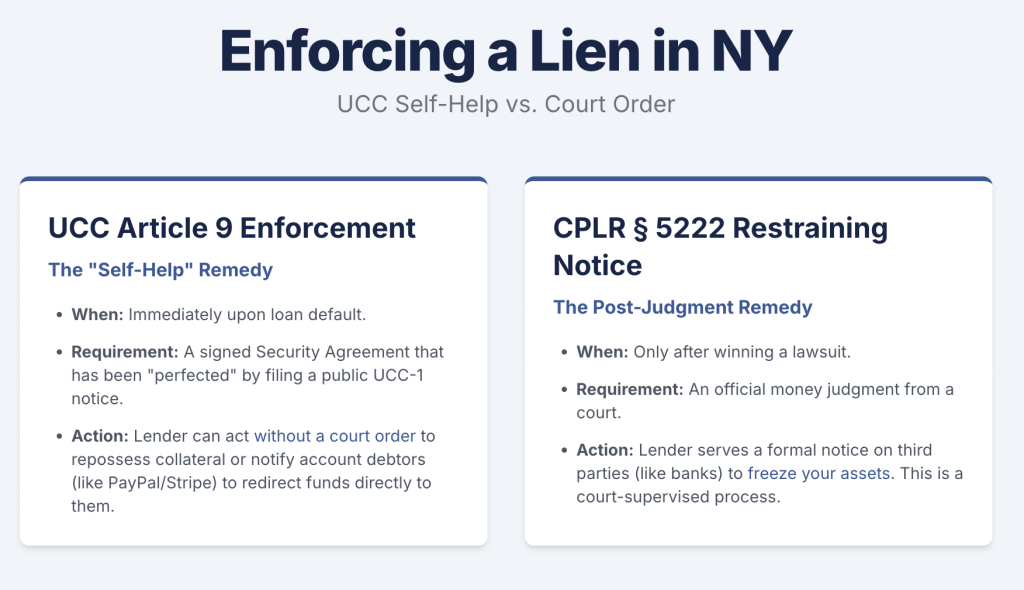
Enforcement occurs when a creditor takes legal action to collect the debt. This can lead to seizing or selling your assets, but it rarely involves freezing your bank account directly unless the creditor obtains a court order. Have you checked where your liens stand in priority?
Impact On Business Property
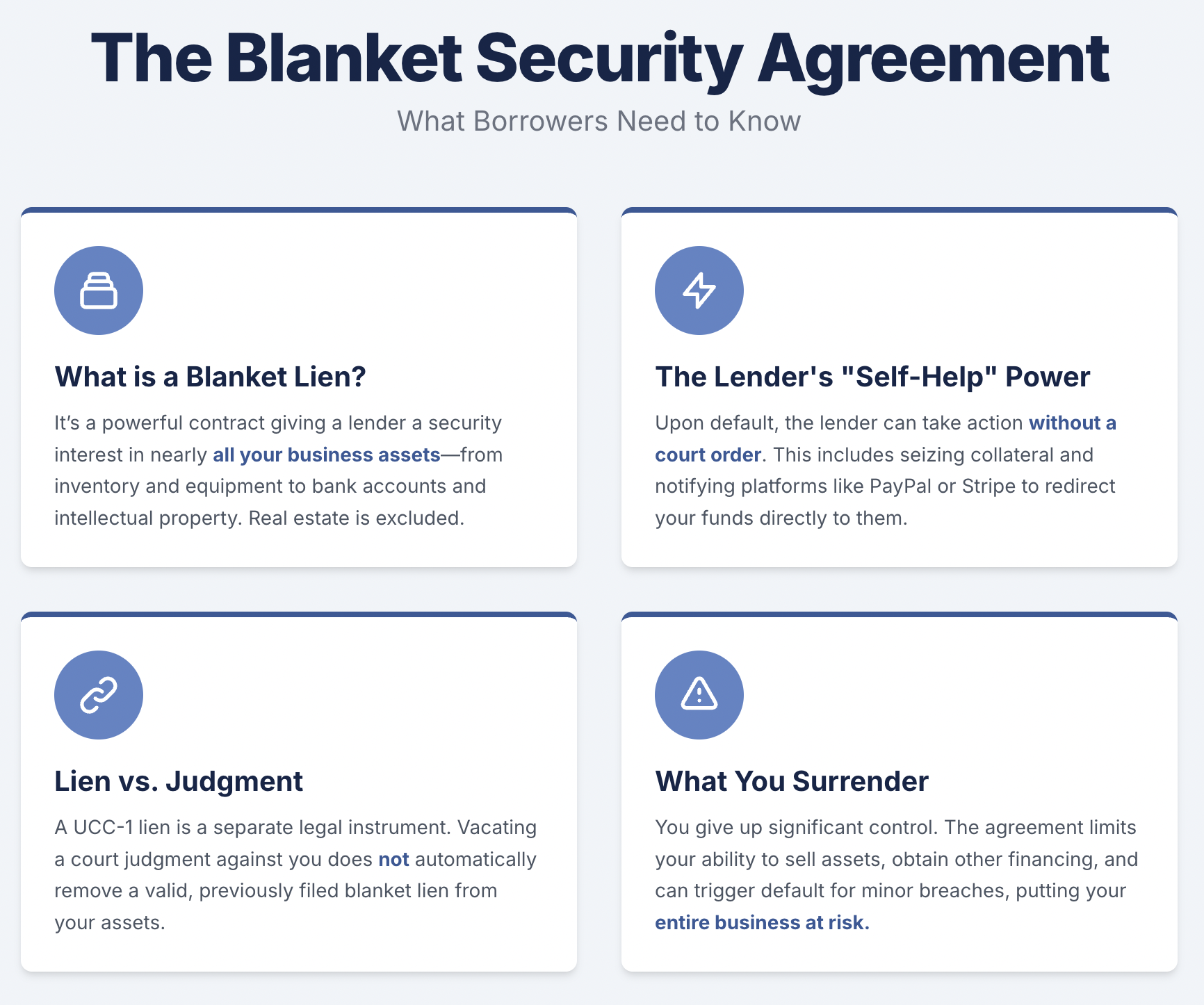
A UCC lien typically targets business property like equipment, inventory, or accounts receivable. This means your physical assets or money owed to you can be claimed if you default. Your bank account itself is generally not frozen by the lien, but access to funds related to secured assets could be limited.
For example, if your business owes money and has equipment under a UCC lien, that equipment could be repossessed. This can disrupt operations and cash flow. How prepared are you to protect or replace these assets if needed?
Difference Between Ucc Lien And Other Liens
Unlike tax liens or judgment liens, UCC liens are specifically tied to business assets used as collateral. Tax liens can freeze bank accounts and affect personal assets, while UCC liens focus on securing debts through business property. This distinction matters because it affects how and when your assets may be at risk.
Knowing the difference helps you respond appropriately. If a UCC lien is filed, your bank account might stay accessible unless other liens are involved. Have you reviewed the types of liens that apply to your business lately?
Bank Account Freezing Explained
Understanding how a bank account freeze works is crucial, especially if you face unexpected financial holds. A freeze can restrict your access to funds, causing stress and confusion. Let’s break down what triggers these freezes, who has the power to do it, and the legal steps involved.
Common Reasons For Account Freezes
Bank accounts can be frozen for several reasons, often related to legal or financial issues. Some common causes include:
- Unpaid debts or loans leading to creditor actions.
- Suspicious or fraudulent activity detected by the bank.
- Government tax liens or unpaid taxes.
- Court orders related to lawsuits or divorce settlements.
Have you ever wondered why your bank suddenly restricts your access without prior notice? Understanding these reasons can help you avoid surprises and manage your finances better.
Legal Processes Behind Freezing Accounts
Freezing a bank account is not random; it follows a legal process to protect both parties involved. Typically, a creditor or government agency must obtain a court order or legal judgment to initiate a freeze.
This order is then sent to the bank, which is legally bound to comply. The bank notifies you about the freeze, although sometimes this happens after the fact to prevent asset removal.
Knowing the legal steps empowers you to respond appropriately. Have you ever received such a notice? Understanding your rights at this stage is critical.
Who Can Freeze A Bank Account
Not everyone can freeze your bank account. Usually, authorized entities include:
- Government agencies, such as the IRS or state tax departments.
- Creditors with court judgments against you.
- Law enforcement agencies during investigations.
- The bank itself, if it suspects fraud or legal violations.
Knowing who can freeze your account helps you identify the source and take prompt action. Could you spot a legitimate freeze notice from a scam attempt? Staying informed is your best defense.
Credit: www.thelangelfirm.com
Can A Ucc Lien Freeze Your Bank Account
A UCC lien is a legal claim against personal property used as collateral for a debt. Many wonder if such a lien can freeze a bank account. The answer is not straightforward. A UCC lien does not directly freeze bank accounts but can impact them under certain conditions.
Limitations Of Ucc Liens On Bank Accounts
A UCC lien mainly covers tangible assets or specific collateral. Bank accounts are considered intangible assets. Because of this, a UCC lien does not automatically apply to funds in a bank account. Banks usually require a court order or judgment before freezing account balances.
Creditors must follow legal steps beyond filing a UCC lien to freeze a bank account. The lien alone does not grant access to or control over the account funds. This limits the lien’s immediate impact on bank accounts.
Circumstances Where Freezing Might Occur
Freezing a bank account often happens after additional legal actions. These include:
- A court order directing the bank to freeze assets
- A judgment against the debtor that authorizes account seizure
- Specific lien filings that name the bank account as collateral
In some cases, if the UCC lien explicitly covers accounts receivable or deposit accounts, it may affect the bank account. Otherwise, banks rarely freeze accounts based solely on a UCC lien.
Role Of Court Orders And Judgments
Court orders and judgments play a key role in freezing bank accounts. Courts evaluate creditor claims and decide on asset seizures. Creditors must prove debt validity and right to freeze funds. The court’s approval legally binds banks to freeze the account.
Without court involvement, UCC liens have limited power over bank accounts. Legal judgments ensure fair treatment of debtors and creditors alike. This protects account holders from unauthorized freezes.
Steps To Protect Your Bank Account
Protecting your bank account from a UCC lien requires careful attention and quick action. Understanding the steps helps you avoid surprises and financial trouble. Staying informed and prepared is key to maintaining control over your funds.
Monitoring Ucc Filings
Regularly check for any UCC filings against your name or business. These filings are public records and can indicate if a lien is placed. Use online databases or hire a service to track changes. Early detection gives you time to act before your bank account is affected.
Responding To A Ucc Lien
Review the lien details carefully. Confirm if the lien is valid or a mistake. Contact the lienholder for clarification if needed. Provide necessary documents to dispute false or incorrect liens. Quick response can prevent your bank account from being frozen.
Legal Remedies And Prevention
Consult a lawyer to understand your rights and options. You may file a lawsuit to remove an invalid lien. Keep clear records of all financial transactions and agreements. Prevent liens by paying debts on time and maintaining good credit. Legal advice helps protect your assets and bank accounts effectively.

Credit: www.thelangelfirm.com
Common Misconceptions About Ucc Liens
Many people confuse UCC liens with actions that directly freeze bank accounts. These misunderstandings create unnecessary worry. Knowing the truth helps protect your finances and peace of mind.
UCC liens do not work like court orders or bank levies. They serve a different legal purpose. Clearing up these myths can save time and stress.
Myths About Bank Account Freezes
- A UCC lien automatically freezes your bank account. This is false.
- UCC liens are the same as judgments against you. They are not.
- All liens let creditors take money from your bank. Only some liens do.
- A lien on your business means personal accounts get frozen. Personal accounts stay safe.
Clarifying Lien Enforcement
A UCC lien protects a creditor’s interest in collateral. It does not order banks to hold funds.
Creditors must get a court judgment to freeze bank accounts. UCC liens alone don’t allow this.
Enforcement actions require legal steps beyond filing a UCC lien.
Separating Fact From Fiction
- UCC liens notify others about a security interest in assets.
- They create a public record but do not seize property.
- Bank account freezes come from court orders or government agencies.
- Understanding the limits of UCC liens prevents unnecessary fear.
Frequently Asked Questions
Can A Ucc Lien Directly Freeze Your Bank Account?
A UCC lien itself does not directly freeze bank accounts. It publicly notifies creditors of a secured interest in assets. However, a creditor may use the lien to pursue a court order to freeze accounts if debts remain unpaid.
How Does A Ucc Lien Affect My Financial Assets?
A UCC lien signals creditors that your assets are collateral for a loan. While it limits your ability to sell or transfer those assets, it does not immediately restrict access to your bank funds without further legal action.
What Legal Steps Allow Freezing Bank Accounts After A Ucc Lien?
Creditors must obtain a court judgment or garnishment order after filing a UCC lien. This legal process allows them to freeze your bank account to recover owed debts tied to the lien.
Can I Remove A Ucc Lien To Protect My Bank Account?
Yes, you can remove a UCC lien by paying off the debt or settling with the creditor. Once satisfied, the lienholder must file a UCC termination statement to release the lien formally.
Conclusion
A UCC lien does not directly freeze your bank account. It mainly affects your business assets, not personal funds. Still, unpaid debts linked to a lien can lead to legal actions. Courts might order account freezes later. Understanding UCC liens helps protect your finances.
Always check your credit and lien status regularly. Act quickly if you find any lien on your records. Staying informed keeps your money safe and avoids surprises. Simple steps can prevent bigger problems down the road.