Imagine waking up on a chilly winter morning, ready for a hot cup of coffee, only to find that your well has frozen solid. This isn’t just a nightmare scenario; it’s a reality for many homeowners every winter.
As temperatures drop, you might find yourself wondering, “Can my well really freeze in the winter? ” It’s a concern that can cause anxiety, but it doesn’t have to. Understanding the factors that lead to a frozen well and knowing how to prevent it can save you from a lot of stress and potential costs.
We’ll dive into what causes wells to freeze, how to spot the warning signs, and the steps you can take to keep your water flowing even when the mercury plummets. Stay tuned to ensure you’re not left in the cold this winter.
How Wells Freeze
Understanding how wells freeze can help you protect your water supply during cold months. Wells don’t freeze simply because the air outside is cold; there’s a specific process behind it. Knowing this process will help you spot potential problems early and take action before your well stops working.
Freezing Mechanism In Wells
Water inside a well freezes when the temperature drops below 32°F (0°C). This usually happens near the surface, where water is exposed to cold air. If the water inside the well casing or pipes is still, it becomes easier for ice to form and block the flow.
Ice forms from the outside inward, starting at the well opening or exposed pipes. Once ice begins to build up, it can trap water behind it, causing pressure that may damage the well system. Have you ever noticed frost on your outdoor pipes during winter? That’s a sign your well could be at risk too.
Factors Influencing Freezing
- Exposure to Cold Air:Wells in unprotected areas or shallow wells near the surface freeze faster.
- Water Movement:Flowing water resists freezing, while stagnant water freezes more easily.
- Insulation:Natural soil and snow act as insulators. Thin soil cover or lack of snow increases freezing risk.
- Well Construction:Poorly insulated or damaged casings allow cold air to reach the water.
Think about how your well is set up. Is it exposed to the elements? Does water stay still in the pipes? These factors determine how likely your well is to freeze.
Depth And Temperature Impact
The deeper the well, the less likely it is to freeze. Ground temperature stays relatively stable below the frost line, usually several feet underground. Shallow wells are vulnerable because the cold penetrates the soil and affects water near the surface.
Winter temperature swings also play a role. A sudden cold snap can freeze shallow wells quickly, while steady cold might allow ice to build up slowly. Do you know how deep your well is? Checking this can give you a good idea of the freezing risk.
Signs Of A Frozen Well
Knowing the signs of a frozen well helps protect your water supply. It lets you act fast before serious damage occurs. Frozen wells often show clear symptoms. Spotting these early can save time and money.
Reduced Water Flow
Water may come out slower or stop completely. Pipes freeze, blocking water from moving. You might notice weak pressure at taps. This is a common sign of freezing inside the well system.
Unusual Sounds
Listen for odd noises from the pipes or pump. Sounds like creaking, cracking, or banging can mean ice is inside. Frozen water expands and can cause these strange noises as it presses on pipes.
Frost Around The Well
Frost or ice build-up around the well casing or pipes is a clear warning. This happens when cold air freezes moisture near the well. Check for frost on exposed parts during cold days. It signals freezing risk inside the system.
Preventing Well Freezing
Preventing a well from freezing is key to ensuring water supply in cold months. Frozen wells stop water flow and can cause damage. Taking simple steps helps protect the well during winter. Below are effective ways to keep your well safe and functional.
Insulation Techniques
Insulating the well area blocks cold air and retains heat. Use foam pipe insulation around exposed pipes. Cover the wellhead with insulated well caps or jackets. Adding straw or mulch around the well base adds extra warmth. Seal any gaps or openings near the well to prevent cold drafts.
Proper Well Design
Building a well with freezing in mind helps avoid problems later. Place the well deeper underground, below the frost line. Use materials that resist cold, such as insulated casing. Design the well to minimize pipe exposure outside the heated ground. Ensure the well cover fits tightly to keep out cold air.
Maintaining Water Flow
Water movement helps prevent freezing inside pipes and wells. Run water at a slow drip during very cold nights. This small flow stops water from sitting still and freezing. Check pumps and pipes regularly for leaks or blockages. Clear snow and ice buildup around the well to keep access open.

Credit: crossroadoc.org
Thawing A Frozen Well
Thawing a frozen well is crucial to restore water flow and avoid damage. A frozen well can stop water supply and harm pipes. Acting quickly and carefully prevents costly repairs and ensures safe water access.
Safe Thawing Methods
Use gentle heat sources to thaw a frozen well. Avoid open flames or high heat that can crack pipes. Wrapping the well casing with electric heating tape works well. Applying warm towels or heat packs helps melt ice slowly. Keep the area ventilated to avoid moisture buildup. Monitor the thawing process to prevent overheating.
Tools And Equipment
- Electric heating tape designed for pipes
- Warm towels or heat packs
- Hairdryer with adjustable heat settings
- Thermometer to check temperature
- Protective gloves and safety goggles
These tools help thaw the well safely and efficiently. Avoid using blowtorches or high-powered heaters.
When To Call A Professional
Call a professional if the well remains frozen after attempts. Seek help if you notice pipe damage or leaks. Professionals have equipment to thaw deeply frozen wells. They can also inspect for underlying issues causing freezing. Early expert intervention can save money and prevent water loss.
Impact Of Frozen Wells
Frozen wells can lead to serious problems that affect more than just your ability to get water. The impact of a frozen well can ripple through your entire water system, causing unexpected headaches and expenses. Understanding these effects can help you prepare and respond more effectively.
Damage To Pipes And Pumps
When water inside your well or pipes freezes, it expands. This expansion can crack or burst pipes, leading to leaks or complete pipe failure. Pumps, especially those exposed to freezing temperatures, can also suffer damage if water inside them freezes and expands.
Have you ever noticed a sudden drop in water pressure during winter? It might be a sign of pipe damage from freezing. Fixing or replacing broken pipes and pumps is often urgent and costly.
Water Supply Disruptions
A frozen well means no water flow. This disruption can leave you without water for drinking, cooking, cleaning, or heating systems that rely on water. The inconvenience can last days or even weeks, depending on how quickly the problem is identified and fixed.
Think about how your daily routine depends on water. How would you manage if your water stopped flowing suddenly? Planning for water supply interruptions is crucial if you live in cold areas.
Costly Repairs
Repairing frozen wells and damaged components can be expensive. You might face costs for pipe replacement, pump repairs, or even drilling a new well if damage is severe. Additionally, you could incur higher heating bills trying to prevent freezing in the future.
Investing in preventive measures now can save you from hefty repair bills later. Are you prepared to handle the financial impact if your well freezes this winter?

Credit: www.pond-planet.co.uk
Winter Well Maintenance Tips
Winter brings cold temperatures that can affect your well’s function. Proper maintenance helps prevent freezing and damage. Taking simple steps ensures your well keeps working during harsh weather.
Regular Inspections
Check your well system often throughout winter. Look for cracks in pipes or the well casing. Inspect the pump and pressure tank for leaks or frost. Early detection of issues prevents costly repairs later.
Winterizing Your Well
Insulate exposed pipes using foam sleeves or heat tape. Cover the wellhead with an insulated box or blanket. Seal any gaps around the well to stop cold air entry. Drain outdoor faucets connected to the well to avoid freezing.
Emergency Preparedness
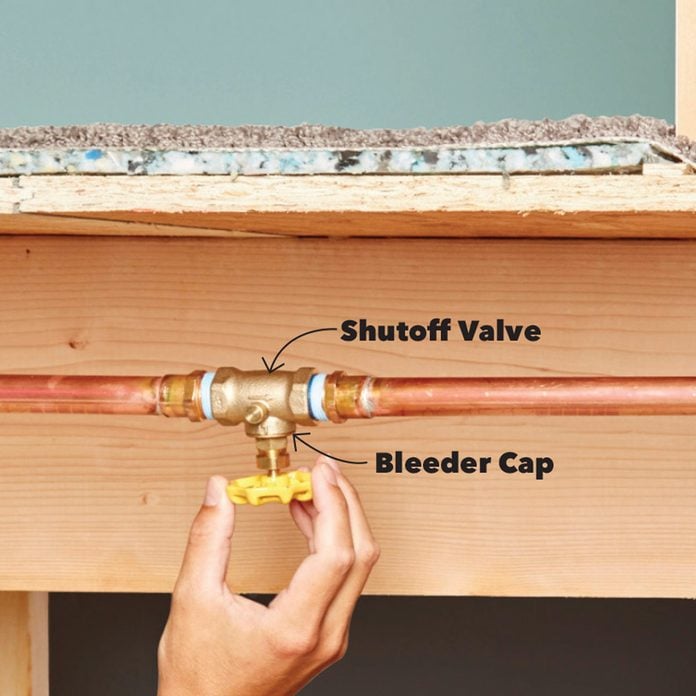
Keep extra water stored for emergencies. Have backup power ready to run the pump if electricity fails. Know how to shut off the well system quickly in case of leaks. Keep contact info for a local well professional handy.
Credit: www.familyhandyman.com
Frequently Asked Questions
Can A Well Actually Freeze During Winter?
Yes, a well can freeze if the temperature drops below freezing for a long time. Shallow wells are more vulnerable, while deeper wells usually stay unfrozen due to ground insulation.
How To Prevent A Well From Freezing In Winter?
Insulate exposed pipes, use heat tape, and keep the wellhouse warm. Ensure proper drainage and seal any openings to stop cold air from entering the well system.
What Are Signs Of A Frozen Well?
Reduced water flow, no water at the tap, or strange noises from the pump indicate a frozen well. Early detection helps prevent damage and costly repairs.
Does Depth Affect Well Freezing Risk?
Yes, deeper wells are less likely to freeze because ground temperature remains stable below the frost line. Shallow wells need extra protection during cold weather.
Conclusion
Wells can freeze during very cold winters. Water inside the well or pipes may turn to ice. This can block water flow and cause problems. Taking steps to protect your well helps avoid freezing. Insulating pipes and keeping the pump running can keep water moving.
Knowing how to prevent freezing saves time and money. Stay prepared for winter’s cold to keep your water flowing. Simple care keeps your well safe all season long.