
Imagine waking up on a chilly winter morning, ready to start your day, only to find that there’s no water running from your taps. The culprit?
A frozen well pump. If you’ve ever wondered, “Can a well pump freeze? ” You’re not alone. This is a common concern for many homeowners, especially in regions that experience harsh winters. The good news is, by understanding the risks and implementing preventive measures, you can avoid the hassle and expense of dealing with a frozen pump.
We’ll uncover the reasons why well pumps freeze, how it impacts your daily life, and most importantly, what you can do to prevent this from happening. Stay with us to discover practical tips and solutions that could save you time, money, and a whole lot of stress this winter.
Why Well Pumps Freeze
Understanding why well pumps freeze is essential to protecting your water supply during cold months. Frozen well pumps can disrupt your water flow and cause costly damage. Knowing the causes and signs of freezing helps you act quickly and prevent a full system shutdown.
Common Causes
- Low Temperatures:When temperatures drop below freezing, water inside the pump and pipes can freeze, expanding and causing damage.
- Poor Insulation:Lack of proper insulation around the well pump or pipes leaves them vulnerable to cold air and frost.
- Extended Pump Inactivity:Pumps that sit idle for long periods during cold weather are more likely to freeze since water remains stagnant.
- Improper Installation:Pumps installed too close to the surface or in unheated spaces face higher freezing risks.
- Wind Chill:Strong winds can accelerate heat loss from the pump housing, increasing the chance of freezing.
Signs Of Freezing
- Reduced Water Pressure:If your water flow suddenly weakens, frozen pipes or pump components could be blocking water movement.
- Unusual Noises:Grinding or humming sounds from your well pump might indicate ice buildup obstructing the mechanism.
- Water Discoloration or Air Bubbles:Ice inside pipes can cause air pockets or sediment to enter the water supply.
- Visible Frost or Ice:Check around the pump housing and pipes for frost accumulation or ice formations.
Have you noticed any of these signs around your well pump this winter? Early detection can save you from expensive repairs and water shortages. Take a moment to inspect your system regularly, especially when temperatures plummet.
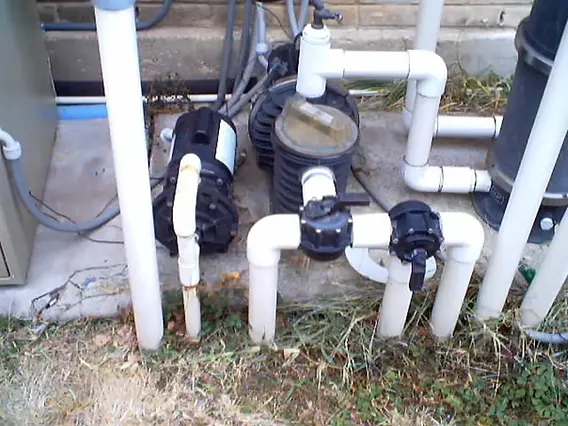
Credit: www.lifeguardli.com
Risks Of A Frozen Well Pump
A frozen well pump can lead to serious problems that affect both your equipment and daily water use. Understanding the risks is key to protecting your well system during cold weather. Below, you’ll find specific ways freezing can cause trouble and what that means for you.
Damage To Pump Components
When water inside the well pump freezes, it expands and can crack or break crucial parts. Pipes and seals are especially vulnerable because they aren’t designed to handle ice pressure. Even a small crack can lead to leaks or total pump failure.
I once saw a neighbor’s well pump freeze overnight during a sudden cold snap. The metal casing split, and the pump had to be replaced entirely. This kind of damage often results in expensive repairs that could have been avoided with simple preventative steps.
Impact On Water Supply
A frozen pump stops water flow completely. This means no water for drinking, cooking, or heating—essentially cutting off your daily needs. The longer the freeze lasts, the more it disrupts your routine and creates discomfort.
Think about how much you rely on your well water every day. What would you do if it suddenly stopped working in the middle of winter? Preparing for this risk can save you from unexpected hardship and emergency calls to a plumber.
Preventing Well Pump Freezing
Preventing a well pump from freezing is essential to keep water flowing during cold months. Frozen pumps can stop water supply and cause expensive damage. Taking simple steps can protect your pump against freezing temperatures. Proper care ensures your well system works all winter long.
Proper Insulation Techniques
Insulate the pump and pipes with foam sleeves or fiberglass wrap. Cover any exposed parts to block cold air. Use weatherproof materials designed for outdoor use. Seal gaps around the well house or pump shelter to keep warm air inside. Insulation lowers the risk of ice forming on the pump.
Maintaining Consistent Water Flow
Keep water moving through the pipes to prevent freezing. Run a small trickle of water during very cold nights. This constant flow stops water from sitting still and freezing. Check valves and pipes regularly to avoid blockages. Flowing water helps keep the system warm naturally.
Using Heat Tape And Other Devices
Apply electric heat tape along pipes and pump parts. Heat tape provides direct warmth and prevents ice buildup. Choose heat tape with an automatic thermostat for safety and efficiency. Use thermostatically controlled heaters inside the pump house. These devices add extra protection during extreme cold spells.
Winterizing Your Well Pump
Winterizing your well pump is crucial to protect it from freezing temperatures that can cause serious damage. Taking the right steps before the cold sets in ensures your system stays functional and efficient throughout winter. Let’s look at practical ways to prepare your well pump for freezing weather and avoid costly repairs.
Draining And Shutting Down
One of the most effective ways to prevent your well pump from freezing is to drain the water from the system. Start by turning off the power supply to your pump to avoid any electrical hazards during the process.
Next, open the drain valves and let all the water flow out completely. This removes water that could freeze and expand, cracking pipes or damaging the pump itself.
If you live in an area with harsh winters and don’t need water during this time, shutting down your well pump entirely can save you headaches. Remember to close any valves that prevent cold air from entering the well casing.
Routine Maintenance Tips
Maintaining your well pump regularly helps identify small issues before they become big problems in winter. Check for leaks, worn-out parts, and insulation around pipes and the pump housing.
Adding insulation sleeves to exposed pipes and wrapping the pump with a heat tape designed for outdoor use can keep temperatures stable. Have you noticed any strange noises or irregular water pressure? These can be signs that your pump needs servicing before freezing weather arrives.
Schedule a professional inspection annually to ensure everything is in good shape. Taking these maintenance steps will give you peace of mind during the cold months and extend the life of your well pump.
What To Do If Your Well Pump Freezes
If your well pump freezes, acting quickly can prevent costly damage and restore your water supply faster. Knowing the right way to thaw a frozen pump is key to avoiding cracks or electrical hazards. Let’s explore safe ways to handle this problem and when it’s best to reach out for professional help.
Safe Thawing Methods
Start by turning off the power to the well pump to avoid any electrical risks. Never use an open flame or high heat sources like a blowtorch; these can damage the pump and surrounding pipes.
Instead, use gentle heat sources such as:
- A hairdryer set on low heat
- Heating pads wrapped around the pump
- Warm towels placed over the frozen parts
Keep the heat moving around the frozen area and check frequently for signs of thawing. You might notice ice melting or water starting to flow again. Patience is crucial here—rushing can cause parts to crack.
When To Call A Professional
If you don’t see any thawing after applying gentle heat for a reasonable time, it’s wise to get expert help. Also, if you hear strange noises, smell burning, or see leaks when you turn the pump back on, stop immediately and call a professional.
Attempting repairs without the right tools or knowledge can worsen the damage. Professionals can inspect for hidden cracks, fix electrical issues, and suggest insulation improvements to prevent future freezes. Would you risk your pump’s longevity to save a few dollars?
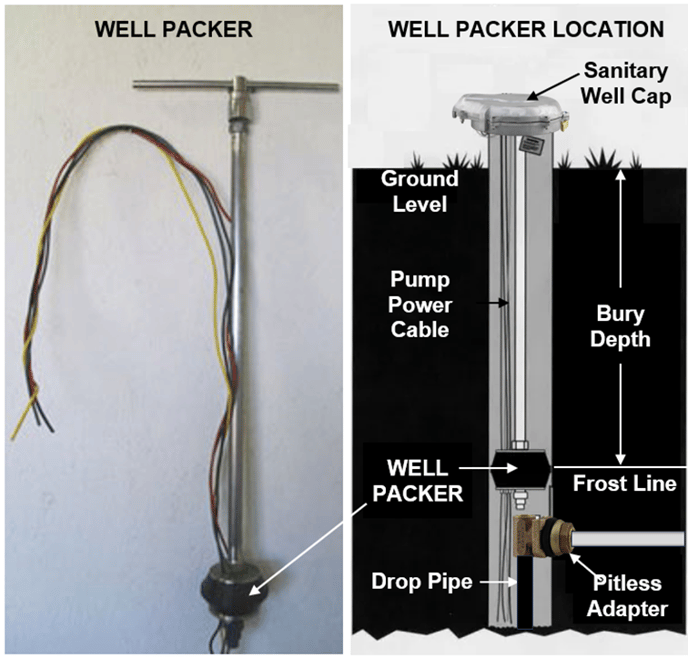
Credit: support.boshart.com
Cost Implications Of Frozen Pumps
Frozen well pumps can lead to unexpected and often high costs. The damage caused by freezing can range from minor repairs to the need for a full replacement, which impacts your wallet differently. Understanding these cost implications helps you make smarter decisions about maintenance and emergency responses.
Repair Vs Replacement
Repairing a frozen well pump usually involves fixing burst pipes, replacing seals, or thawing and flushing the system. These repairs can cost anywhere from a few hundred to over a thousand dollars, depending on the severity.
Replacement, on the other hand, is much more expensive. A new well pump installation can run into several thousand dollars, especially if professional labor and new components are needed.
How do you decide whether to repair or replace? Consider the pump’s age and the extent of damage. If your pump is old and frozen solid, replacement might save you more money in the long run.
Avoiding Expensive Repairs
Preventing your pump from freezing is the best way to avoid costly repairs. Simple steps like insulating your pump, ensuring proper drainage, and maintaining consistent water flow can protect your system.
- Install heat tape or insulated covers around exposed pipes.
- Keep a small trickle of water running during extreme cold to prevent freezing.
- Check for cracks or leaks regularly to fix small issues before they worsen.
Have you checked your pump’s winter readiness this season? Taking action now can save you from an expensive emergency call later.
Credit: www.diychatroom.com
Frequently Asked Questions
Can A Well Pump Actually Freeze In Winter?
Yes, a well pump can freeze if exposed to cold temperatures. Frozen pumps may stop working and get damaged.
What Causes A Well Pump To Freeze?
Freezing occurs when water in the pump or pipes is exposed to below-freezing temperatures without insulation.
How Can I Prevent My Well Pump From Freezing?
Insulate pipes and pump housing, keep a slow water flow, and maintain heat around the well area.
What Happens If A Well Pump Freezes And Bursts?
Frozen pumps can crack, causing leaks and costly repairs. Immediate thawing and inspection are crucial.
Conclusion
A well pump can freeze in cold weather. This can stop water flow and cause damage. Protect your pump by insulating pipes and keeping the area warm. Check your system regularly for signs of freezing. Taking simple steps can save you money and hassle.
Stay prepared, especially during winter months. Preventing freeze issues keeps water running smoothly. Don’t wait for problems to start fixing your pump. Act early and keep your water supply safe.