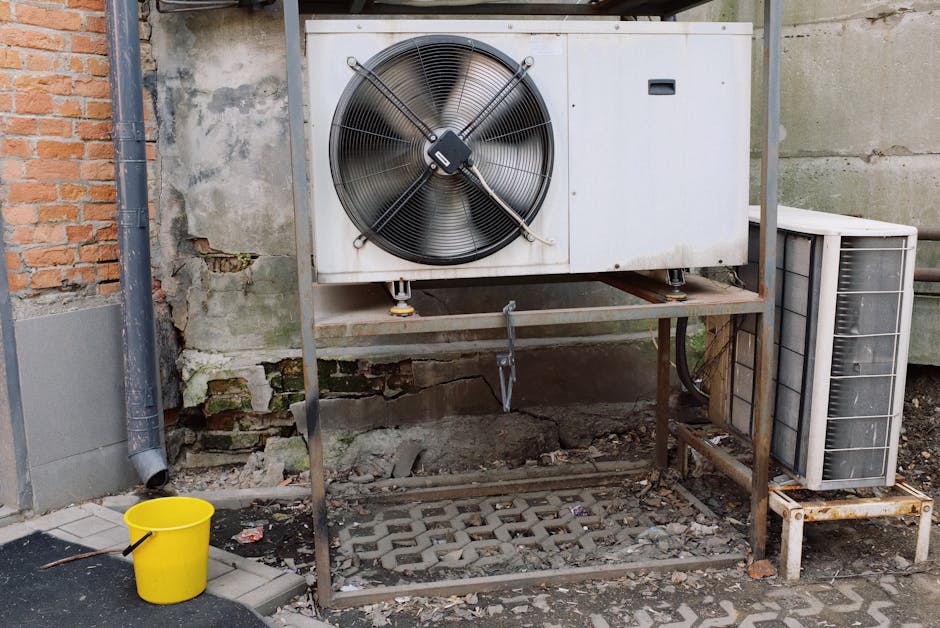
Have you ever wondered if your whole house generator can keep your air conditioner running during a power outage? When the heat rises and the electricity goes out, staying cool becomes more than just a comfort—it’s a necessity.
You might be asking yourself if your generator is strong enough to handle the high energy demands of your AC unit. You’ll discover the key facts about using a whole house generator with your air conditioner. By the end, you’ll know exactly what to expect and how to keep your home cool and comfortable, no matter what happens with your power.
Keep reading to find out if your generator can really keep the cool air flowing.
How Whole House Generators Work
Whole house generators provide power to an entire home during outages. They turn on automatically when the main power goes out.
These generators connect to your home’s electrical system. They supply electricity to all your appliances and devices.
Power Output And Capacity
Whole house generators come in different sizes. Their power output decides how many appliances they can run at once.
Air conditioners need a lot of power. Make sure your generator has enough capacity to handle the AC unit.
- Small generators: 5,000 to 7,500 watts
- Medium generators: 8,000 to 12,000 watts
- Large generators: 15,000 watts or more
Fuel Types And Efficiency
Generators use different fuels like natural gas, propane, or diesel. Each fuel affects how long and efficiently the generator runs.
Natural gas and propane are cleaner and quieter. Diesel generators usually last longer but may be louder.
- Natural Gas: Continuous supply, low emissions
- Propane: Easy storage, clean burning
- Diesel: High power, longer engine life

Credit: www.angi.com
Air Conditioner Power Requirements
Whole house generators can power many home appliances, including air conditioners. Knowing the power needs of your AC is important to choose the right generator size.
Air conditioners use different amounts of electricity when they start and when they run. This affects the generator’s ability to keep the AC working smoothly.
Starting Vs Running Watts
Air conditioners need more power to start than to keep running. This is called starting watts and running watts. The generator must handle the higher starting watts without shutting off.
Running watts are the normal power the AC uses after it is on. Starting watts can be two to three times higher than running watts.
- Starting watts: high power needed to start the compressor
- Running watts: lower power needed to keep the AC running
- Generators should support starting watts to avoid overload
Different Ac Types And Their Loads
Air conditioners come in various types. Each type uses different amounts of power to start and run. Knowing your AC type helps pick a suitable generator.
Here are common AC types and their power loads:
| AC Type | Starting Watts | Running Watts |
|---|---|---|
| Window AC (5,000 BTU) | 1,200 watts | 500 watts |
| Central AC (3 Ton) | 6,000 watts | 3,500 watts |
| Portable AC | 1,500 watts | 1,000 watts |
| Ductless Mini-Split | 2,000 watts | 1,200 watts |
Matching Generator To Ac Needs
A whole house generator can run your air conditioner during power outages. To keep your home cool, you must match the generator to your AC unit’s needs. Choosing the right size generator ensures your AC runs smoothly.
Generators differ in power output. Some can handle small loads, while others support large appliances. Knowing your AC’s power requirements helps pick the right generator.
Sizing Your Generator
Find your AC unit’s wattage before choosing a generator. The generator must supply enough power for the AC and other home appliances. Check the AC’s nameplate or user manual for watt information.
Keep in mind, your generator should provide more power than your AC needs. This extra power covers other devices and prevents overloads. A generator with 20-30% higher wattage than your AC is a safe choice.
- Check AC running watts
- Add watts for other appliances
- Choose generator wattage 20-30% higher
Considering Surge Power
Air conditioners use more power when they start. This is called surge power or starting watts. It can be two to three times higher than running watts. Your generator must handle this surge.
Generators list surge watt ratings. Make sure the surge watt rating meets or exceeds your AC’s starting watt needs. If the generator cannot handle surge power, the AC may not start or cause damage.
- Identify AC starting watts
- Check generator surge watt rating
- Match or exceed surge watt needs

Credit: www.jackery.com
Installation And Setup Tips
A whole house generator can run your air conditioner during a power outage. Proper installation is key for safety and performance. Follow simple tips to set up your generator right.
This guide covers wiring, transfer switches, and safety tips. These help your generator work smoothly with your AC unit.
Proper Wiring And Transfer Switches
Correct wiring is important for your generator to power the air conditioner safely. Use a transfer switch to connect the generator to your home’s electrical system. It prevents backfeed and protects utility workers.
The transfer switch lets you choose which circuits get power from the generator. Make sure the switch can handle the AC unit’s power needs. Hire a licensed electrician to install the wiring and switch.
- Use a transfer switch rated for your generator’s size
- Connect critical circuits like the air conditioner to the switch
- Hire a professional electrician for installation
- Test the system after installation to ensure it works properly
Safety Precautions
Safety is very important when using a whole house generator. Always keep the generator outside in a dry, ventilated space. Never run it indoors to avoid carbon monoxide poisoning.
Regularly check fuel levels and turn off the generator before refueling. Use heavy-duty extension cords if needed, but avoid overloading the generator. Follow local codes and manufacturer instructions closely.
- Place the generator outside, away from doors and windows
- Keep the area clear of debris and flammable materials
- Turn off the generator before adding fuel
- Check cords and connections for damage
- Follow all local electrical codes and rules
Common Challenges And Solutions
Using a whole house generator to run an air conditioner can be helpful. It keeps your home cool during power outages. But it can also cause some problems.
This guide explains common challenges and how to solve them. It focuses on voltage fluctuations and overload prevention.
Handling Voltage Fluctuations
Air conditioners need steady power to work well. Voltage changes can make them run poorly or stop working.
Generators may not always provide stable voltage. This can cause the air conditioner to turn off or get damaged.
- Use a generator with automatic voltage regulation (AVR).
- Check the generator’s power rating matches your air conditioner’s needs.
- A professional can install a voltage stabilizer for better control.
- Keep the generator well maintained to avoid power dips.
Preventing Overloads
Air conditioners require a lot of power, especially when starting. This can cause the generator to overload.
Overloads can shut down the generator or damage its parts. It is important to prevent this from happening.
- Choose a generator with enough starting and running watts.
- Limit other appliances running at the same time as the air conditioner.
- Use a soft starter device to reduce the air conditioner’s startup power.
- Regularly test the generator under load to ensure it handles the power.
Maintaining Your Generator For Ac Use
Keeping your whole house generator in good shape is important. It helps your air conditioner run smoothly during power outages. Proper care can extend your generator’s life and avoid problems.
Regular checks and proper fuel handling are key parts of maintenance. These steps make sure the generator is ready when you need it most.
Routine Maintenance Tasks
Routine maintenance keeps your generator reliable. Check the oil, air filter, and spark plugs often. Clean or replace parts as needed to ensure good performance.
- Check and change the oil every 50 to 60 hours of use.
- Clean or replace the air filter monthly during heavy use.
- Inspect spark plugs for wear and replace yearly.
- Test the generator under load regularly to ensure it can handle your AC unit.
- Keep the battery charged and clean if your generator uses one.
Fuel Storage And Management
Proper fuel storage is important for generator use. Old fuel can cause starting issues and damage the engine. Store fuel safely and use stabilizers if needed.
| Fuel Type | Storage Life | Storage Tips |
| Gasoline | 3-6 months | Use fuel stabilizer and store in a cool, dry place. |
| Diesel | 6-12 months | Keep sealed and away from moisture. |
| Propane | Indefinite | Store tanks upright and check for leaks. |
Cost Considerations
Running an air conditioner with a whole house generator involves some costs. These costs include the price to buy and set up the generator. You also pay for fuel and maintenance over time.
Knowing these costs helps you plan your budget better. It also helps you decide if a whole house generator is right for your needs.
Initial Investment
The initial cost includes buying the generator and installing it. Whole house generators that can run air conditioners usually cost more. Installation needs a professional to connect the system safely to your home.
You may also need to upgrade your electrical panel. This makes sure the generator handles the power load from the air conditioner and other appliances.
- Cost of generator unit
- Professional installation fees
- Electrical panel upgrades
- Permits and inspections
Operational Expenses
After installation, you pay for fuel to run the generator. Gasoline, propane, or natural gas are common fuels. Each has a different price and availability.
Maintenance is also important. Regular checks keep the generator working well and lasting longer. Maintenance costs include oil changes, filter replacements, and occasional repairs.
- Fuel costs based on usage
- Routine maintenance expenses
- Possible repairs over time
- Periodic testing to ensure readiness
Alternative Cooling Options During Outages
Power outages can make it hard to keep your home cool. Whole house generators may not always run air conditioners. It depends on the generator’s size and capacity.
There are other ways to stay cool when the power goes out. These options use less energy and keep you comfortable.
Portable Ac Units
Portable air conditioners are small and easy to move. They use less power than central AC systems. This makes them a good choice during outages.
These units cool one room at a time. You do not need a big generator to run them. You just need to plug them into a power source.
- Easy to install and use
- Cool small spaces efficiently
- Require a vent for hot air
- Use less electricity than whole house AC
Energy-efficient Fans
Fans use much less power than air conditioners. They help move air and make you feel cooler. This helps your body stay comfortable.
There are many types of fans. You can choose ceiling fans, box fans, or tower fans. They can run longer on a generator or battery.
- Use very little electricity
- Help circulate air in rooms
- Work well with open windows
- Can run for hours on a small generator

Credit: vtoman.com
Frequently Asked Questions
Can A Whole House Generator Power An Air Conditioner?
Yes, a whole house generator can run an air conditioner. It provides sufficient power to handle high energy demands. Ensure the generator’s wattage matches your air conditioner’s requirements for smooth operation and avoid overload.
What Size Generator Is Needed For An Air Conditioner?
You need a generator with at least 5,000 to 7,500 watts for a typical air conditioner. Larger units may require more power, so always check your AC’s startup and running wattage to select the right generator size.
How Long Can A Generator Run An Air Conditioner?
A generator can run an air conditioner as long as it has enough fuel. Most portable generators run 8-12 hours per tank, while standby generators can run indefinitely with proper fuel supply and maintenance.
Does Running An Air Conditioner Damage The Generator?
Running an air conditioner won’t damage a properly sized generator. Overloading or using a generator with insufficient capacity can cause damage, so always match generator power with your AC unit’s requirements.
Conclusion
A whole house generator can power your air conditioner. It offers peace of mind. Comfort during power outages becomes achievable. Ensure your generator’s capacity matches your AC’s needs. Consult a professional for proper installation. This helps avoid potential issues. Regular maintenance is crucial for reliable operation.
Keep your home cool and safe. Enjoy consistent comfort no matter the weather. Investing in a suitable generator is wise. It protects your home’s comfort and functionality. Consider your household’s power needs carefully. Make informed decisions for optimal results. A well-chosen generator keeps your air conditioner running smoothly.