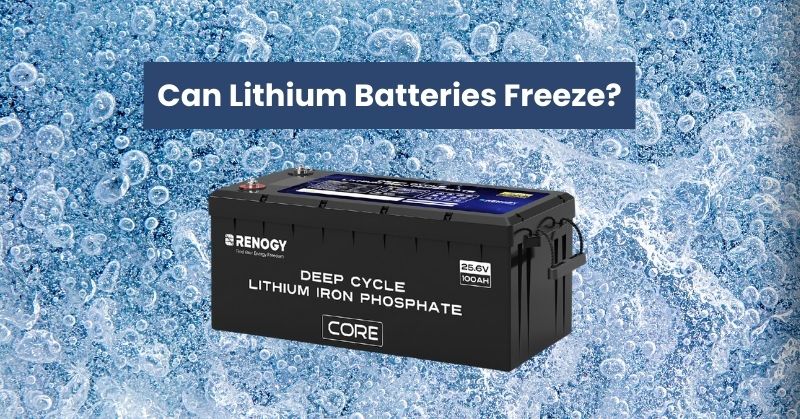
Have you ever wondered if your AGM battery can freeze in cold weather? If you rely on your battery to power important devices or your vehicle, knowing how it reacts to freezing temperatures is crucial.
Freezing can damage batteries and leave you stranded when you least expect it. You’ll discover what happens to AGM batteries in the cold and how to protect yours from freezing. Keep reading to make sure your battery stays strong and reliable, no matter the weather.
Credit: www.foxtronpowersolutions.com
Agm Battery Basics
Understanding the basics of AGM batteries is essential before addressing whether they can freeze. These batteries are popular in many applications, from cars to solar power systems, because of their unique design and performance. Knowing what an AGM battery is and how it works helps you handle it properly and avoid damage in cold weather.
What Is An Agm Battery
AGM stands for Absorbent Glass Mat. This type of battery uses a special glass fiber mat to hold the electrolyte in place, unlike traditional flooded batteries that have liquid freely moving inside.
The design makes AGM batteries spill-proof and maintenance-free. They are sealed tightly, which reduces the risk of leaks and makes them safer to use in various positions.
Many people choose AGM batteries because they offer longer life and better resistance to vibration. Have you ever wondered why some batteries last longer in tough conditions? The answer often lies in this design.
How Agm Batteries Work
Inside an AGM battery, the electrolyte is absorbed into the glass mats, keeping it in close contact with the battery plates. This setup allows for efficient chemical reactions that generate electricity.
When you use the battery, a chemical reaction occurs between the lead plates and the electrolyte to produce electrical energy. The absorbed electrolyte helps maintain optimal contact, improving performance.
This design also means AGM batteries have lower internal resistance, so they charge faster and deliver power more efficiently. Have you experienced quicker starts or longer power supply with certain batteries? That’s often due to AGM technology.
Credit: hcsrepair.com
Freezing Points Of Agm Batteries
AGM batteries are known for their durability and low maintenance. Yet, their behavior in freezing temperatures often raises questions. Understanding the freezing points of AGM batteries helps protect them from damage during cold weather. The freezing point depends on several factors, including the battery’s internal chemistry and charge level.
Factors Affecting Freezing
The freezing point of an AGM battery is not fixed. It changes based on the battery’s electrolyte composition and temperature. AGM batteries use absorbed glass mats that hold the electrolyte in place. This design helps reduce freezing risk compared to traditional flooded batteries.
Temperature is a key factor. The colder it gets, the higher the chance the battery may freeze if conditions allow. Battery age also plays a role. Older batteries might have lower electrolyte quality, increasing freeze risk.
State Of Charge And Freezing Risk
The battery’s charge level greatly affects its freezing point. A fully charged AGM battery has a lower freezing point than one that is partially charged or empty. This happens because a charged battery contains more sulfuric acid, which lowers the freezing temperature of the electrolyte.
Here is a simple guide to freezing points based on charge level:
| State of Charge | Approximate Freezing Point |
|---|---|
| 100% Charged | -70°F (-57°C) |
| 50% Charged | 0°F (-18°C) |
| 0% Charged | 32°F (0°C) |
Keeping an AGM battery fully charged helps prevent freezing damage. Low charge levels increase the risk of electrolyte freezing and permanent battery damage.
Signs Of A Frozen Agm Battery
Recognizing the signs of a frozen AGM battery can save you from unexpected troubles. These batteries are designed to be resilient, but extreme cold can still cause issues that affect their performance and safety. Knowing what to look for helps you take action before the damage becomes permanent.
Physical Indicators
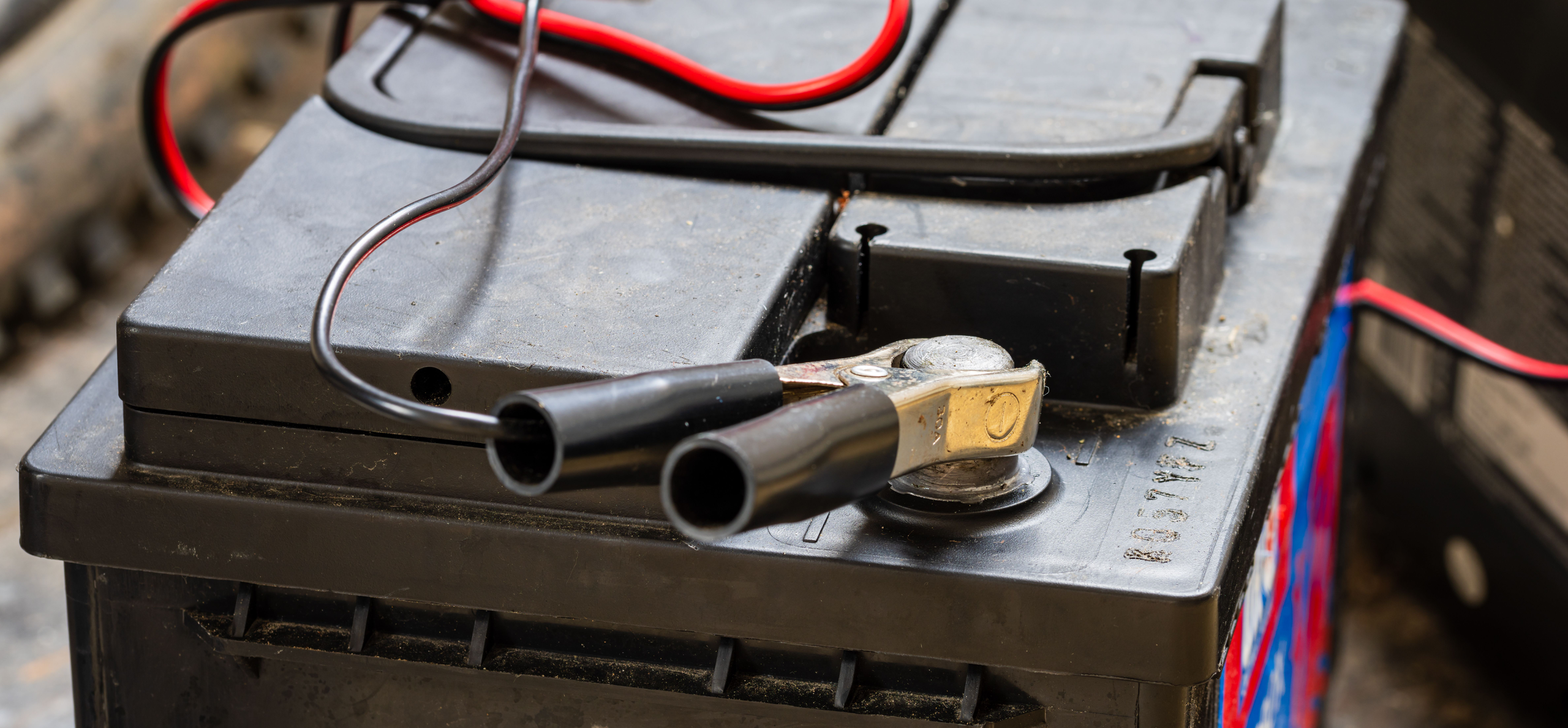
One of the clearest signs is visible damage. Your battery may show cracks or bulges in the casing due to ice expansion inside.
Check for unusual frost or ice buildup on the battery surface. This could mean the electrolyte inside has frozen.
Leaks or corrosion around the terminals can also appear if freezing has compromised the battery’s seals.
Have you ever noticed your battery looking swollen or damaged after a cold snap? That’s a red flag you shouldn’t ignore.
Performance Changes
If your AGM battery struggles to start your vehicle or powers devices inconsistently, freezing might be the culprit.
You might experience a sudden drop in voltage or find that the battery won’t hold a charge like it used to.
Another sign is increased internal resistance, which causes the battery to heat up during use or charging.
Pay attention if your battery’s performance drops sharply after exposure to cold temperatures—this often points to freezing damage.

Credit: www.vatrerpower.com
Preventing Agm Battery Freeze
AGM batteries can suffer damage if they freeze. Preventing freeze is essential to keep your battery working well. Cold temperatures cause battery fluid to expand and freeze. This expansion can crack the battery case or damage the internal parts. Taking steps to prevent freezing helps extend battery life and maintains performance.
Proper Storage Tips
Store AGM batteries in a cool, dry place above freezing. Avoid areas with extreme temperature swings. Use insulated battery boxes or covers to protect from cold drafts. Keep batteries off cold floors by placing them on wooden pallets or shelves. Ventilation is important to prevent moisture buildup. Check storage areas regularly for signs of dampness or frost.
Maintaining Charge Levels
Always keep AGM batteries fully charged in cold weather. A charged battery is less likely to freeze. Use a quality battery charger designed for AGM types. Avoid letting the battery sit discharged for long periods. Regularly monitor voltage and recharge as needed. Maintaining charge helps keep the electrolyte fluid from freezing and preserves battery health.
What To Do If Your Agm Battery Freezes
Finding your AGM battery frozen can be concerning. Acting carefully helps avoid damage. Knowing how to thaw it safely and check its condition is key. Follow simple steps to bring it back to working order.
Safe Thawing Methods
Move the battery to a warm place indoors. Avoid direct heat sources like heaters or open flames. Let it thaw slowly at room temperature. This prevents cracking or leaks.
Never use boiling water or high heat. Wipe off any moisture after thawing. Keep the battery upright during the process. This helps protect internal parts.
- Place battery on a non-conductive surface
- Allow 24 to 48 hours for complete thawing
- Check for visible damage before use
Assessing Battery Health
After thawing, inspect the battery carefully. Look for cracks, bulges, or leaks. These signs mean the battery needs replacement.
Test the voltage with a multimeter. A healthy AGM battery usually shows 12.6 volts or more. Lower readings suggest reduced capacity or damage.
Charge the battery slowly using a suitable charger. Monitor temperature during charging. Stop immediately if the battery heats up or swells.
- Inspect terminals for corrosion
- Perform a load test if possible
- Replace the battery if performance is poor
Comparing Agm Batteries To Other Types
Comparing AGM batteries to other types helps you understand their unique strengths and weaknesses, especially in cold conditions. Different batteries react differently to freezing temperatures, and knowing these differences can help you pick the right battery for your needs. Let’s break down how AGM batteries stand against others like flooded lead-acid and gel batteries.
Freeze Resistance Differences
AGM batteries have a tighter seal and absorbent glass mat separators that limit electrolyte movement. This design reduces the risk of freezing compared to flooded lead-acid batteries, which contain free liquid electrolyte prone to freezing and expanding. However, gel batteries generally outperform AGM batteries in freeze resistance due to their gelled electrolyte that stays stable even in lower temperatures.
Have you ever noticed how your car struggles to start on a cold morning? That’s often due to battery performance in freezing weather. AGM batteries handle cold better than flooded types but can still freeze if fully discharged. Keeping your battery charged is crucial to prevent freezing damage, regardless of the type.
Maintenance Requirements
One of the biggest advantages of AGM batteries is their low maintenance. Unlike flooded batteries that need regular topping up with distilled water, AGM batteries are sealed and don’t require water additions. This makes them more convenient, especially if you want a hassle-free option.
Gel batteries also share this maintenance-free feature, but they can be more sensitive to overcharging. AGM batteries tolerate charging variations better, making them more forgiving if your charging system isn’t perfect. This durability can save you time and money in the long run.
Have you considered how much time you spend maintaining your current battery? AGM batteries might free you from this routine, letting you focus on what really matters.
Frequently Asked Questions
Can Agm Batteries Freeze In Cold Weather?
AGM batteries can freeze, but they resist freezing better than regular batteries. Fully charged AGM batteries have a lower freezing risk. However, discharged batteries are more prone to freezing damage in cold temperatures.
What Happens If An Agm Battery Freezes?
If an AGM battery freezes, the electrolyte can expand and cause internal damage. This may lead to reduced battery capacity or permanent failure. Always keep AGM batteries charged and stored in moderate temperatures to prevent freezing.
How To Prevent Agm Batteries From Freezing?
To prevent freezing, keep AGM batteries fully charged, especially in winter. Store them in a warm, dry place when not in use. Avoid leaving batteries discharged for long periods in cold conditions.
Is It Safe To Use A Frozen Agm Battery?
Using a frozen AGM battery is unsafe and can cause damage. Allow the battery to thaw naturally at room temperature before use. Avoid quick heating methods, as they may harm the battery’s internal components.
Conclusion
AGM batteries can freeze under extreme cold conditions. Proper care is essential. Store them in a warm place during winter months. Check regularly for damage or reduced performance. Keep them charged to prevent freezing. This simple maintenance extends battery life.
It saves money and ensures reliability. Understanding your battery’s limits helps avoid cold weather problems. Stay informed and proactive. Your AGM battery will thank you.