
Have you ever wondered if your air conditioner could be putting your home at risk? Carbon monoxide is a silent, deadly gas that you can’t see or smell—but could your AC be the hidden source?
Understanding this connection is crucial for your safety and peace of mind. Keep reading, because what you learn here might just protect you and your loved ones from an invisible danger lurking in your own house.
Air Conditioners And Carbon Monoxide
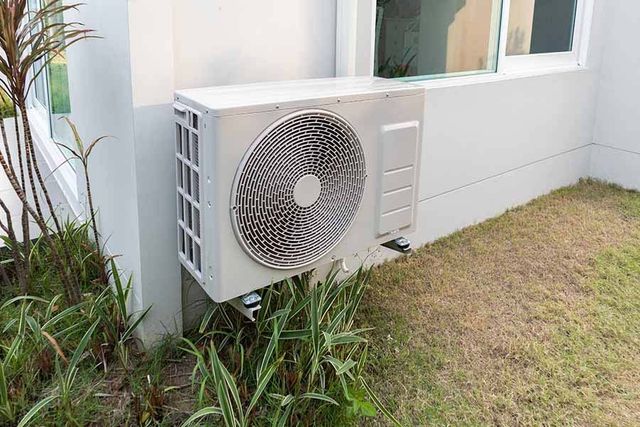
Air conditioners cool air using a refrigeration cycle. They pull warm air from inside and pass it over cold coils. This cools the air before blowing it back into the room. The process uses electricity and does not burn fuel.
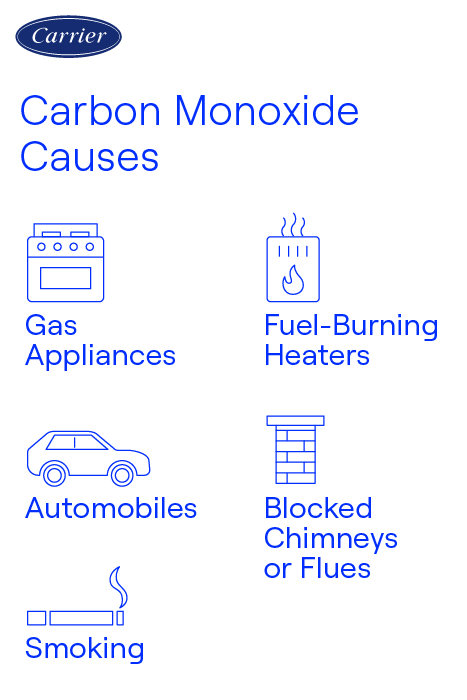
Carbon monoxide (CO) is a gas made when fuels like gas, wood, or coal burn. It is colorless and odorless but very dangerous. Common sources include:
- Gas heaters and stoves
- Wood-burning fireplaces
- Car engines running in closed spaces
- Gas-powered generators
Since air conditioners do not burn fuel, they do not produce carbon monoxide. The risk of CO comes from other appliances that use fuel inside the home.
Credit: www.carrier.com
Can Air Conditioners Produce Carbon Monoxide?
Air conditioners usually do not produce carbon monoxide (CO). They work by using electricity to cool air. CO gas forms when fuels like gas, oil, or wood burn without enough oxygen.
Some air conditioners use gas or oil for heating. These types can produce CO if not maintained well. Poor ventilation or broken parts increase risk.
| Type of Air Conditioner | Fuel Used | CO Emission Risk |
|---|---|---|
| Electric Air Conditioner | Electricity | No risk of CO emission |
| Gas-Powered Air Conditioner | Natural Gas | Possible risk if not maintained |
| Oil-Powered Air Conditioner | Oil | Possible risk if ventilation is poor |
Risks Of Carbon Monoxide Exposure
Carbon monoxide (CO)is a colorless, odorless gas that can be very dangerous. It can cause serious health problems or even death if breathed in large amounts. CO stops oxygen from reaching the body’s organs, making it hard to breathe and think clearly.
Common health effectsof CO exposure include headaches, dizziness, weakness, and nausea. Long exposure can lead to confusion, chest pain, and loss of consciousness. People with heart or lung problems may get sicker faster.
- Headache and dizziness
- Feeling weak or tired
- Nausea or vomiting
- Confusion or difficulty thinking
- Chest pain or shortness of breath
- Loss of consciousness in severe cases
Common Misconceptions
Air conditionersdo not burn fuel. They use electricity to cool air. Carbon monoxidecomes from burning things like gas, wood, or coal. Appliances like heaters, stoves, and fireplaces can make carbon monoxide if not used right.
Some people think air conditioners cause carbon monoxide. This is a misunderstanding. Only fuel-burning appliancescan release this gas. Air conditioners do not produce harmful gases.
- Air conditioners cool air without burning fuel.
- Fuel-burning appliances need good ventilation.
- Poor ventilation causes carbon monoxide buildup.
- Air conditioners need ventilation for airflow, not for safety from gases.
Ventilation myths confuse air conditioners with heaters. Both need airflow, but for different reasons. Air conditioners need air to cool, not to stop gas leaks.
Preventing Carbon Monoxide Risks
Regular maintenancekeeps air conditioners safe and clean. Check filters and parts often. Fix any leaks or issues quickly. This helps stop harmful gases like carbon monoxidefrom building up.
Proper ventilationis key. Fresh air must flow into the room. Make sure vents are open and not blocked. This stops gases from staying inside and keeps air fresh.
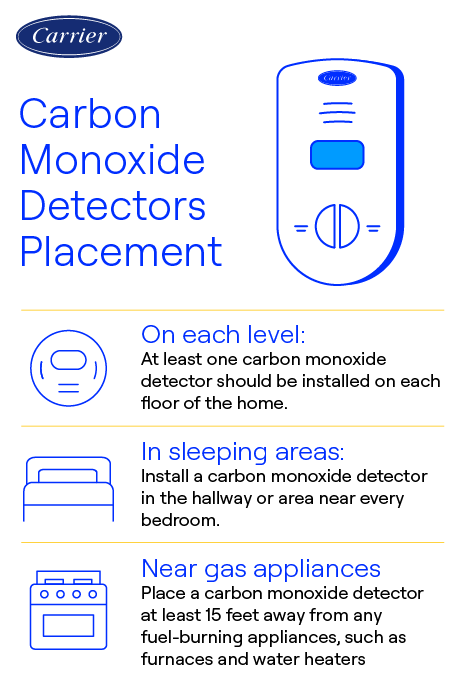
Installing carbon monoxide (CO) detectorsis very important. These devices alert you if CO levels get high. Place detectors near sleeping areas and in rooms with appliances. Change batteries regularly for best performance.
Credit: www.premiersystemsmt.com
Safety Tips For Using Air Conditioners
Choose an air conditionerthat fits your room size. A small unit cools poorly; a large one wastes energy. Check energy ratings to save power and money. Pick models with carbon monoxide safety featuresto reduce risks.
Install the unit in a well-ventilatedspace. Avoid placing it near gas appliances. Hire a trained technicianfor setup. Proper installation stops leaks of harmful gases. Regularly clean filters and vents to keep air fresh and safe.
- Know the signs of carbon monoxide poisoning: headache, dizziness, nausea.
- Keep a carbon monoxide detectornear your air conditioner.
- If alarm sounds, turn off the unit and open windows immediately.
- Call emergency services for help without delay.
- Do not use air conditioners that smell like gas or have unusual noises.
Credit: www.carrier.com
Frequently Asked Questions
Can Air Conditioners Emit Carbon Monoxide?
No, air conditioners do not emit carbon monoxide. Carbon monoxide is produced by burning fuels. Air conditioners use electricity and do not burn fuels. Therefore, they cannot produce carbon monoxide. However, other appliances like gas heaters can emit carbon monoxide, so it’s essential to maintain them properly.
How Do Air Conditioners Work?
Air conditioners work by removing heat and moisture from the air. They use a refrigerant to absorb heat and then expel it outside. The cooled air is circulated back into the room. This process does not involve combustion, so it doesn’t produce carbon monoxide.
Is Carbon Monoxide Poisoning Possible With Ac Units?
No, carbon monoxide poisoning is not possible with air conditioning units. Air conditioners do not produce carbon monoxide as they operate electrically. However, it’s crucial to regularly check other appliances like gas stoves or heaters for safety to prevent carbon monoxide exposure.
What Are The Symptoms Of Carbon Monoxide Exposure?
Symptoms of carbon monoxide exposure include headaches, dizziness, nausea, and confusion. High exposure can be life-threatening. It’s crucial to have working carbon monoxide detectors in your home. Regular maintenance of fuel-burning appliances can help prevent carbon monoxide buildup.
Conclusion
Air conditioners do not produce carbon monoxide gas on their own. Carbon monoxide comes from burning fuels like gas or oil. Problems arise when heating systems or appliances leak this gas. Regular maintenance keeps your home safe and air clean.
Always check that vents and exhausts work properly. Use carbon monoxide detectors for extra safety. Staying informed helps protect your family from risks. Trust reliable sources and stay cautious. Safety matters most in every home.