Have you ever felt a sudden chill or sniffle after spending time near an air conditioner? You might be wondering, can an air conditioner actually give you a cold?
It’s a question many people ask, especially when the weather heats up and the AC becomes a constant companion. Understanding how your air conditioner affects your health can help you stay comfortable without risking your well-being. Keep reading to discover the surprising facts and simple tips that can protect you from catching a cold while staying cool.
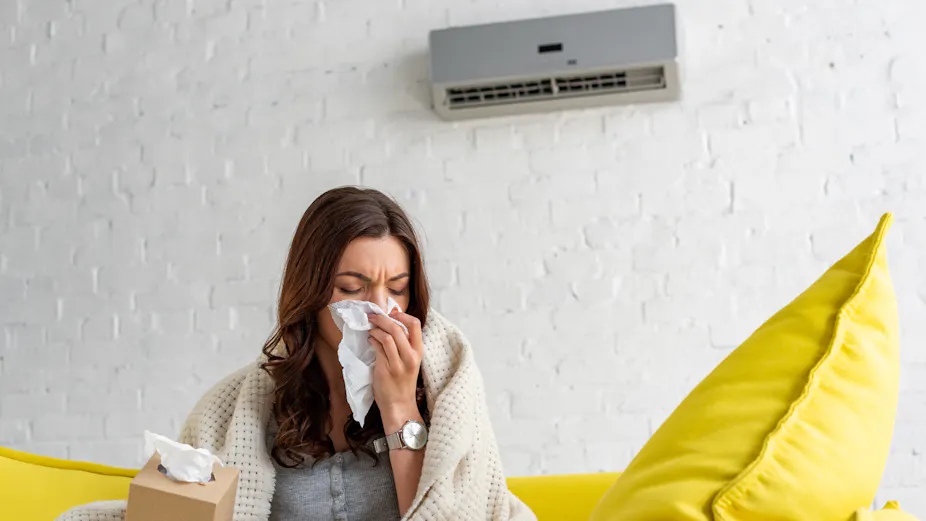
Credit: theconversation.com
How Colds Spread
Many people wonder if air conditioners can cause colds. The truth is that colds are caused by viruses, not cold air. Understanding how colds spread helps us stay healthy.
Colds spread easily from person to person. This happens mainly through viruses that infect the nose and throat.
Viruses Behind The Common Cold
The common cold is caused by many types of viruses. The most common is the rhinovirus. Other viruses include coronaviruses and adenoviruses.
These viruses infect the upper respiratory system. They make the nose runny, cause sneezing, and sometimes a sore throat.
Transmission Methods
Colds spread mainly through close contact with sick people. The viruses travel from one person to another in different ways.
Touching your face after touching contaminated surfaces can give you a cold. Breathing in tiny droplets from coughs or sneezes also spreads the virus.
- Direct contact, like shaking hands with someone who is sick
- Touching objects like doorknobs or phones with viruses on them
- Inhaling droplets from coughs or sneezes in the air
- Touching your nose, mouth, or eyes after touching contaminated surfaces

Credit: x.com
Air Conditioners And Cold Risk
Many people believe air conditioners can cause colds. This is a common concern during hot weather. Let’s explore how air conditioners might affect our health.
Understanding the link between air conditioners and colds can help you stay healthy. It’s important to know how they work and impact our bodies.
Effect On Indoor Air Quality
Air conditioners can change the air quality inside your home. They filter out dust and pollen, which can be helpful for allergies. But, they can also circulate germs if not cleaned.
Regular maintenance of air conditioners keeps the air clean. This reduces the risk of spreading illnesses.
- Clean filters to trap dust and pollen
- Regular servicing to prevent germ spread
- Ensure proper ventilation to improve air quality
Temperature And Immune Response
Cold temperatures can affect how our bodies fight germs. When it’s too cold, our immune system may not work as well.
Keeping the temperature moderate can help maintain our immune response. Avoid setting the air conditioner too low.
| Temperature Setting | Immune Response |
| Too Low | Weakens |
| Moderate | Stable |
| Too High | Overheat |
Myths About Air Conditioning
Many people believe air conditioners can make them sick. This is a common myth. Understanding the truth helps us use air conditioning wisely.
This article looks at whether cold air causes illness and how air conditioning relates to viruses.
Does Cold Air Cause Illness?
Cold air itself does not cause illness. Viruses and bacteria cause most sicknesses. Cold air might make your body feel uncomfortable, but it does not make you sick.
Sometimes cold air can dry your nose and throat. This might make it easier for germs to enter your body. Still, cold air alone is not the cause of illness.
Air Conditioning Vs. Viral Infections
Air conditioners cool the air and reduce humidity. This can help stop some germs from growing. But they do not kill viruses or bacteria.
People often get sick in places with air conditioning because of close contact. Viruses spread when people cough, sneeze, or touch shared surfaces.
- Air conditioning does not cause colds or flu.
- Viruses spread mainly through close contact.
- Good ventilation helps lower virus spread.
- Cleaning and hand washing stop infections better than AC.
Preventing Illness Around Ac Units
Air conditioners help cool our homes but can cause health problems. Poor care and use may spread germs. This guide shows how to stay healthy around AC units.
Keeping your air conditioner clean and managing air quality can reduce risks. Follow simple tips to avoid colds and other illnesses linked to AC use.
Proper Maintenance Tips
Cleaning and checking your AC unit regularly stops germs and mold from growing. Change filters often and clean vents to keep air fresh.
- Replace or clean air filters every 1 to 3 months.
- Inspect and clean AC coils yearly.
- Clear debris around the outdoor unit.
- Schedule professional maintenance once a year.
- Check for water leaks and fix them quickly.
Humidity Control
Air conditioners remove moisture, but if humidity stays high, bacteria grow fast. Keep indoor humidity between 30% and 50% for healthy air.
| Humidity Level | Effect on Health |
| Below 30% | Dry skin and throat irritation |
| 30% – 50% | Ideal for comfort and health |
| Above 50% | Mold growth and increased allergens |
Ventilation Importance
Good ventilation moves fresh air inside and removes stale air. It lowers the chance of catching a cold from AC units.
Ways to improve ventilation:
- Open windows for a few minutes daily.
- Use exhaust fans in kitchens and bathrooms.
- Keep vents and ducts clean and unblocked.
- Consider air purifiers with HEPA filters.
When To Use Air Conditioning Safely
Air conditioners help keep us cool in hot weather. Using them the right way keeps you healthy.
Wrong use of air conditioning can cause discomfort or even make you feel sick.
Optimal Temperature Settings
Set your air conditioner to a comfortable temperature. Avoid setting it too cold or too warm.
Experts suggest keeping the temperature between 24°C and 26°C (75°F and 78°F) for safety and comfort.
- Too cold can cause chills or dry skin
- Too warm may not cool the room enough
- Moderate temperature saves energy
Avoiding Overcooling
Do not stay in a very cold room for a long time. Overcooling can lower your body temperature too much.
Keep doors and windows closed to avoid cold air loss. Use fans to circulate air evenly.
- Limit air conditioner use during cooler nights
- Wear light clothes indoors to stay warm
- Turn off AC when not needed

Credit: www.1news.co.nz
Frequently Asked Questions
Can Air Conditioners Cause Colds Directly?
No, air conditioners do not cause colds directly. Colds are caused by viruses, not by cold air or AC units. However, AC can create conditions that may increase your risk of catching a cold, like dry air or poor ventilation.
How Does Air Conditioning Affect Your Immune System?
Air conditioning can dry out your nasal passages, making it easier for viruses to enter. This dryness can weaken your immune defenses, increasing susceptibility to infections, including colds, especially if you spend long hours in air-conditioned environments.
Can Cold Air From Ac Trigger Cold Symptoms?
Cold air from AC itself doesn’t cause infections but can trigger symptoms like a runny nose or sore throat. These symptoms occur due to irritation or dryness in your respiratory tract, which may mimic cold symptoms without an actual infection.
Does Air Conditioning Spread Cold Viruses Indoors?
Yes, poorly maintained AC systems can circulate viruses and bacteria indoors. Dust, mold, or stale air from vents can harbor germs. Regular cleaning and good ventilation reduce the risk of spreading cold viruses in air-conditioned spaces.
Conclusion
Air conditioners do not cause colds by themselves. Colds come from viruses, not cold air. Still, cold air can dry your nose and throat. That might make you feel uncomfortable or sick. Keeping the AC clean helps avoid germs and dust.
Use it wisely and keep a comfortable temperature. Drink water to stay hydrated in cool rooms. Pay attention to your body’s signals. Stay healthy and enjoy a cool home without worry.