
Have you ever wondered what happens if your air conditioner runs without a filter? You might think it’s a small detail, but skipping the filter can cause big problems for your comfort and your AC’s health.
If you want to keep your home cool and your machine working smoothly, it’s important to know why that filter matters. Keep reading to find out what really happens inside your air conditioner without a filter—and how it could affect you and your energy bills.
Role Of Air Conditioner Filters
Air conditioner filters help keep the air clean inside your home. They catch dust, dirt, and other particles.
Filters also protect the air conditioner parts from damage. Without a filter, the AC can get dirty and stop working well.
How Filters Improve Air Quality
Filters trap dust, pollen, and pet hair from the air. This stops these particles from spreading inside your home.
Cleaner air helps people breathe better. It also reduces allergy and asthma problems.
- Removes dust and dirt
- Catches pollen and allergens
- Blocks pet dander
- Reduces airborne germs
Protecting Ac Components
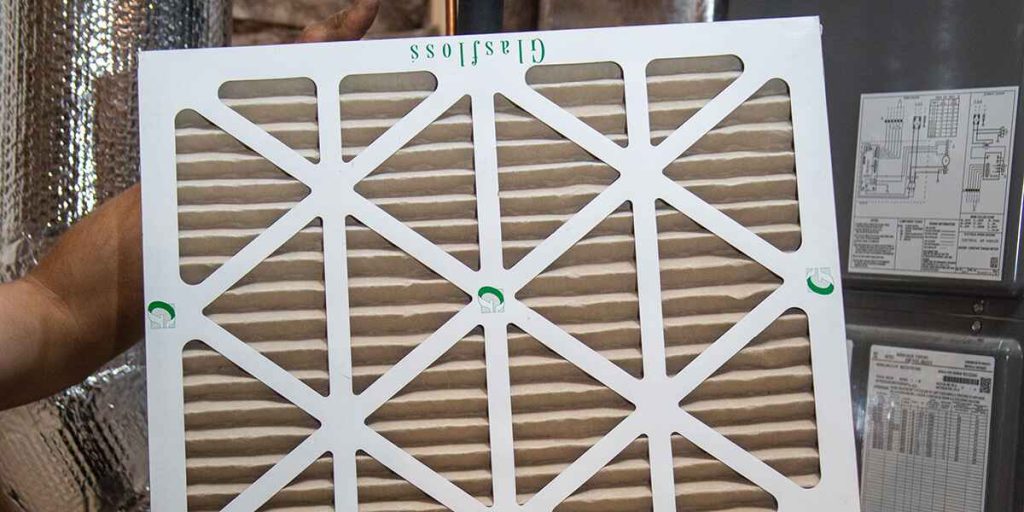
Filters stop dirt from reaching the AC parts. This keeps the machine clean and working well.
Without filters, dust can build up on coils and fans. This can cause the AC to break or use more energy.
- Prevents dust on coils
- Keeps fans clean
- Reduces wear and tear
- Improves energy efficiency
Credit: completecomforthampton.com
Consequences Of Running Without Filter
Air conditioners need filters to keep dust and dirt out. Running an AC without a filter can cause many problems.
It affects how well the AC cools and can harm the system and your health.
Dust And Debris Buildup
Without a filter, dust and debris enter the AC system easily. They settle on the coils and inside parts.
This buildup blocks airflow and makes the AC work harder to cool the room.
Reduced Cooling Efficiency
Dust in the system lowers the AC’s ability to cool your space. The air does not flow smoothly.
The AC uses more energy but still cools less than normal.
Potential Damage To Ac System
Running without a filter can cause serious damage. Dust and dirt wear out the parts quickly.
It may lead to costly repairs or needing a full AC replacement.
Health Risks From Poor Air
Without a filter, dust and allergens spread in the air inside your home. This can cause breathing problems.
- Allergy flare-ups
- Worsened asthma symptoms
- More dust in the rooms
- Unpleasant odors
Common Reasons Filters Are Removed
Air conditioner filters are important for clean air and efficient cooling. Sometimes, filters get removed. This can cause problems for the AC unit and the air quality.
Here are common reasons why people take out air conditioner filters. Understanding these reasons can help you avoid mistakes.
Neglect And Lack Of Maintenance
Many filters are removed because people forget to clean or check them. Over time, dust and dirt build up on the filter. This can make the AC work harder and use more energy.
- Filters get clogged with dust and debris.
- Some owners remove the filter and forget to put it back.
- Ignoring filter care can lead to poor air flow.
- Dirty filters can cause bad smells inside the house.
Filter Replacement Delays
Filters need to be replaced regularly. Some people delay this task because of cost or inconvenience. Running the AC without a filter can damage the system.
| Reason for Delay | Possible Effect |
| Cost concerns | Using old, dirty filters |
| Not knowing replacement schedule | Filter removed and not replaced |
| Difficulty finding the right filter | AC damage or poor performance |
| Forgetting to replace filter | Reduced air quality |
Misconceptions About Filters
Some people think filters block air flow too much. They may remove the filter to get more cooling power. This idea is wrong and can harm the AC.
- Believing filters are not needed for cooling.
- Thinking filters cause the AC to use more electricity.
- Assuming a dirty filter is better than no filter.
- Not understanding the filter cleans the air.
Credit: www.bestownerdirect.com
Signs Your Ac Needs A Filter Change
An air conditioner filter keeps dust and dirt out of your system. Over time, the filter gets dirty and blocks airflow. This makes your AC work harder and less efficiently.
Knowing when to change the filter can save energy and improve air quality. Look for these signs to know if your AC filter needs a change.
Unusual Noises
A clogged filter can cause your AC to make strange sounds. These noises come from the system working harder to push air through the dirty filter. You might hear buzzing, rattling, or whistling sounds.
Increased Energy Bills
When the filter is dirty, your AC uses more power to cool your home. This leads to higher energy bills. Watch for a sudden rise in costs without increased use.
- Dirty filters block airflow
- Blocked airflow makes the system work harder
- Harder work uses more electricity
- Electricity costs increase
Weak Airflow
Weak airflow is a clear sign of a dirty filter. The filter stops air from flowing freely through the vents. This causes rooms to feel warmer and the AC to run longer.
| Cause | Effect |
| Dirty air filter | Reduces airflow |
| Blocked vents | Less cool air in rooms |
| Low airflow | Longer AC run time |
Best Practices For Filter Maintenance
An air conditioner should not run without a filter. The filter keeps dust and dirt out of the system. Proper filter care helps your AC work well and last longer.
Following good filter maintenance practices saves energy and improves air quality. This guide covers key tips for taking care of your AC filters.
Choosing The Right Filter Type
Not all filters are the same. Pick a filter that fits your air conditioner model and your needs. The filter must block dust but still let air flow easily.
Some common filter types include fiberglass, pleated, and HEPA filters. Each type has different cleaning and replacement needs.
- Fiberglass filters are low-cost but less effective.
- Pleated filters trap smaller particles better.
- HEPA filters offer the best air cleaning but may reduce airflow if not compatible.
Cleaning And Replacing Filters Regularly
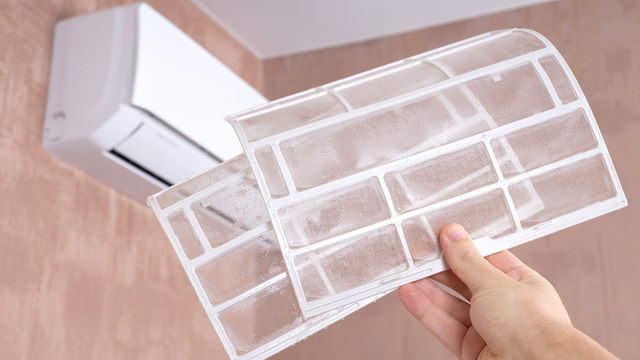
Dirty filters reduce AC efficiency and air quality. Clean or replace filters often to keep your system running well. Check filters every month.
Replace disposable filters on time. Wash reusable filters gently and let them dry before putting them back. Never run the AC with a clogged filter.
- Inspect filters monthly during heavy use.
- Replace disposable filters every 1-3 months.
- Clean reusable filters every 1-2 months.
- Follow manufacturer instructions for care.
Scheduling Professional Inspections
Have a professional check your AC system once a year. They can spot hidden problems and clean parts you cannot reach. This helps avoid costly repairs.
Professionals also check your filter type and condition. They may suggest better filters to improve performance. Regular inspections keep your AC safe and efficient.
- Schedule yearly AC inspections.
- Ask for filter checks during visits.
- Get advice on filter upgrades.
- Ensure system parts are cleaned and serviced.

Credit: www.aljazeera.com
Alternatives When Filters Are Unavailable
Air conditioners need filters to keep air clean and the unit safe. Sometimes, filters are missing or damaged. You can still use your air conditioner with some simple alternatives.
These options help protect your AC and improve air quality until you get a proper filter.
Temporary Filter Solutions
Using a temporary filter helps catch dust and dirt from the air. It is important to change or clean it often to avoid damage.
- Use a clean cloth or stocking stretched over the filter frame
- Place a furnace filter cut to size as a quick replacement
- Use a thin foam sheet for basic dust trapping
- Keep checking and cleaning the temporary filter every few days
Air Purifiers As Supplements
Air purifiers can help clean the room’s air when your AC filter is missing. They do not replace the filter but reduce dust and allergens.
| Benefit | Limitations |
| Reduces airborne dust | Does not protect AC unit internally |
| Improves air quality in the room | Needs regular filter cleaning or replacement |
| Works independently of AC system | May not capture larger debris |
Frequently Asked Questions
Can An Air Conditioner Work Without A Filter?
Yes, it can, but it’s not recommended. Running without a filter can lead to dust buildup. This can reduce efficiency and damage internal components. Filters help maintain air quality and system longevity. Always ensure a clean filter for optimal performance.
What Happens If Ac Runs Without A Filter?
Running an AC without a filter can cause dirt accumulation inside the unit. This can lead to clogs and reduced efficiency. It may also damage components and increase energy consumption. Moreover, the indoor air quality will deteriorate, leading to potential health issues.
Is It Safe To Operate Ac Without A Filter?
Operating an AC without a filter is unsafe for your unit and health. Dust and debris can damage internal components. This may result in costly repairs or replacements. Additionally, poor air quality can affect respiratory health. Always use a proper filter for safety.
Can Missing Ac Filter Increase Energy Bills?
Yes, missing filters can increase energy bills significantly. Without filters, the system works harder to maintain temperatures. This leads to higher energy consumption and increased costs. Regular maintenance and filter replacement can improve efficiency and reduce energy expenses.
Conclusion
Running an air conditioner without a filter can cause problems. Dust and dirt build up inside the unit fast. This makes the air dirtier and lowers cooling power. The machine may break down sooner, costing money. Filters help keep the air clean and the AC working well.
Changing or cleaning filters often is a smart habit. It keeps your home fresh and your air conditioner safe. Don’t skip the filter. It matters a lot for good air and a long-lasting AC.