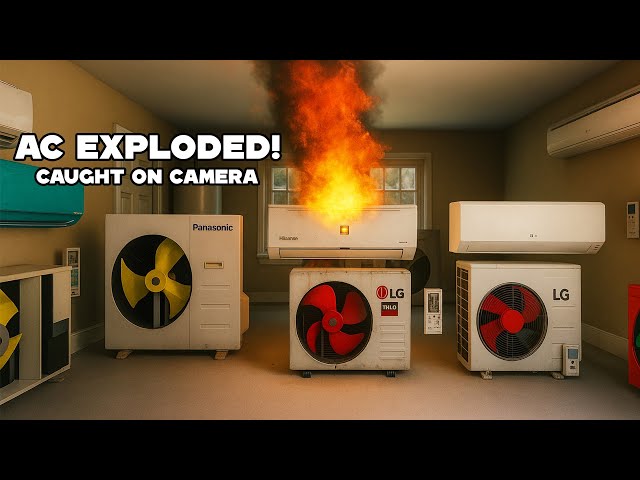
Have you ever wondered if your air conditioner could catch fire? It’s a scary thought, especially when you rely on it to keep your home cool and comfortable.
Knowing the truth behind this risk can protect you and your loved ones. You’ll discover the real causes behind air conditioner fires and simple steps you can take to keep your home safe. Keep reading—your safety might depend on what you learn next.
Fire Risks In Air Conditioners
Air conditionerscan catch fire due to several risks. Electrical faultsare a main cause. Old wiring or damaged cables may cause sparks. Overloadshappen if too many devices use the same circuit. This can cause wires to heat and ignite.
Poor maintenance also raises fire risks. Dust and dirt can build up inside the unit. This blocks airflow and causes overheating. Old filters and clogged vents strain the system. This may lead to parts catching fire.
| Common Causes | Description |
|---|---|
| Electrical Faults | Damaged wiring or loose connections causing sparks |
| Overloads | Too many devices on one circuit causing heat build-up |
| Poor Maintenance | Dust, dirt, and clogged filters causing overheating |
Signs Of Potential Fire Hazards
Unusual smellssuch as burning plastic or smoke may signal danger. Strange sounds like buzzing or crackling can also warn of problems. These signs mean the air conditioner might have electrical issues.
Hot or warm spots on the unit suggest overheating components. Parts like wires or motors can get too hot and cause fires. Regularly feeling for heat can help catch trouble early.
Seeing sparks or smokearound the AC is a very serious sign. Sparks show electrical shorts, while smoke means something is burning. Turn off the unit immediately if this happens.
Safety Features In Modern Units
Modern air conditioners have many safety featuresto prevent fires. One key feature is the automatic shutoff mechanism. This turns off the unit if it senses overheating or electrical problems. It stops small issues from becoming big fires.
Many parts inside are made with fire-resistant materials. These materials do not catch fire easily. They help keep the unit safe even if it gets very hot.
Built-in circuit breakerscut off the power if there is an electrical fault. This protects the unit and the home wiring from damage. Circuit breakers are important for stopping sparks and fires early.

Credit: internationalsafetysolution.com
Preventing Air Conditioner Fires
Regular inspectionshelp find small problems early. Check for dirt and dust on filters. Clean filters often to keep air flowing well. Look for any loose wiresor strange smells near the unit. If the air conditioner makes unusual noises, get it checked by a professional.
Safe installationmeans placing the unit on a flat surface. Avoid spots near water or direct sunlight. Use only the right size and type of wires. Make sure the air conditioner is connected to a proper circuit. Follow the manufacturer’s instructions carefully for safety.
- Do not plug too many devices into one outlet.
- Use a circuit breaker to stop overloads.
- Keep cords untangled and away from heat.
- Turn off the air conditioner during storms.
What To Do If Your Ac Catches Fire
Turn off the main powerto your air conditioner immediately. Use the circuit breaker or unplug the unit if safe. Avoid touching the AC if flames or smoke appear.
Leave the building quickly and calmly. Stay low to the groundif smoke is thick. Do not use elevators during evacuation. Move to a safe distance and warn others nearby.
| Situation | What to Do |
|---|---|
| Fire is small and controllable | Use a fire extinguisher designed for electrical fires only if safe. |
| Fire grows or spreads | Evacuate immediately and call emergency services. |
| After fire is out | Contact a professional technician to inspect and repair the AC unit. |

Credit: koreajoongangdaily.joins.com
Case Studies Of Ac Fires
Air conditioner fireshave happened in homes and offices. Many started because of electrical faults, such as short circuits or faulty wiring. Some fires began due to poor maintenance, like dust buildup inside the unit. Overheating parts inside the AC can also cause sparks, leading to a fire.
In some cases, the use of non-certified partsor wrong installation increased fire risks. These incidents taught important lessons about regular checksand using only approved components. People learned to avoid blocking air vents to prevent overheating.
Improving safety means following clear installation rulesand doing routine cleaning. Manufacturers now use better materials and designs to reduce fire hazards. Safety standards keep evolving to protect users from accidents.

Credit: yourenergyanswers.com
Frequently Asked Questions
Can Air Conditioners Start A Fire?
Yes, air conditioners can start a fire under certain conditions. Poor maintenance, faulty wiring, or overheating components can cause fires. Regular servicing and using the correct installation methods can prevent these risks. Ensure that your air conditioner is in good working condition to avoid any potential fire hazards.
What Are Common Causes Of Ac Fires?
Common causes include electrical issues, overheating, and lack of maintenance. Faulty wiring and components can lead to electrical fires. Overheating occurs when air conditioners are overworked or poorly ventilated. Regular maintenance and inspections can mitigate these risks and ensure safe operation.
How Can Ac Fire Risks Be Minimized?
To minimize fire risks, ensure regular maintenance and inspections. Clean filters and vents to prevent overheating. Use only certified and compatible parts for repairs. Avoid overloading electrical circuits and have a professional install your air conditioner. These steps can significantly reduce the risk of fires.
Are Old Air Conditioners More Prone To Fires?
Yes, older air conditioners are more prone to fires. They may have worn-out components and outdated safety features. Regularly inspect and maintain them to prevent potential fire hazards. Consider replacing old units with modern, energy-efficient models equipped with advanced safety features.
Conclusion
Air conditioners can catch fire, but it is rare. Most fires happen due to poor maintenance or faulty wiring. Regular checks keep your unit safe and working well. Avoid overloading electrical outlets or ignoring strange smells and sounds. Simple care helps prevent accidents and keeps your home secure.
Stay alert and fix issues quickly. Safety matters most for your comfort and peace of mind.