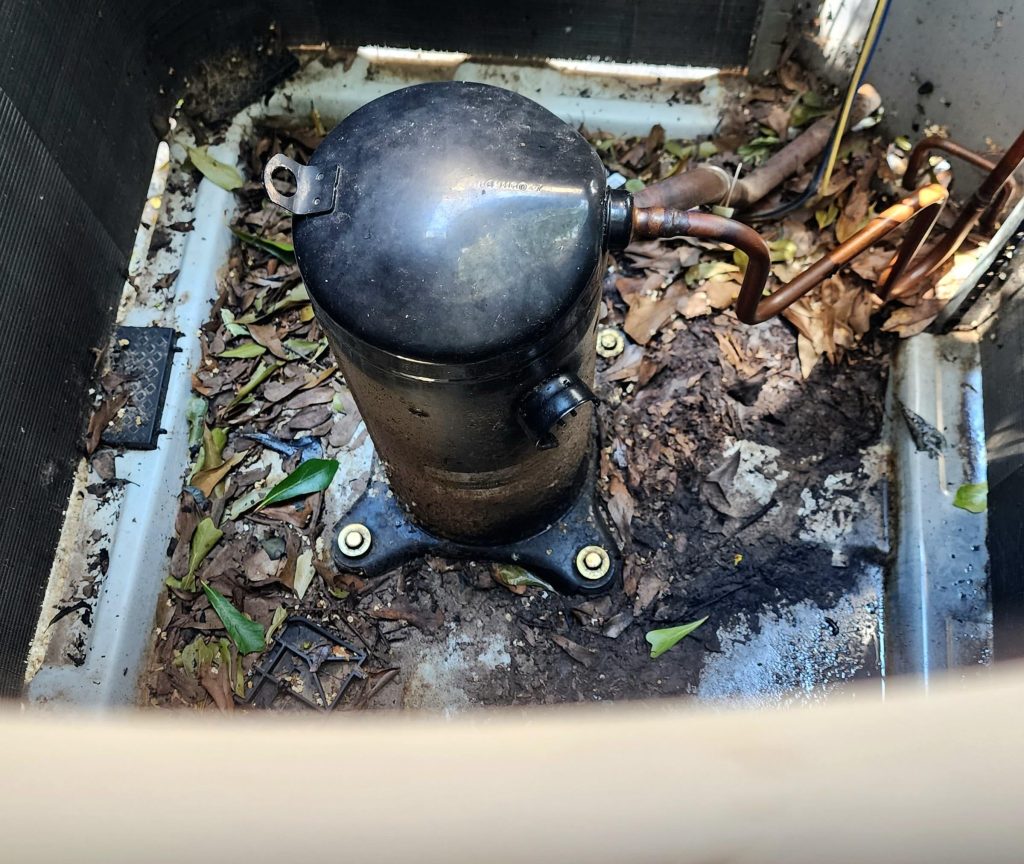
Have you ever wondered if your air conditioner could actually explode? It sounds like something from a movie, but the idea might cross your mind when you hear strange noises or notice unusual smells coming from your unit.
You rely on your air conditioner to keep your home cool and comfortable, so the thought of it suddenly malfunctioning in a dangerous way can be unsettling. You’ll discover what really causes air conditioners to fail, whether an explosion is possible, and how you can keep your home and family safe.
Keep reading—you might be surprised by what you learn.
How Air Conditioners Work
Air conditioners cool air by removing heat using refrigerants and compressors. Though rare, poor maintenance or electrical faults can cause them to overheat or explode. Regular checks help keep units safe and working well.
Basic Components
- Compressor:Pumps refrigerant through the system.
- Condenser:Releases heat from the refrigerant.
- Evaporator:Absorbs heat from inside the room.
- Expansion Valve:Controls refrigerant flow.
- Refrigerant:The fluid that carries heat.
Cooling Process
The refrigerantabsorbs heat inside the room at the evaporator. It then moves to the compressor, which increases its pressure.
Next, the hot refrigerant goes to the condenser outside. Here, it cools down and releases heat into the air.
The refrigerant passes through the expansion valve, lowering its pressure. This prepares it to absorb heat again inside the room.

Credit: www.reddit.com
Causes Of Air Conditioner Explosions
Electrical faultsin air conditioners can cause sparks or short circuits. These sparks may ignite flammable gases, leading to explosions. Faulty wiring or damaged components increase the risk.
Refrigerant leaksrelease gases that are often flammable. If these gases build up in a confined space, a small spark can cause a blast. Proper handling and checking for leaks are important.
Poor maintenanceleads to dirt, dust, and worn parts. These issues can cause overheating or electrical problems. Regular cleaning and servicing keep the unit safe and working well.
Signs Of Potential Danger
Unusual noisesfrom an air conditioner can signal trouble. Sounds like banging, rattling, or hissing are not normal. These noises might mean loose parts or gas leaks inside the unit.
Strange smellssuch as burning or moldy odors should never be ignored. A burning smell may point to electrical issues, which can be dangerous. Moldy smells might mean moisture buildup and poor air quality.
Overheatingis a serious warning sign. If the unit feels hot to touch or shuts off often, it may be working too hard or have a blocked airflow. Overheating can lead to fire risks or damage.
Safety Measures To Prevent Explosions
Regular inspectionsensure the air conditioner works safely. Check for leaks, damage, or unusual noises often. Early detection stops problems before they get worse.
Proper installationis key. A unit placed correctly reduces risks. Follow the manufacturer’s guide and local rules. A well-installed AC is less likely to cause accidents.
- Use only certified partsto keep the system safe.
- Certified parts fit well and meet safety rules.
- Replacing broken parts with uncertified ones may cause hazards.
What To Do During An Ac Emergency
Turn off the ACimmediately to stop any danger. Unplug the unitfrom the power source to prevent electrical hazards. Evacuate the areaif you notice any strange smells, smoke, or sparks. Do not try to fixthe problem yourself. Avoid water near the unit to prevent shocks.
Keep a fire extinguisher nearby, but only use it if you are sure it is safe. Open windowsto let fresh air in and clear any harmful gases. Stay calmand keep others away from the AC unit until help arrives.
| Signs to Call Professionals |
|---|
| Smell of burning or gas near AC |
| Visible sparks or smoke |
| AC unit making loud or unusual noises |
| Water leaking near electrical parts |
| AC stops working suddenly after a strange sound |

Credit: www.reddit.com
Myths About Air Conditioner Explosions
Many people think air conditioners can explode. This is mostly a myth. Air conditioners do not have parts that cause explosions like gas stoves or fireworks.
Some believe a broken air conditioner can catch fire or blow up. This is rare. Most problems come from electrical issuesor poor maintenance.
Leaks in air conditioners can cause coolant gasto escape. This gas is not explosive but can be harmful if inhaled in large amounts.
| Common Misconceptions | Fact vs Fiction |
|---|---|
| Air conditioners can explode like bombs. | False. They do not have explosive materials inside. |
| Gas leaks from AC cause fires easily. | False. Refrigerants are usually not flammable. |
| Electrical sparks in ACs cause explosions. | Rare. Sparks can cause small fires, not explosions. |
| Regular maintenance is not needed. | False. Maintenance prevents most issues and improves safety. |

Credit: www.business-standard.com
Frequently Asked Questions
Can Air Conditioners Really Explode?
Air conditioners can explode, but it is extremely rare. Explosions usually result from gas leaks or electrical faults. Proper maintenance and timely repairs reduce this risk significantly, ensuring safe operation and preventing hazards.
What Causes An Air Conditioner To Explode?
Explosions often occur due to refrigerant leaks, electrical short circuits, or compressor failures. Faulty wiring or blocked vents can also increase risks. Regular inspections and professional servicing help identify and fix these issues early.
How Can I Prevent My Air Conditioner From Exploding?
Prevent explosions by scheduling routine maintenance, checking for leaks, and ensuring electrical safety. Avoid DIY repairs on critical components. Using certified technicians and following manufacturer guidelines keeps your AC safe and efficient.
Are Certain Air Conditioners More Likely To Explode?
Older or poorly maintained units have a higher explosion risk. Modern ACs come with safety features that minimize hazards. Always choose reputable brands and maintain your system regularly to enhance safety and performance.
Conclusion
Air conditioners rarely explode. Proper maintenance is key. Regularly check for leaks and blockages. Keep the unit clean. Ensure professional installation and servicing. These steps reduce risks significantly. Always follow the manufacturer’s guidelines. Safety should always be a priority. Understanding your air conditioner’s needs is crucial.
Protect your home and loved ones. Stay informed about potential issues. Rest easy knowing you’re prepared. Peace of mind is priceless.