Have you ever wondered if your air conditioner could be putting your family at risk without you knowing? The idea that something meant to cool your home might leak dangerous carbon monoxide sounds alarming—and that’s because it is.
Understanding whether air conditioners can leak this silent, deadly gas is crucial for keeping your home safe. You’ll discover the truth behind carbon monoxide and air conditioners, how to spot the warning signs, and what steps you can take right now to protect yourself and your loved ones.
Keep reading—your safety depends on it.

Credit: www.dreamden.ai
How Air Conditioners Work
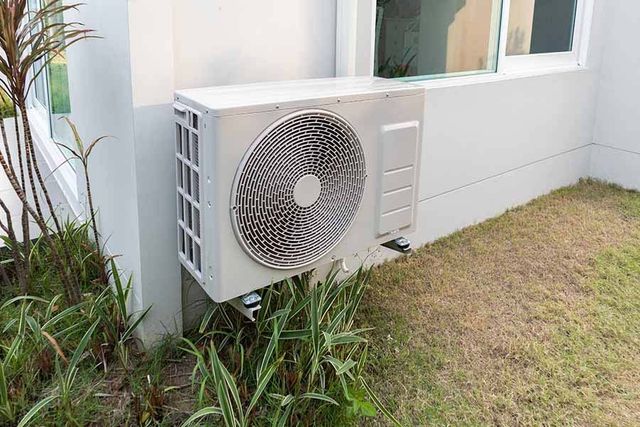
Air conditioners cool your home by moving heat from inside to outside. They use a chemical called refrigerant. This refrigerant absorbs heat from indoor air. The warm refrigerant moves outside where it releases heat. A fan blows cool air inside your home.
Air conditioners do not burn fuel like heaters. They run on electricity only. This means they do not produce carbon monoxide (CO). Carbon monoxide is a gas made by burning fuels such as gas, oil, or wood. Since air conditioners do not burn fuel, they cannot leak CO.
Sometimes, other appliances like gas heaters or furnaces can produce CO. It is important to check those appliances regularly to keep your home safe.

Credit: dial1plumbing.com
Sources Of Carbon Monoxide
Carbon monoxide (CO)is a colorless and odorless gas. It can be very dangerous. Many household appliancesproduce CO. These include:
- Gas stoves
- Water heaters
- Fireplaces
- Gas furnaces
- Portable generators
All these appliances burn fuel. This process is called fuel combustion. When burning fuel, CO can be made. If these devices are broken or not vented well, CO may leak into the home.
Air conditioners usually do not burn fuel. So, they do not make carbon monoxide. But, some heating systems combined with AC units may cause CO leaks if they use fuel and are faulty.
Can Air Conditioners Leak Carbon Monoxide?
Air conditioners do not produce carbon monoxide. They cool air by removing heat and moisture. Carbon monoxide is a gas made by burning fuels like gas, oil, or wood.
Some air conditioners use electricity only. These cannot leak carbon monoxide because they have no fuel combustion.
Other units, like gas-powered heaters with air conditioning, can produce carbon monoxide if not maintained well. Poor ventilation or broken parts cause leaks.
| Type of Air Conditioner | Carbon Monoxide Risk |
|---|---|
| Electric Air Conditioner | No risk of carbon monoxide leaks |
| Gas-powered Heater with AC | Possible risk if not maintained |
- Blocked vents or flues can trap carbon monoxide indoors.
- Old or damaged gas burners may leak carbon monoxide.
- Improper installation increases leak risk.
- Regular checks and maintenance reduce dangers.
Credit: www.premiersystemsmt.com
Health Risks Of Carbon Monoxide Exposure
Carbon monoxide (CO)is a dangerous gas that can harm your health. It is colorless and odorless, so you cannot see or smell it. Breathing COcan cause many health problems. Early symptoms of CO poisoninginclude headache, dizziness, nausea, and tiredness. These signs can feel like the flu but are more serious.
Long exposure to CO can lead to serious damage. It can hurt the brain and heart. Some people may suffer memory loss or difficulty thinking clearly. High levels of COcan cause unconsciousness or even death. Protecting your home with CO detectors is very important.
Preventing Carbon Monoxide Leaks
Regular maintenance helps keep air conditioners safe and efficient. Check for blockagesin vents and filters often. Clean or replace filters monthly to avoid dust buildup. Make sure the unit is ventilatedproperly to prevent harmful gas leaks.
Professional inspections each year can catch problems early. Technicians check for cracks or leaks in the exhaust system. They also test for any carbon monoxide presenceand fix issues fast.
- Install carbon monoxide detectors near AC units.
- Test detectors monthly to ensure they work well.
- Replace detector batteries yearly for constant protection.
- Place detectors in sleeping areas for early warning.
What To Do If You Suspect A Leak
Leave the building immediatelyto avoid breathing harmful gas. Open doors and windows to let fresh air in. Do not use any flames or switches that can spark.
Call emergency services for help. Tell them about the possible carbon monoxide leak. Stay outside until it is safe to enter again.
- Shut off the air conditionerif it is safe to do so.
- Do not re-enterthe area until experts say it is safe.
- Use a battery-powered CO detectorto check the air quality.
Contact trained professionals to inspect your air conditioner and home. They can find leaks and fix them safely. Do not try to repair it yourself.
Frequently Asked Questions
Can Air Conditioners Emit Carbon Monoxide?
No, air conditioners do not emit carbon monoxide. Carbon monoxide is produced by burning fuels like gas or oil. Air conditioners operate using electricity, so they do not produce carbon monoxide. It’s important to ensure proper maintenance to prevent other issues.
What Causes Carbon Monoxide Leaks?
Carbon monoxide leaks typically come from malfunctioning fuel-burning appliances. These include furnaces, gas stoves, and water heaters. Poor ventilation or blocked chimneys can also cause leaks. Regular maintenance and inspection of these appliances can prevent dangerous carbon monoxide exposure.
How To Detect Carbon Monoxide At Home?
Install carbon monoxide detectors on every floor of your home. Place them near sleeping areas for early detection. Ensure detectors are functioning properly by testing them monthly. If an alarm sounds, leave the house immediately and call emergency services.
Are There Symptoms Of Carbon Monoxide Poisoning?
Yes, symptoms include headache, dizziness, weakness, and nausea. Prolonged exposure can lead to confusion and loss of consciousness. If you suspect carbon monoxide poisoning, seek fresh air immediately and contact medical professionals.
Conclusion
Air conditioners do not produce carbon monoxide. Carbon monoxide comes from gas or fuel-burning appliances. Still, regular AC maintenance keeps your home safe. Check heaters and vents often for leaks. Install carbon monoxide detectors for extra protection. Stay alert to unusual smells or symptoms.
Knowing the facts helps you protect your family. Safety starts with awareness and simple actions. Keep your home fresh and secure all year.