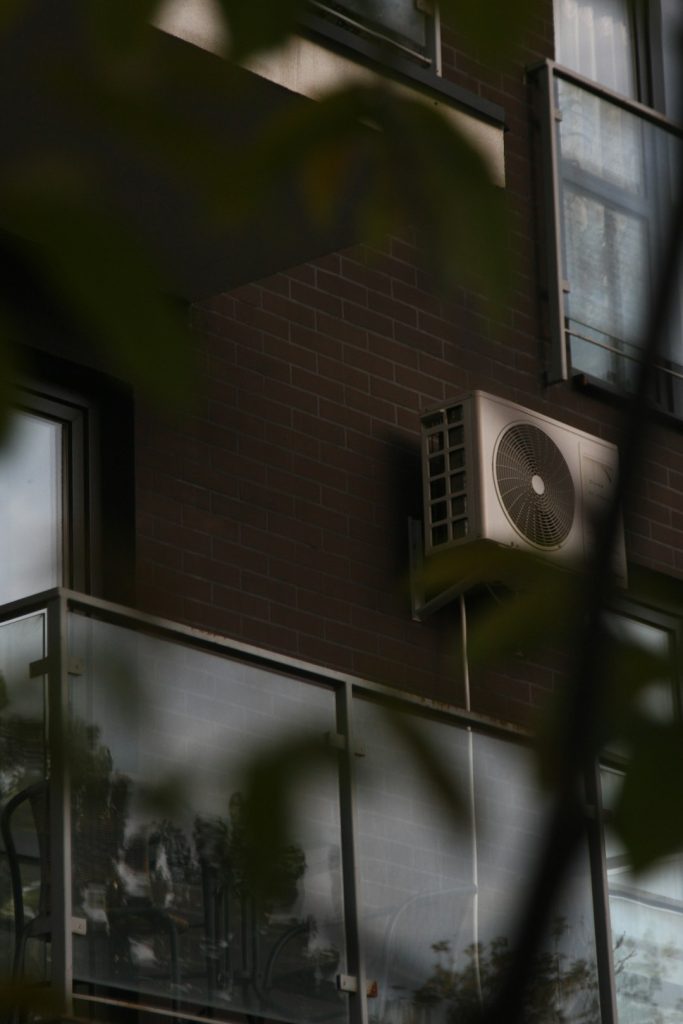
Have you ever wondered if your air conditioner could be putting your home at risk without you knowing? The idea that something designed to keep you cool might produce a dangerous gas sounds alarming.
You might be asking yourself, “Can air conditioners produce carbon monoxide? ” Understanding this is important for your safety and peace of mind. Keep reading, because what you discover here could help protect you and your loved ones from hidden dangers lurking in the comfort of your home.
How Air Conditioners Work
Air conditioners cool the air by removing heat inside a room. They use a refrigerant to absorb heat from the indoor air. This heated refrigerant moves outside and releases the heat. Then, the cooled refrigerant returns inside to repeat the cycle. This process makes the air cooler and more comfortable.
Most air conditioners do not produce carbon monoxide. Carbon monoxide is a gas made by burning fuel. Air conditioners run on electricity, so they do not burn fuel. This means no carbon monoxide is created during cooling.
| Type of Air Conditioner | How It Works | Common Use |
|---|---|---|
| Window AC | Fits in a window, cools one room | Small rooms or apartments |
| Split AC | Has indoor and outdoor units, quiet | Homes and offices |
| Portable AC | Can be moved, vents hot air outside | Temporary cooling in small spaces |
| Central AC | Cools whole building through ducts | Large homes and offices |

Credit: dial1plumbing.com
Sources Of Carbon Monoxide
Carbon monoxide (CO) is a harmful gas. It is colorless and smells like nothing. Many household items can produce CO. Common sources include:
- Gas stoves and ovens
- Fireplaces and wood stoves
- Gas water heaters
- Portable generators
- Cars running in garages
Fuel combustion is the main cause of CO. When fuels like gas, oil, or wood burn, they make CO.
Incomplete burning happens when there is not enough oxygen. This causes more CO to form. Proper ventilation helps reduce CO risks.
Air Conditioners And Carbon Monoxide
Air conditioners do not produce carbon monoxide (CO). They use electricity to cool the air, so no gas is burned. Carbon monoxide is made when fuels like gas, oil, or wood burn without enough oxygen. Since AC units don’t burn fuel, they don’t create CO.
Gas heaters or generators can make CO. But air conditioners are safe in this way. Still, poor maintenance of any appliance can cause issues.
- Blocked vents or ducts can reduce air flow.
- Leaking gas appliances nearby can cause CO buildup.
- Improper installation can create risks.
Using a carbon monoxide detector is wise. It helps keep your home safe from unseen dangers.

Credit: www.dreamden.ai
Safety Measures For Air Conditioners
Regular maintenancekeeps air conditioners safe and efficient. Clean or replace filters often to improve air quality and airflow. Check for any leaks or strange smells. These can signal issues that might affect safety.
Ensure the unit is free of dust and debris. This prevents clogs and helps the system run smoothly. Scheduling professional check-ups once a year is a smart idea. Experts can spot hidden problems early.
Proper ventilationis key to safety. Make sure air flows freely around the AC unit. Avoid blocking vents with furniture or curtains. Good airflow prevents overheating and reduces risk.
- Keep outdoor units clear of plants and debris.
- Use exhaust fans in rooms with gas appliances.
- Open windows sometimes to let fresh air in.
Detecting Carbon Monoxide Indoors
Carbon monoxide (CO)is a dangerous gas that cannot be seen or smelled. It can build up indoors without warning. CO detectors and alarmsare very important for safety. They beep loudly when CO is detected, giving you time to act.
Place CO detectorsnear bedrooms and living areas. Test alarms often and change batteries yearly. Some detectors show levels of CO, helping you see if the air is safe.
- Headache
- Dizziness
- Nausea
- Weakness
- Confusion
These are common symptoms of CO exposure. If people feel sick and you suspect CO, leave the building immediately. Call emergency services for help. Early detection saves lives.
Myths About Air Conditioners And Co
Air conditioners do not produce carbon monoxide (CO). CO is a gas made by burning fuel like gas, wood, or oil. Air conditioners use electricity to cool the air. They do not burn fuel, so they cannot make CO.
Some people think air conditioners cause CO poisoning, but this is false. CO comes from heaters, stoves, or cars that burn fuel inside homes or garages. Poor ventilation can make CO build up and become dangerous.
Air conditioners can affect indoor air quality by filtering dust and pollen. But they do not create harmful gases like CO. Regular maintenance keeps AC units working well and safe.
| Myth | Fact |
|---|---|
| Air conditioners produce carbon monoxide. | Only devices that burn fuel make carbon monoxide. |
| CO can come from an AC unit. | AC units run on electricity and do not create CO. |
| Poor AC maintenance causes CO poisoning. | Poor maintenance affects air flow, not CO levels. |
Credit: www.diychatroom.com
Frequently Asked Questions
Can Air Conditioners Emit Carbon Monoxide?
No, air conditioners do not produce carbon monoxide. They use electricity or refrigerants, not combustion. Carbon monoxide typically comes from fuel-burning appliances, not AC units.
Why Is Carbon Monoxide Linked To Heating, Not Ac?
Carbon monoxide forms when fuels like gas or oil burn improperly. Heating systems use combustion, but air conditioners rely on electrical refrigeration, so they don’t produce this gas.
How Can I Detect Carbon Monoxide Leaks At Home?
Use a carbon monoxide detector near sleeping areas. Regularly check fuel-burning appliances and vents for leaks. Air conditioners don’t need this, but heating systems do for safety.
Can Faulty Hvac Systems Cause Carbon Monoxide Poisoning?
Yes, if the system includes a furnace or boiler. Faulty combustion appliances can leak carbon monoxide. Air conditioners alone don’t cause this risk.
Conclusion
Air conditioners do not produce carbon monoxide. They use electricity to cool the air. Carbon monoxide comes from burning fuel, like gas or wood. So, your AC is safe in this way. Still, keep all home appliances checked regularly. A working carbon monoxide detector adds extra safety.
Stay informed and protect your home and family. Clean air matters.