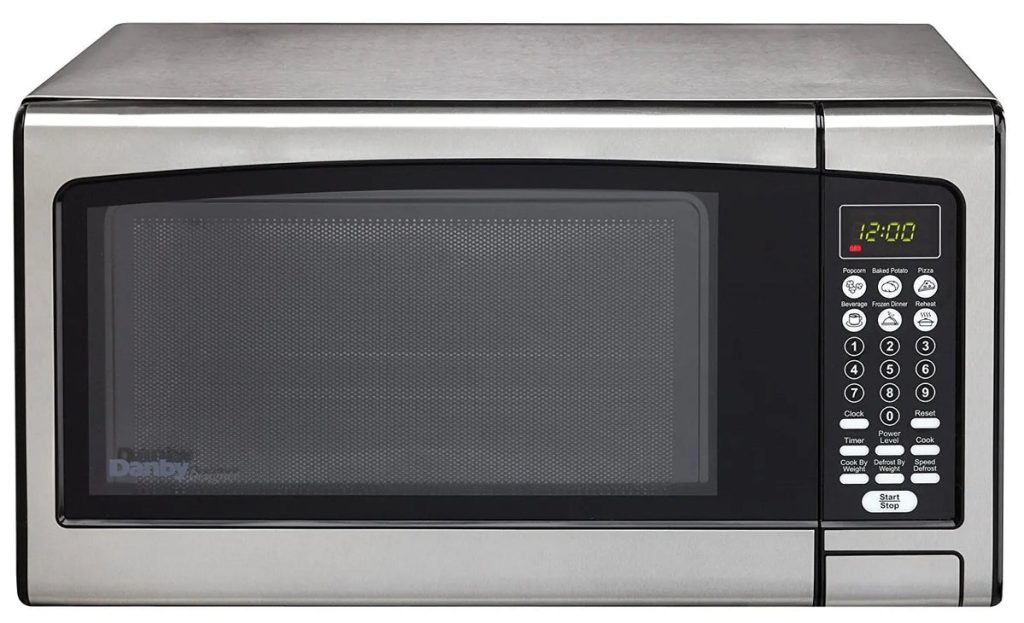
Have you ever wondered if it’s safe to put aluminum foil in your microwave oven? Maybe you’ve been in a rush and thought wrapping your food in foil would keep it fresh while heating.
But is that really a good idea? Using aluminum foil incorrectly in your microwave can cause sparks, damage your appliance, or even start a fire. Before you make a mistake that could ruin your meal or your microwave, keep reading.
This article will clear up the confusion and give you simple, clear answers on how to use aluminum foil safely—or if you should avoid it altogether. Your microwave—and your safety—depend on knowing the facts.
Microwave Basics
Understanding the basics of how a microwave oven works can help you make safer and smarter choices about what goes inside it. Many people wonder whether items like aluminum foil are safe to use in microwaves, but that question starts with knowing the cooking process and what materials react well with microwave energy.
How Microwaves Cook Food
Microwaves heat food by sending out radio waves that target water molecules. These waves make the water molecules vibrate quickly, creating heat. This heat cooks the food from the inside out, which is why microwaves cook so fast compared to traditional ovens.
The microwave energy is absorbed differently by various substances. Metals, for instance, reflect microwaves instead of absorbing them. This reflection can cause sparks or even fires, which is why metal objects often pose risks inside a microwave oven.
Materials Safe For Microwaving
Not all containers or wraps are safe in a microwave. Here are some materials you can generally trust:
- Glass:Most glass containers are microwave-safe unless they have metallic paint or decorations.
- Ceramics:Plain ceramics without metal trims usually work well.
- Microwave-safe plastics:Look for labels that confirm they won’t melt or leach chemicals.
- Paper products:Plain paper towels or plates can be used but avoid recycled paper with unknown chemicals.
Have you ever tried heating something in plastic only to find it warped or smelled strange afterward? That’s a sign the plastic wasn’t meant for microwaving. Always check the container’s label before using it in your microwave to avoid surprises or hazards.
Aluminum Foil Properties
Aluminum foil is a common household item. Its unique properties make it versatile. Many wonder about its use in the microwave. Understanding its properties can help answer this question.
Conductivity And Thickness
Aluminum foil is an excellent conductor of heat. This property helps in even cooking. Its thinness allows it to wrap food snugly. But, its thinness can also lead to sparks in microwaves. This happens because it reflects microwaves instead of absorbing them.
Common Uses In Cooking
Aluminum foil is often used for baking. It helps retain moisture in food. People also use it to cover dishes to prevent burning. In grilling, it serves as a barrier against direct heat. Its reflective nature helps cook food evenly.
Microwaving Aluminum Foil
Microwaving aluminum foil is a topic that often raises questions and concerns. Many people wonder if it’s safe to use aluminum foil in a microwave oven or if it can cause damage or hazards. Understanding when and how aluminum foil can be used in your microwave helps you avoid accidents and get the best results for your food.
Potential Risks
Using aluminum foil in a microwave can be risky because microwaves cause metal to spark. These sparks can lead to fires or damage the microwave’s interior. Even small pieces of foil can create dangerous arcing, especially if they touch the microwave walls.
Thin or crumpled foil increases the chance of sparks. The foil can also reflect microwaves, preventing your food from heating evenly. Have you ever noticed sparks or flashes when microwaving something wrapped in foil? That’s a clear sign it’s not safe.
When It Might Be Safe
Not all uses of aluminum foil in microwaves are off-limits. Small, flat pieces of foil can sometimes be used to shield parts of food, like chicken wings, to prevent overcooking. The key is to keep the foil smooth and away from the microwave walls.
Many microwave manufacturers allow minimal use of foil, but always check your microwave’s manual first. If you use foil, make sure it:
- Is thin and flat without wrinkles
- Does not cover more than 1/4 of the food surface
- Is kept at least one inch away from the microwave walls
Have you tried using foil this way to avoid dry edges on your food? It can work well, but only if you follow these precautions carefully.

Credit: www.yahoo.com
Alternatives To Aluminum Foil
Using aluminum foil in the microwave can be risky, so finding safe alternatives is important. Luckily, there are plenty of options that protect your food and make reheating easy. These alternatives can help you avoid sparks and uneven cooking while keeping your meals fresh and delicious.
Microwave-safe Covers
Microwave-safe covers are a great choice to keep moisture in and prevent splatters. These covers are usually made from plastic or silicone and designed specifically for microwave use. They allow steam to escape while keeping your food from drying out.
Many come with vents you can open or close, giving you control over how much steam stays inside. Using a microwave-safe cover can speed up reheating times and help food cook evenly.
Have you ever had your microwave splattered with sauce or soup? These covers save you the cleanup hassle and keep your microwave cleaner for longer.
Other Wrapping Options
Besides microwave-safe covers, you can use alternatives like parchment paper, wax paper, or microwave-safe plastic wrap. These materials do not cause sparks and are safe to use for short reheating or cooking times.
- Parchment Paper:Great for wrapping sandwiches or covering dishes, it can withstand microwave heat without melting.
- Wax Paper:Useful for covering food to prevent splatters but avoid using it for long cooking times as it can melt.
- Microwave-Safe Plastic Wrap:Make sure to leave a small gap for steam to escape to avoid pressure build-up.
Have you tried using these options in your microwave? They might surprise you with how well they work, especially when you want to keep food moist without using foil.
Expert And Manufacturer Guidelines
Understanding expert and manufacturer guidelines is crucial before placing aluminum foil in your microwave oven. These authorities provide clear rules based on safety tests and technical knowledge. Ignoring their advice can lead to sparks, fires, or damage to your appliance.
Microwave Oven Manufacturers’ Advice
Most microwave makers strongly discourage using aluminum foil inside their ovens. The metal can cause electric arcing, which appears as sparks and can damage the microwave’s interior.
Manufacturers often specify that if you must use foil, it should be minimal and placed carefully:
- Keep foil away from the oven walls and ceiling.
- Avoid covering large areas or wrapping entire dishes.
- Use only small strips to shield parts of food, like chicken wings, to prevent overcooking.
Have you ever noticed sparks when reheating food wrapped in foil? That’s a warning sign manufacturers highlight in their manuals. Always read your microwave’s user guide for specific instructions, as some newer models may handle small amounts of foil better.
Food Safety Experts’ Recommendations
Food safety experts focus on both health and practical risks. They advise limiting foil use to prevent fires and ensure even cooking.
They also emphasize that aluminum foil should never touch the microwave’s interior metal surfaces to avoid short circuits. Instead, it’s safer to use microwave-safe containers or covers made of glass or plastic.
When you want to shield food parts from drying out, consider alternatives like microwave-safe lids or parchment paper. These options reduce risk and maintain food quality.
Have you tried using microwave-safe covers instead of foil? It might seem less convenient, but it protects your food and your microwave better.
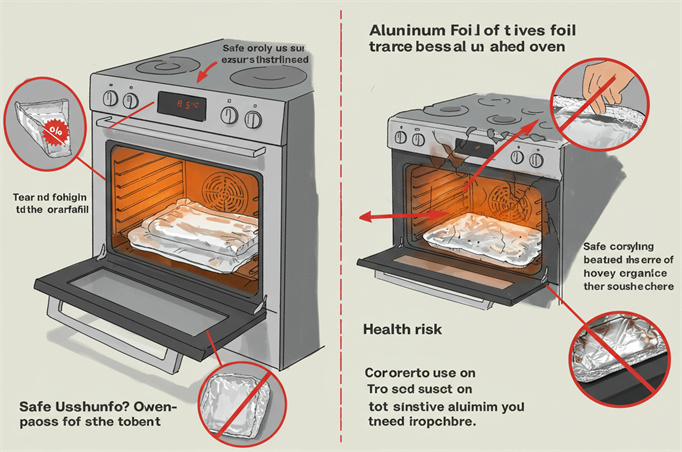
Credit: yutwinaluminumfoil.com
Tips For Safe Microwave Use
Using a microwave safely is key to avoiding accidents and protecting your kitchen. Understanding how to handle materials like aluminum foil in the microwave can save you from sparks, fires, and ruined meals. Here are practical tips to help you keep your microwave use safe and effective.
Avoiding Sparks And Fires
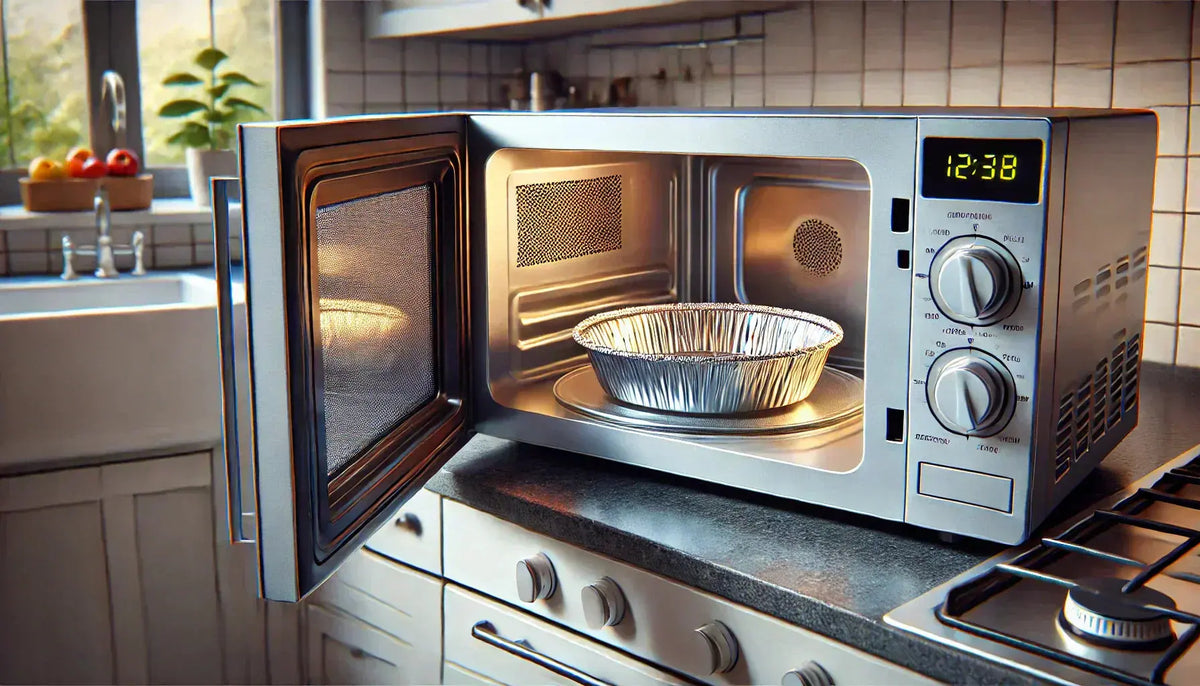
Aluminum foil can cause sparks in the microwave because it reflects the microwaves instead of absorbing them. These sparks might lead to fires if the foil touches the microwave walls or other metal objects inside. Always check the microwave’s manual to see if small amounts of foil are allowed, and never let foil crumple or touch the oven’s interior.
Have you ever seen tiny sparks in your microwave and wondered if it’s dangerous? Those sparks are a clear sign to stop immediately. If you must use foil, keep it smooth, thin, and away from the microwave walls. Avoid covering the entire dish with foil; use just small strips if your microwave’s guide says it’s safe.
Proper Food Covering Techniques
Covering your food properly helps it heat evenly and prevents messes. Instead of wrapping food entirely in aluminum foil, use microwave-safe lids or vented plastic wraps that allow steam to escape. This keeps your food moist without risking sparks.
If you want to shield certain parts of your food from overcooking, use small pieces of foil carefully placed only over those areas. For example, shielding the edges of pie crust can prevent burning. Make sure the foil doesn’t touch the sides or roof of the microwave to avoid electrical issues.
- Use microwave-safe covers or plates to trap steam.
- Vent plastic wrap slightly to let steam out.
- Keep foil pieces flat and minimal if used, never crumpled.
- Check your microwave’s manual to confirm foil usage rules.
How do you usually cover your food in the microwave? Trying these tips could improve your cooking results and keep your microwave safe longer.
Credit: kitchendance.com
Frequently Asked Questions
Can Aluminum Foil Be Safely Used In Microwaves?
Aluminum foil can cause sparks and fires in microwaves. Small, smooth pieces may be safe briefly, but generally, it’s best avoided to prevent damage or hazards.
Why Does Aluminum Foil Spark In Microwave Ovens?
Sparks occur because microwaves cause electric currents in foil. Thin or crinkled foil concentrates these currents, leading to sparks and possible fire risks.
How To Microwave Food With Aluminum Foil Safely?
Avoid using aluminum foil unless your microwave manual allows it. Use small, flat pieces away from walls, and never cover the entire dish.
What Are Alternatives To Aluminum Foil In Microwaving?
Use microwave-safe glass, ceramic containers, or microwave-safe plastic wraps. These options heat food evenly and avoid risks linked to aluminum foil.
Conclusion
Aluminum foil can cause sparks in the microwave oven. It may damage your appliance or start a fire. Small amounts might work, but it’s risky to try. Use microwave-safe containers instead for safety and best results. Always read your microwave’s manual before placing any metal inside.
Staying cautious helps protect your kitchen and family. Remember, safety matters more than convenience in cooking. Keep your microwave use simple and safe every time.