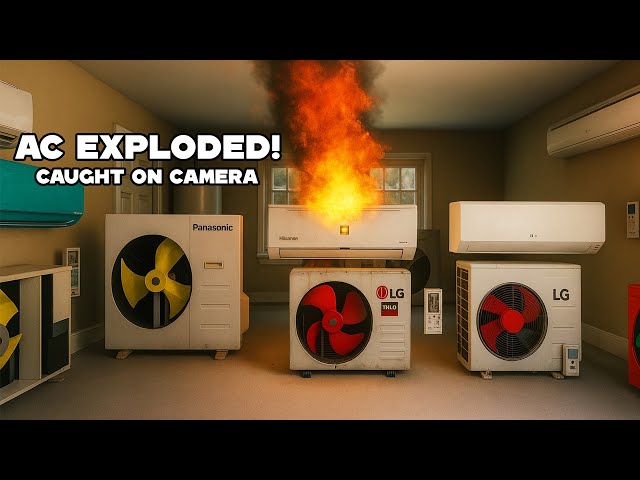
Have you ever wondered if your air conditioner could catch on fire? It might sound scary, but knowing the facts can help you keep your home safe.
Your AC works hard to keep you cool, but like any electrical device, it has risks if not cared for properly. You’ll discover how fires can start in air conditioners, what warning signs to watch for, and simple steps you can take to protect yourself and your family.
Keep reading to learn how to stay cool without the fear of fire.

Credit: koreajoongangdaily.joins.com
Fire Risks In Air Conditioners
Air conditioners are common in many homes and offices. They help keep spaces cool and comfortable.
Still, these machines can cause fires if not used or maintained properly. Understanding fire risks is important for safety.
Common Causes Of Fires
Fires from air conditioners usually start from electrical or mechanical problems. Poor installation and lack of maintenance increase risk.
- Old or damaged wiring
- Blocked air vents
- Dirty filters
- Faulty electrical parts
- Overheated motor or compressor
Electrical Faults And Short Circuits
Electrical faults are a major cause of air conditioner fires. Short circuits happen when wires touch incorrectly or insulation breaks.
| Problem | Cause | Effect |
| Short Circuit | Damaged wiring | Sparks and fire |
| Overload | High power draw | Tripped breakers or fire |
| Loose Connections | Vibration or wear | Heat build-up and fire |
Overheating Components
Parts inside air conditioners can get very hot. Overheating happens if fans fail or filters clog.
Heat can damage wires and plastic parts, raising fire risk. Motors and compressors are most at risk.
- Blocked air flow causes heat build-up
- Worn bearings increase motor temperature
- Dust and dirt trap heat inside
- Continuous running without breaks
Credit: www.onehourairftworth.com
Signs Of Potential Fire Hazards
Air conditioners are common in many homes and offices. They usually work safely without problems.
Sometimes, they can show signs that might lead to fire hazards. It is important to notice these signs early.
Unusual Smells And Sounds
If your air conditioner smells like burning plastic or rubber, it could be a warning. Strange smells mean parts may be overheating.
Also listen for unusual noises like buzzing, crackling, or popping. These sounds can mean electrical problems inside the unit.
Visible Sparks Or Smoke
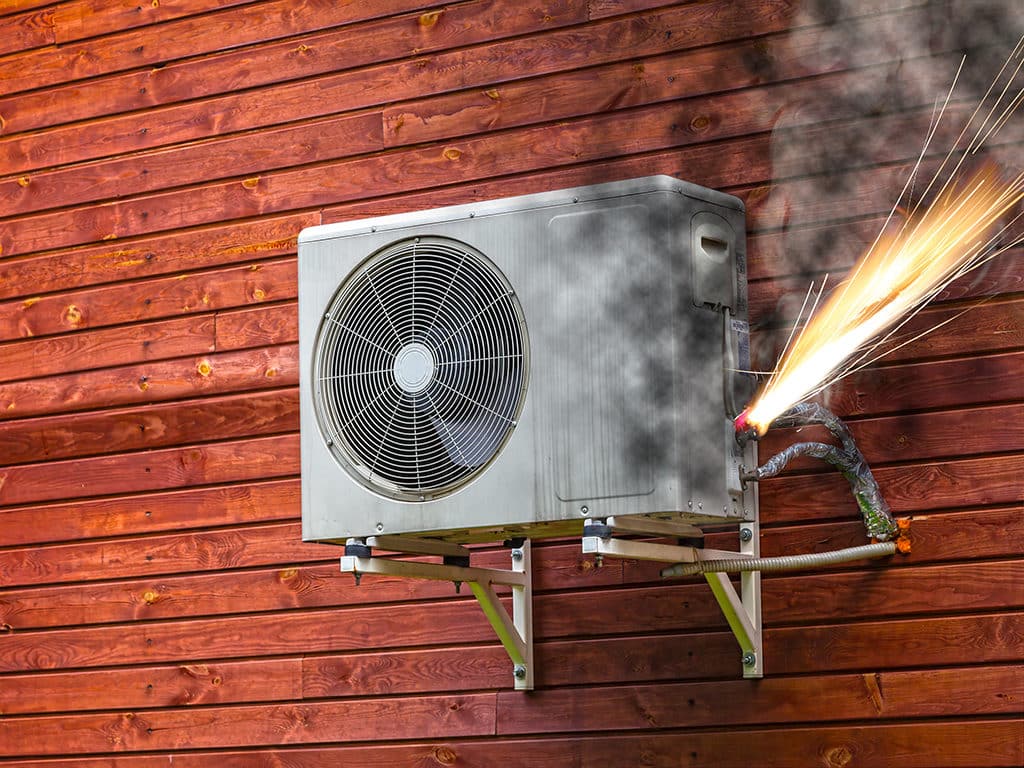
Seeing sparks or smoke near the air conditioner is a serious sign. It shows there is a risk of fire right away.
Smoke can come from wiring, the motor, or other parts that are damaged or overloaded.
Frequent Tripping Of Circuit Breakers
If the circuit breaker trips often when the air conditioner runs, this means an electrical problem exists. It could cause overheating.
Frequent trips protect your home but also show that the air conditioner needs attention from a professional.
Preventing Air Conditioner Fires
Air conditioners can catch fire if they are not cared for properly. Fire risks increase with poor maintenance and bad electrical work.
Knowing how to keep your air conditioner safe helps protect your home and family. Follow simple steps to lower fire dangers.
Regular Maintenance Tips
Keep your air conditioner clean and checked often. Dirt and dust can cause parts to overheat and start a fire.
Check the filters, coils, and vents every few months. Replace or clean them to keep airflow smooth and safe.
- Clean or replace air filters monthly
- Remove dust from coils and vents
- Inspect wiring for damage or wear
- Clear debris around outdoor units
- Schedule professional tune-ups yearly
Safe Installation Practices
Install your air conditioner according to the manufacturer’s instructions. Wrong installation can cause electrical problems and fires.
Use a licensed professional for the job. They know the correct methods and local rules to keep you safe.
- Place the unit in a well-ventilated area
- Avoid blocking air vents or fans
- Use proper supports and brackets
- Keep flammable materials away
- Follow local electrical codes strictly
Using Quality Electrical Components
Use good electrical parts and wiring to reduce fire risk. Cheap or old components can overheat and cause sparks.
Check that all connections are tight and safe. Faulty wiring is a common cause of air conditioner fires.
- Buy certified electrical parts
- Replace damaged wires immediately
- Use circuit breakers and fuses
- Ensure proper grounding of the unit
- Have a professional inspect your wiring
What To Do If Your Ac Catches Fire
An air conditioner catching fire is rare but dangerous. Knowing what to do can keep you safe.
Act fast and follow clear steps to protect yourself and others around you.
Immediate Safety Measures
If your AC catches fire, leave the area quickly. Do not try to fix it yourself.
Turn off the power to the AC from the main switch if it is safe to do so.
- Alert everyone in your home or building
- Use a fire blanket or cloth to cover small flames if safe
- Stay low to avoid smoke inhalation
- Do not use water on electrical fires
Emergency Contacts And Procedures
Call emergency services immediately. Use your phone or a neighbor’s phone.
Give your exact location and describe the fire clearly to the dispatcher.
- Call 911 or your local fire department
- Evacuate the building calmly
- Help others if you can do so safely
- Wait for firefighters outside, away from the fire
Fire Extinguishing Methods
Use a fire extinguisher only if the fire is small and you know how to use it.
Choose the right extinguisher for electrical fires. Class C extinguishers are best.
- Use a Class C or multipurpose extinguisher
- Pull the pin, aim at the base of the fire
- Squeeze the handle and sweep side to side
- Stop if the fire grows or you feel unsafe
Choosing Safe And Reliable Ac Units
Air conditioners can be safe if you pick the right model. Some units have better safety features than others. Choosing a reliable AC reduces the risk of fire and other problems.
Knowing what to look for helps you make smart choices. This guide covers important points to check before buying.
Certifications And Safety Ratings
Look for AC units with safety certifications. These prove the unit meets strict safety rules. Certified products reduce fire risks.
Common safety marks include UL, ETL, and CSA. These labels show the unit passed electrical and fire safety tests.
- UL (Underwriters Laboratories)
- ETL (Intertek Testing Services)
- CSA (Canadian Standards Association)
Energy Efficiency And Safety
Energy-efficient AC units use less power and often have better safety features. They run cooler, lowering fire risks.
Check for Energy Star labels. These show the unit saves energy and works safely. Efficient units also cost less to run.
- Energy Star certified units meet strict efficiency rules
- Lower energy use means less heat and fire chance
- Efficient systems last longer and need less repair
Trusted Brands And Models
Choose AC units from brands known for quality and safety. These companies test their products well before selling.
Reading reviews can help find reliable models. Trusted brands often offer good warranties and customer support.
- Brands with good safety records
- Models with positive customer feedback
- Units backed by solid warranties

Credit: yourenergyanswers.com
Frequently Asked Questions
Can An Air Conditioner Actually Catch Fire?
Yes, air conditioners can catch fire due to electrical faults, overheating, or poor maintenance. Regular inspections reduce this risk significantly.
What Causes An Air Conditioner To Overheat?
Overheating occurs from blocked vents, dirty filters, or faulty wiring. These issues strain the unit and increase fire hazards.
How To Prevent Air Conditioner Fires At Home?
Clean filters regularly, schedule professional maintenance, and avoid overloading circuits. Proper care ensures safe and efficient air conditioner use.
Are Old Air Conditioners More Likely To Catch Fire?
Yes, older units may have worn wiring or components, increasing fire risk. Upgrading or servicing old units improves safety.
Conclusion
Air conditioners can catch fire, but it is rare. Most fires happen due to poor maintenance or faulty wiring. Regular cleaning and checks keep your unit safe. Don’t ignore strange smells or sparks. Turn off the air conditioner if you notice problems.
Call a professional to inspect and fix issues. Staying alert protects your home and family. Safety is simple with small, steady actions. Keep your cool and stay safe all year long.