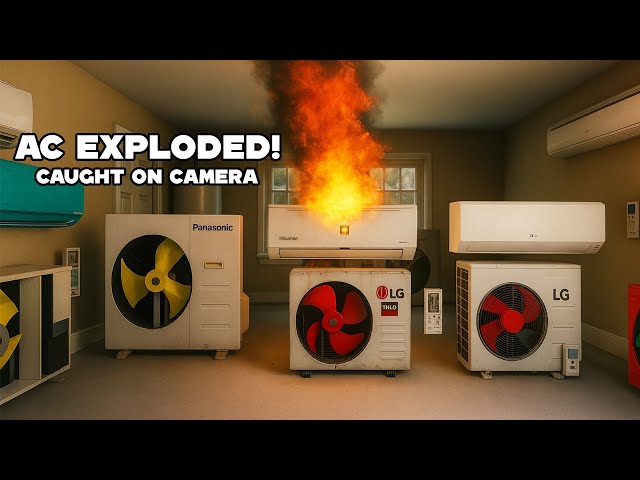
Have you ever wondered if your air conditioner could catch on fire? It’s a scary thought, especially when you rely on it to keep your home cool and comfortable.
Understanding the risks and knowing how to spot warning signs can protect you and your loved ones. You’ll learn what causes air conditioners to ignite and simple steps you can take to keep your home safe. Keep reading—your peace of mind might depend on it.

Credit: koreajoongangdaily.joins.com
Fire Risks In Air Conditioners
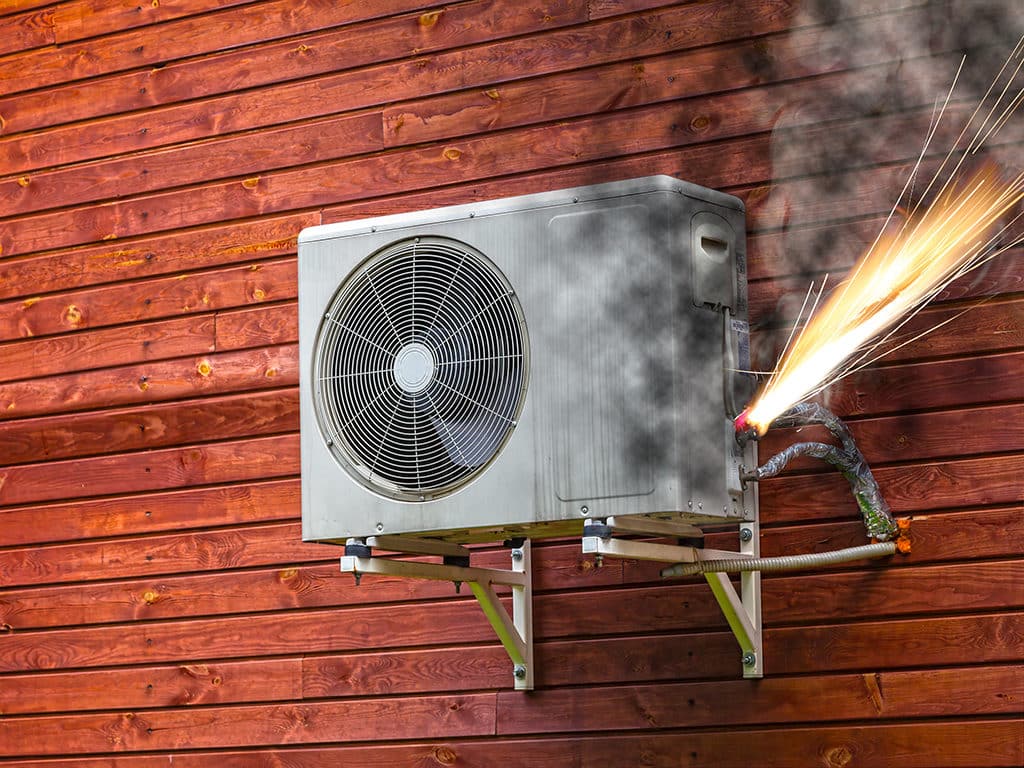
Air conditioners can catch firedue to several reasons. One main cause is electrical faults. Faulty wiring or damaged cords may lead to sparks. Overloads happen when the AC draws more power than usual. This causes wires to heat up and sometimes catch fire.
Poor maintenancealso plays a big role. Dust and dirt buildup can block vents and cause the unit to overheat. Clogged filters force the system to work harder, increasing fire risk. Regular cleaning and checks reduce these dangers.
- Faulty wiring or damaged cords
- Power overloads causing wire heating
- Dust and dirt blocking vents
- Clogged filters causing overheating
- Lack of regular cleaning and inspection
Credit: www.onehourairftworth.com
Signs Of Potential Fire Hazards
Strange smells like burning plastic or smoke near an air conditioner can signal a fire risk. Odd noises such as buzzing, crackling, or popping sounds may also warn of trouble.
Parts that feel very hot to touch suggest overheating components. This can lead to serious problems if ignored.
Look closely for any visible damage. Frayed wires, scorch marks, or broken parts can increase fire chances.
- Unusual smells: burning or smoky odors
- Odd noises: buzzing, crackling, popping
- Overheated parts: very hot to touch
- Visible damage: frayed wires, scorch marks
Preventing Air Conditioner Fires
Regular inspectionhelps find problems early. Check wires for damage or wear. Clean dust and debris from vents and filters often. Look for unusual smells or sounds during operation. These can be signs of electrical issues. Replace any broken parts immediately. Keep the outdoor unit clear of leaves and dirt.
Proper installation is key to safe air conditioner use. Use a licensed professional to install the unit. Make sure the unit is grounded to prevent electrical shocks. Avoid overloading circuits by connecting too many devices. Secure all wires and pipes firmly to prevent damage.
| Using Quality Components | Why It Matters |
|---|---|
| Certified parts and accessories | Reduce risk of malfunction and fire |
| High-quality wiring | Prevents electrical shorts and overheating |
| Proper fuses and circuit breakers | Protects system from power surges |

Credit: yourenergyanswers.com
Emergency Actions During Ac Fire
Turn off the air conditioner immediately to stop the fire source. Move away from the unit to a safe distance. Call emergency services without delay. Do not try to fix the AC while it is burning.
Use a fire extinguisher only if it is safe and you know how. Aim at the base of the fire, not the flames. Use a dry chemical or CO2 extinguisher for electrical fires. Avoid water, as it can cause electric shock.
Call professionals for help if the fire is large or spreading fast. Electricians or fire specialists can handle repairs safely. Do not re-use the AC until experts check it. Safety first—trust the trained people to solve the problem.
Myths About Ac Fires Debunked
Older air conditioners may seem risky, but they are not always more dangerous. Regular maintenance is key to safety. Dust, dirt, and worn wires cause most fires, not age alone.
Size does not directly affect fire risk. Both small and large units can overheat if not cared for. Proper installation and ventilation matter more than size.
Smart ACs offer some safety features like auto shut-off during faults. They can alert users to problems early. But they cannot stop all fire risks. Smart does not mean fireproof.
Frequently Asked Questions
Can An Air Conditioner Really Catch On Fire?
Yes, air conditioners can catch fire, but it’s rare. Faulty wiring, overheating, or poor maintenance are common causes. Regular servicing reduces risk and ensures safe operation.
What Causes Air Conditioners To Overheat And Catch Fire?
Overheating often results from dirty filters, blocked vents, or electrical issues. These problems increase internal temperatures, potentially leading to fire hazards if ignored.
How Can I Prevent My Air Conditioner From Catching Fire?
Regular cleaning, timely maintenance, and professional inspections prevent fire risks. Avoid overloading circuits and ensure proper installation to keep your air conditioner safe.
Are Older Air Conditioners More Likely To Catch Fire?
Older units may have worn wiring or outdated components, increasing fire risk. Regular inspections and timely upgrades help minimize this danger effectively.
Conclusion
Air conditioners rarely catch fire, but risks exist. Regular maintenance is crucial. Dust and debris can cause overheating. Ensure proper installation to avoid electrical issues. Always use recommended parts and services. Turn off the unit during thunderstorms. This can prevent power surges.
Choose the right air conditioner for your space. Overloading can lead to problems. Educate yourself about warning signs. Strange smells or noises need attention. Safety should always be the top priority. Keep your family safe with these precautions. Stay cool and worry-free.