
Have you ever wondered if your air conditioner could be leaking something dangerous like carbon monoxide? It’s a scary thought, especially when you rely on your AC to keep your home cool and comfortable.
You might think carbon monoxide leaks only come from heaters or gas appliances, but what about your air conditioner? Understanding the truth behind this question could protect you and your loved ones from unseen dangers. Keep reading to discover what you need to know to stay safe and breathe easy in your own home.
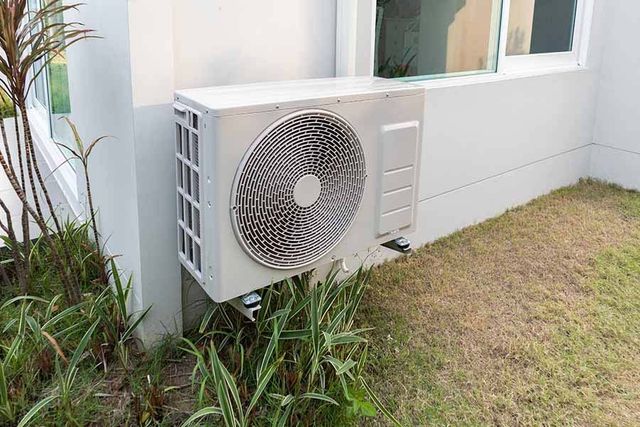
Credit: www.premiersystemsmt.com
Air Conditioners And Carbon Monoxide
Carbon monoxide (CO) is a dangerous gas. It forms when fuels like gas, oil, or wood burn without enough oxygen. This gas is colorless and smells like nothing. It can cause headaches, dizziness, or worse if inhaled in large amounts. Air conditioners that use electricity do not produce carbon monoxide. But some cooling systems that burn fuel, like gas-powered heaters, can create CO if they are broken or not well ventilated.
| Type of Cooling System | Risk of Carbon Monoxide | Notes |
|---|---|---|
| Electric Air Conditioners | No risk | Run on electricity only, no fuel combustion |
| Gas-Powered Cooling Systems | Possible risk | May produce CO if not maintained or ventilated |
| Oil or Propane Cooling Systems | Possible risk | Burn fuel, need proper ventilation and checks |
Common Sources Of Carbon Monoxide
Gas furnaces and heatersburn fuel to create heat. This process can produce carbon monoxideif the equipment is faulty or not vented well. Leaks often happen around old or broken parts.
Generators and other appliancesthat use gas or oil also can release carbon monoxide. Running these items indoors or in closed spaces is dangerous. Proper ventilation is key to avoid risks.
Air conditionersdo not burn fuel. They use electricity to cool air. Because of this, they cannot leak carbon monoxide. Carbon monoxide comes only from devices that burn fuel, called combustion devices.
Can Air Conditioners Leak Carbon Monoxide?
An air conditioner cools air using a refrigeration cycle. It moves heat from inside to outside. The system has no burning fuel inside your home. This means it does not produce carbon monoxide (CO). CO is a gas made by burning fuels like gas, oil, or wood.
Only heaters or furnaces that burn fuel can leak carbon monoxide. Air conditioners run on electricity. They do not have flames or combustion parts. So, they cannot create or leak CO. Any CO smell inside your home is from another source.
- Air conditioners do not burn fuel.
- They use electricity to cool air.
- CO comes from burning fuels, not ACs.
- CO leaks happen with heaters, not ACs.
- Check other appliances if CO is suspected.

Credit: dial1plumbing.com
Signs Of Carbon Monoxide Exposure
Carbon monoxideis a dangerous gas that you cannot see or smell. It can cause serious health problemsfast.
Common physical symptomsinclude:
- Headache
- Dizziness
- Nausea
- Weakness
- Confusion
- Shortness of breath
Signs inside the home may help detect carbon monoxide:
- Yellow or flickering flames on gas appliances
- Condensation on windows or walls near heating devices
- Stale or stuffy air
- Unusual smells near the heater or air conditioner
Seek help immediately if anyone feels sick, dizzy, or confused. Fresh air and medical care are urgent. Do not wait.
Preventing Carbon Monoxide Risks
Proper installationof air conditioners is key to avoid carbon monoxide risks. Only trained technicians should install units. They ensure ventilation systemswork well and exhaust gases safely leave the home.
Regular maintenancekeeps your air conditioner safe. Clean filters and check for leaks often. Faulty parts can cause carbon monoxide to build up inside. Schedule professional checks at least once a year to catch problems early.
- Place CO detectorsnear sleeping areas and the air conditioner.
- Test detectors monthly to ensure they work.
- Replace batteries every six months or as needed.
- Install multiple detectors in larger homes for better coverage.
Safety Tips For Homeowners
Proper ventilationkeeps fresh air flowing inside your home. It helps remove any harmful gases that might build up. Make sure vents and windows are open when using heating or cooling systems. Check that exhaust fans work well and are not blocked. This reduces the risk of carbon monoxidebuildup.
Avoiding DIY repairsis very important. Air conditioners and heating systems are complex. Wrong repairs can cause leaks or damage. Call a licensed technicianto handle any problems. Professionals know how to fix units safely and check for gas leaks.
- Emergency proceduresshould be known by everyone at home.
- Have a carbon monoxide detectorinstalled near sleeping areas.
- Leave the house immediately if the alarm sounds.
- Call emergency services from outside the house.
- Do not re-enter until it is declared safe by experts.

Credit: www.dreamden.ai
Frequently Asked Questions
Can An Air Conditioner Leak Carbon Monoxide?
No, air conditioners do not produce or leak carbon monoxide. Carbon monoxide is a byproduct of combustion, which air conditioners do not use. However, furnaces or heaters connected to HVAC systems can leak carbon monoxide if improperly maintained.
What Causes Carbon Monoxide Leaks In Hvac Systems?
Carbon monoxide leaks happen when fuel-burning appliances like furnaces are faulty or poorly ventilated. Blocked vents or cracked heat exchangers often cause leaks. Regular HVAC inspections prevent these dangerous leaks.
How To Detect Carbon Monoxide Near Air Conditioners?
Carbon monoxide is odorless and invisible. Use a carbon monoxide detector near HVAC systems. Regular maintenance also helps identify potential leaks before they become hazardous.
Can Air Conditioners Affect Indoor Air Quality?
Yes, air conditioners can impact indoor air quality. Poorly maintained units may harbor mold or bacteria. Regular cleaning and filter changes keep air healthy and fresh.
Conclusion
Air conditioners do not produce carbon monoxide. Carbon monoxide comes from gas or fuel-burning appliances. Always check your home for gas leaks. Install carbon monoxide detectors for safety. Regular maintenance keeps your appliances safe. Stay alert to unusual smells or symptoms.
Protect your family by staying informed. Safety starts with simple, smart steps.